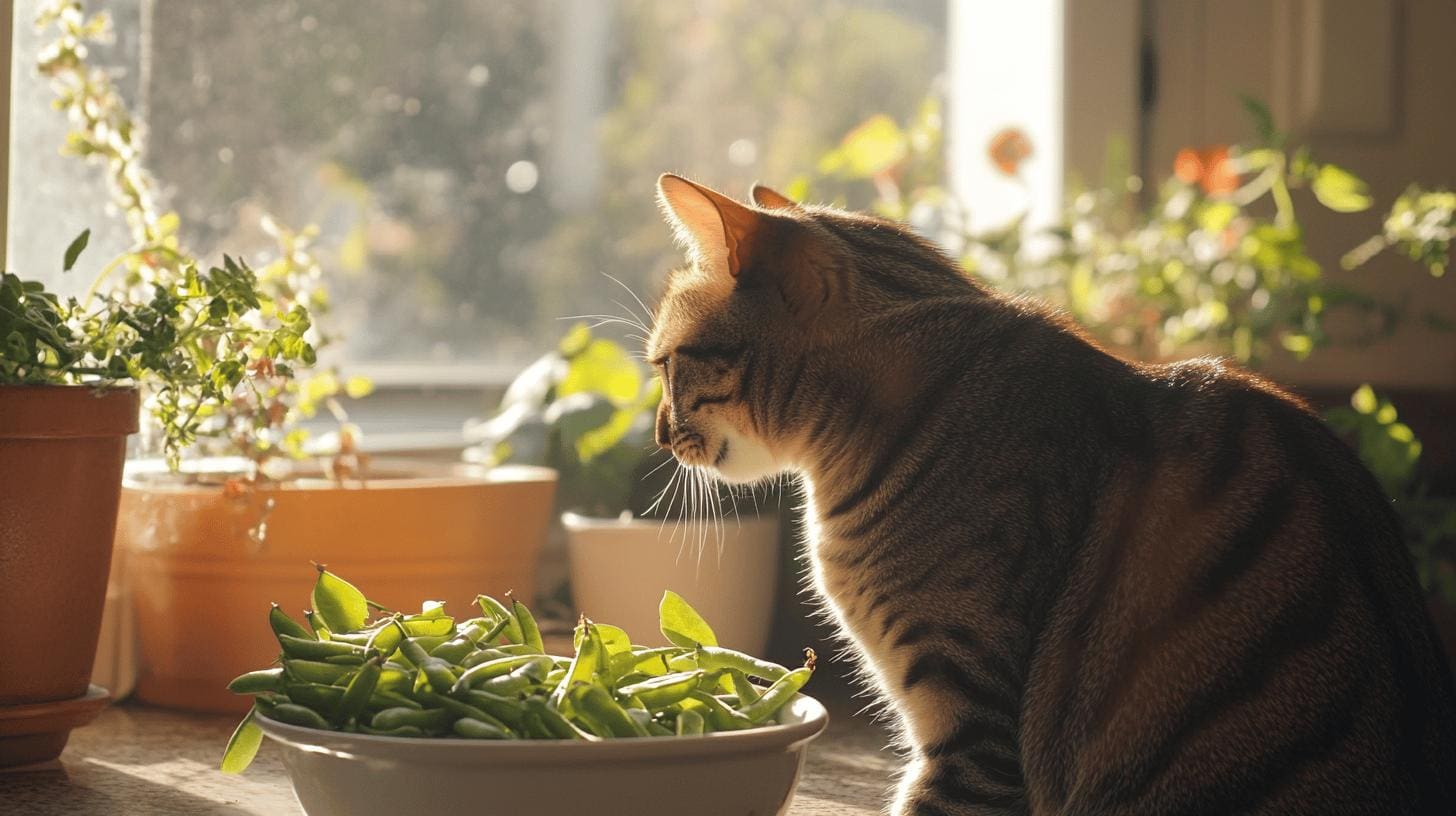
Ever wonder if your cat can safely munch on green beans? Some believe they are only for us humans, but these crunchy veggies could actually be a great treat for your feline friend. Loaded with vitamins, green beans can offer nutritional value while keeping playtime exciting. But there's more to consider when adding them to your cat's diet. Let's explore the benefits and potential risks of green beans in a cat's meal plan, so you can decide if this veggie is the right fit for your furry companion.
Can Cats Eat Green Beans Safely?
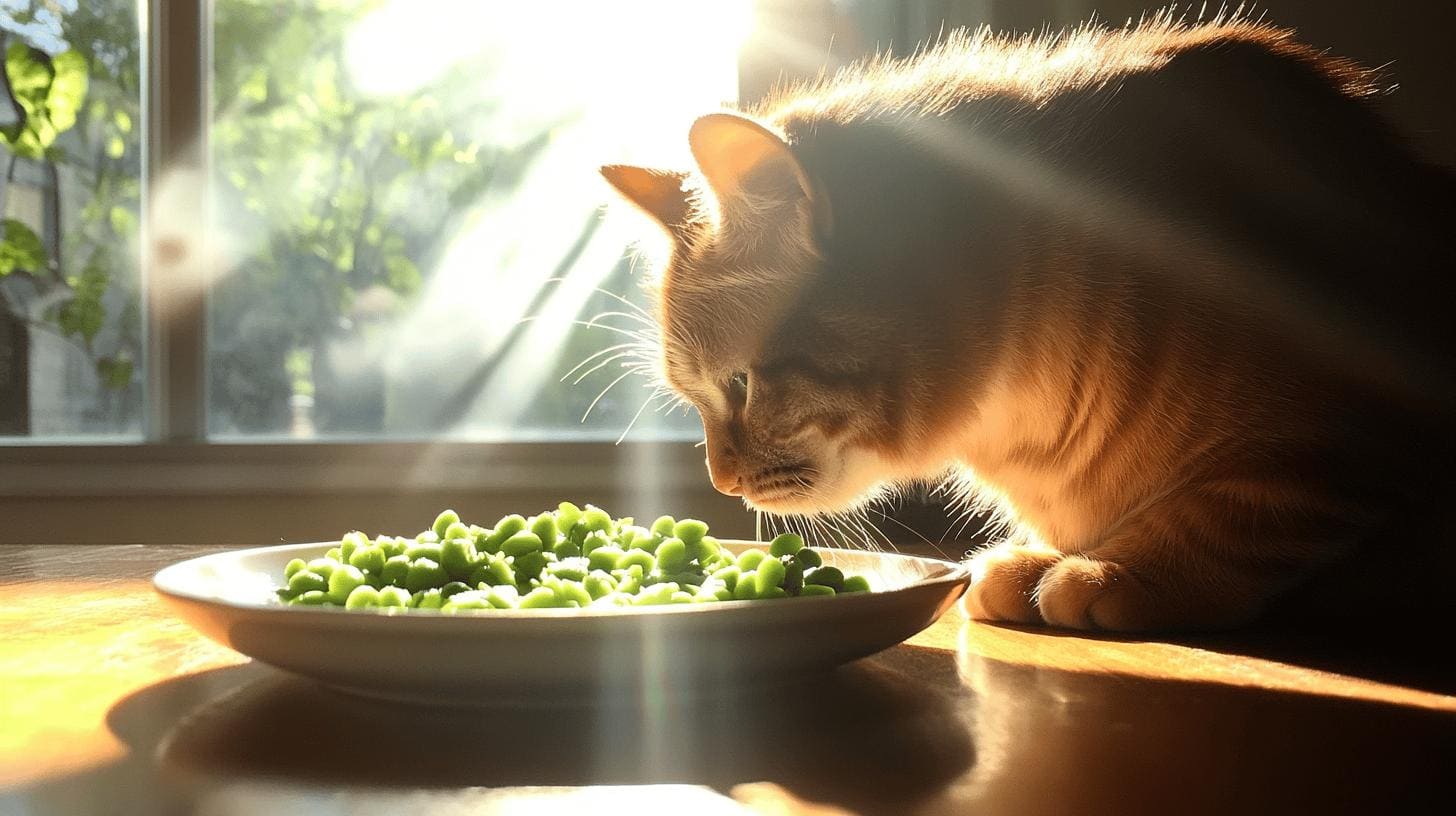
Cats can safely enjoy green beans as part of their diet. These vegetables are non-toxic to our feline friends and can add variety along with nutritional benefits. Green beans are packed with essential vitamins and minerals that support a cat's overall health. They contain fiber, which aids digestion, and are low in calories, making them an excellent choice for a healthy treat. When given in moderation, green beans can be a delightful addition to a cat's diet, appealing to their sense of taste and texture.
Despite their benefits, feeding green beans to cats does come with potential risks. Introducing any new food can lead to digestive upset, such as vomiting or diarrhea. Cats, like humans, can have sensitivities or intolerances that may not be immediately apparent. It's crucial to introduce green beans gradually and in small amounts to observe how your cat reacts. An upset stomach or changes in stool can indicate that green beans aren't agreeing with your feline companion.
- Discontinue feeding green beans immediately
- Monitor for persistent symptoms
- Consult a veterinarian for guidance
- Check for any changes in behavior or appetite
- Gradually reintroduce only if advised by a vet
Moderation and gradual introduction are key when it comes to adding green beans to your cat's diet. Start by offering a small piece and observe how your cat responds. If there are no adverse reactions, you can slowly increase the portion size while ensuring it doesn't surpass 10% of their daily caloric intake. This cautious approach will help prevent any digestive issues and allow you to enjoy sharing a healthy snack with your pet.
Continuous monitoring of your cat's health is vital when introducing any new food. If you notice any unusual symptoms or behaviors, it's important to consult a veterinarian promptly. Your vet can provide personalized advice and determine if green beans are a suitable treat for your cat. Keeping an eye on your cat's overall well-being ensures that you provide the best care possible, supporting their health and happiness.
Nutritional Benefits of Green Beans for Cats
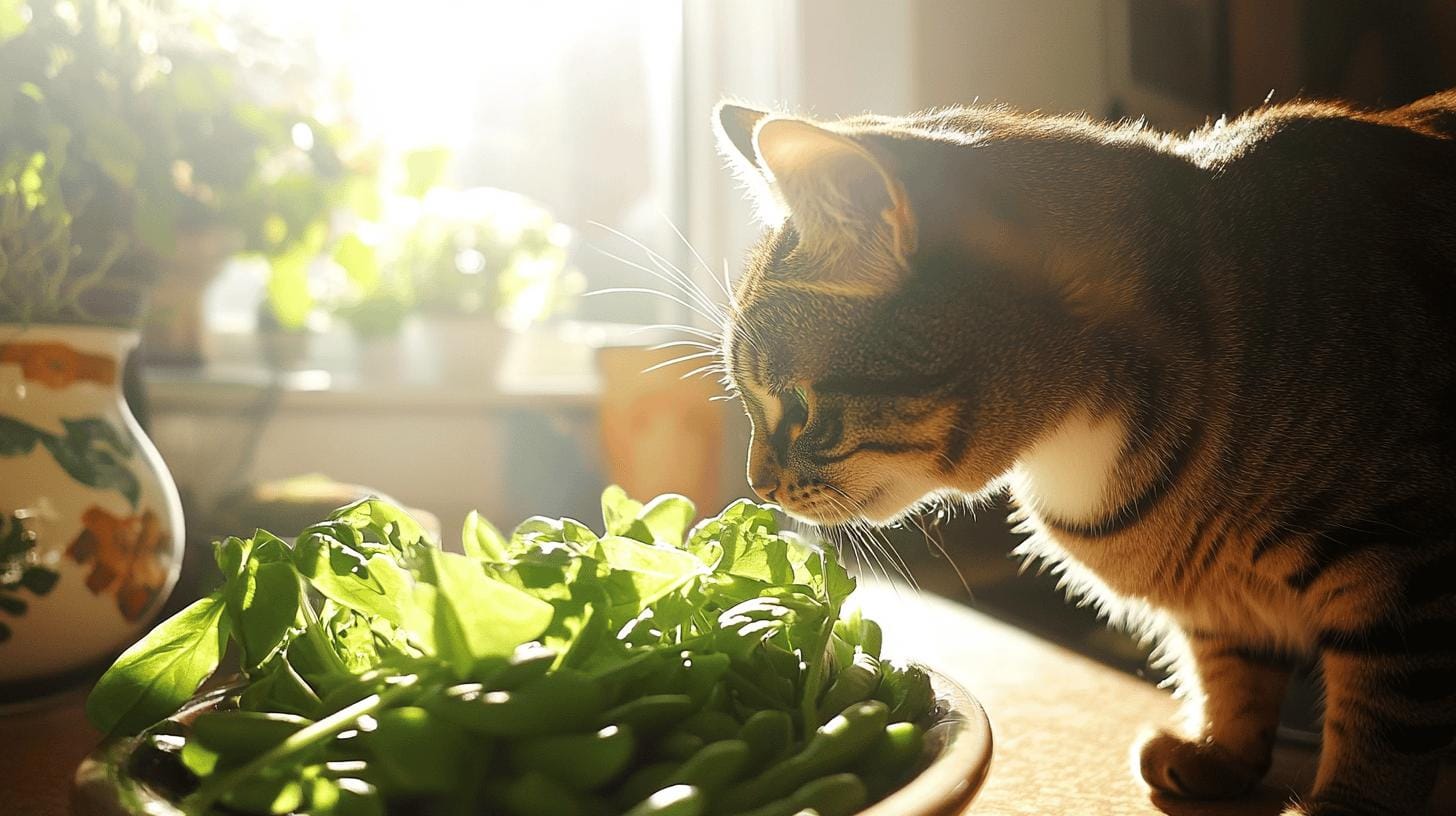
Green beans provide an array of vitamins and minerals crucial for your cat's health. Vitamin A is essential for maintaining good vision and a strong immune system. Vitamin C supports cellular repair and boosts immunity, while Vitamin K is vital for blood clotting and bone health. The calcium in green beans strengthens bones and teeth, and potassium plays a key role in maintaining healthy nerve and muscle function.
Soluble fiber in green beans is a boon for digestive health. It helps regulate bowel movements, easing constipation and diarrhea. This fiber also promotes weight management by making your cat feel full without adding extra calories, which is beneficial for cats needing to lose or maintain weight.
| Nutrient | Benefit for Cats |
|---|---|
| Vitamin A | Supports vision and immune function |
| Fiber | Aids in digestion and weight management |
| Calcium | Strengthens bones and teeth |
Green beans also enhance urinary health in cats. The vegetable-based protein helps balance urinary system acidity, preventing or dissolving urinary tract calcifications. Including green beans in your cat's diet can support their urinary health, helping them stay comfortable and free from urinary issues.