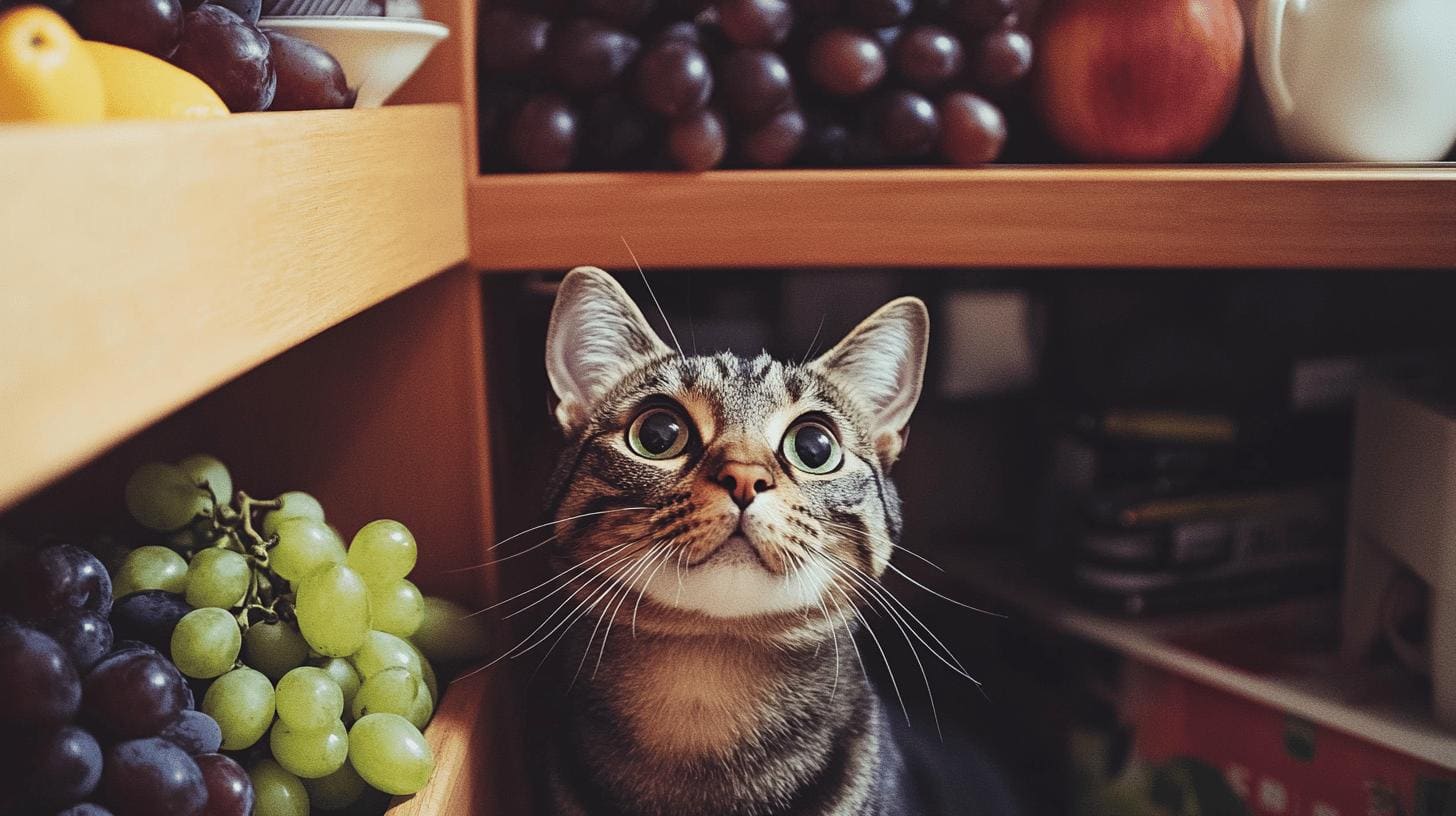
Ever caught your cat eyeing a bunch of green grapes with curiosity? While some foods we enjoy can be shared with our feline friends, green grapes are not one of them. These juicy fruits, though seemingly harmless, can be incredibly toxic to cats.
The mystery of why grapes are dangerous remains unsolved, but their effects can be severe, leading to kidney failure and more. Knowing the risks and acting quickly if your cat ingests them is key. Let's delve into the potential dangers and ensure your cat stays safe and healthy.
Can Cats Safely Eat Green Grapes?
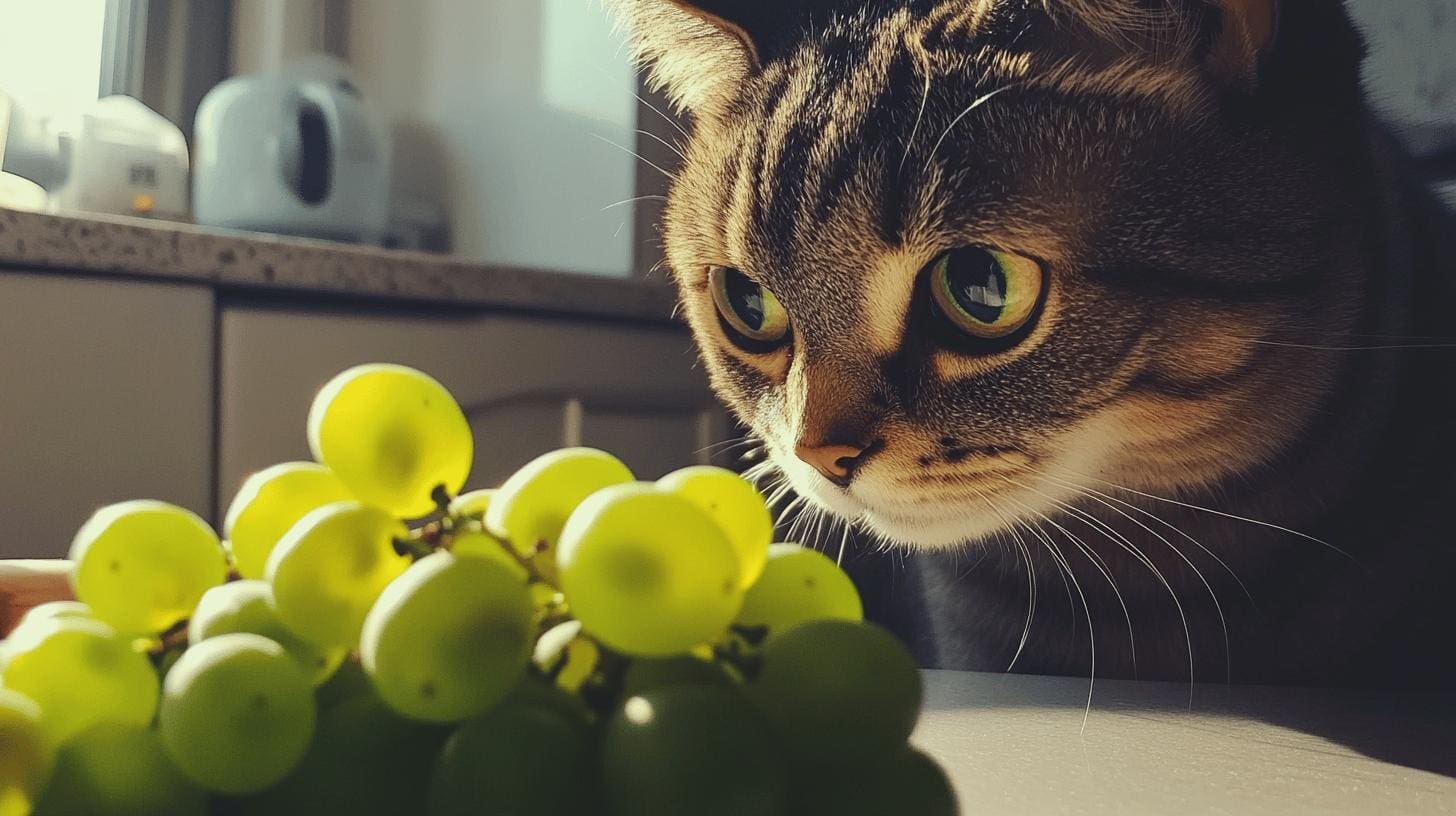
Green grapes are not safe for cats to eat. These fruits are toxic to felines and can lead to serious health complications, including kidney failure. The exact reason why grapes are harmful to cats remains unclear, but it's understood that even a small amount can pose significant risks. Grapes contain substances that can cause similar symptoms in cats as seen in dogs, such as vomiting and diarrhea.
If your cat has ingested green grapes, it's crucial to act quickly. Symptoms of grape toxicity often include vomiting, diarrhea, and signs indicative of kidney failure. If any of these symptoms appear, it is essential to contact a veterinarian immediately. Rapid intervention can make a significant difference in your cat's health outcomes.
Given the potential dangers, it's vital to keep grapes out of your cat's diet entirely. Cats have specific dietary restrictions, and grapes are definitely on the list of foods to avoid.
Ensuring that your feline friend doesn't have access to these toxic fruits can help prevent accidental ingestion and protect their health. Always store grapes safely out of reach and educate everyone in your home about the risks they pose to your feline companion.
Understanding the Effects of Green Grapes on Cats
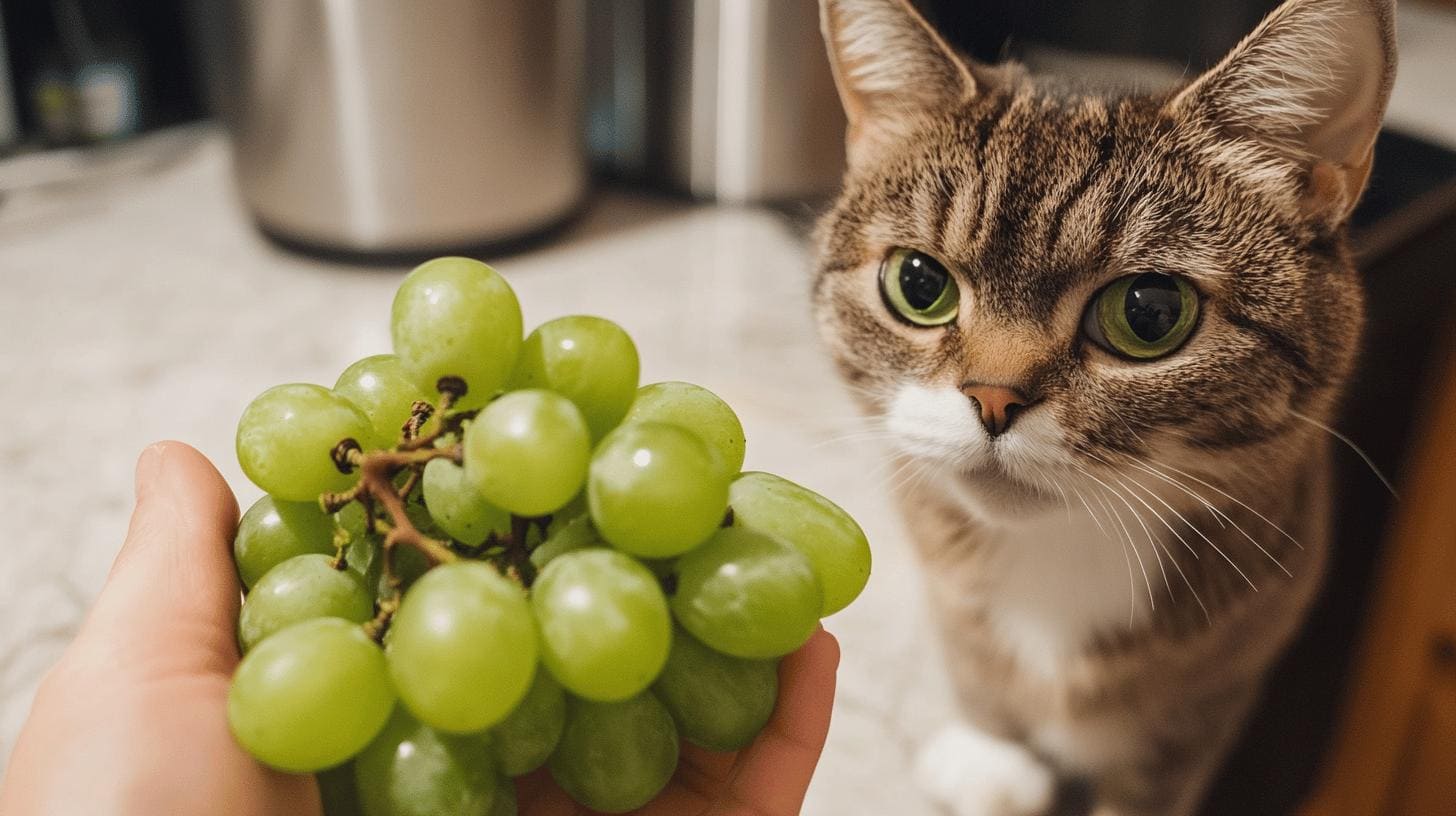
Preventing grape ingestion begins with cat-proofing your home. Store grapes and related products in secure, inaccessible areas. Use childproof locks on cabinets if needed. Ensure no grapes or raisins are left out in open spaces like countertops or tables. Regularly inspect areas where food is kept to reduce the risk of accidental ingestion.
Veterinarians treat grape toxicity by stabilizing the cat's condition. They may induce vomiting or administer activated charcoal to prevent further absorption of toxins. Fluid therapy is often used to support kidney function, and close monitoring is essential.
Recent studies suggest possible mechanisms of toxicity involving the kidneys, but more research is needed. Expert opinions emphasize the importance of immediate intervention to mitigate risks. Being proactive and aware of how to respond can make a critical difference in a cat's recovery.
Alternatives to Green Grapes: Safe Fruits for Cats
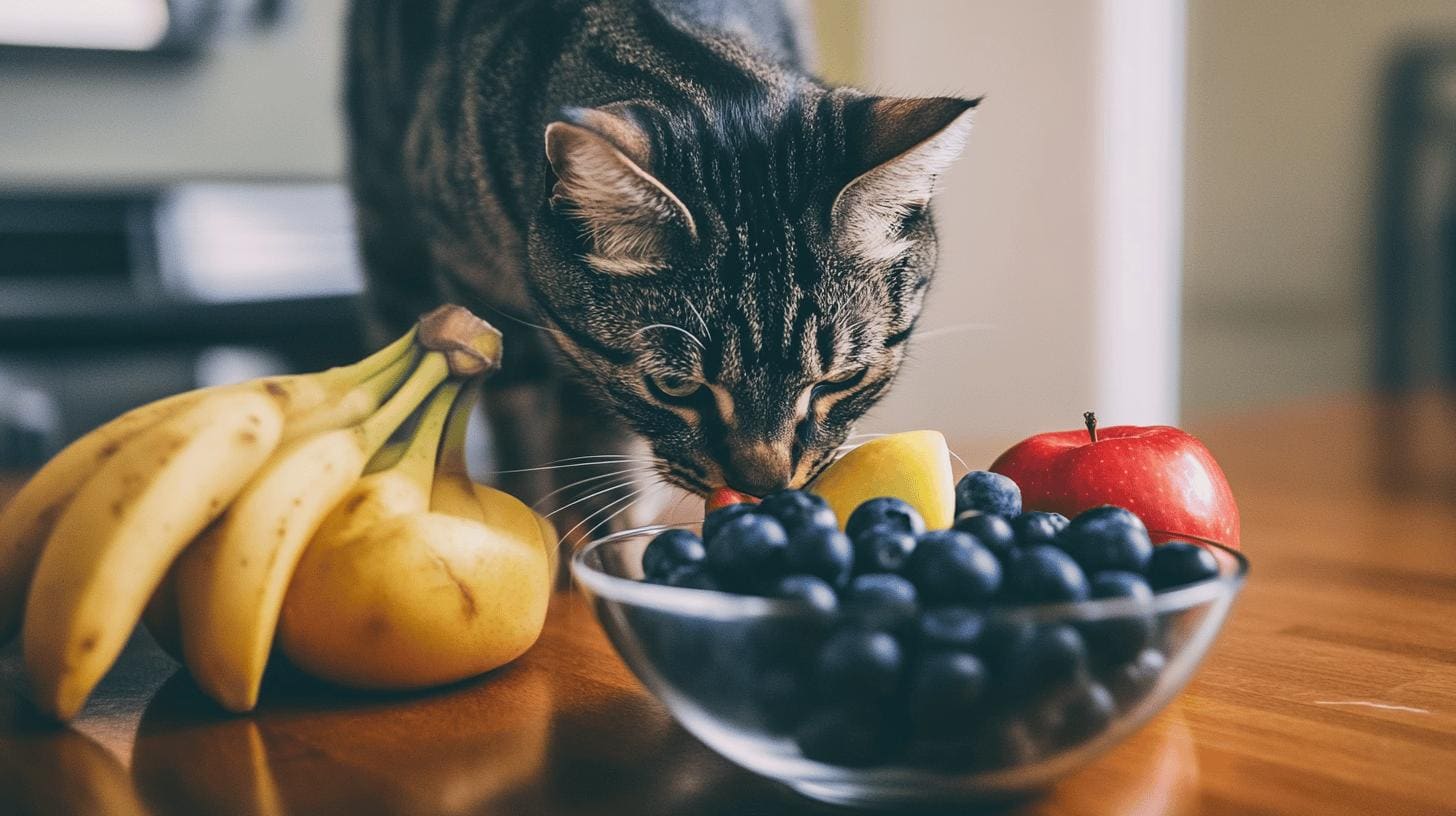
Cats generally aren't fans of fruits, thanks to a genetic mutation that means they can't taste sweetness. But that doesn't mean they can't enjoy some fruit-based snacks now and then. It's important to know which fruits are safe and healthy for your feline friend. Choosing the right fruits can provide a fun and nutritious treat without the risks associated with toxic options like grapes.
Here's a list of safe fruits for cats:
- Blueberries
- Apples (without seeds)
- Bananas
- Watermelon (seedless)
While these fruits can be a delightful snack, not all fruits are cat-friendly. It's best to steer clear of citrus fruits such as oranges, lemons, and limes. These can cause vomiting and diarrhea in cats, so it's wise to avoid them altogether.
When offering fruits to your cat, moderation is key. Start by introducing small amounts to see how they react. Always remove any seeds, rinds, or peels that might cause harm. Fruits should complement their regular diet, not replace it. Remember, the bulk of their nutrition should still come from high-quality cat food designed to meet their specific dietary needs.