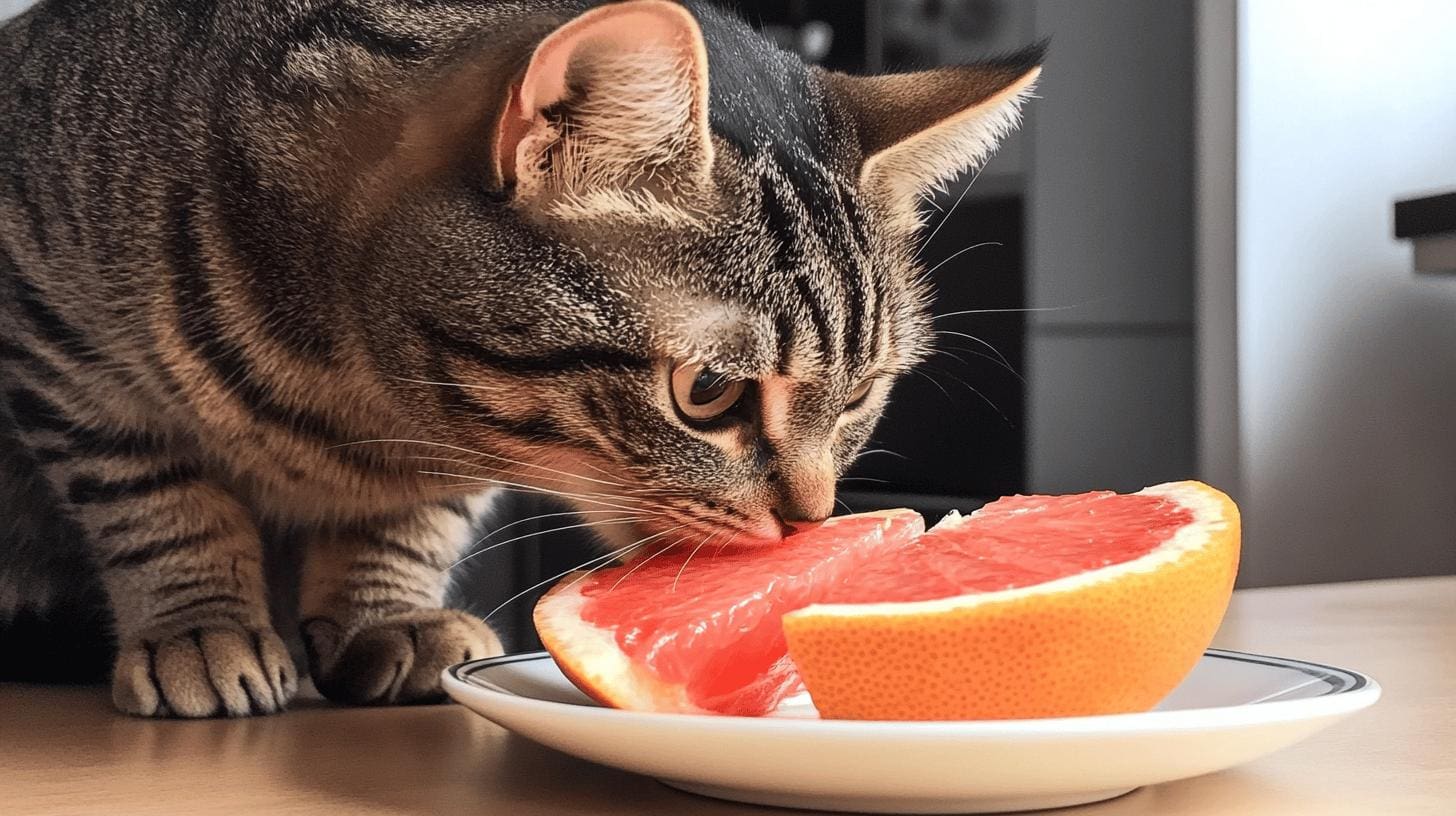
Can cats enjoy the tart taste of grapefruit, or is it a recipe for disaster? Many cat owners might be curious, but feeding grapefruit to your feline can lead to serious health risks. Packed with compounds like psoralens and essential oils, grapefruit can spell trouble for your cat’s well-being. Those substances lurk in every part of the fruit, making even a small taste dangerous. Understanding these risks is vital for any cat lover who wants to keep their pet safe and healthy. Let’s dive into what’s at stake and how to protect our furry friends.
Grapefruit Toxicity in Cats: Understanding the Risks
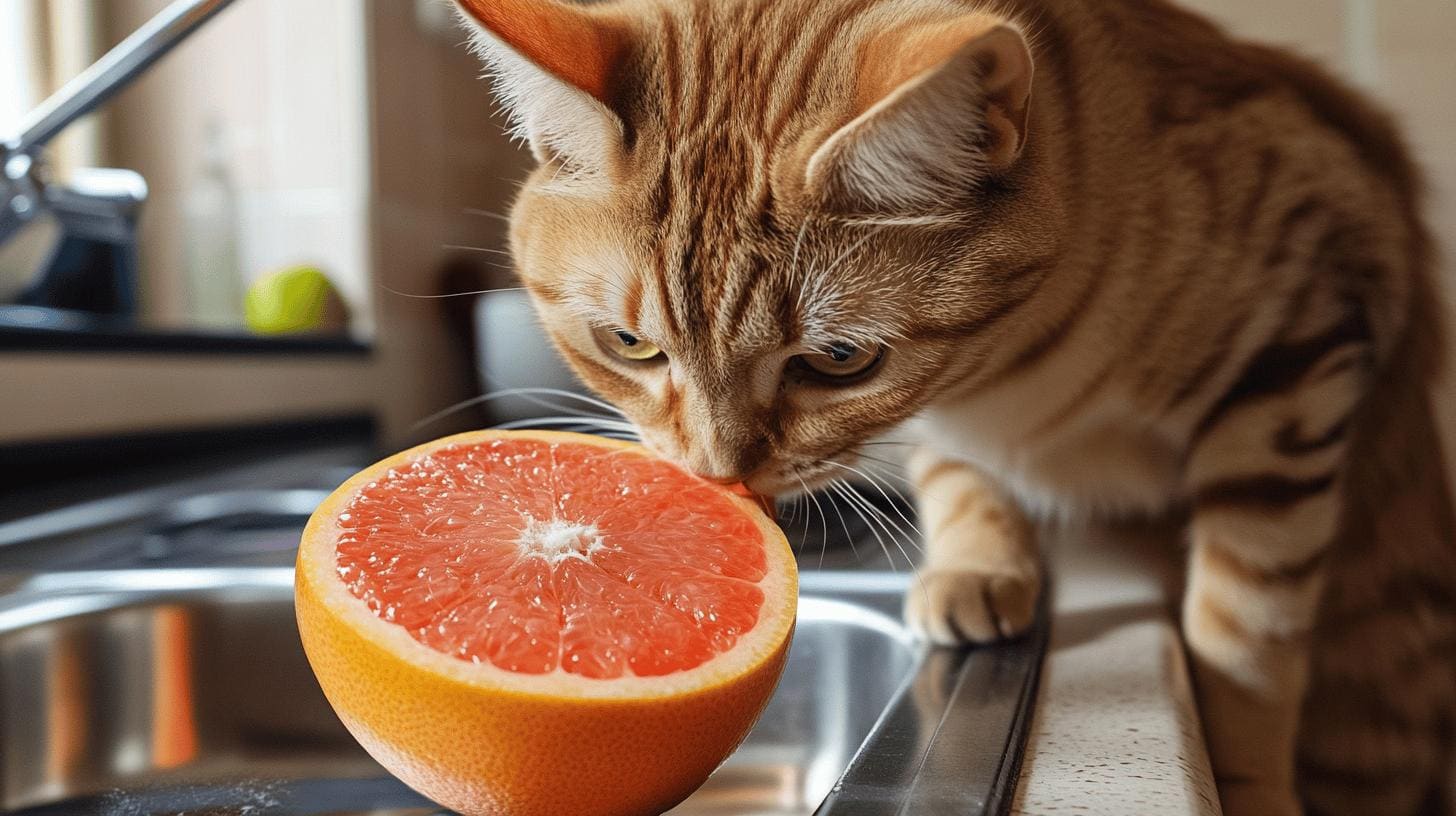
Grapefruit is toxic to cats, and it’s crucial for cat owners to understand the risks associated with this fruit. At the heart of grapefruit’s danger to our feline friends are compounds known as psoralens and essential oils. These substances are found throughout the fruit, including the peel, flesh, and seeds. When a cat ingests any part of a grapefruit, they are exposed to these toxic elements, which can lead to serious health issues. Even though many cats naturally avoid citrus fruits, accidental ingestion can occur, posing a significant threat to their well-being.
The symptoms of grapefruit poisoning in cats can be both varied and severe. Common signs include vomiting, diarrhea, and lethargy. Cats may also experience depression and stomach pain, which can be distressing for both the pet and the owner. In some cases, these symptoms can escalate, leading to more serious health complications. It’s not just the ingestion of the fruit itself that’s dangerous. Essential oils derived from grapefruit pose an additional risk, as cats can absorb these toxins through their skin or inhale them, leading to poisoning.
Citrus fruits, in general, are not safe for cats. The essential oils and compounds like psoralens found in grapefruits are also present in other citrus fruits, making them hazardous. Cats lack the liver enzymes necessary to metabolize these substances, which means they can’t safely process them like humans can. Therefore, it’s imperative to keep grapefruit and other citrus products out of your cat’s reach. This includes not only the fruits themselves but also products that contain citrus extracts or essential oils.
Preventing exposure to grapefruit is vital for ensuring your cat’s safety. Even though cats usually dislike the smell and taste of citrus, the risk of accidental ingestion or exposure to grapefruit products remains. Always be cautious when handling grapefruit around your pets and ensure that any food or products containing grapefruit are securely stored away. By understanding the dangers grapefruit poses and taking proactive measures, you can help protect your feline companion from these health risks.
What To Do If Your Cat Eats Grapefruit

If your cat has ingested grapefruit, it’s essential to act quickly. The citrus compounds in grapefruit, including psoralens and essential oils, can be toxic to cats. Even if your cat isn’t showing symptoms of grapefruit poisoning, such as vomiting or lethargy, you should contact a veterinarian immediately. Quick action can prevent more severe health problems and provide peace of mind knowing you’ve done everything possible to help your feline companion.
When you reach the veterinarian, they might suggest treatments like inducing vomiting to remove the grapefruit from your cat’s system. Medications may also be administered to counteract any toxins and alleviate symptoms. It’s vital to monitor your cat’s condition closely during this time, keeping an eye out for any changes in behavior or health. Ensuring your furry friend gets the care they need promptly can make a significant difference in their recovery.
Safer Alternatives: Fruits Cats Can Eat
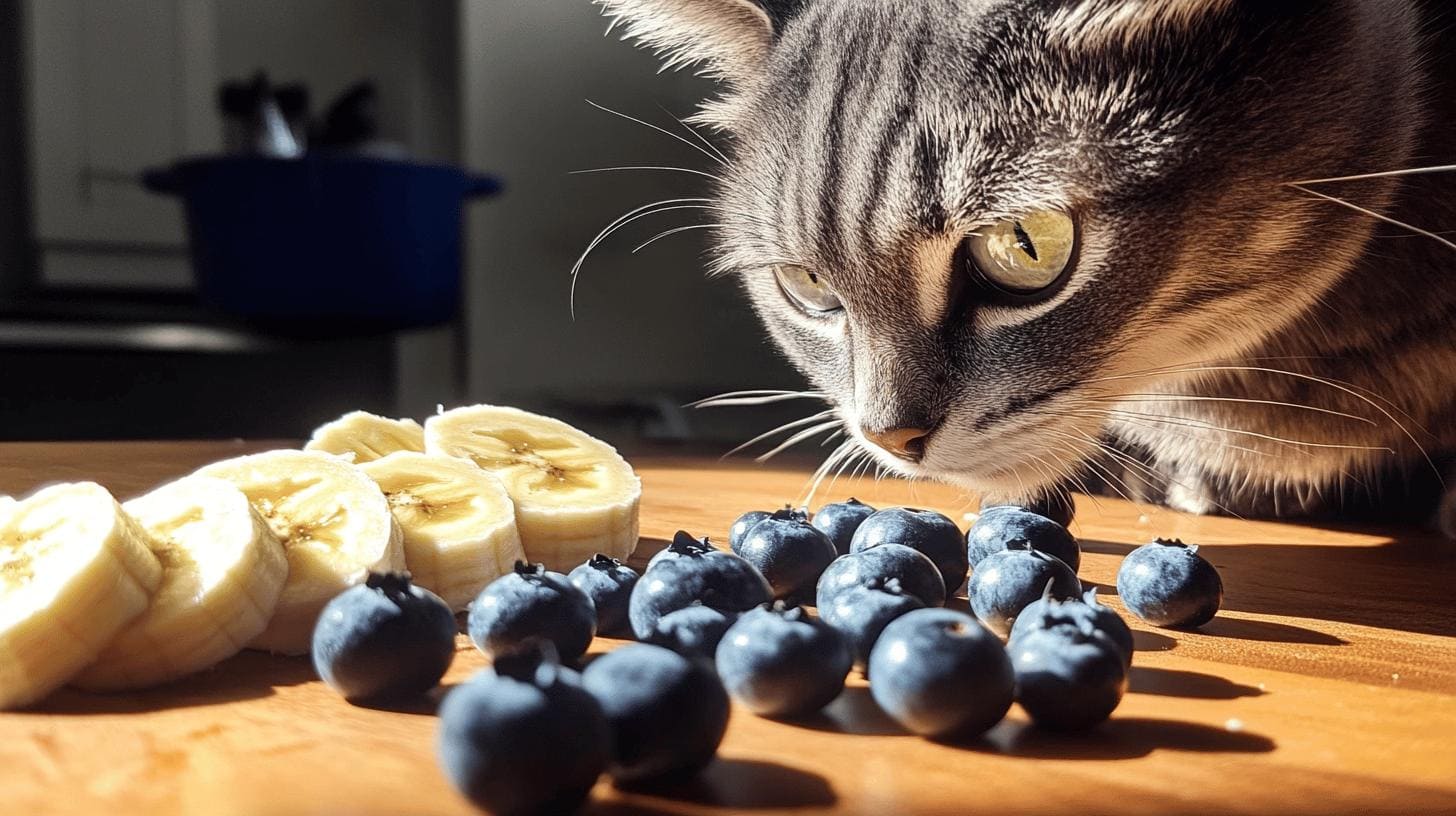
Cats are obligate carnivores, meaning their primary dietary needs are met through meat. However, small amounts of certain fruits can be given as occasional treats. These fruits should never replace their regular meals but can serve as a fun and healthy supplement. While they don’t require fruit, some cats enjoy the taste and texture, and it can be a way to add variety to their diet. It’s important to note that not all fruits are safe for cats, so choosing the right ones is crucial to avoid any health risks.
Before offering fruits to your cat, always remove any potentially harmful parts such as seeds, rinds, or pits. These components can be toxic or pose a choking hazard. Make sure to cut the fruit into small, manageable pieces that your cat can easily chew and swallow. Keep the portions small to prevent any digestive upset. Here are some safe fruit options you can offer:
- Strawberries
- Blueberries
- Bananas
- Apples (without seeds)
- Watermelon (seedless and without rind)
By following these guidelines, you can safely introduce a little fruity fun into your cat’s life.