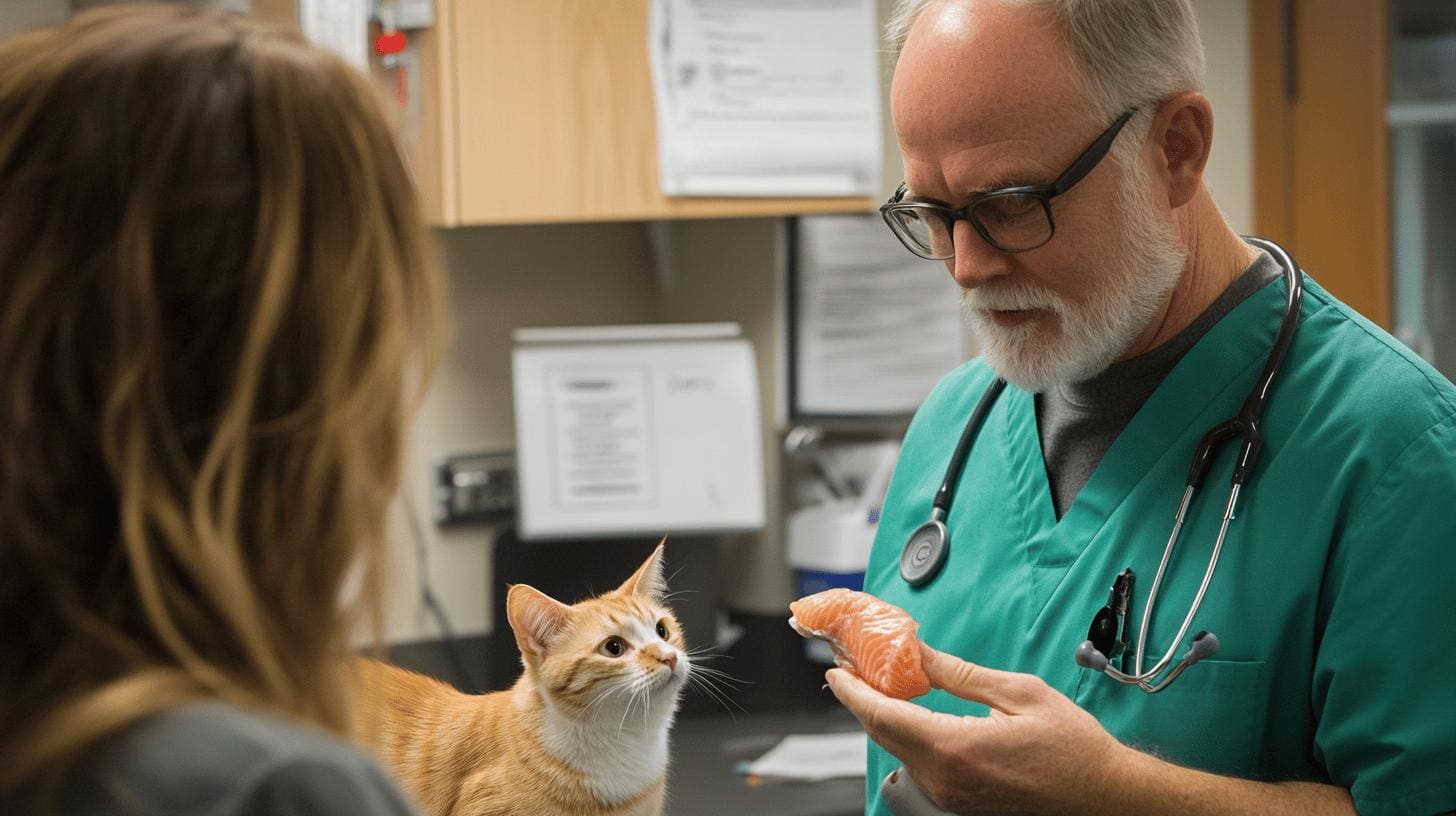
Is feeding your cat canned salmon a delicious treat or a potential risk? While our feline friends might love the taste of this fishy delight, it's important to consider the potential dangers hidden in that little can. Canned salmon often comes packed with sodium and other additives, which aren't always cat-friendly. Balancing the benefits of nutritious protein and omega-3s with the risks of toxic ingredients is key. Let's dive into what you need to know to keep your furry buddy safe, happy, and healthy when it comes to this tasty treat.
Comprehensive Guide to Canned Salmon Safety for Cats
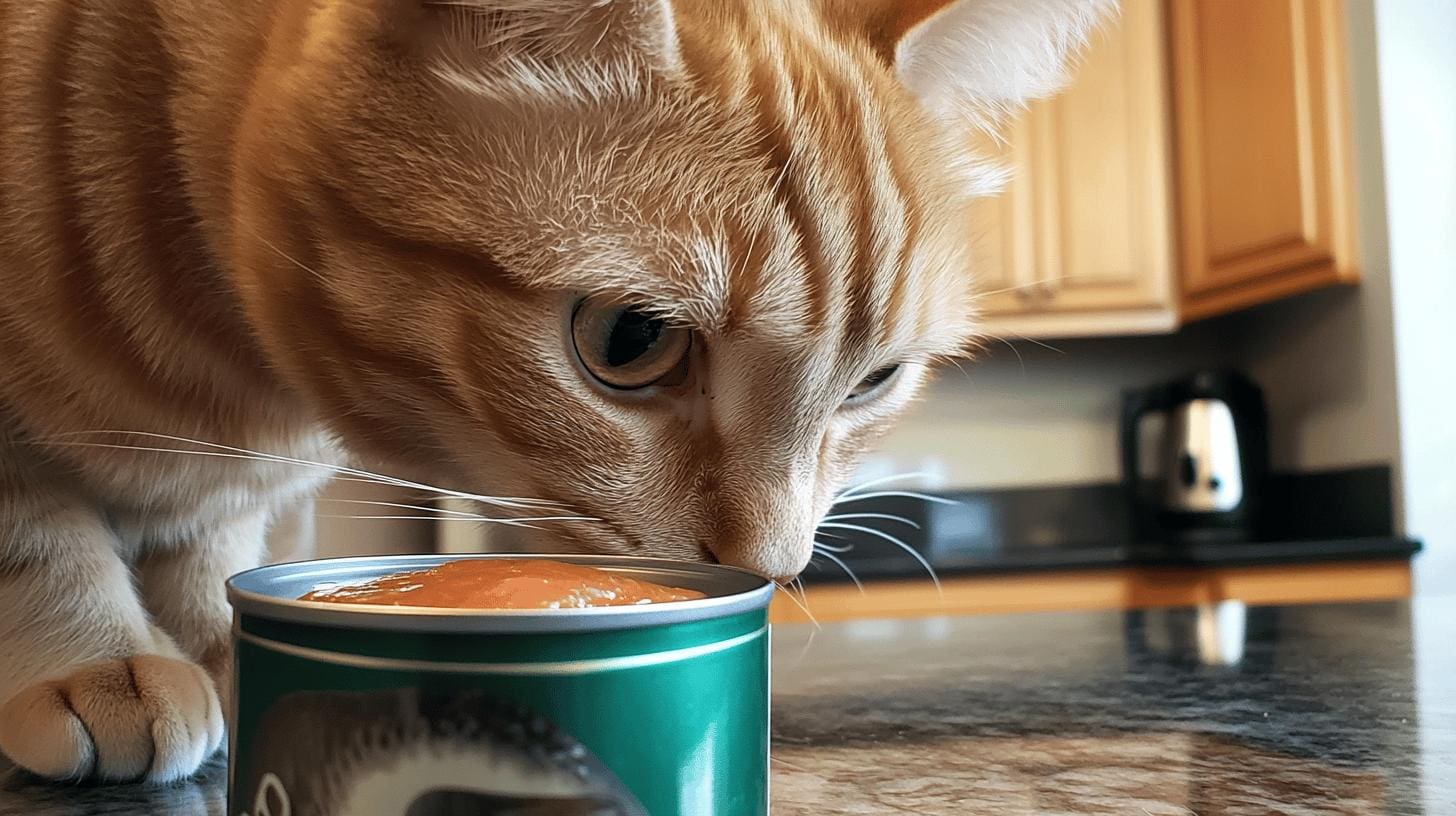
Cats can eat canned salmon, but it's not as simple as just opening a can and serving it. The first thing to consider is the sodium content. Canned salmon often contains high levels of sodium, which isn't ideal for our feline friends. Too much sodium can lead to health issues, so it's best to choose salmon packed in water without added salt or spices. Additionally, be wary of small bones that might still be present in the can. While salmon is a good source of protein and omega-3 fatty acids, providing benefits like improved brain function and a healthy coat, moderation is crucial. Just a small piece is enough to offer those benefits without the risks.
There are specific risks involved with feeding canned salmon to cats. Aside from the sodium content, canned salmon often contains preservatives and additives intended for human consumption. These can be harmful to cats if ingested regularly. Moreover, some cats might develop allergies to fish. It’s important to introduce any new food cautiously and observe your pet's reaction.
Symptoms of Fish Allergies in Cats
- Itching or scratching excessively
- Gastrointestinal upset, such as diarrhea or vomiting
- Swelling or hives
When feeding salmon to cats, moderation is the golden rule. A teaspoon-sized portion is typically sufficient as a treat. This helps prevent issues like obesity and pancreatitis, which can arise from overfeeding rich foods. Always prepare the salmon specifically for your cat, ensuring it's free from harmful ingredients. Removing any remaining bones is also vital to avoid choking hazards.
Monitoring your cat's health is essential when introducing canned salmon into their diet. Watch for any signs of allergies or digestive issues. Consulting with a veterinarian before making dietary changes is always a good idea. They can provide personalized advice based on your cat's health needs, ensuring that introducing salmon is a safe and positive experience for your feline companion.
Comparing Canned Salmon with Other Fish Options for Cats

Canned salmon is often chosen over tuna due to its lower mercury content. It offers omega-3 fatty acids, which are great for a cat's brain function and coat. But other fish options like sardines, mackerel, anchovies, and whitefish have their own merits. For instance, sardines and mackerel, when packed in water and unsalted, provide similar omega-3 benefits. Anchovies, if low in sodium, offer a tiny, nutrient-dense option. Whitefish is gentle on the stomach, ideal for sensitive cats. Each fish type has unique nutritional benefits, making them worthy alternatives.
Alternative Fish Options for Cats
- Sardines – Select water-packed versions free from added salt.
- Mackerel – Choose water-packed and ingredient-free options.
- Anchovies – Opt for those without salt to minimize sodium intake.
- Whitefish – A mild option, easy on digestion when prepared properly.
Nutritional Benefits of Salmon
- Rich in Omega-3 Fatty Acids: Supports brain function and reduces inflammation.
- High in Protein: Helps maintain muscle mass and overall health.
- Beneficial for Skin and Coat: Omega-3s contribute to a healthy, shiny coat.
- Digestibility: Easy for cats to digest, reducing the risk of stomach upset.
- Essential Nutrients: Provides vitamins like B12 and D, crucial for feline health.
Canned fish, including salmon, can be a nutritious addition to a cat's diet, acting as a supplement rather than a main course. Offering these as treats, while ensuring a balanced diet, helps prevent obesity and nutrient imbalances.