
Ever wondered if sharing a bite of your persimmon with your cat is a good idea? It’s a question many cat owners ask, and the answer might surprise you. While persimmons aren’t toxic to cats, offering them requires caution. In this article, we’ll dig into the safety and nutritional aspects of feeding persimmons to our whiskered friends. You’ll learn the potential benefits, the risks involved, and how to safely introduce this fruit to your cat. Whether you’re curious or concerned, read on to ensure a safe treat time!
Can Cats Eat Persimmons? Safety, Risks, and Nutritional Benefits
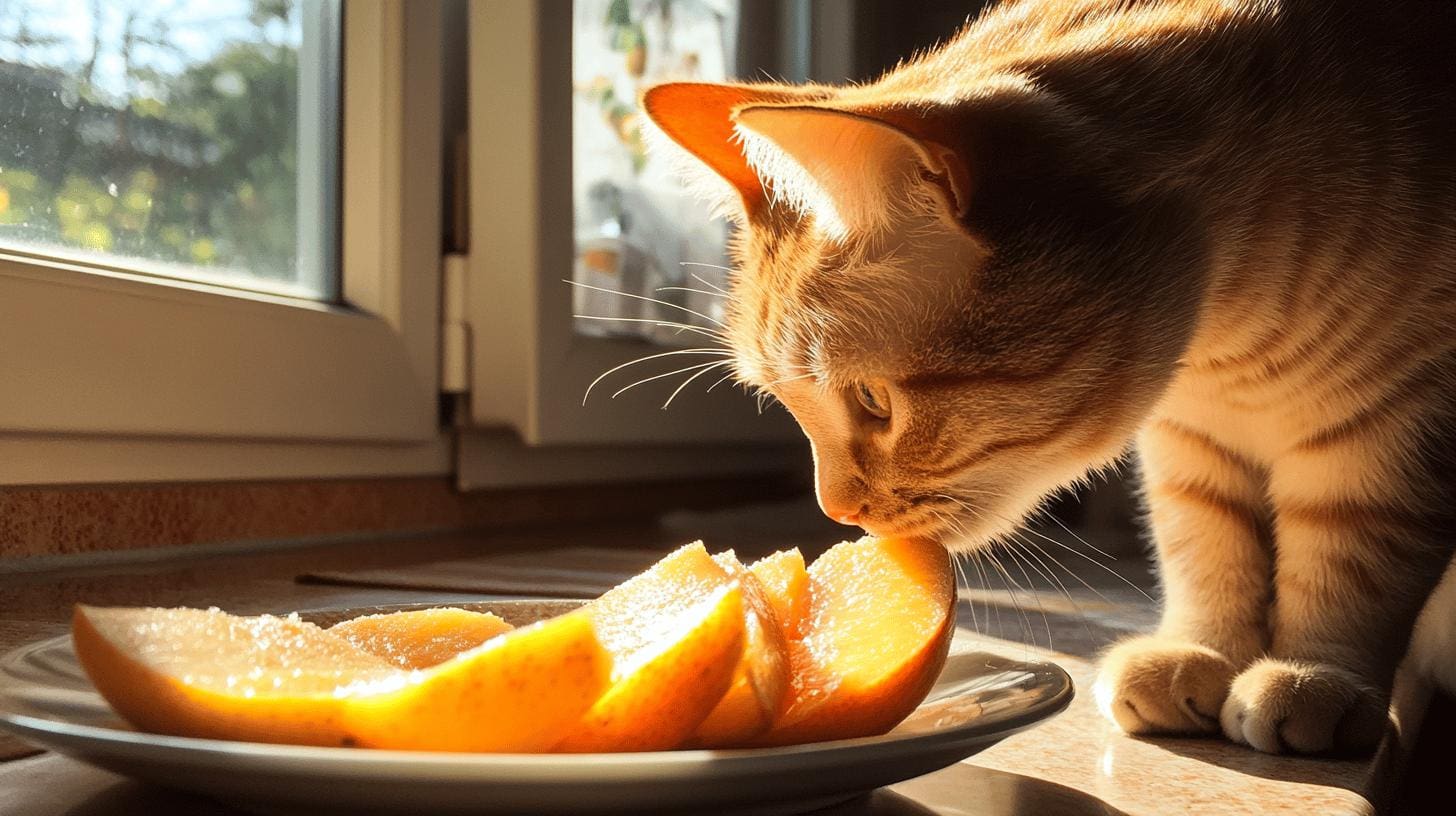
Persimmons are generally non-toxic to cats and can be offered as an occasional treat. However, it’s crucial to keep a few safety guidelines in mind. While the flesh of the fruit is safe, consuming large quantities can lead to gastrointestinal upset in our feline friends. The seeds, pits, and skin of persimmons should be strictly avoided, as they pose digestion issues and potential toxicity. Always remember that moderation is key when it comes to feline fruit consumption.
Persimmons are packed with nutritional benefits that can contribute positively to a cat’s diet when given in small amounts. They are rich in vitamins and antioxidants that provide several health boosts:
- Vitamin A: Supports vision and skin health.
- Vitamin C: Aids immune function.
- Fiber: Promotes healthy digestion.
- Antioxidants: Protect cells from damage and may have anti-inflammatory properties.
While these nutrients can be beneficial, it’s essential to remember that cats are obligate carnivores. Their digestive systems are primarily designed for protein-based diets, meaning they don’t extract as much nutritional value from fruits as humans do. Persimmons are high in sugar, which can lead to weight gain and other health issues if consumed excessively. Therefore, even though persimmons offer beneficial nutrients, they should never replace a balanced, protein-rich diet.
How to Safely Introduce Persimmons to Cats
If you’re considering introducing persimmons to your cat, start by ensuring that only the fruit’s flesh is offered. Remove all seeds, pits, and skin to prevent any potential health risks. Cut the fruit into small, manageable pieces that are easy for your cat to eat and digest.
Observe your cat for any adverse reactions when they try persimmons for the first time. Some cats may have allergies or sensitivities, so it’s important to monitor their behavior and health closely. If any signs of discomfort or allergic reactions occur, discontinue feeding persimmons immediately. Offering persimmons safely and in moderation can provide a delightful treat for your cat while contributing a small nutritional boost to their diet.
General Fruit Feeding Guidelines and Veterinary Advice
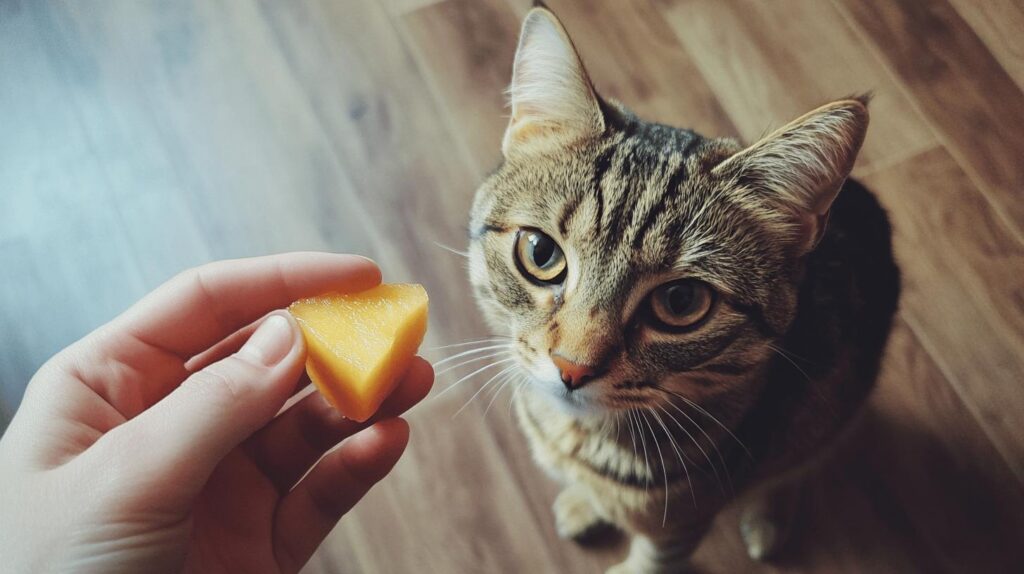
Cats can enjoy fruits as an occasional treat, but it’s essential to know which fruits are safe and how to offer them properly. Safe fruits for cats, when given in small amounts, can add variety and a touch of nutritional benefit to their diet. Here’s a list of fruits that are generally considered safe for felines:
- Blueberries: Packed with antioxidants and low in calories, blueberries can be a fun snack.
- Watermelon: High in water content, it can help with hydration, but remember to remove the seeds.
- Apples (without seeds): Rich in fiber and vitamin C, but make sure to peel and core them.
Just as there are fruits that cats can enjoy, there are others that should be strictly avoided due to their harmful effects. Grapes and raisins, for instance, can cause severe kidney damage, while citrus fruits like lemons, limes, and oranges can lead to digestive and neurological issues due to their toxic oils and compounds.
Moderation is crucial when it comes to feeding cats fruits. While fruits can be a healthy supplement, they should never replace a cat’s primary diet, which should be high in protein. Cats are obligate carnivores, meaning their systems are designed to derive essential nutrients from animal proteins. Overloading a cat’s diet with fruits, which are higher in sugars, can lead to weight gain and other health problems. Always ensure that any fruit offered is just a small part of their overall diet.
Importance of Veterinary Consultation
Whenever you’re considering introducing new foods to your pet’s diet, consulting with a veterinarian is crucial. Veterinarians have the expertise to provide dietary advice tailored to your cat’s specific needs. They can help you understand the potential impacts of adding fruits to your cat’s diet and advise on the best ways to integrate them safely.
Regular veterinary check-ups are not just for health monitoring but also essential for ensuring that dietary changes are not negatively affecting your cat. These check-ups allow your vet to observe any dietary impacts and make necessary adjustments to maintain balanced nutrition. Expert guidance from a vet ensures that your pet receives a safe and nutritious diet, enhancing their overall well-being. Always stay informed about pet safety by seeking advice from professionals who understand the intricate details of feline nutrition.