Can your furry friend safely nibble on a green onion? While you might assume that a small bite won't harm them, green onions pose a hidden threat to cats. Ingesting even a tiny amount can lead to severe health problems. The key danger comes from a compound called N-propyl disulfide, which can damage a cat's red blood cells. This blog post will uncover why green onions are unsafe for cats and how to keep them out of harm's way. Let's dive into the risks and signs of green onion toxicity in cats.
Can Cats Eat Green Onion Safely?
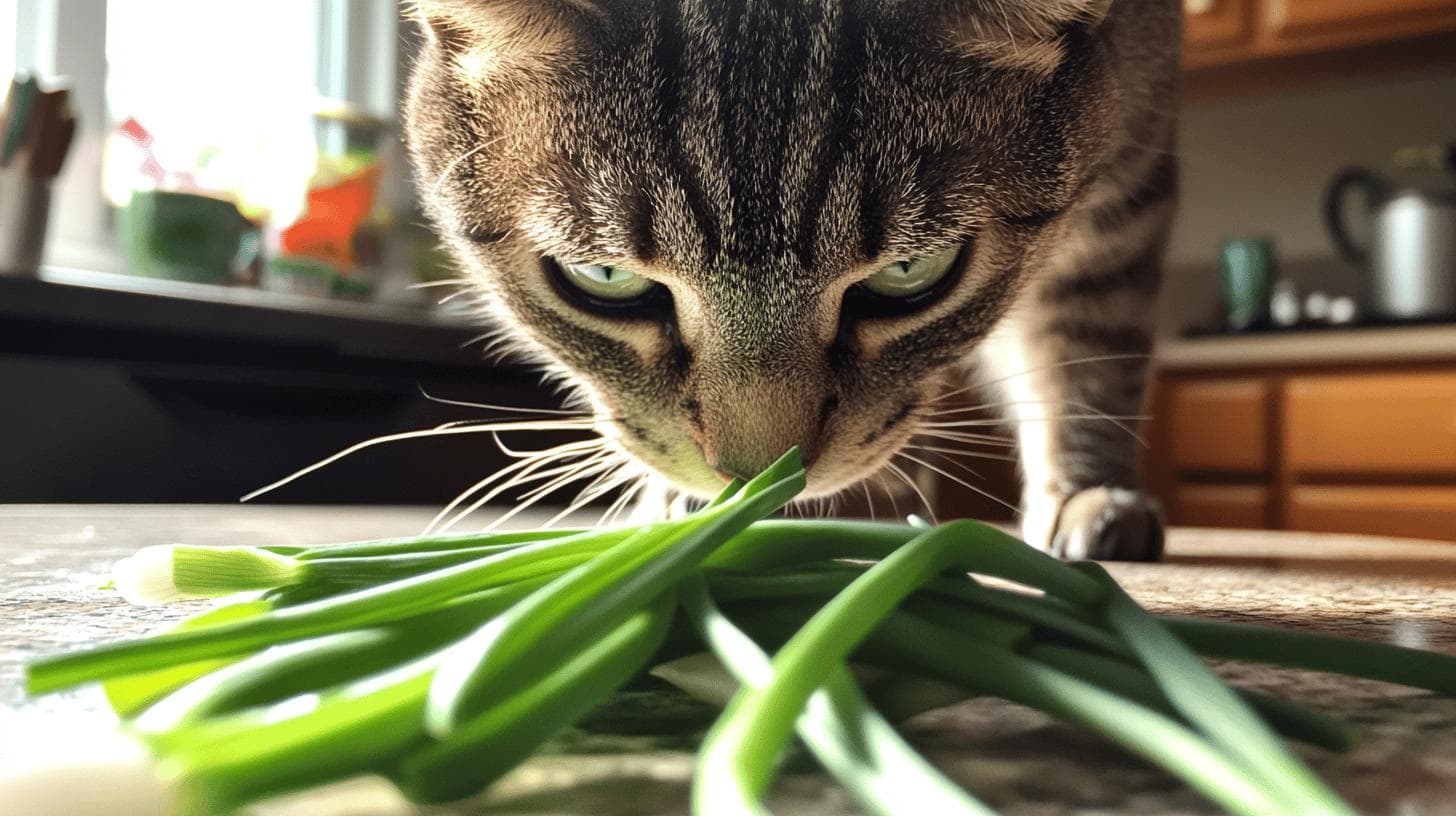
Green onions are highly toxic to cats and should never be part of their diet. The danger lies in a compound called N-propyl disulfide, which causes oxidative damage to a cat's red blood cells, leading to a condition known as hemolytic anemia.
When a cat ingests any form of onion, the N-propyl disulfide interferes with the oxygen-carrying capacity of their red blood cells. This results in the destruction of these cells, severely affecting the cat's ability to circulate oxygen throughout their body. The damage may not be immediate, but it can lead to serious health issues if not addressed promptly.
Here's a list of onion forms that are harmful to cats:
- Raw onions
- Cooked onions
- Onion powder
- Dried onions
- Freeze-dried onions
The risks associated with green onion ingestion are significant. Even a small amount can be dangerous, leading to life-threatening anemia. It's crucial to keep all forms of onions away from your cat to prevent accidental ingestion. Always be vigilant about what your cat might have access to, ensuring that their environment is free from such toxic substances.
Symptoms of Green Onion Toxicity in Cats
When a cat ingests green onions, the symptoms of toxicity might not show up immediately. They can appear as soon as 12 hours after ingestion, but sometimes take up to five days. This timeline makes it crucial to monitor your cat closely if you suspect they have consumed any form of onion. Once symptoms begin, they can escalate quickly, leading to more serious health issues.
Common symptoms of green onion poisoning in cats include:
- Vomiting
- Diarrhea
- Lethargy
- Pale gums
- Rapid breathing
- Collapse
These symptoms can vary greatly depending on the amount of onion consumed and the individual sensitivity of the cat. Some cats might show only mild signs, while others could experience severe reactions. The variability in symptoms underscores the importance of prompt veterinary care, as even small amounts can lead to significant health problems. If your cat demonstrates any of these symptoms, especially after potential exposure to onions, it's essential to seek medical advice immediately. Monitoring your cat's health and maintaining awareness of their symptoms can make a significant difference in their recovery.
What to Do if Your Cat Eats Green Onion
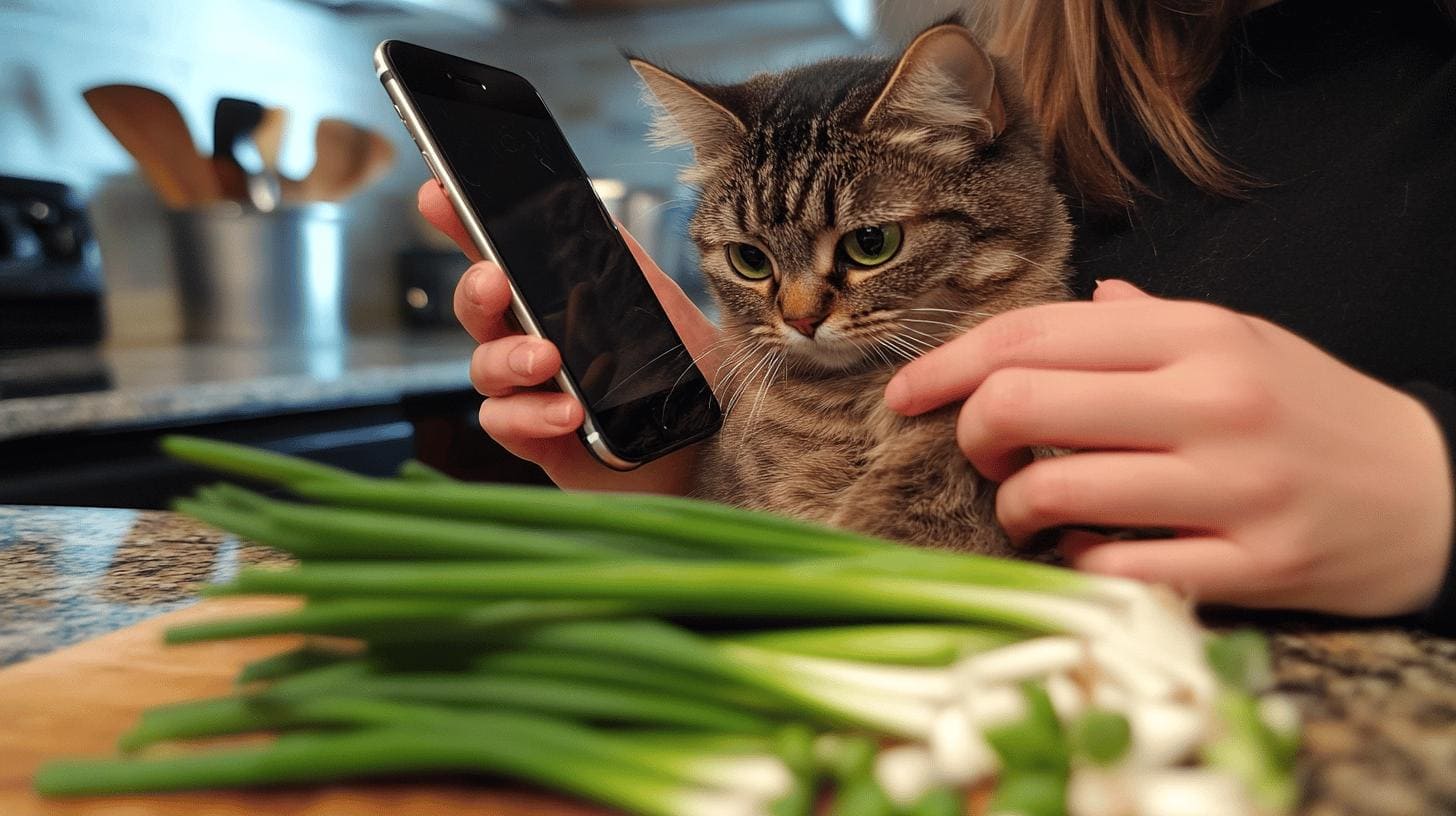
If you suspect your cat has eaten green onion, it's crucial to act quickly. Immediate veterinary care is essential, as onion ingestion can lead to serious health issues like hemolytic anemia. The sooner you contact a veterinarian, the better the chances of a positive outcome for your furry friend. Delaying treatment can lead to more severe symptoms and complications.
Here are the steps you should take if your cat ingests green onion:
- Secure the Source: Remove any remaining onion from your cat's reach to prevent further ingestion.
- Contact a Veterinarian: Call your vet immediately to discuss the situation and get advice on the next steps.
- Do Not Induce Vomiting: Unless specifically advised by your vet, do not attempt to make your cat vomit, as it could cause more harm.
- Monitor Your Cat: Keep a close eye on your cat's behavior and look for symptoms like vomiting, lethargy, or rapid breathing.
- Prepare for a Vet Visit: Be ready to take your cat to the veterinary clinic for treatment if advised.
Veterinary treatment for onion poisoning may involve several approaches. Your vet might induce vomiting or administer activated charcoal to limit toxin absorption. In more severe cases, treatments such as intravenous fluids, blood transfusions, and supplemental oxygen might be necessary. These procedures are critical for managing the symptoms and supporting your cat's recovery. Always rely on professional veterinary care to ensure the best possible outcome.