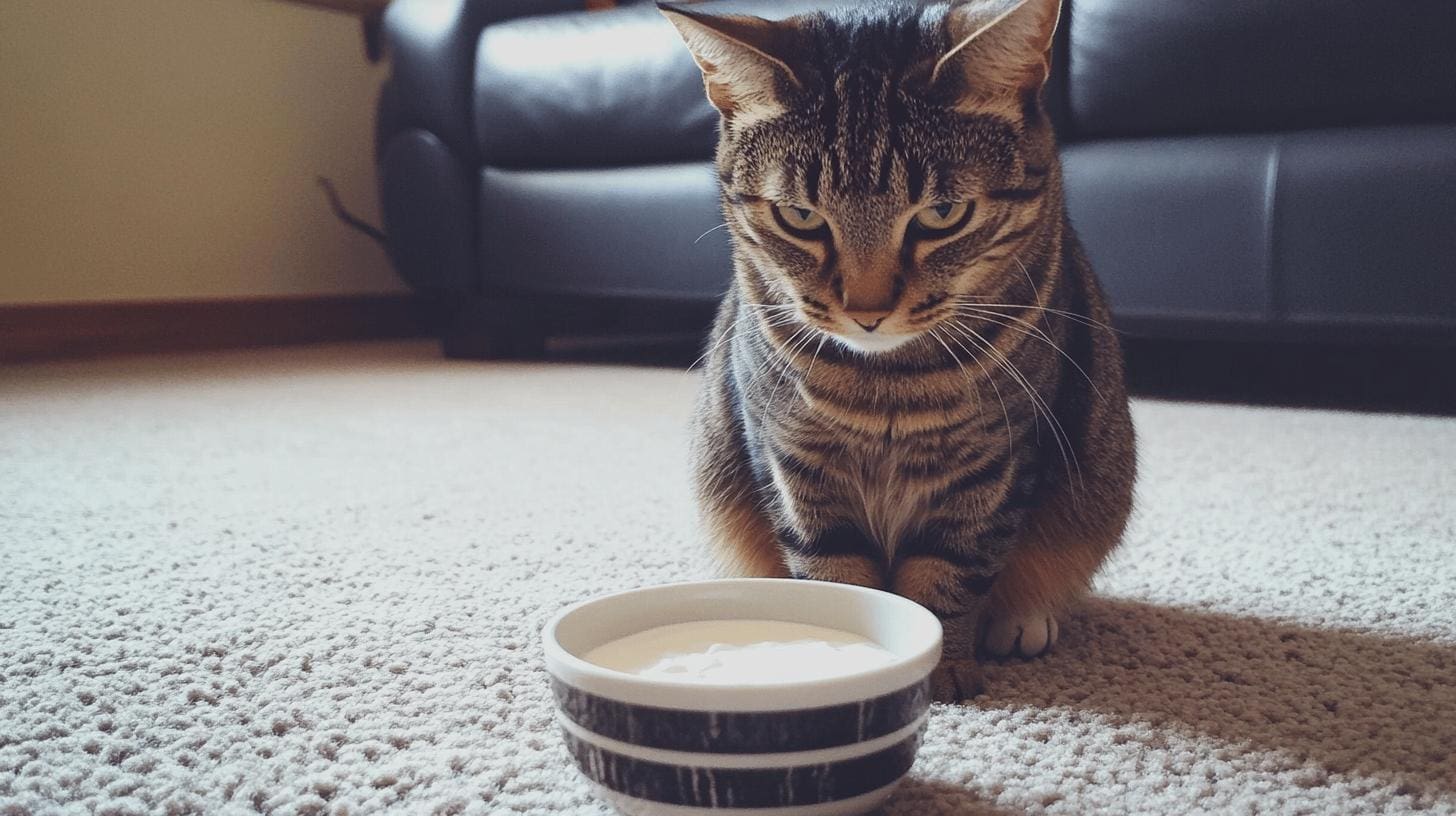
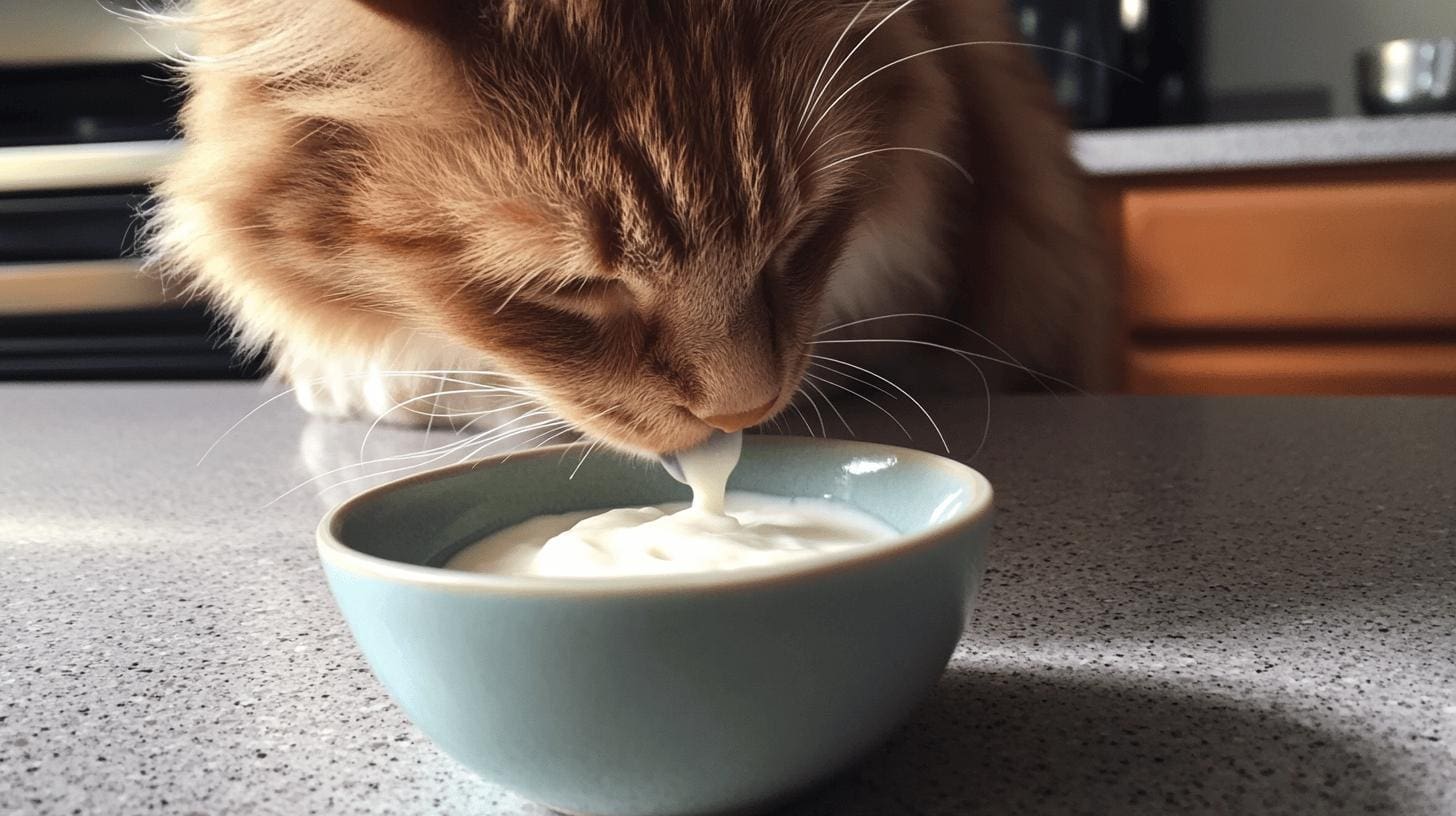
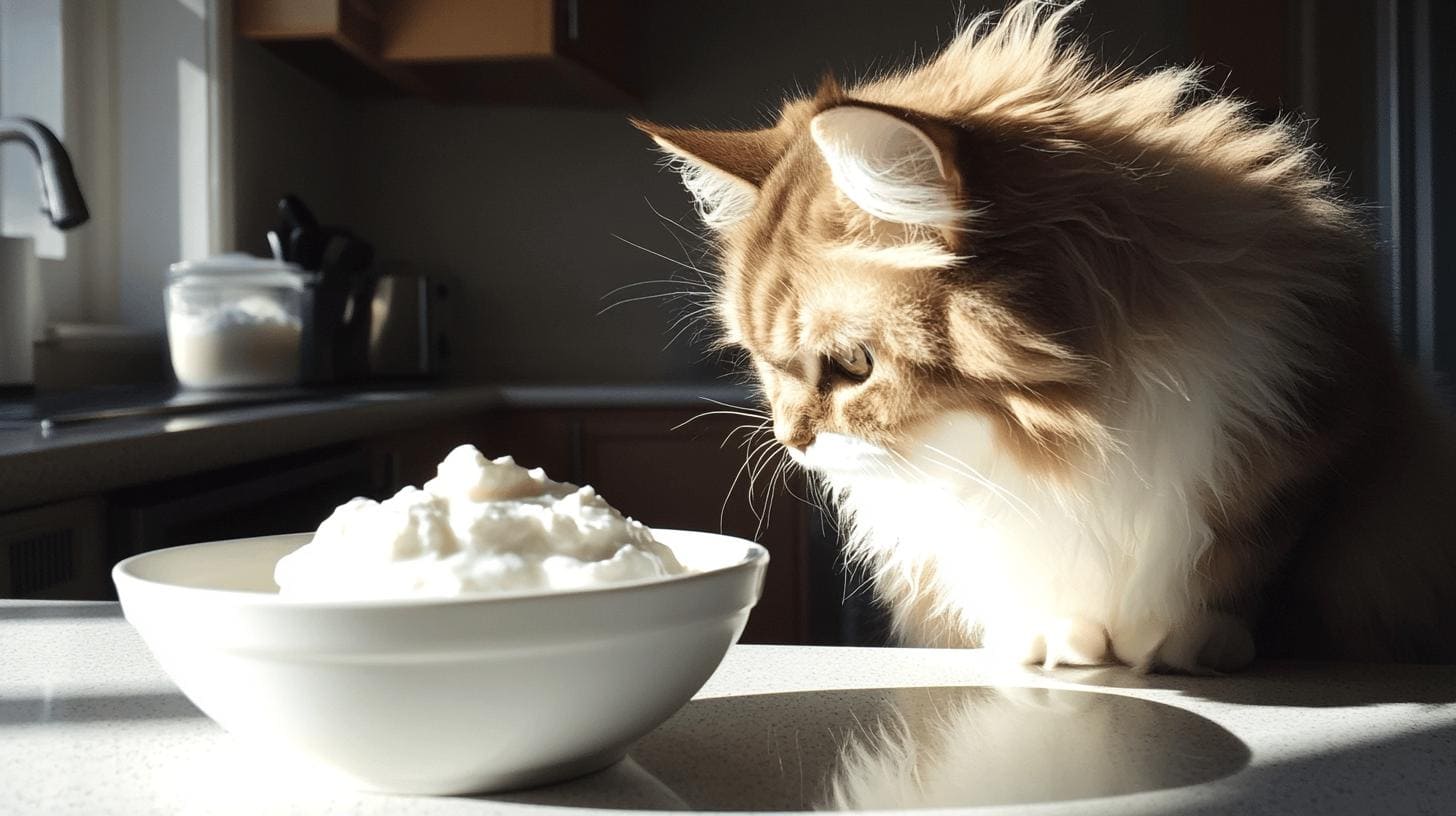
Can cats enjoy the tangy taste of kefir without any worries? As a cat lover, you might find yourself asking this very question. Kefir, the fermented milk drink bursting with probiotics, is often hailed for its health benefits in humans. But what about our furry friends? In this blog post, we’ll explore whether kefir is safe for cats and uncover the possible health advantages it can offer. Understanding the ins and outs of introducing kefir to your kitty’s diet could lead to a happier, healthier feline. Let's dive into the details!
Can Cats Safely Eat Kefir?
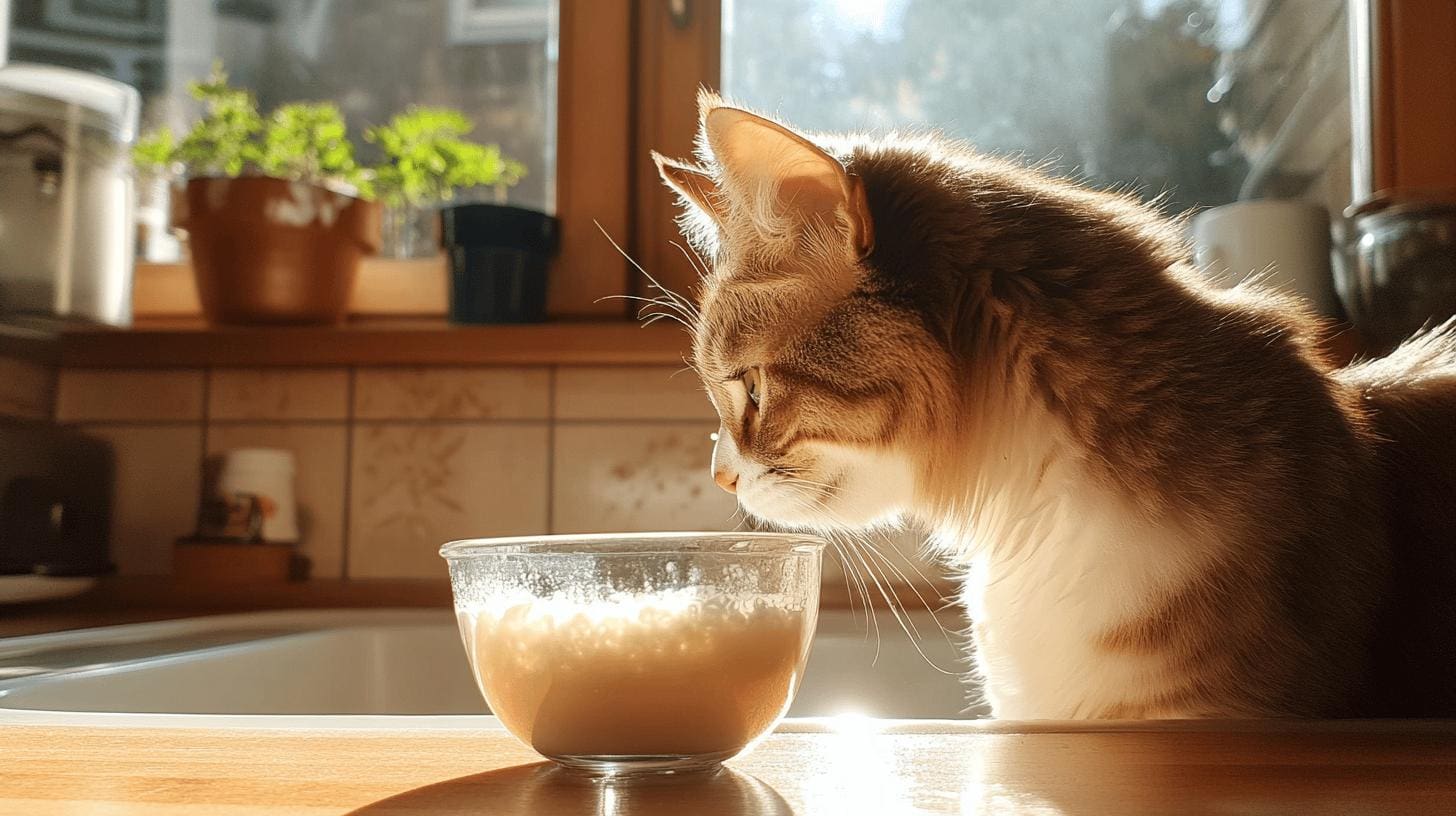
Kefir is a fermented milk drink rich in probiotics that support digestive health. It's generally considered safe for pets, including cats. The beneficial bacteria in kefir can help maintain a healthy gut, which is essential for overall wellbeing. While kefir is safe, it's crucial to ensure that it's plain and unsweetened, as added sugars and flavors can be harmful to cats.
Introducing kefir to a cat's diet should be done slowly and with care. Start with a small amount to allow their digestive system to adjust. Gradually increase the amount over time if no adverse reactions occur. This approach helps prevent digestive upset such as diarrhea or loose stools, which can happen if kefir is introduced too quickly.
Consulting a veterinarian before adding kefir to your cat's diet is always a good idea. A vet can provide personalized advice based on your cat's health needs and history, ensuring the dietary change is safe and beneficial. This step is essential to avoid potential health risks and to tailor the introduction of kefir to your cat's specific requirements.
Health Benefits of Kefir for Cats
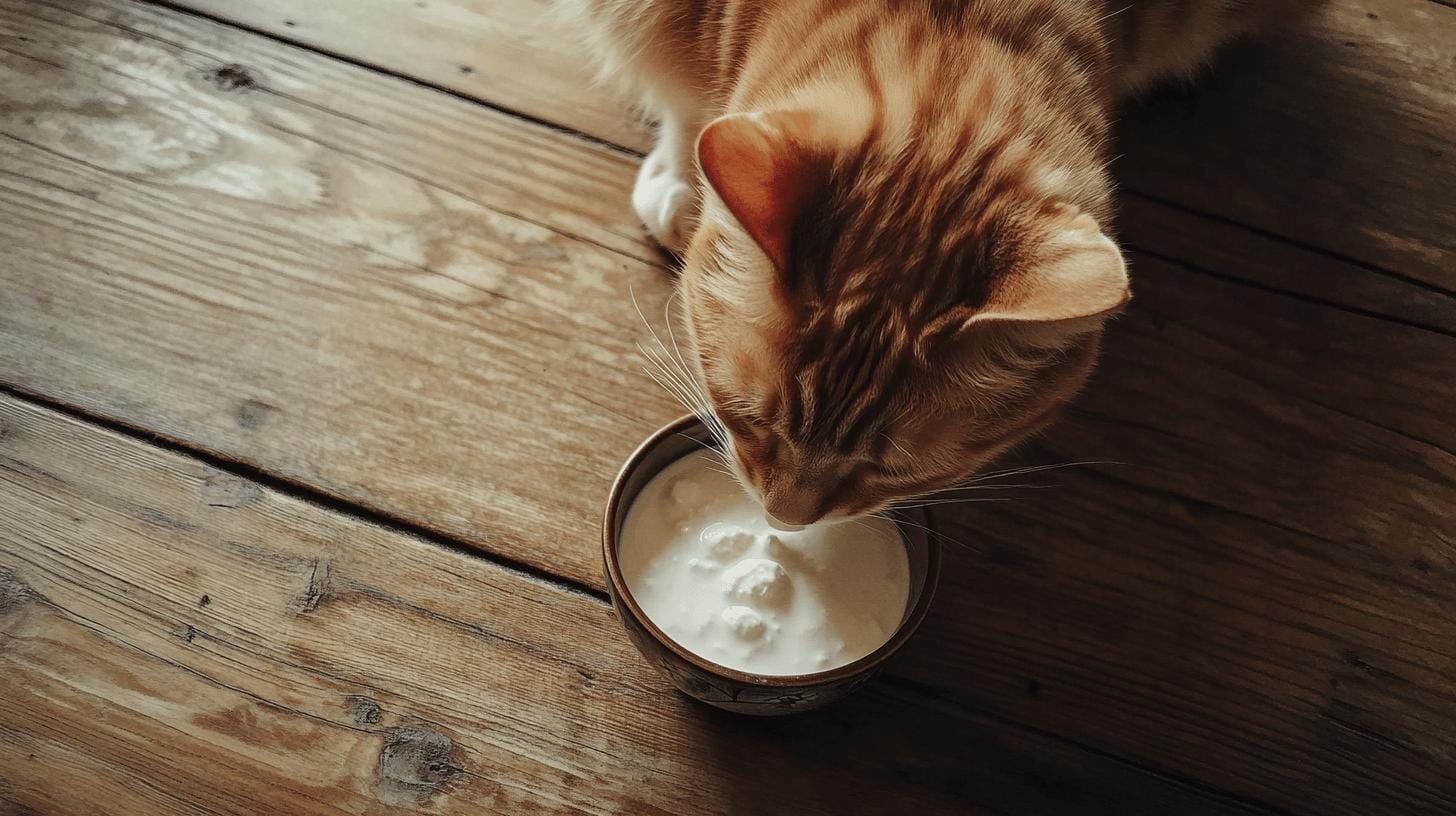
Kefir is packed with probiotics, including beneficial strains like Bifidobacteria species, which play a crucial role in a cat's digestive health. These probiotics help maintain a balance of good bacteria in the gut, aiding in digestion and nutrient absorption. By promoting a healthy gut flora, kefir can support your feline friend's immune function, crucial since a significant portion of the immune system is located in the digestive tract. Cats that consume kefir may enjoy a more balanced digestive system, reducing common issues like constipation or diarrhea.
Here are some specific potential health benefits for cats consuming kefir:
- Improved Digestion: Kefir's probiotics can help break down food more efficiently.
- Enhanced Immune Support: A healthy gut contributes to a stronger immune system.
- Reduction in Allergies: Probiotics may help lessen allergy symptoms by regulating the immune response.
- Better Nutrient Absorption: With improved digestion, cats can absorb nutrients more effectively.
- Healthier Skin and Coat: The nutrients and probiotics in kefir can contribute to a shinier coat and healthier skin.
The introduction of these probiotics into your cat's diet can enhance their overall health, making them more resilient to illness and stress. By maintaining a healthy balance of gut bacteria, kefir supports various bodily functions, leading to a happier and more energetic cat. Remember, the gradual introduction of kefir ensures that these benefits are maximized without upsetting their delicate digestive system.
Practical Guidelines for Incorporating Kefir into Your Cat's Diet
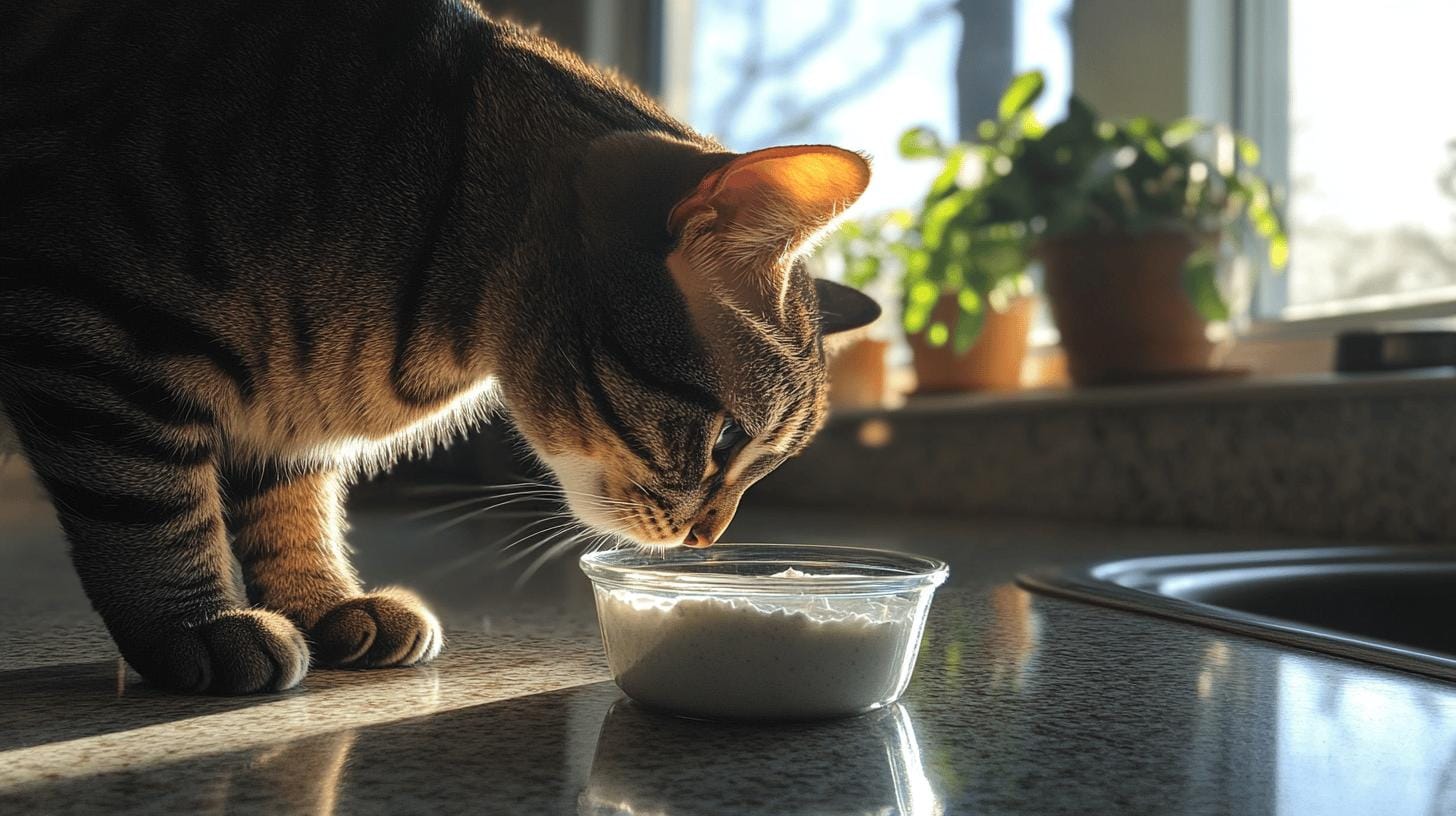
Introducing kefir to your cat's diet can be beneficial, but it needs to be done carefully. Start with a small trace amount and observe your cat for any digestive issues like diarrhea. If your cat tolerates it well, gradually increase the amount. This gradual introduction helps the cat's digestive system adjust, minimizing the risk of stomach troubles. You can serve kefir as a food topper or offer it as a standalone treat. Always make sure the kefir is plain and unsweetened to avoid harmful additives.
| Amount | Frequency |
|---|---|
| Trace Amount | Every Other Day |
| 1/4 Teaspoon | Daily |
| 1 Teaspoon | Daily, if tolerated |
Homemade kefir is the best choice for your cat, as it avoids the added sugars and flavors often found in commercial products. These additives can be harmful to cats and negate the health benefits of the probiotics. By making kefir at home, you control the ingredients, ensuring a pure and healthy treat. This not only benefits your cat's digestion but also supports their overall health with a natural probiotic boost. Store the kefir properly and introduce it to your cat's diet in moderation for optimal results.