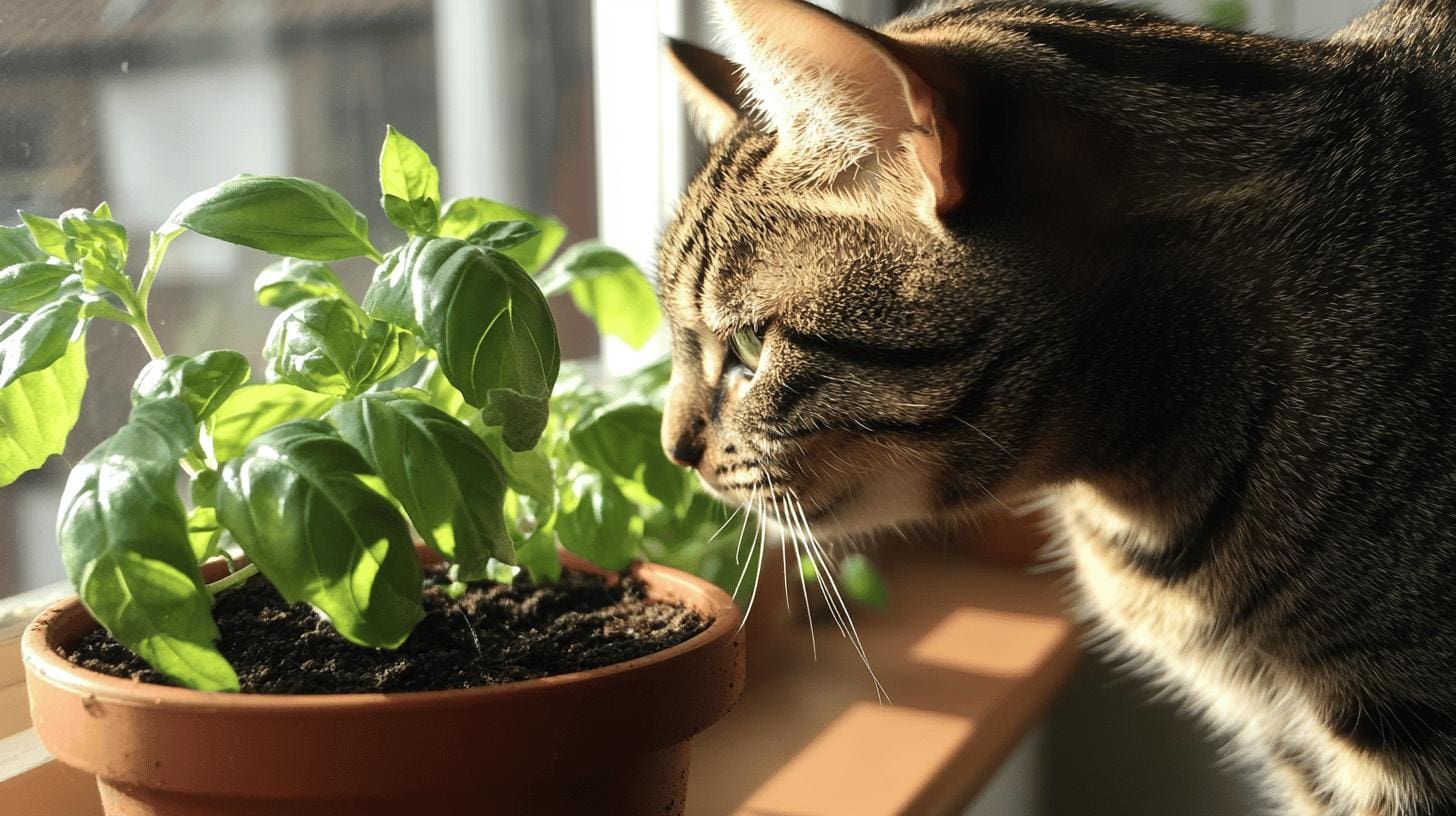
Can your curious cat nibble on oregano without a hitch? This common kitchen herb adds flavor to your pasta, but it's not so kind to your feline friend. Oregano contains oils that can make your cat seriously sick. From tummy troubles to long-term liver damage, the effects are dangerous. Whether fresh or dried, every part of the plant spells trouble for cats. In this article, I'll explore why keeping oregano out of your cat's reach is crucial and share what steps to take if your cat takes a bite.
Oregano and Its Effects on Cats
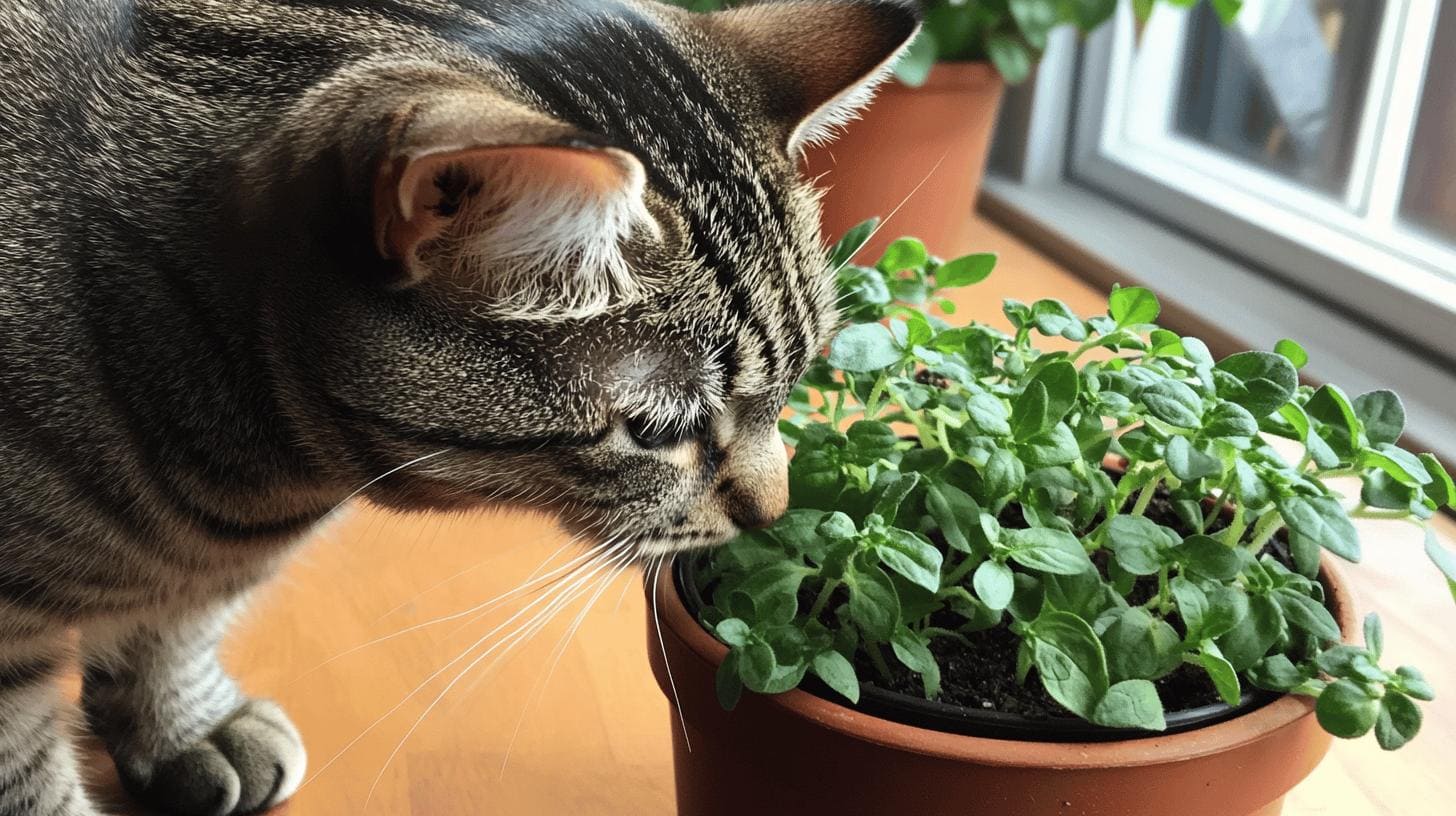
Oregano might be a staple in our kitchens, but it's not a safe choice for our feline friends. Cats should not eat oregano because it contains toxic oils that can upset their stomach and potentially cause severe health issues. The ASPCA notes that all parts of the oregano plant are harmful to cats, whether fresh, dried, or as an essential oil, with oregano oil being the most dangerous.
Toxic Parts of Oregano and Immediate Health Effects
- Fresh Leaves: Can cause gastrointestinal irritation.
- Dried Leaves: Still contain toxic oils harmful to cats.
- Stems: Chewing can lead to mouth irritation.
- Flowers: Also toxic and can induce vomiting.
- Essential Oil: The most harmful, leading to severe symptoms.
Long-term exposure or ingestion of oregano in significant amounts can result in irreversible liver damage. The toxic oils in oregano can overwhelm a cat's liver, leading to chronic health issues. Over time, this can impair liver function, making it difficult for the body to filter out toxins, which can be life-threatening without intervention.
Common Gastrointestinal Symptoms
- Vomiting: Frequent vomiting may occur.
- Diarrhea: Loose stools can be a sign of ingestion.
- Loss of Appetite: A cat may refuse to eat.
- Mouth Irritation: Spicy oils can cause discomfort.
Oregano isn't the only herb to watch out for. Many common cooking herbs, such as garlic and onions, are also toxic to cats. To prevent any health issues, it's crucial to keep oregano and other harmful herbs out of reach. If your cat is exposed to oregano, consult with a veterinarian promptly to ensure their health and safety.
What to Do If Your Cat Eats Oregano
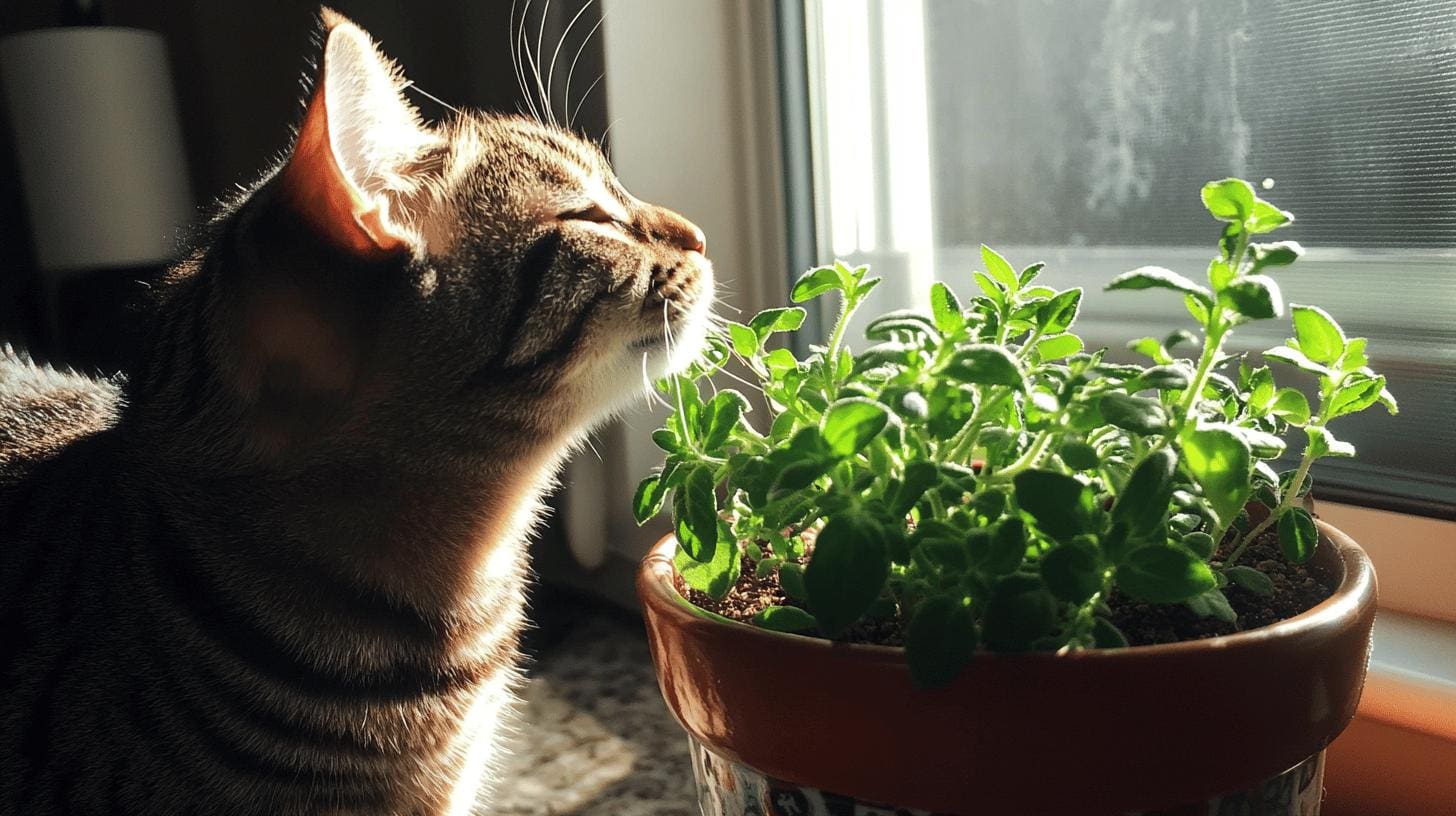
Quick action is crucial if your cat ingests oregano. Since oregano is toxic to cats, it's essential to address the situation promptly to prevent serious health issues.
-
Monitor Your Cat: Keep a close eye on your cat for any signs of distress, such as vomiting or diarrhea.
-
Remove Access: Ensure your cat cannot reach any more oregano or other toxic substances.
-
Contact a Veterinarian: Call your vet immediately for advice. They may recommend bringing your cat in for an examination.
-
Avoid Home Remedies: Do not attempt any treatments at home without professional guidance, as this may worsen the situation.
-
Follow Veterinary Instructions: Adhere to any recommendations or treatments your vet provides.
Preventing future incidents is equally important. Keep all herbs, especially oregano, out of your cat's reach. Consider using secure storage methods for cooking ingredients. Always consult with your veterinarian before introducing any new herbs or foods into your pet's environment. This proactive approach helps ensure your cat's safety and well-being.