Ever wondered if lamb meat might be a healthy addition to your cat’s menu? You’re not alone! Many cat owners are curious about this lesser-known protein source. Lamb is rich in protein and can be a tasty treat for your feline friend, especially if they have sensitivities to more common meats like chicken. But, there’s a catch—too much lamb can upset their tummy due to its high fat content. Let’s explore how to serve lamb safely, ensuring your cat enjoys a delicious yet balanced diet.
Can Cats Safely Consume Lamb Meat?
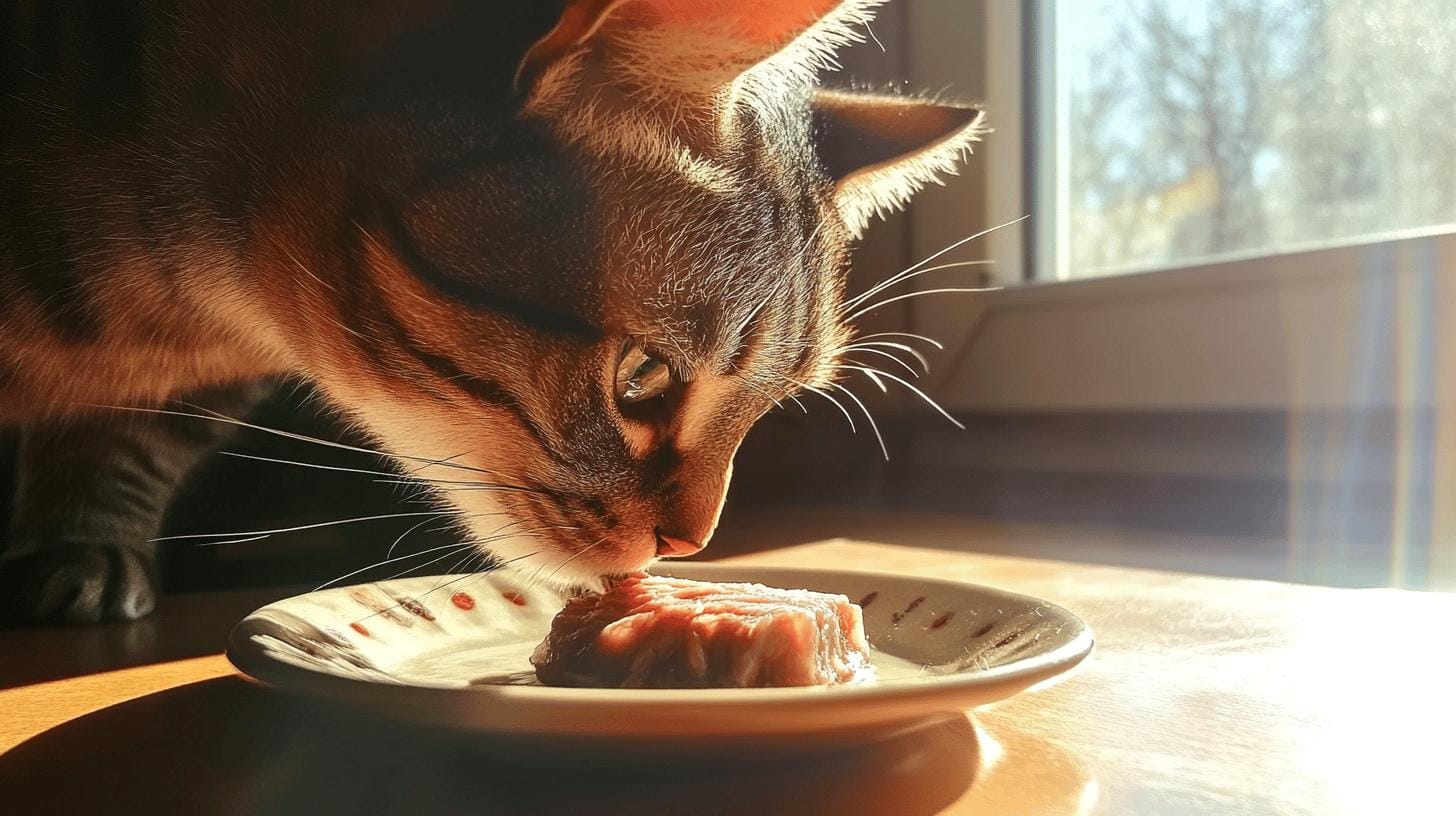
Cats can enjoy lamb meat as an occasional treat, but moderation is key to ensuring their health and well-being. Plain, cooked lamb is a good source of animal protein and can be beneficial for cats, especially those with allergies to more common proteins like poultry. However, lamb is high in fat, which means it shouldn’t be a staple in your cat’s diet. It’s best offered in small portions, about once or twice a week, to avoid any dietary imbalances.
While lamb is included in some commercial cat foods, it’s important to take precautions when feeding it directly to your feline friend. The high fat content in lamb can lead to weight gain or digestive issues if given too frequently or in large amounts. Always ensure the lamb is fully cooked to prevent any potential health risks from bacteria or parasites that might be present in raw meat.
Here are some potential risks and precautions when feeding lamb to cats:
- High Fat Content: Can lead to obesity and digestive problems if consumed too often.
- Bones: Ensure lamb is boneless to avoid choking hazards and damage to the digestive tract.
- Seasonings: Avoid seasoned lamb, as ingredients like onion and garlic are toxic to cats.
- Portion Size: Keep portions small to prevent dietary imbalances.
- Allergic Reactions: Monitor your cat for any signs of allergies when introducing lamb.
Experts recommend keeping lamb as an occasional treat rather than a regular dietary component. Monitoring your cat’s health and weight is crucial when introducing any new food into their diet. Consulting with a veterinarian can provide additional guidance tailored to your cat’s specific health needs and dietary requirements.
Nutritional Benefits of Lamb for Cats
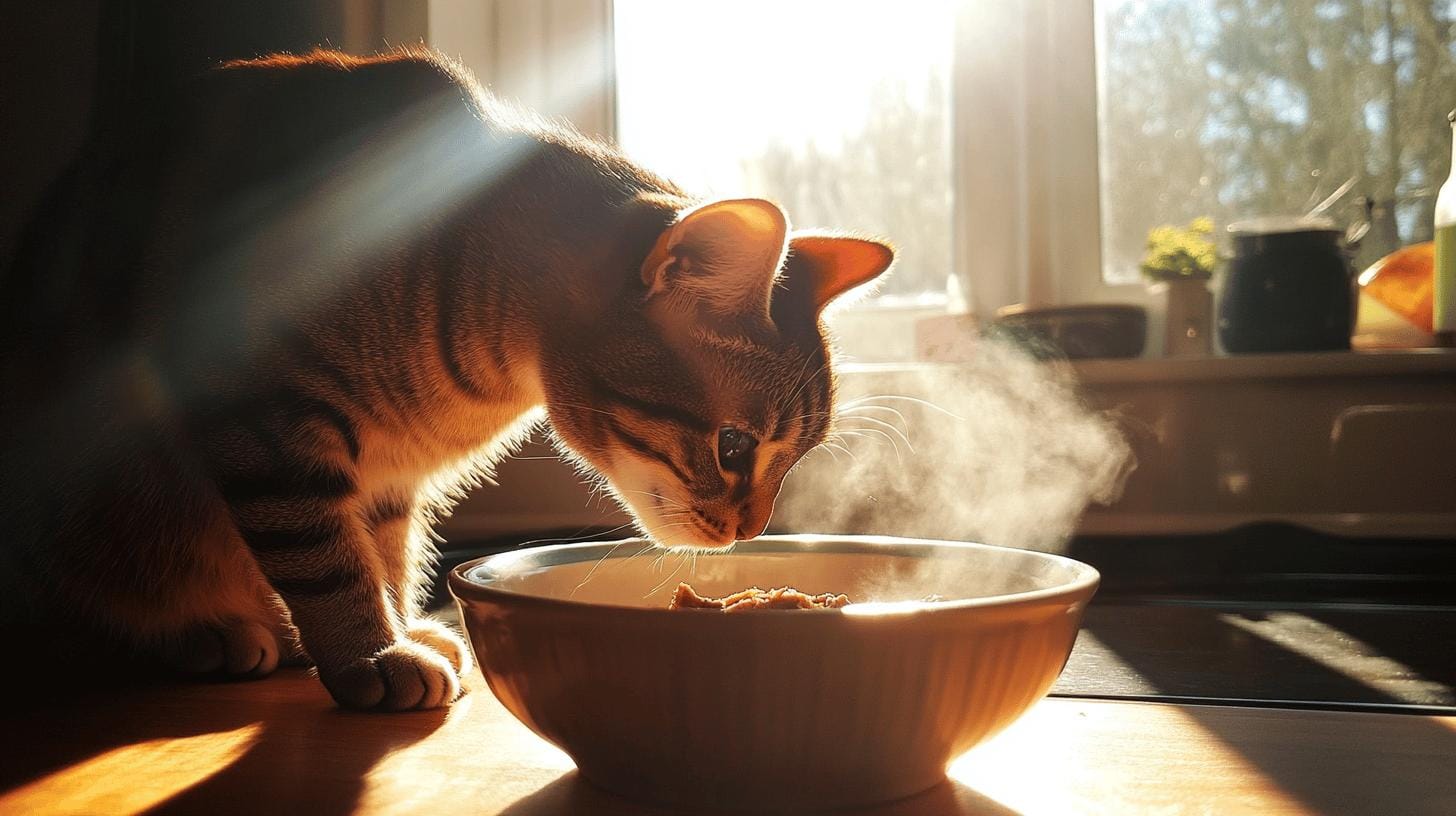
Lamb is a fantastic protein source for cats, providing them with the essential nutrients they need to thrive. Protein is vital for cats because it supports muscle maintenance and overall energy levels. Cats are obligate carnivores, meaning their diet must be rich in animal proteins for optimal health. Lamb fits the bill perfectly, offering nearly 7 grams of protein per ounce, making it a powerhouse for muscle building and maintenance.
| Nutrient | Benefit |
|---|---|
| Protein | Supports muscle maintenance and energy |
| Vitamin B6 | Helps with metabolism and brain health |
| Niacin | Assists in energy production and enzyme function |
| Zinc | Boosts immune function and metabolism |
| CoQ10 | Acts as an antioxidant, supporting heart health |
| Selenium | Promotes cellular health and defenses |
These nutrients collectively support various aspects of a cat’s health. Vitamin B6 and niacin are crucial for metabolic processes and energy production, ensuring your cat stays active and lively. Zinc is another essential mineral that plays a critical role in immune function, keeping your cat’s defenses strong against illnesses. CoQ10, a potent antioxidant found in lamb, helps maintain heart health, particularly beneficial for older cats. Selenium further aids cellular health and defenses.
Incorporating lamb into your cat’s diet can provide these essential nutrients, ensuring they get a well-rounded intake that supports their overall well-being. Monitoring how your cat responds to this protein source can help maintain their health and vitality.
Raw vs. Cooked Lamb for Cats

Deciding between raw and cooked lamb for your cat can be tricky, as both have their pros and cons. Feeding raw lamb can offer a more natural diet, closer to what cats might eat in the wild. However, raw lamb must be extremely fresh and free from parasites to avoid health risks. On the other hand, cooking lamb helps eliminate potential dangers like bacteria and cross-contamination, making it a safer option for many pet owners.
Pros and Cons of Raw Lamb
- Pros:
- Provides a more natural, unprocessed diet.
- Retains all original nutrients and enzymes.
- Cons:
- Risk of bacterial contamination.
- Potential for parasites if not handled correctly.
Pros and Cons of Cooked Lamb
- Pros:
- Kills bacteria and parasites, reducing health risks.
- Easier to store and handle safely.
- Cons:
- Cooking can reduce some heat-sensitive nutrients.
- May require additional time and preparation effort.
When preparing lamb for your cat, it’s recommended to opt for cooked meat to ensure safety. If you choose raw, ensure the lamb is fresh and sourced from a reliable supplier to minimize health risks. Always serve lamb without seasonings and ensure it is boneless to prevent choking hazards.