Can pork liver become your cat’s next favorite treat, or is it a health risk waiting to happen? For cat owners seeking the best for their fur babies, this is more than a simple question. Pork liver brims with vitamins and iron that promise genuine health benefits, but too much could spell trouble, leading to vitamin A toxicity with serious consequences. This guide walks you through the benefits and precautions of feeding pork liver, helping you make informed choices about your cat’s diet.
Can Cats Safely Eat Pork Liver and Its Nutritional Benefits?
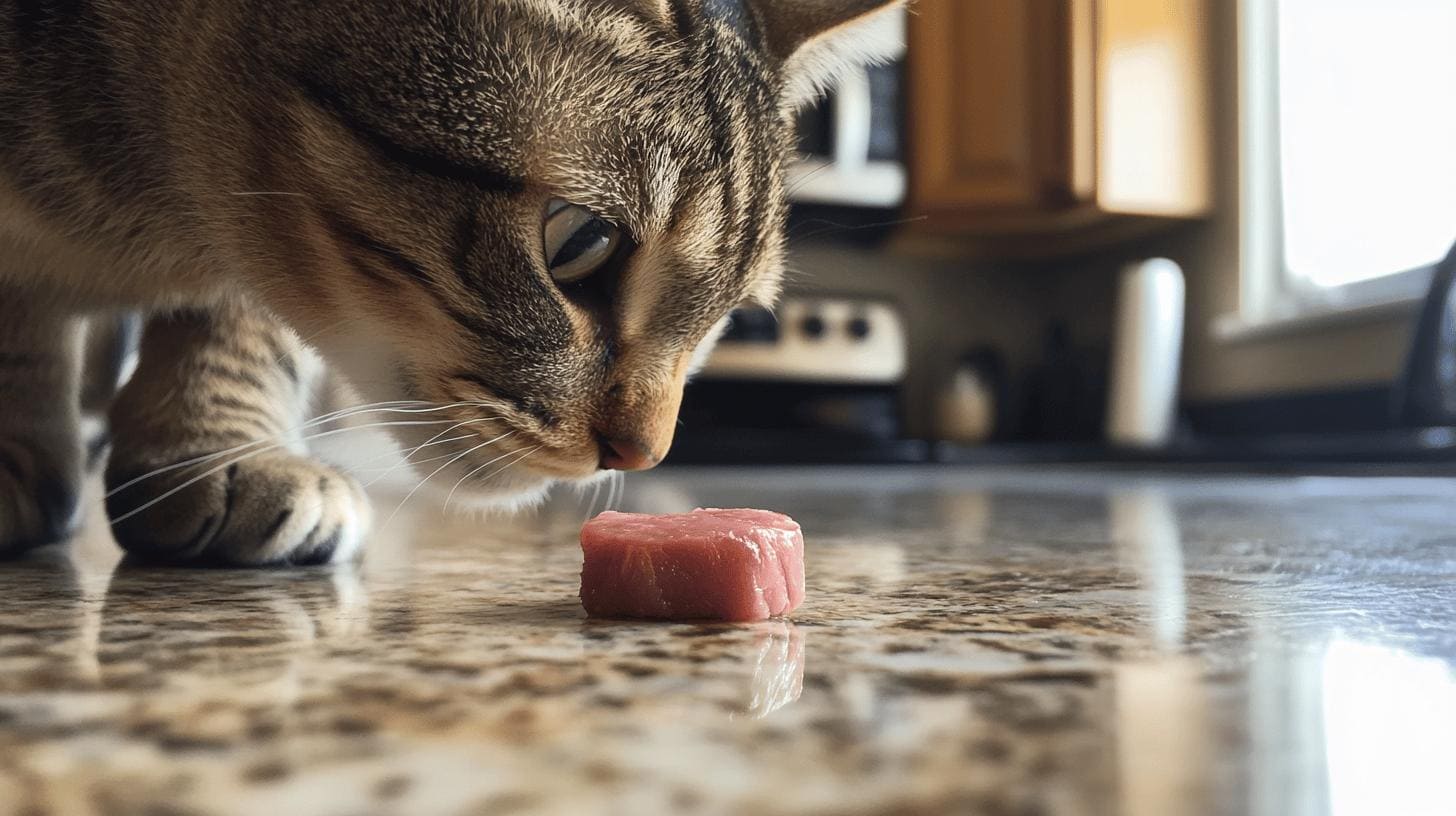
Pork liver is packed with nutrients that can be beneficial to your cat’s health. It is rich in vitamins A and B, iron, and protein, all of which are crucial for maintaining your feline’s health. These nutrients support various aspects of cat wellness, such as vision, skin health, reproductive functions, and muscle growth. Including these in your cat’s diet in small quantities can bolster their overall health and vitality.
However, feeding pork liver to cats requires caution. Overconsumption can lead to vitamin A toxicity, which poses significant health risks. Symptoms of vitamin A toxicity include lethargy, weight loss, and skin problems. In severe cases, it can cause bone malformations and be potentially fatal. To avoid these issues, moderation is key. Always consult a veterinarian before introducing pork liver to your cat’s diet to ensure safe and appropriate portion sizes.
The nutrients in pork liver contribute to your cat’s overall wellness by enhancing their immune system and maintaining healthy bodily functions. Proper feeding practices can make liver a valuable addition to a balanced cat diet. Consider these safety tips when introducing pork liver:
- Consult with a veterinarian
- Introduce gradually
- Monitor for adverse reactions
- Limit frequency and portion size
Incorporating pork liver into your cat’s diet with these precautions can help you harness its nutritional benefits while ensuring your cat’s safety and health.
Understanding Vitamin A Toxicity: What Every Cat Owner Should Know
Vitamin A is a fat-soluble vitamin, which means it accumulates in the body over time rather than being excreted like water-soluble vitamins. This characteristic makes overconsumption particularly risky for cats. When a cat receives too much vitamin A through their diet, the excess builds up in the liver and fatty tissues, eventually reaching levels that cause real harm.
The clinical condition is called hypervitaminosis A, and it presents in both acute and chronic forms. Acute toxicity results from a single very large dose, while chronic toxicity develops gradually from repeated small overdoses spread across weeks or months. Cats fed liver-heavy diets without veterinary guidance are vulnerable to the chronic form, which can be difficult to recognize until significant damage has already occurred.
Physical signs of hypervitaminosis A include neck stiffness, reluctance or difficulty moving, abnormal bony growths on the spine and joints, and in serious cases, partial paralysis. The condition can also affect the skin and coat, causing dryness, flaking, and a rough texture. Since these symptoms develop slowly, regular veterinary checkups become especially important for cats that eat organ meats regularly. Your vet can assess joint mobility, examine the spine, and run bloodwork to catch imbalances before they become irreversible. Catching hypervitaminosis A early makes a significant difference in the outcome and your cat’s long-term quality of life.
How to Prepare Pork Liver for Your Cat
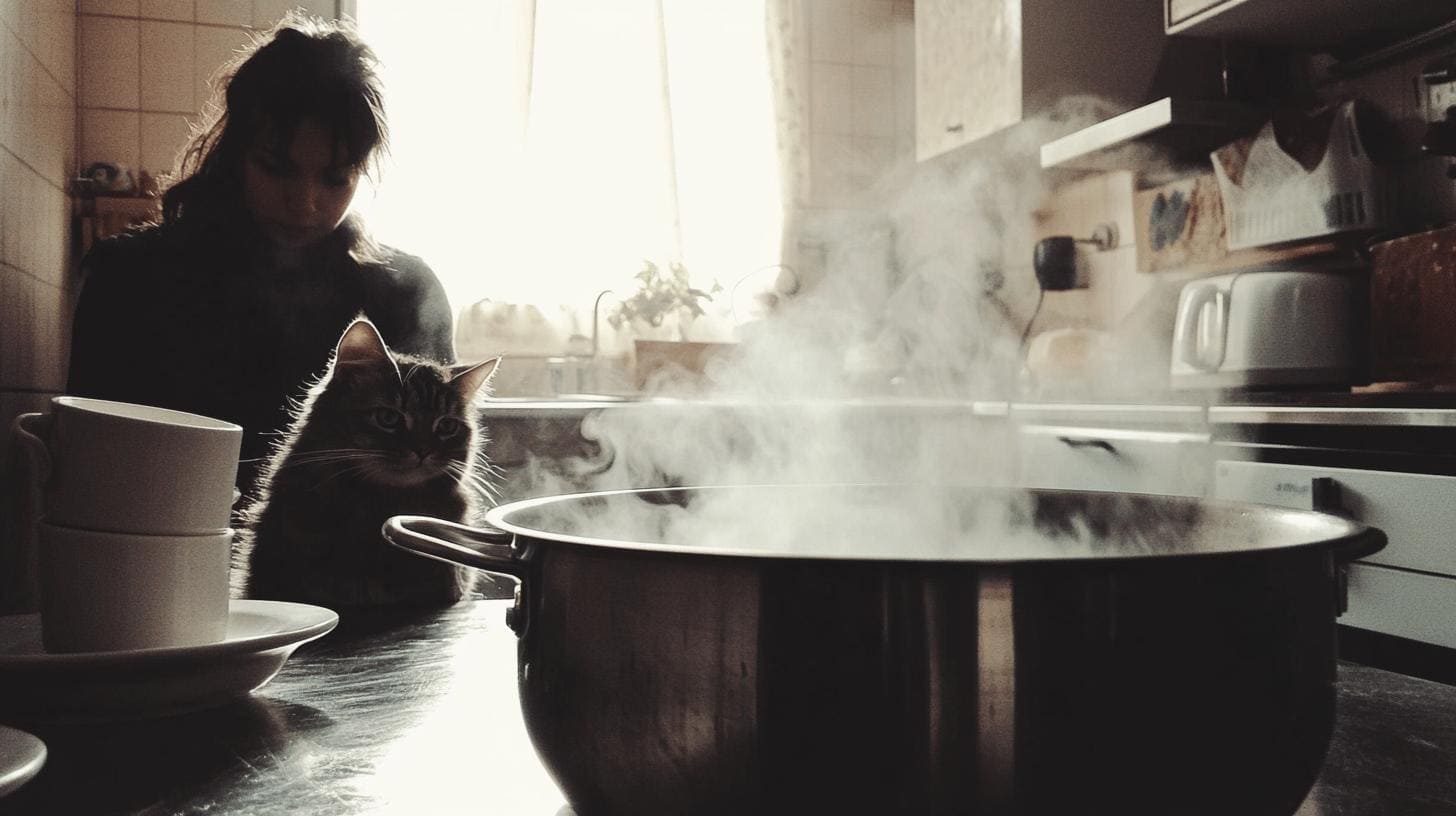
Preparing pork liver for your cat involves a few essential steps to ensure it’s safe and nutritious. Cooking the liver is crucial because it reduces the risk of bacterial contamination, which can pose health hazards to your feline friend. Raw meats can harbor harmful parasites or bacteria, so handling and cooking the liver properly is key to providing a safe cat food option. Boiling or baking the liver without adding any seasoning is a recommended method. This not only makes the liver safer but also keeps it palatable for your cat.
Follow these preparation steps to serve pork liver safely to your cat:
- Choose high-quality pork liver
- Rinse thoroughly under cold water
- Boil or bake until fully cooked
- Cool to room temperature
- Serve in small, manageable pieces
By taking these steps, you can prepare pork liver in a way that supports your cat’s health and ensures they enjoy this protein-rich treat safely.