
Can cats enjoy the taste of purple yam without any risk? Many cat owners wonder if their feline friends can safely munch on this vibrant vegetable without any issues. Cooked purple yam is safe for cats in small amounts, provided you follow a few simple guidelines. Cats are carnivores at heart, needing a meat-based diet, so while yams shouldn’t take center stage, they can add a splash of variety. The key is preparation, portion size, and knowing what to watch for.
Can Cats Safely Eat Purple Yam? Guidelines for Feeding Purple Yam to Cats
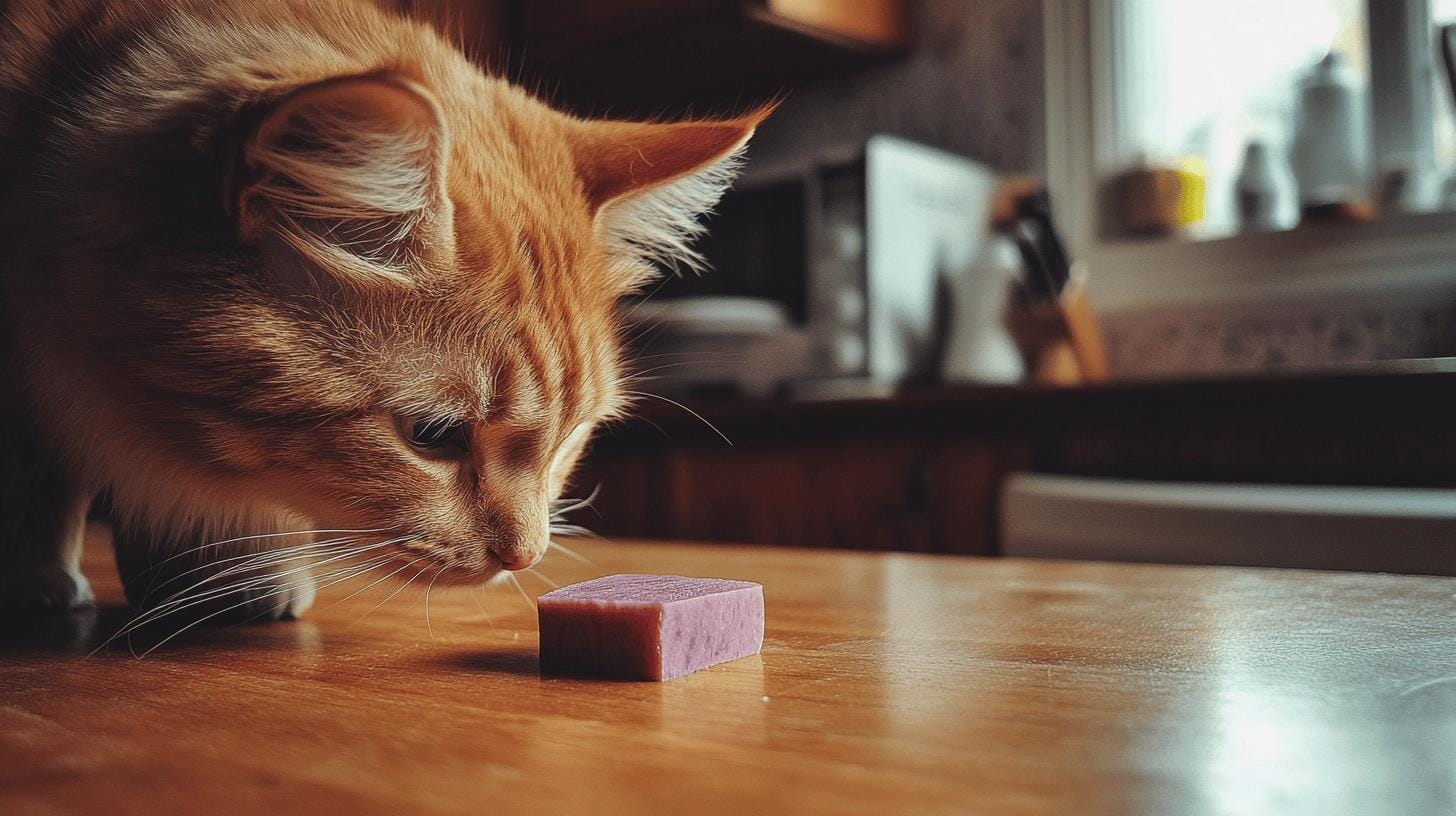
Cats can indeed eat purple yam, but only if it’s cooked and served plain. Raw yams are toxic to cats due to the presence of certain harmful compounds. Cooking yams reduces these risks, making them a safer addition to your cat's diet. However, it's crucial to remember that cats are obligate carnivores. They thrive on a diet primarily consisting of meat, so vegetables like purple yam should only be a small part of their diet.
Potential Risks of Feeding Yams to Cats
- Raw yam toxicity
- Phytic acid hindering mineral absorption
- Oxalate risk for urinary stones
- Digestive upset from improper preparation
- Importance of moderation in serving
When preparing yams for your cat, stick to simple cooking methods. Boiling, baking, steaming, or dehydrating yams are all safe options. These methods help to soften the yam and reduce harmful substances. Always ensure the yam is fully cooked and free of any added salt, seasonings, or toppings. These extras can be harmful to cats and should be avoided.
Safe Feeding Practices
- Use only plain, cooked yams
- Serve as occasional treats
- Monitor for adverse reactions
- Limit to 5-10% of daily intake
In terms of serving sizes, moderation is key. Offering your cat a teaspoon or two of cooked yam occasionally is generally safe. It's important not to let yams or any other vegetables exceed 5-10% of their daily food intake. This ensures that your cat's diet remains balanced, providing them with all the essential nutrients they need from their primary food sources. Integrating yams responsibly into their diet can add a bit of variety without compromising their health.
Nutrition and Health Implications of Purple Yam for Cats
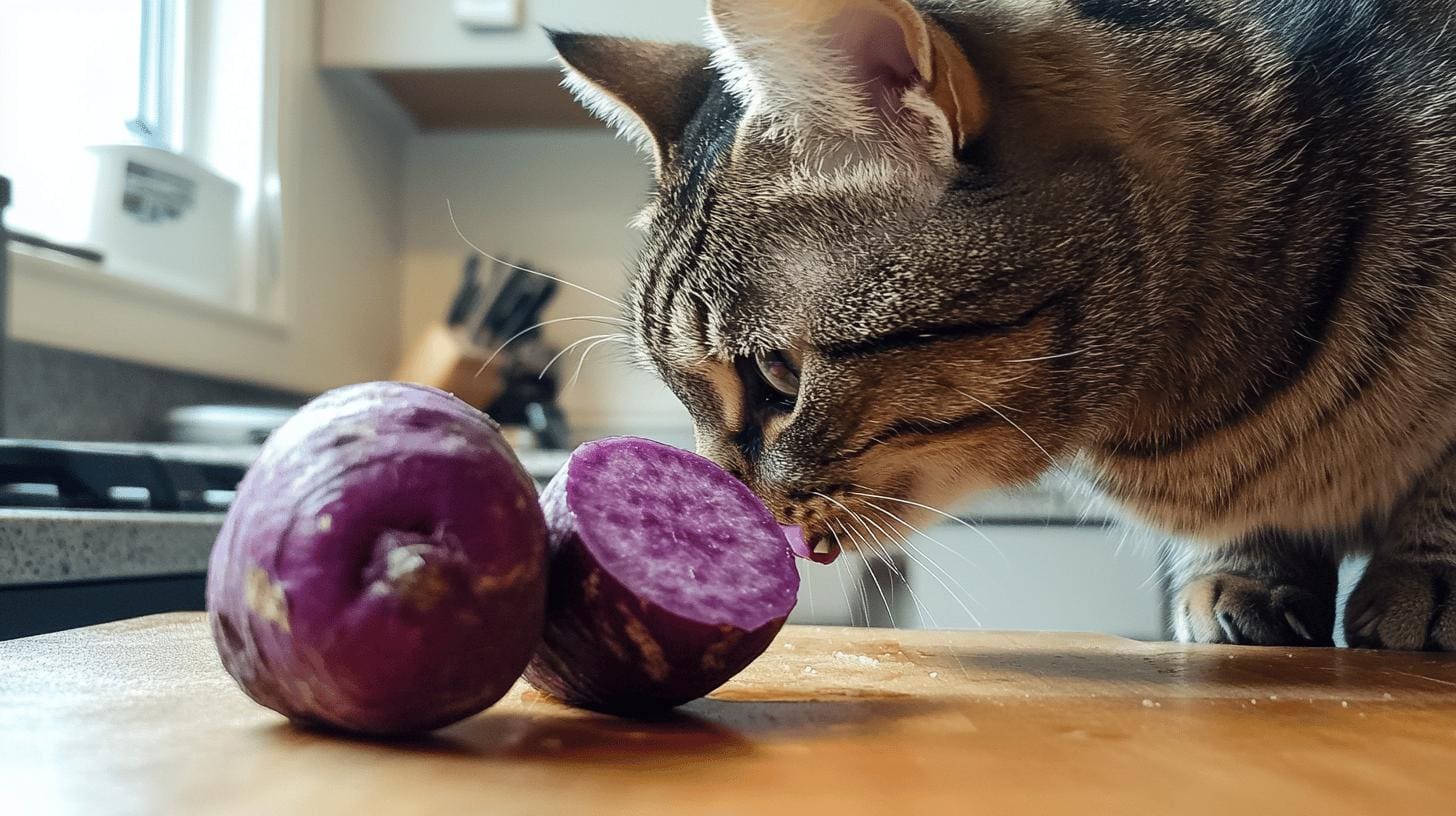
Purple yam, including varieties like Ube, contains specific vitamins and minerals that can offer minor health benefits to cats. It is rich in antioxidants that support immune health and contains essential vitamins such as vitamin C and B-complex vitamins, which aid in overall wellness. Minerals like potassium and manganese found in purple yam contribute to bone health and proper enzyme function. Although these nutrients are beneficial, cats derive their primary nutritional needs from meat, as they are obligate carnivores.
| Nutritional Component | Potential Benefit |
|---|---|
| Antioxidants | Support immune health |
| Vitamins | Aid overall wellness |
| Minerals | Contribute to bone health |
| Fiber | Assist with digestion |
Commercial cat food is formulated to meet the complete nutritional needs of cats, providing necessary carbohydrates and essential nutrients in balanced proportions. While purple yam can be a healthy addition in small amounts, it should not replace the core components of a cat’s diet. Instead, focus on high-quality cat food that supports their obligate carnivore requirements.
Adding vegetables like purple yam can introduce variety into a cat’s diet, but moderation is key. These should be occasional treats, enhancing meals without compromising nutritional balance. Prioritizing meat ensures that cats receive the necessary nutrients they need to thrive.
Monitoring Cat Health and Reactions to New Foods
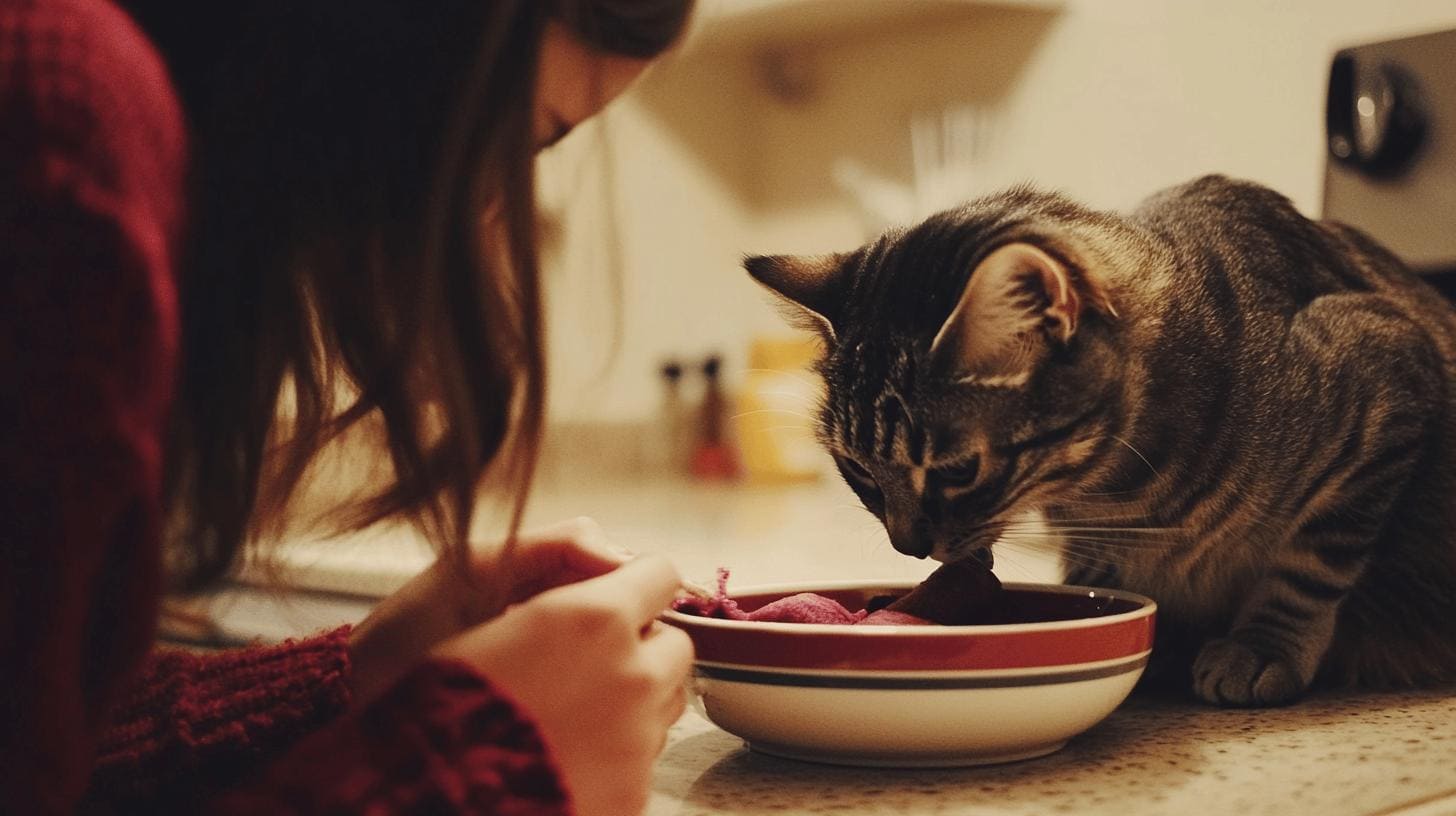
Introducing new foods, like purple yam, to a cat's diet requires careful monitoring for adverse reactions. Many human foods can cause dietary indiscretions, resulting in unexpected vet bills averaging $642. As obligate carnivores, cats have specific dietary needs, and any deviation should be approached with caution. Watching for allergic reactions is crucial to prevent health issues.
Symptoms of food intolerance include:
- Vomiting
- Diarrhea
- Lethargy
- Changes in appetite
Consulting with a veterinarian before introducing new foods is essential. Professional guidance ensures your cat's diet remains balanced and safe. A vet can provide tailored advice on portion sizes and frequency, reducing the risk of adverse effects. Prioritizing your cat’s health through expert consultation is a wise investment in their well-being.