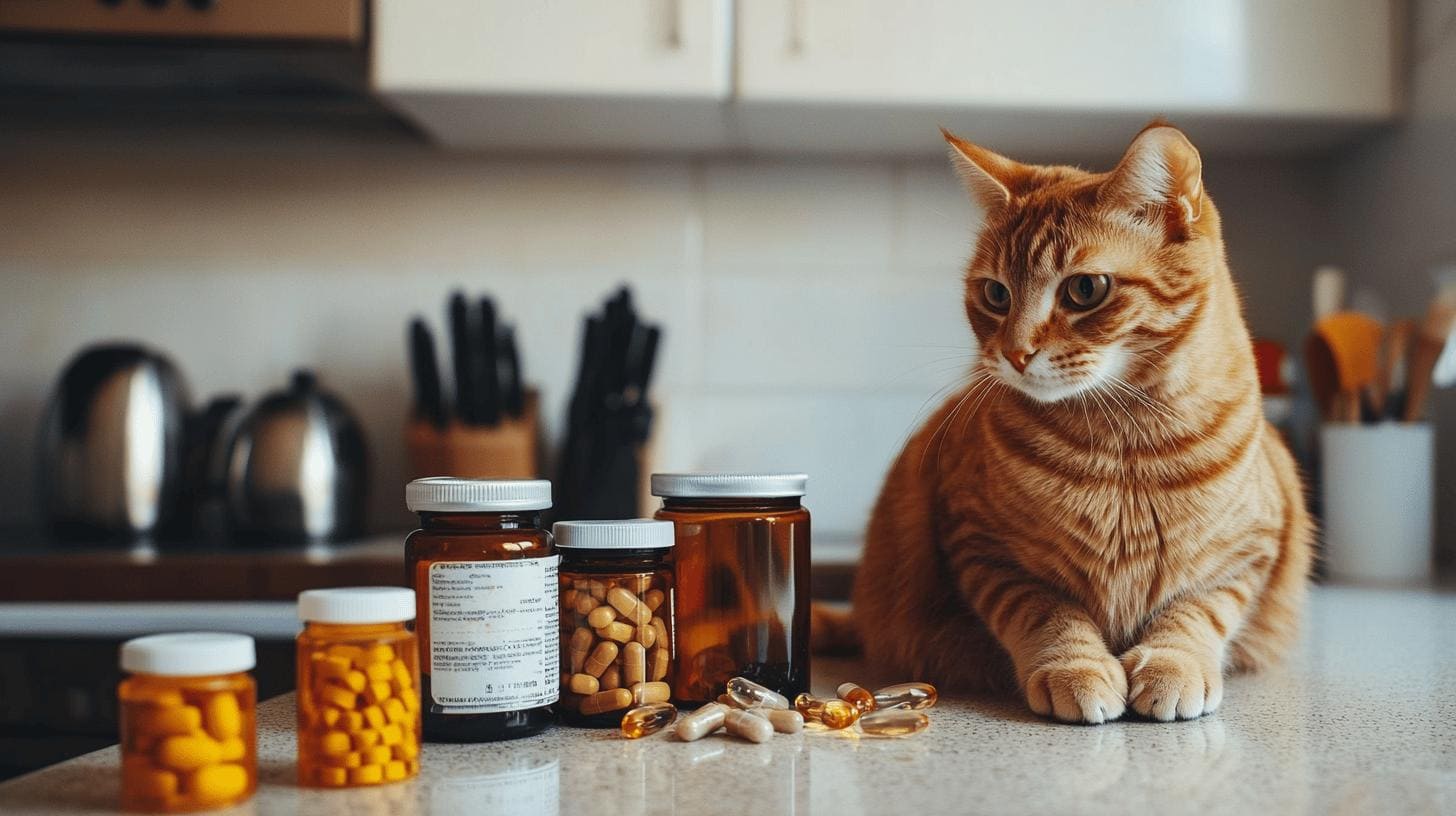
Can cats safely eat liver, or is this choice fraught with risks? It's a question that sparks debate among pet owners. Liver is a nutritional goldmine packed with essential vitamins and minerals, but feeding too much can spell trouble, like vitamin A toxicity.
In this article, I'll explore liver's nutritional benefits and potential hazards for your furry friend. I'll provide tips to ensure safe consumption and explain why moderation is crucial. Ready to unravel the truths about adding liver to your cat's diet? Let's dive in!
Safety and Nutritional Benefits of Liver for Cats
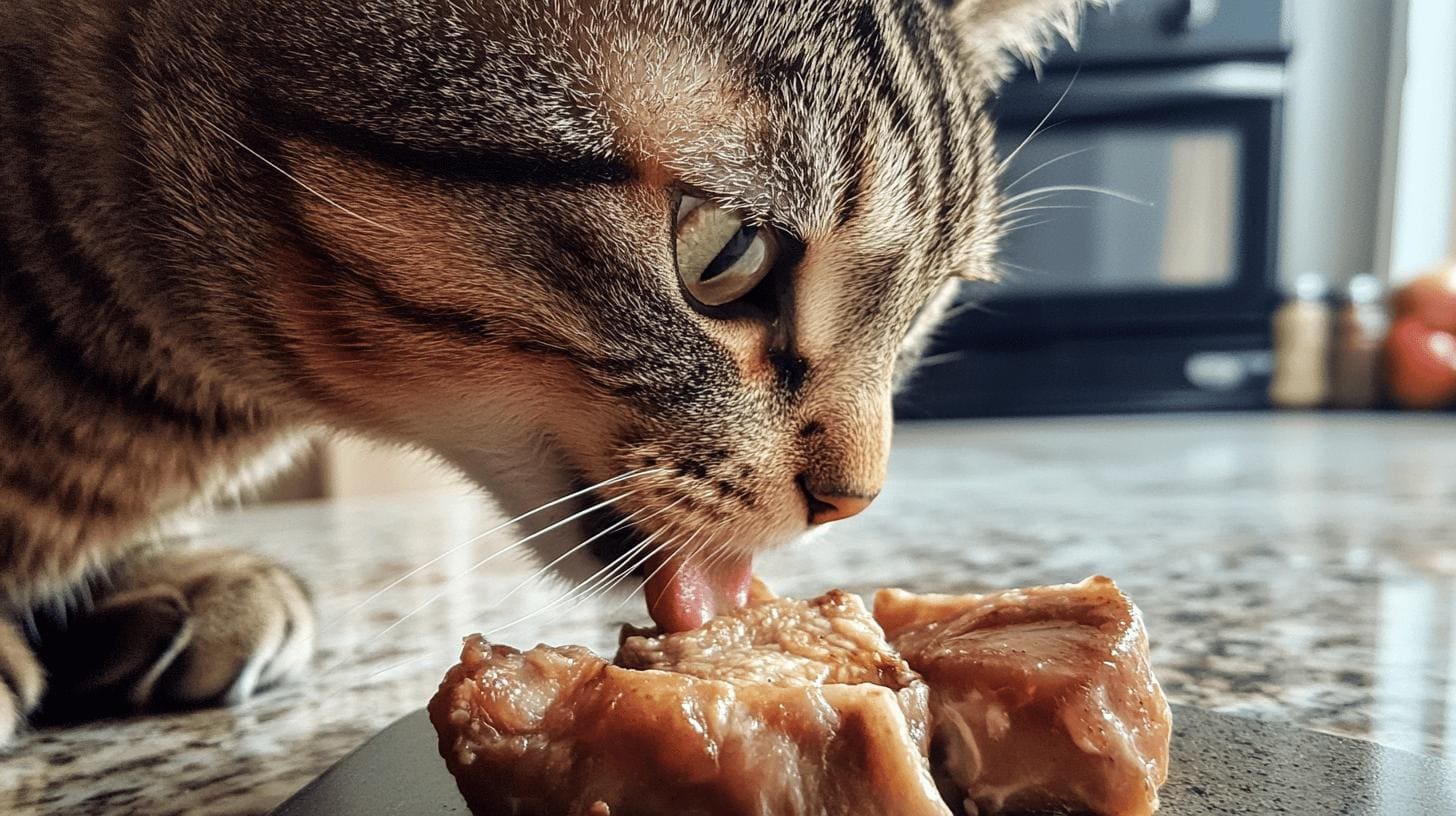
Cats can eat liver, but it should be given in moderation. Liver is a nutrient powerhouse, but overconsumption can lead to health issues like vitamin A toxicity. It's crucial to understand that liver should not form a large portion of a cat's diet.
Moderation is key for maintaining health and safety. Raw liver can harbor parasites or bacteria, so it requires careful handling and preparation to ensure it's safe for feline consumption.
Liver is packed with nutrients that are beneficial for cats. It is a rich source of vitamins A and B, which are vital for maintaining healthy eyesight and immune function. T
he iron and copper content in liver supports red blood cell production and overall cellular function. Compared to typical muscle meat, liver contains a more diverse array of essential nutrients, making it a valuable supplement to a cat's diet when used appropriately.
When feeding liver to cats, it's important to follow these safety tips:
-
Store liver at proper temperatures to avoid spoilage.
-
Thoroughly clean preparation surfaces and utensils.
-
Cook liver to recommended temperatures to kill pathogens.
-
Introduce liver gradually into the cat's diet.
-
Monitor your cat for any adverse reactions like vomiting or diarrhea.
To better understand the nutritional benefits of liver, here's a breakdown of key nutrients and their advantages:
| Nutrient | Benefit |
|---|---|
| Vitamin A | Improves vision and skin health |
| Vitamin B | Enhances energy metabolism |
| Iron | Supports red blood cell production |
| Copper | Assists in enzyme function and iron metabolism |
Potential Risks of Feeding Liver to Cats
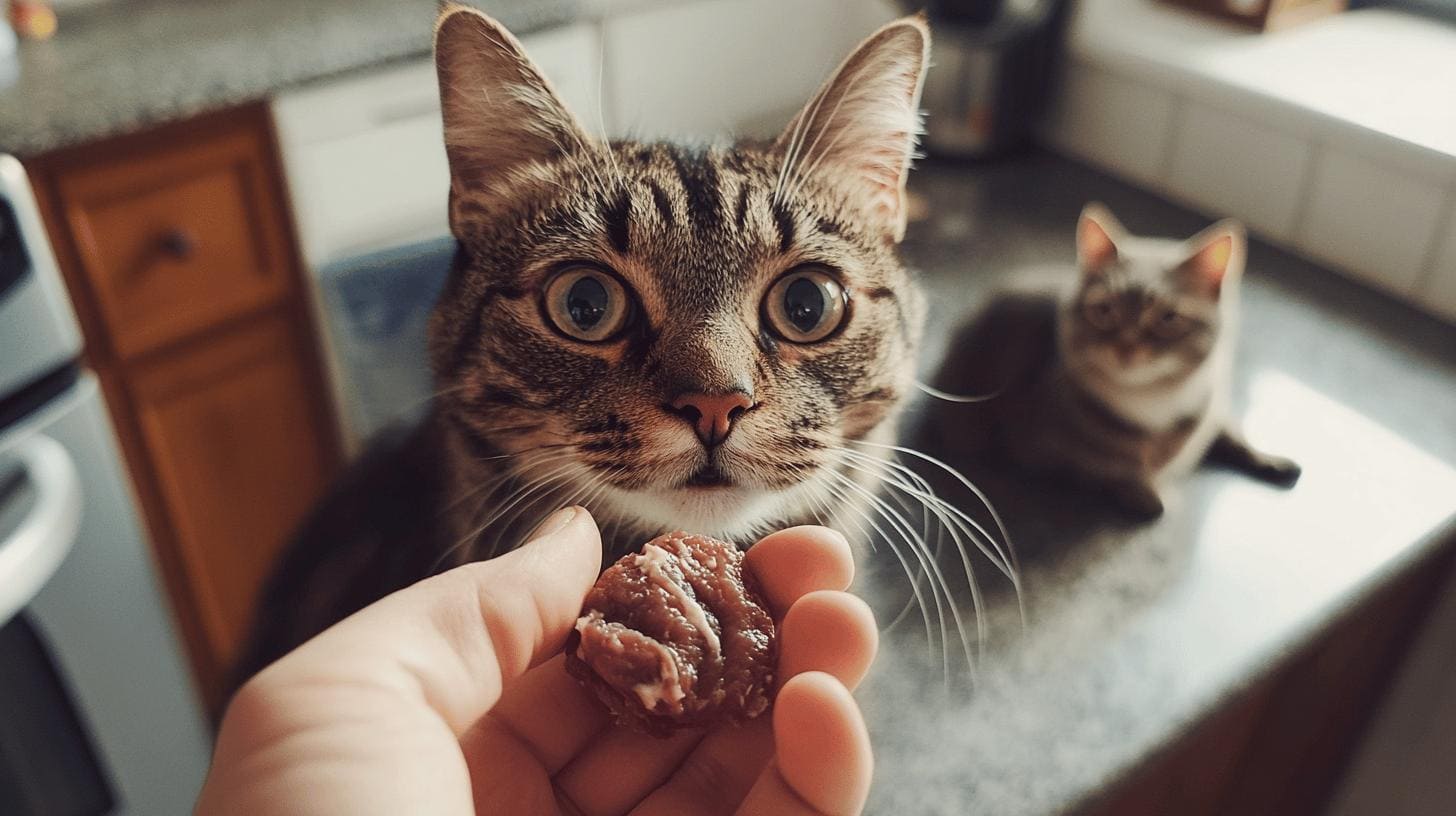
Feeding liver to cats in excessive amounts can lead to a serious condition known as hypervitaminosis A. This happens when cats consume too much vitamin A, which is abundant in liver. Unlike humans, cats cannot efficiently eliminate excess vitamin A from their bodies.
Over time, this accumulation can lead to toxicity. Symptoms of vitamin A toxicity include weight loss, poor coat condition, and lethargy. In severe cases, it can result in more dangerous health problems.
One of the most severe effects of excessive liver consumption is the development of bone deformities. High levels of vitamin A can cause abnormal bone growth and deformation, particularly affecting the spine and neck.
This can lead to stiffness and pain, restricting your cat's movement and overall quality of life. Cats may also suffer from joint pain and difficulty in grooming themselves. If unchecked, these conditions can be irreversible and potentially fatal.
To avoid these risks, it's crucial to manage your cat's liver intake carefully. Liver should not be a primary component of your cat's diet and should only be offered occasionally. Pay attention to portion sizes and ensure that liver constitutes no more than 5%–7% of your cat's diet.
Always consult your veterinarian before making significant dietary changes to keep your feline companion healthy and happy. Monitoring and moderation are key to preventing the adverse effects of liver consumption.
Safety and Nutritional Benefits of Liver for Cats
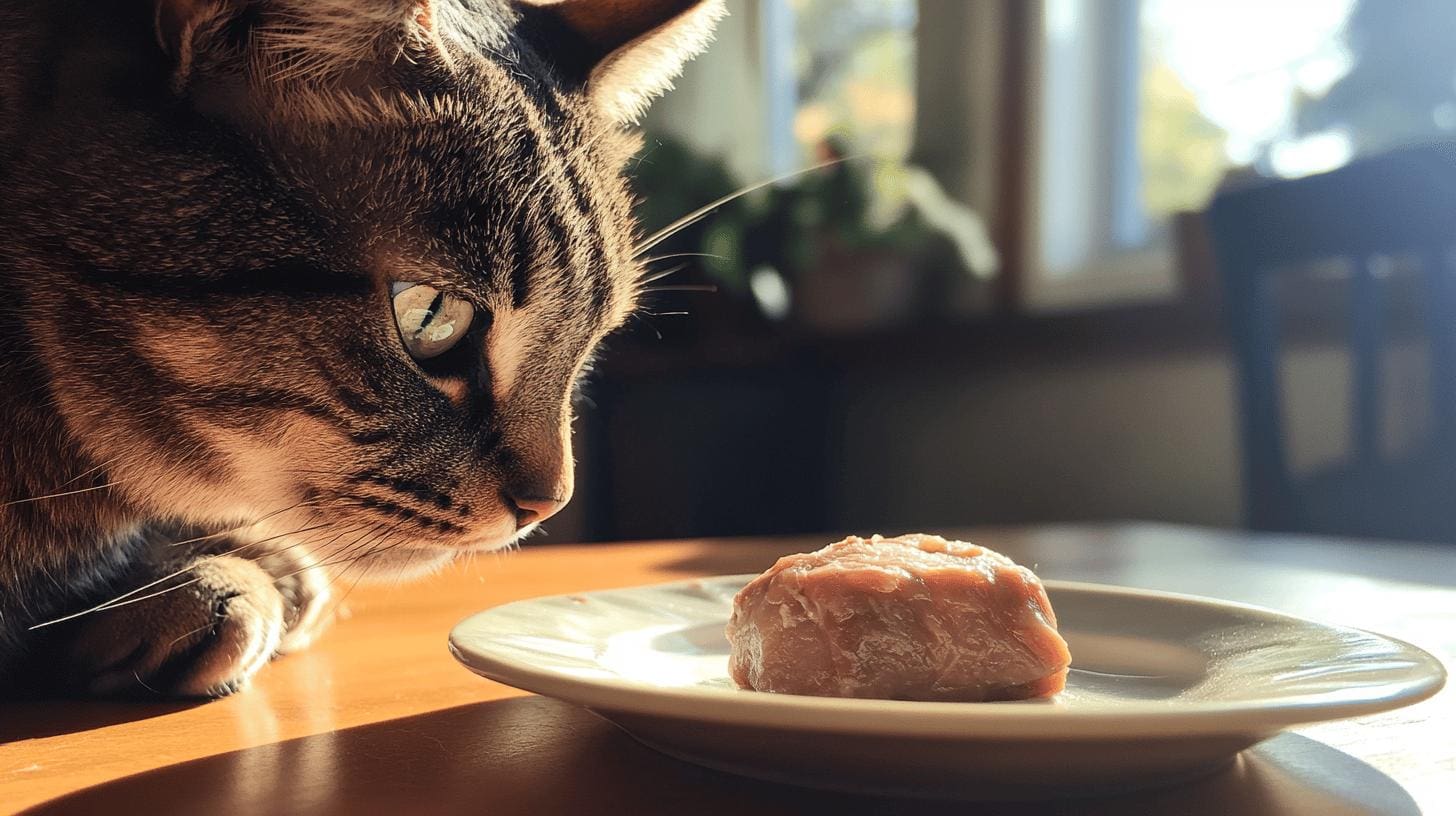
Including liver in your cat's diet can be advantageous, but it's crucial to focus on appropriate portion sizes. Liver should constitute only about 5%–7% of your cat's meals, ensuring nutritional benefits without the risk of overconsumption.
For chicken liver, a safe serving size is between 10–20 grams per serving. This moderation helps maintain a balanced diet and prevents nutrient overdose.
When it comes to feeding frequency, liver should be an occasional treat rather than a daily staple. Offering liver once a week is an effective way to provide nutritional benefits while keeping your cat's diet varied and interesting.
Always consult a veterinarian before introducing liver into your cat's diet. They can offer tailored advice suited to your cat's health and dietary needs, ensuring a safe and balanced nutritional plan.