Can a delicious fish dish like mackerel be a healthy treat for your cat, or is it a risky indulgence? This question might surprise many cat owners. We see our furry friends eyeing seafood with interest, but it's crucial to understand the impact of mackerel in their diet. Mackerel is rich in vital nutrients, offering benefits like Omega-3 fatty acids for brain health. However, hidden dangers like mercury and tiny bones could pose risks. Let's explore how to safely navigate mackerel as a dietary option for your cat.
Can Cats Safely Eat Mackerel?
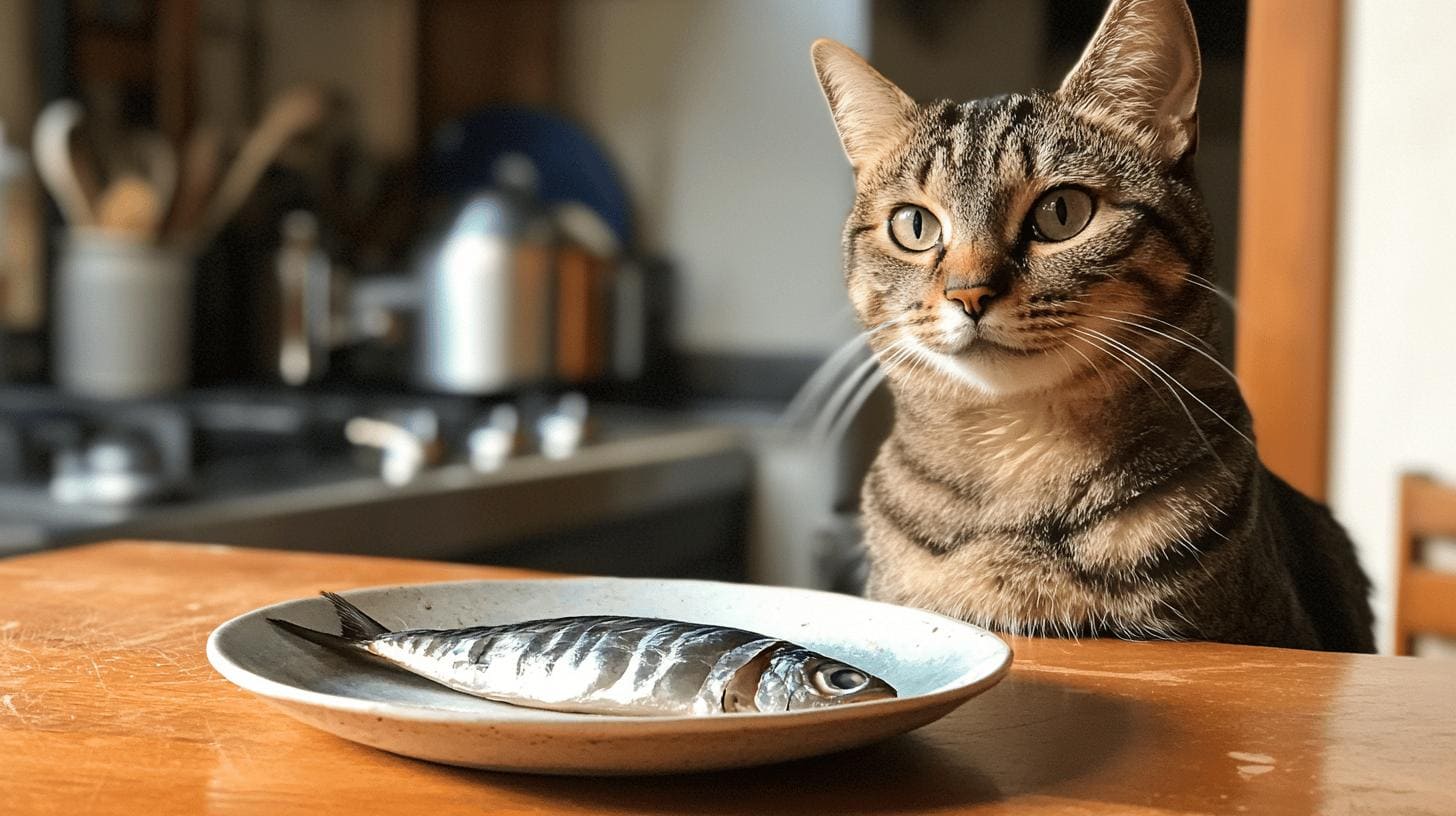
Cats can indeed eat mackerel, but caution is key. Both raw and canned mackerel have their considerations. Raw mackerel should generally be avoided as it can harbor harmful bacteria and enzymes that could cause health issues in cats. Canned mackerel, on the other hand, offers a safer alternative if properly prepared. Look for varieties without added salt or preservatives, as these can negatively impact your cat's health. While mackerel is safe for cats, it should be given in moderation and not as the mainstay of their diet.
Here are some nutritional benefits of mackerel for cats:
- Rich in Omega-3 Fatty Acids: Supports neurological health and has anti-inflammatory properties.
- High in Vitamin D: Essential for bone health.
- Contains Magnesium: Assists in cellular metabolism.
- Loaded with Potassium: Important for muscle function.
- Provides Zinc: Aids in immune function and skin health.
Despite these nutritional advantages, there are risks to consider. Mackerel contains mercury, which can accumulate in a cat's body over time and lead to toxicity. This is why mackerel should be a treat, not a staple. Always remove any small bones to prevent choking hazards. Consulting with a veterinarian before introducing mackerel into your cat's diet can help tailor the best approach for your pet's individual needs.
Raw and Canned Mackerel: What Cat Owners Should Know
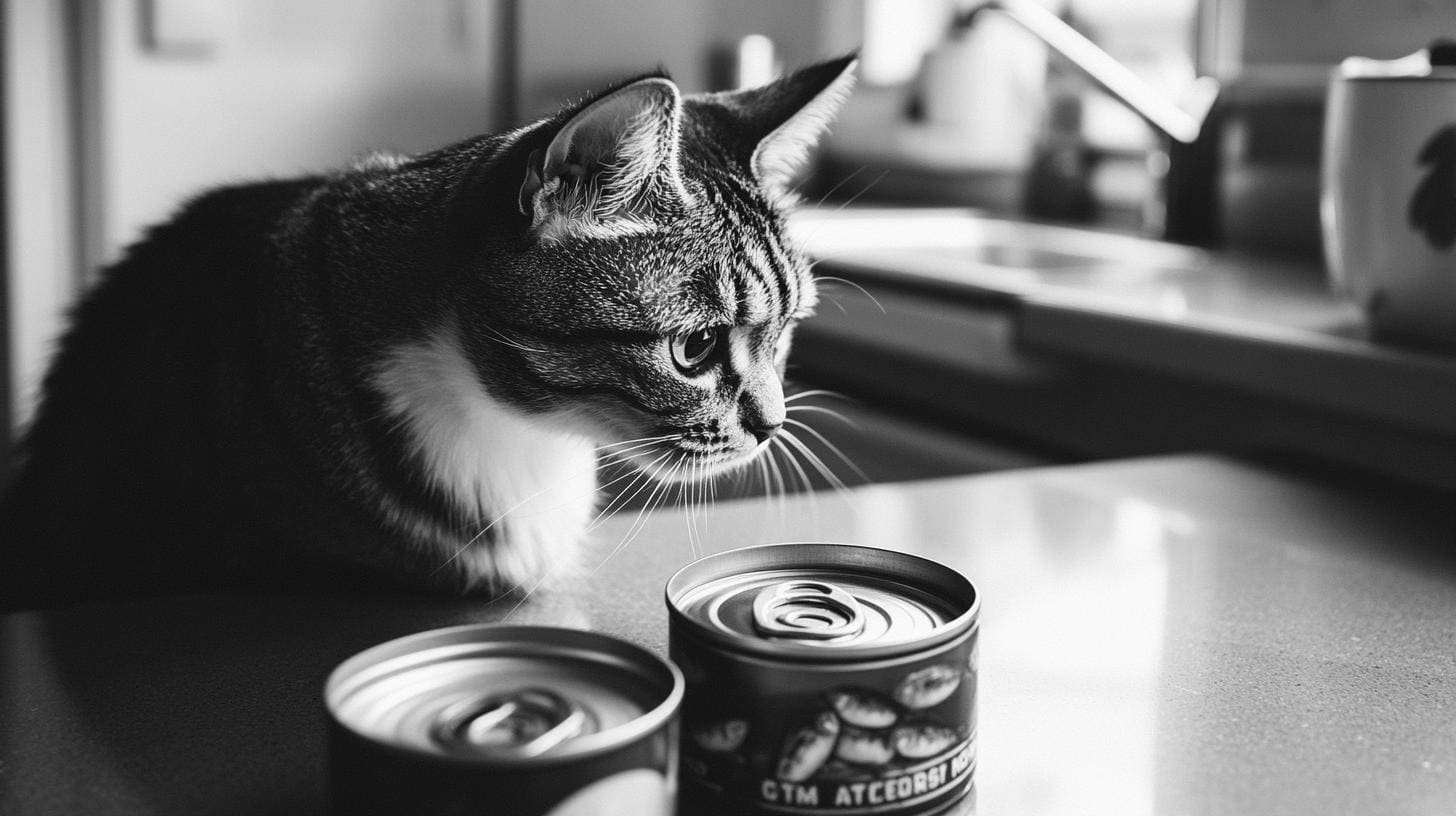
Feeding raw mackerel to cats can introduce several risks. It often harbors bacteria and parasites that may cause health issues, such as gastrointestinal problems or food poisoning. Raw mackerel contains enzymes that can interfere with thiamine levels, potentially leading to neurological problems over time. Avoiding raw mackerel helps prevent these risks and keeps your cat safe.
Canned mackerel is a safer option, but requires careful selection. Choose canned mackerel without added salt or preservatives, as these can be harmful. Canned mackerel provides essential vitamins and minerals, including vitamin D, magnesium, potassium, and zinc. Before serving, rinse the mackerel to remove any excess salt, ensuring a safer meal for your cat.
Proper preparation of mackerel maximizes safety and nutrition. Cooking mackerel reduces bacterial risks, making it safer. Cook thoroughly without seasonings, and remove all bones after cooking to prevent choking hazards. These steps ensure mackerel remains a nutritious treat for your pet.
| Form | Benefits | Risks |
|---|---|---|
| Raw Mackerel | Rich in nutrients | Bacteria, parasites, enzyme issues |
| Canned Mackerel | Convenient, rich in vitamins | Potential additives, requires rinsing |
Veterinarian Recommendations on Mackerel Feeding
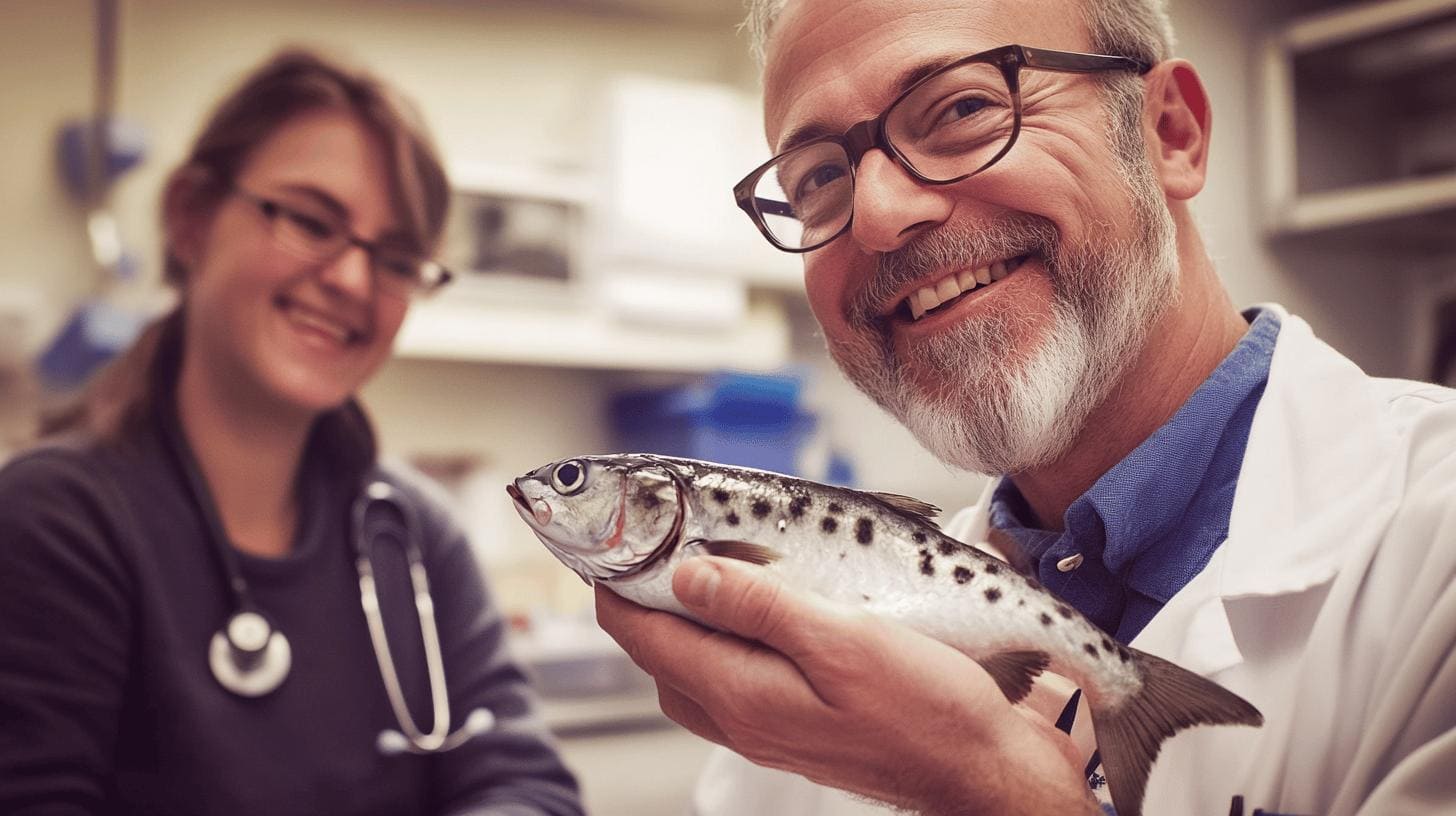
Veterinarians often suggest incorporating oily fish into a cat's diet due to their nutritional benefits, such as omega-3 fatty acids, which support neurological health and reduce inflammation. Mackerel is one of these beneficial fish, but it should be given in moderation. Excessive consumption can lead to mercury accumulation, which poses health risks. Thus, mackerel should be treated as a supplement rather than a staple. Veterinarians recommend offering it occasionally, ensuring it complements a balanced diet.
Here are some alternative fish options that offer similar benefits with potentially lower risks:
- Salmon: Rich in omega-3s and generally lower in mercury.
- Sardines: Packed with essential nutrients and typically considered safe.
- Trout: Another oily fish with beneficial properties.
- Herring: Provides a good balance of nutrients for cats.
Consulting with a veterinarian is crucial for personalized advice tailored to your cat's specific needs. Every cat is unique, and factors like age, weight, and health conditions can influence dietary requirements. A vet can help you determine the right portion sizes and frequency for feeding fish, ensuring your cat reaps the benefits without exposing them to unnecessary risks.