Ever wondered if marshmallows could double as a cat treat? It might sound tempting as you snack on them beside your furry friend. But stop right there. While that soft, sugary puff is a joy to us, it can spell trouble for your feline companion. Cats thrive on a diet rich in animal protein, and treats like marshmallows can turn harmful quickly. Let's dive into the risks and safety concerns of marshmallows for cats, ensuring we keep them safe and healthy.
Can Cats Eat Marshmallows and Potential Risks
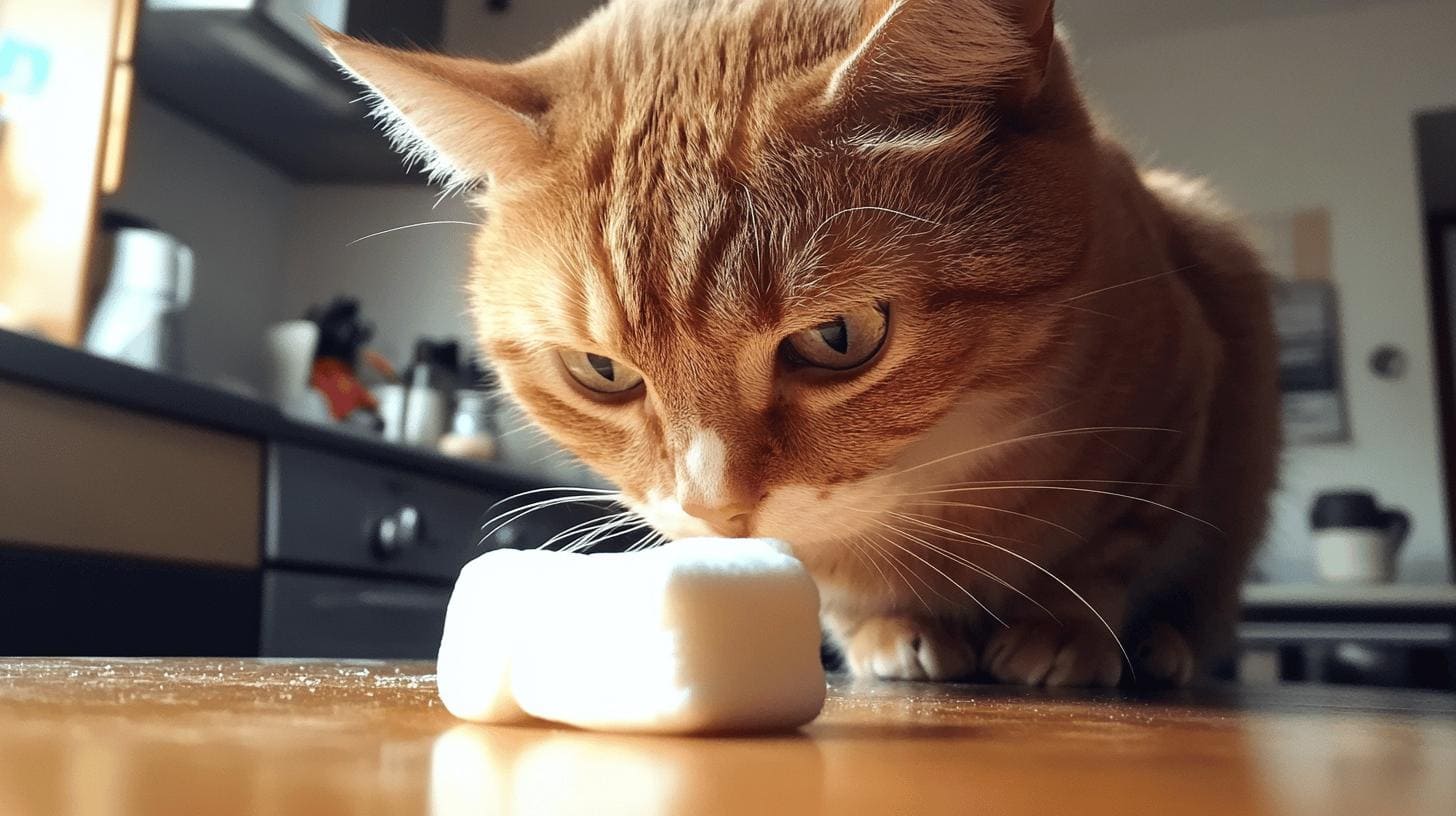
Marshmallows are primarily composed of sugar, corn syrup, water, and gelatin. These sweet treats come in various shapes, sizes, and colors and are known for their soft and sticky texture. While they might be a delightful snack for humans, they pose several risks for our feline friends.
Cats are obligate carnivores, which means their diet should be predominantly animal protein. Unfortunately, marshmallows are packed with sugar and carbohydrates, which don't suit a cat's dietary needs. Consuming sugary snacks like this can lead to a host of health problems. Since cats don't have a sweet tooth like us, they gain no taste benefit from marshmallows. Instead, the sugar content in these treats can upset their stomachs and may lead to more severe health issues if consumed regularly.
The sticky texture of marshmallows also poses a choking hazard for cats. If a marshmallow gets stuck in their throat, it could potentially block their airway. This risk is exacerbated by the way cats eat, often swallowing chunks of food without much chewing. It's crucial to keep marshmallows out of reach to prevent accidental ingestion and the associated risks.
When it comes to digestive issues, marshmallows can be particularly problematic. Cats who consume marshmallows might experience vomiting or diarrhea due to their bodies being unable to properly process the high sugar content and other non-nutritive elements. This can lead to dehydration and discomfort, especially if symptoms persist.
Long-term health risks include obesity, which can be a serious issue for cats consuming high-sugar and high-calorie treats like marshmallows. Weight gain can lead to diabetes, joint problems, and a decreased quality of life. Cats fed inappropriate foods regularly are at risk for these chronic conditions, which can be managed but not easily reversed.
Symptoms to Watch For
If your cat eats a marshmallow, it's important to monitor them for any adverse reactions. Look out for the following symptoms:
- Vomiting
- Diarrhea
- Lethargy
- Changes in appetite or behavior
- Difficulty breathing
Monitoring a cat's health after they've eaten a marshmallow is crucial. If they display any concerning symptoms, contact a veterinarian immediately. The sooner you address potential health issues, the better the outcome for your cat. Understanding the risks associated with marshmallow consumption can help you make informed decisions about your cat's diet and keep them safe from harm.
Understanding Cats' Dietary Needs
Cats have specific nutritional needs as obligate carnivores. Their diet should be rich in animal protein and low in carbohydrates. Diets high in sugar and carbohydrates, like those found in marshmallows, do not align with their natural dietary requirements. Providing a balanced and appropriate diet is key to maintaining your cat's health and well-being.
What to Do If Your Cat Eats a Marshmallow
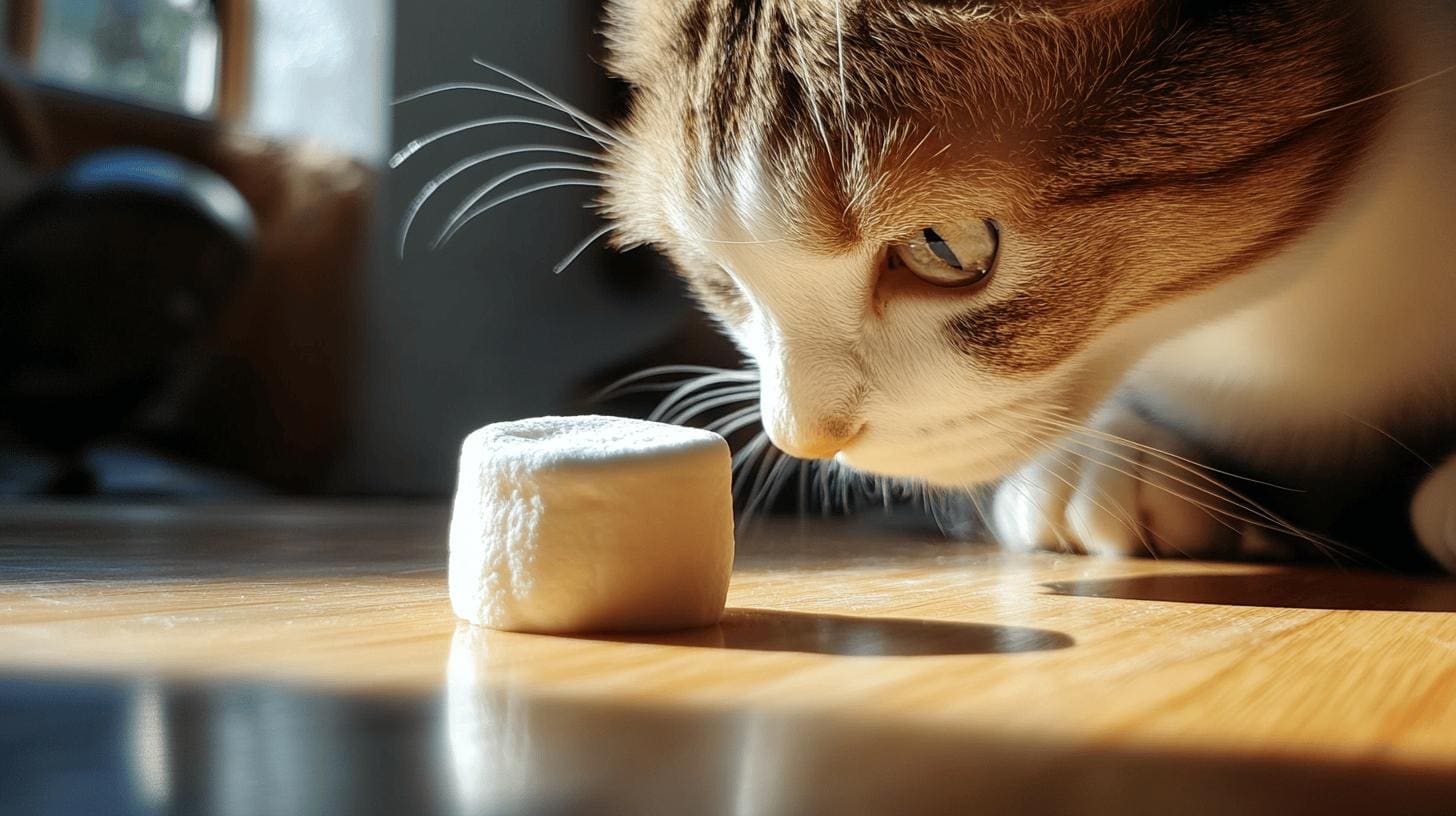
If your cat eats a marshmallow, start by staying calm and taking immediate action. Begin by ensuring your cat is comfortable and has access to fresh water to aid digestion.
- Observe the cat: Monitor any changes in behavior or activity levels.
- Check for symptoms: Be alert for signs like vomiting, diarrhea, or lethargy.
- Offer water: Provide fresh water to help with digestion and hydration.
- Contact a veterinarian: Seek advice if concerning symptoms appear.
If symptoms persist or worsen, consulting a veterinarian is vital. Professional guidance can address potential health issues and ensure your cat’s safety after ingesting unsuitable food.