
Can my cat sip matcha like me? While this might sound harmless, the reality could be quite dangerous. Cats' bodies don't handle matcha like ours do. The caffeine in matcha is a big no-no for our furry friends. Even a tiny bit can lead to increased heart rate, restlessness, or tremors. And that's not all – potential contaminants in matcha, like pesticides, add to the risk. It's crucial to understand these dangers and protect your cat. Let's dive deeper into why matcha isn’t safe for your feline companion and how you can keep them healthy.
Can Cats Eat Matcha? Understanding the Basics
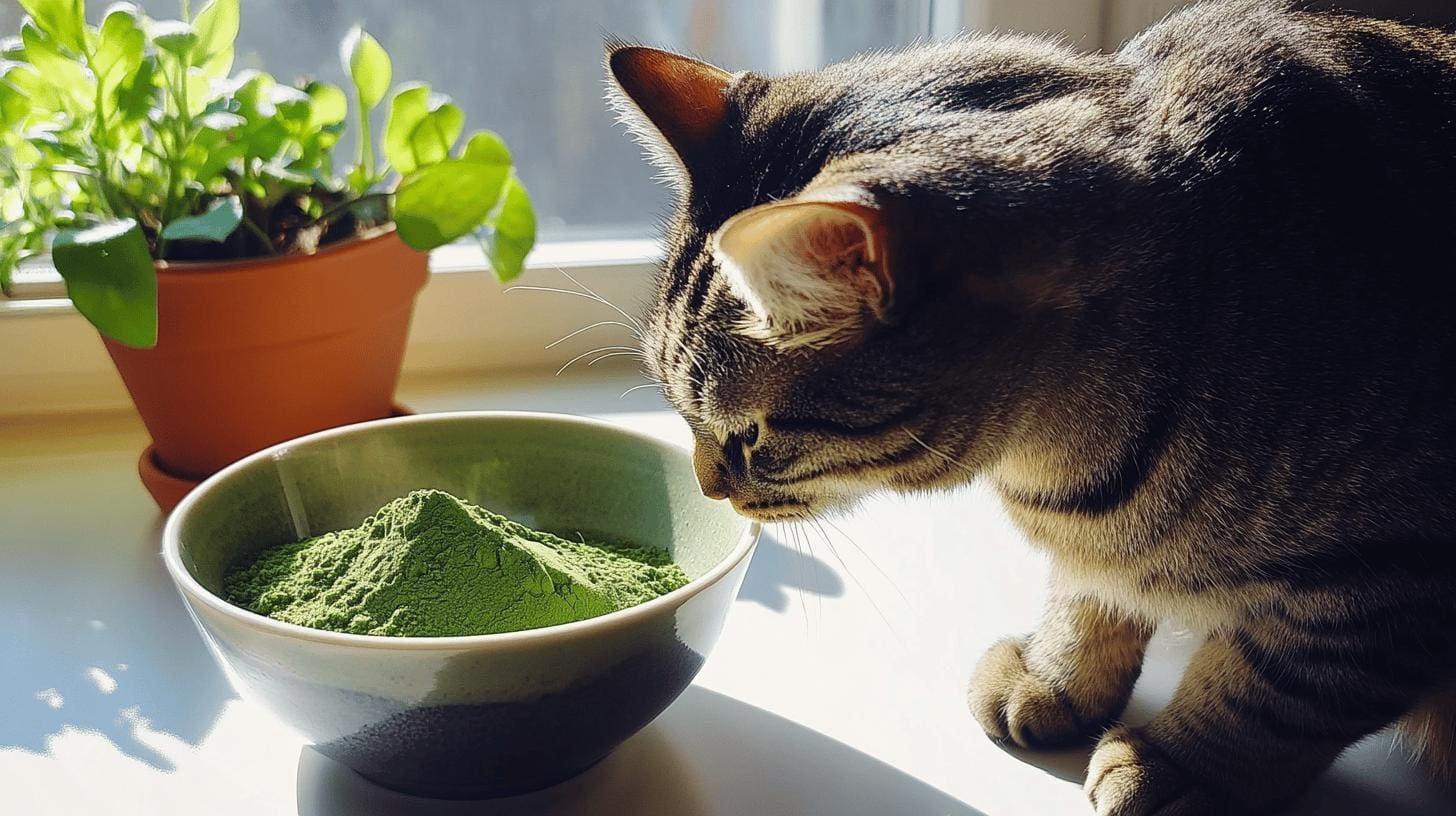
Matcha is a finely ground powder made from specially grown green tea leaves. It's popular for its vibrant green color and is commonly used in beverages, desserts, and various culinary dishes. People enjoy matcha for its rich flavor and health benefits, but when it comes to our feline friends, the story is different.
Matcha contains caffeine, which is harmful to cats. Cats are sensitive to caffeine and can experience adverse effects even from small amounts. Symptoms of caffeine poisoning in cats include increased heart rate, restlessness, and tremors. Due to these potential risks, it is generally not recommended to give matcha to cats. Always prioritize your pet’s health and consult a veterinarian if you have concerns about what is safe for your cat to consume.
Potential Health Risks of Matcha for Cats

Beyond caffeine, potential contaminants in matcha present significant risks to cats. Matcha can contain harmful substances such as pesticides and heavy metals. These contaminants are particularly troubling if the matcha is sourced from areas with lax safety standards. Such impurities can worsen the health risks beyond those posed by caffeine alone, making it even more hazardous for cats.
If a cat ingests matcha, it's essential to watch for specific signs. Immediate steps include:
- Monitor for vomiting and diarrhea: These are initial reactions that indicate distress.
- Check for increased heart rate and tremors: These symptoms require urgent attention.
- Observe for restlessness: This can indicate that the caffeine is affecting the cat's nervous system.
Taking immediate action is crucial. If you suspect your cat has consumed matcha, contact a veterinarian right away. Quick intervention can prevent serious complications and help your cat recover more effectively. A vet can assess the situation and recommend the best treatment options, ensuring your furry friend receives the necessary care.
Safer Alternatives to Matcha for Cats
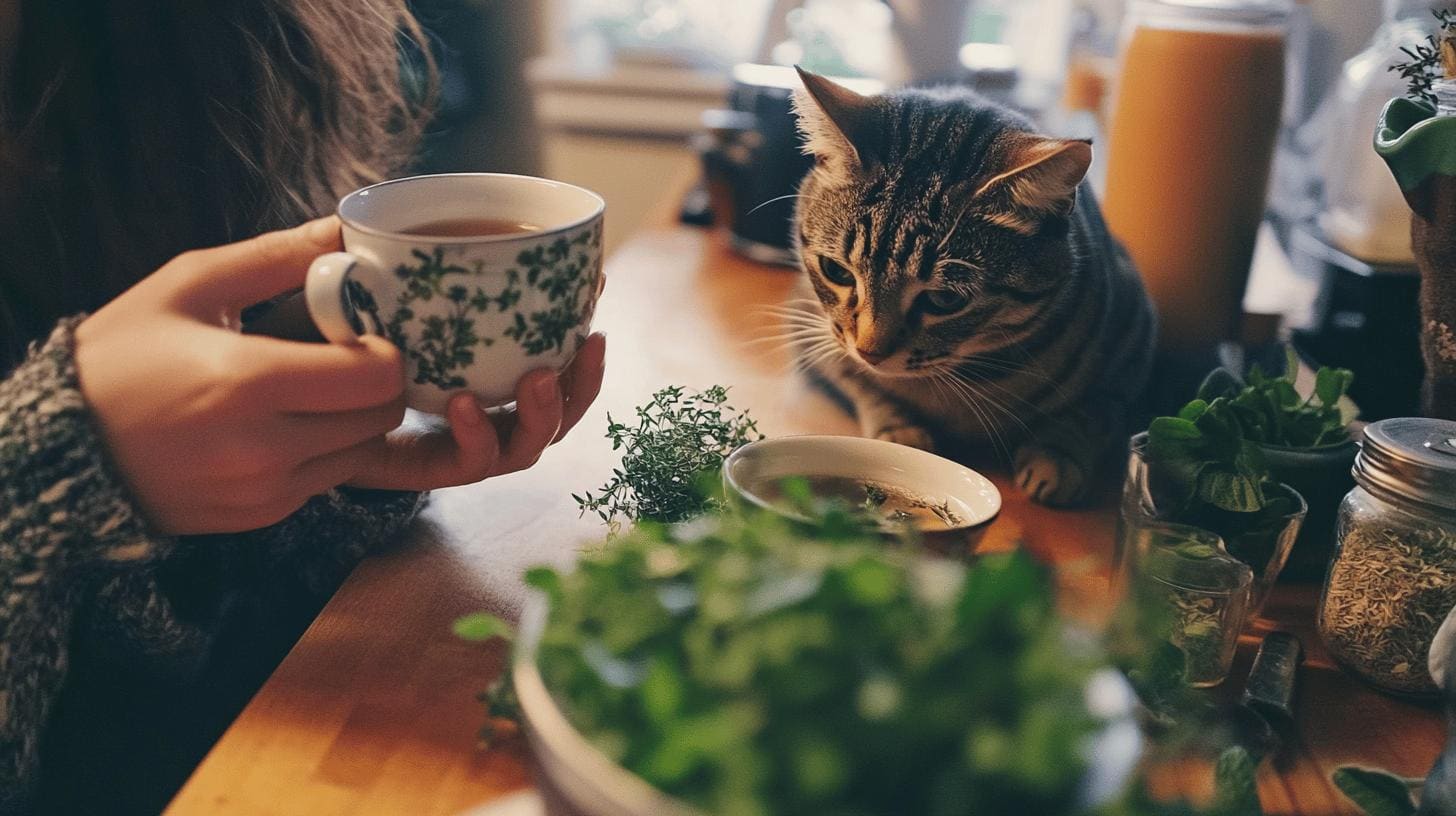
When considering beverages for your cat, it's important to note that both green tea and matcha contain caffeine, which can be harmful to our feline companions. While some people might think about offering these teas to their pets for health reasons, the risks associated with caffeine make them unsuitable options. Instead, exploring non-caffeinated options like herbal teas or specially formulated cat beverages can provide a safer alternative.
Herbal Teas for Cats
Herbal teas can offer a caffeine-free option with potential benefits for cats. Here's a look at three herbal teas that might be safe for your furry friend:
-
Chamomile Tea: Known for its calming effects, chamomile can help soothe anxious cats. It's gentle on the stomach and can also aid in digestion. Always ensure the tea is free from additives and serve it in small quantities.
-
Catnip Tea: Most cats love catnip, and turning it into a tea can be a delightful treat. It can have a mild sedative effect, helping to relax your cat. Be sure to use pure catnip and serve it cool to avoid any burns.
-
Dandelion Root Tea: This tea can support liver health and digestion. It's mild and generally safe for cats, but always check that it's pure and free from any added ingredients that might be harmful.
When choosing herbal teas for your cat, safety is paramount. Ensure that any tea you offer is free from harmful additives or artificial flavors. Even herbal teas should be given in moderation, as excessive amounts can lead to unwanted side effects.
Before introducing any new beverage into your cat's diet, it's wise to consult with a veterinarian. They can provide personalized advice based on your cat's specific health needs and dietary requirements. This step ensures that you are making the best choice for your pet's health and well-being.
