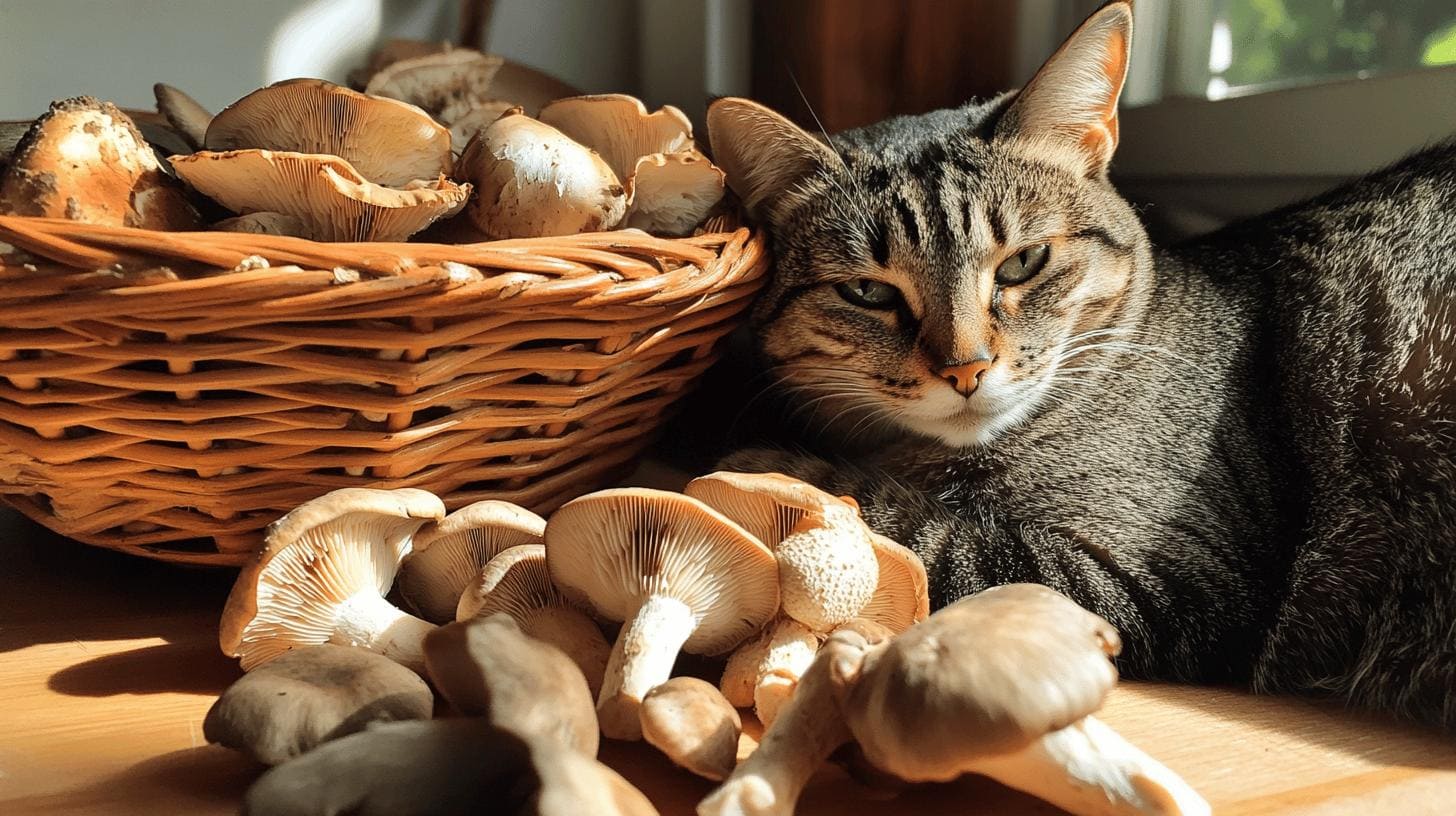
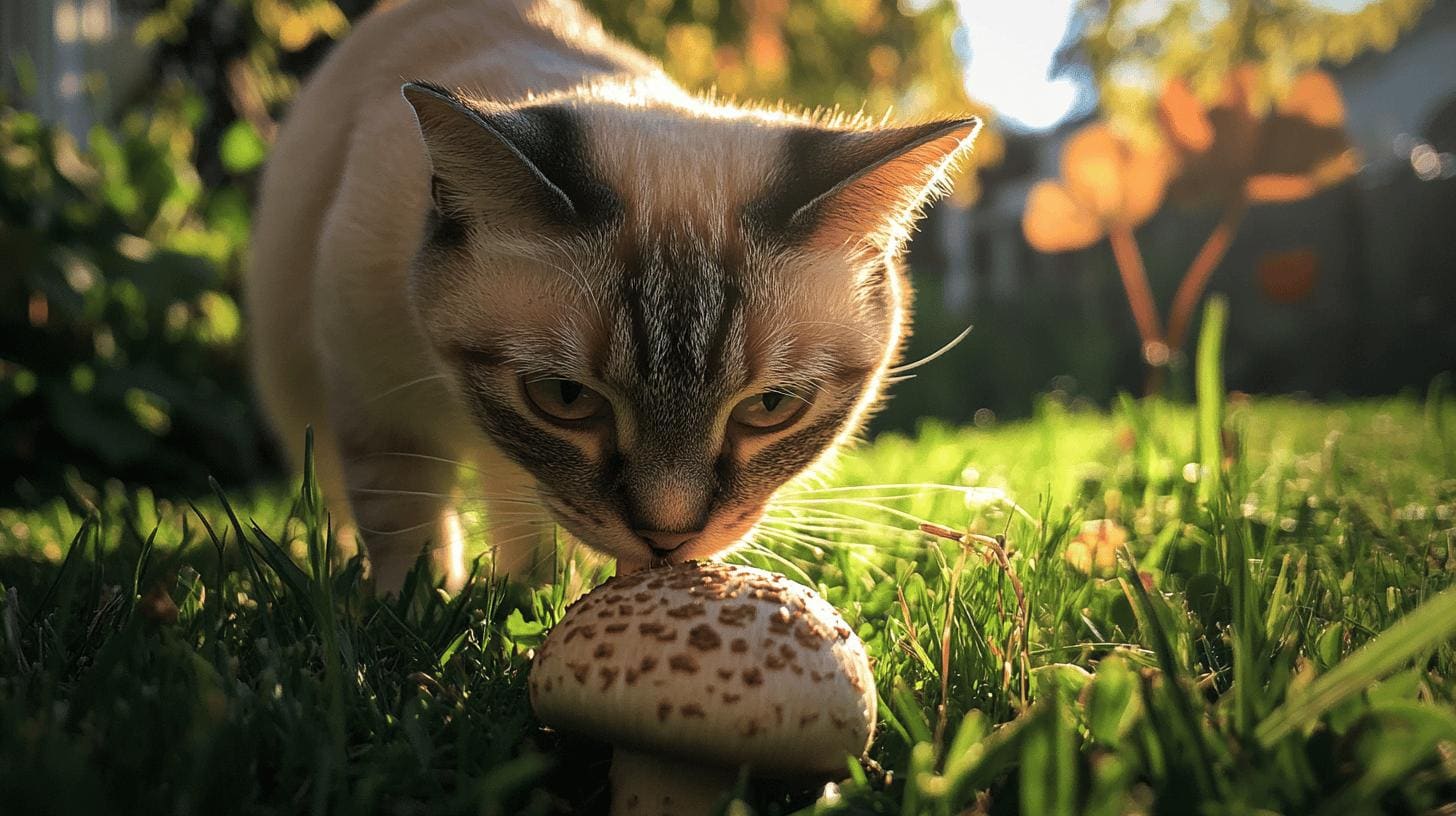
Are mushrooms a safe snack for your cat, or should you be worried about what grows in your yard? While store-bought mushrooms like white button and portobello can be a nutritious treat, wild mushrooms pose a significant threat to your feline friend. In this article, we’ll dive into how to safely introduce mushrooms into your cat's diet, identify which mushrooms to avoid, and ensure a fun and safe playtime with store-bought options. Let's make certain your curious kitty can explore without any risk of a mushroom mishap.
Can Cats Eat Mushrooms Safely?
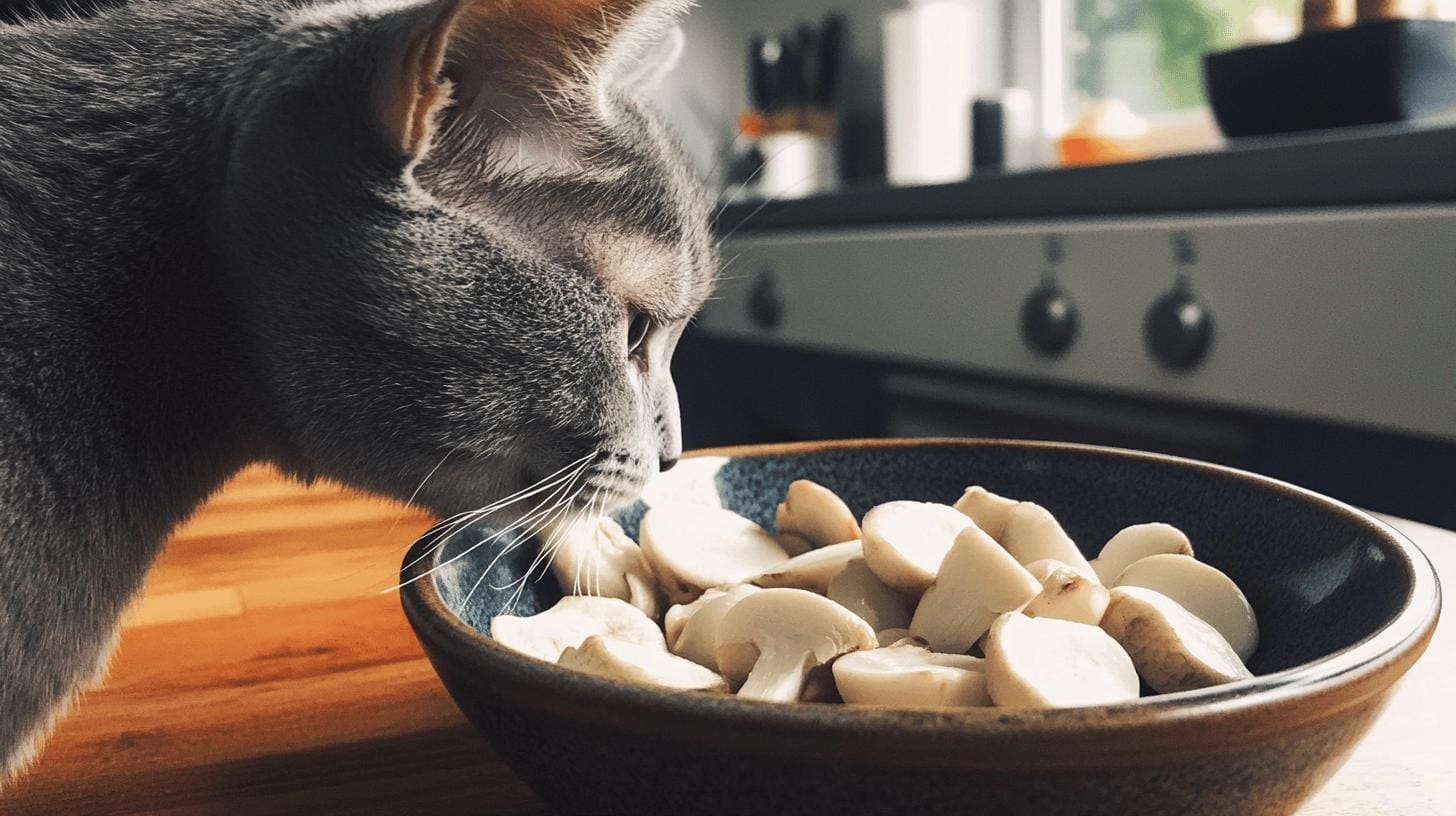
Store-bought mushrooms like white button, portobello, and shiitake are generally safe for cats. These mushrooms provide some nutritional benefits, including B vitamins and minerals, which can support your cat's overall health. However, they should only be given in moderation and should never replace the meat that cats need for their diet. Cats are obligate carnivores, meaning their primary nutritional requirement is meat, so mushrooms should only be an occasional treat.
Cooked mushrooms are preferable over raw ones when it comes to feeding your feline friend. Cooking mushrooms makes them easier for cats to digest and reduces the risk of any potential digestive issues. Simply boiling or steaming the mushrooms without adding any seasoning ensures they're safe for your cat to nibble on. Under no circumstances should mushrooms be cooked with garlic, onion, or other spices, as these can be harmful to cats.
Here's a quick list of safe store-bought mushrooms for your cat to enjoy:
- White Button
- Portobello
- Shiitake
Remember to introduce any new food slowly and watch for any adverse reactions. While mushrooms can be a fun and safe treat, they should be given sparingly and as part of a balanced diet.
Identifying Toxic Mushrooms for Cats
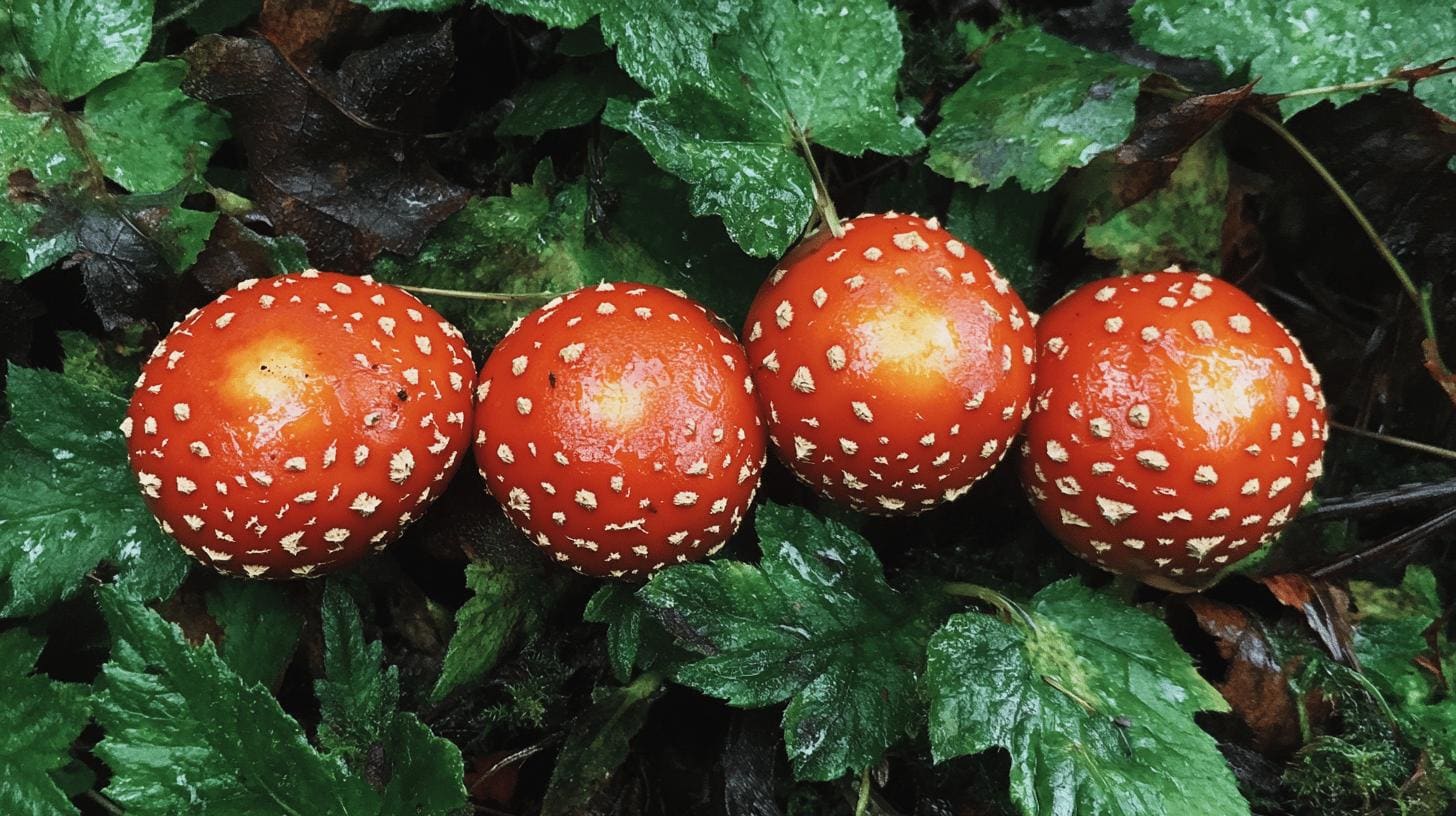
Wild mushrooms are a significant threat to cats because of their potent toxins. Mushrooms like Fly Agaric, known for its red cap with white spots, can be particularly harmful. The tricky part is that only those who are experienced in mushroom identification can safely determine which mushrooms are non-toxic. This underscores the importance of keeping your cat away from any wild mushrooms. The toxins in these mushrooms can lead to severe symptoms such as tremors, seizures, and even hallucinations in cats. Immediate veterinary care is essential if you suspect your cat has ingested a toxic mushroom.
Cats are naturally curious creatures, and their exploration might lead them to nibble on mushrooms in the garden or during walks. The symptoms of mushroom toxicity can appear quickly, so it's crucial to recognize them early and act fast. If your cat shows any unusual symptoms, contact a vet right away. Always err on the side of caution and remove any mushrooms from areas where your cat might wander. Here’s a quick guide to some common toxic mushrooms and their identifying features:
| Mushroom Name | Identifying Features |
|---|---|
| Fly Agaric | Red cap with white spots |
| Deadly Galerina | Brown cap, found on decaying wood |
| Autumn Skullcap | Brown cap with sticky surface |
| Destroying Angel | White cap with a large, bulbous base |
Symptoms and Treatment of Mushroom Poisoning in Cats
Mushroom poisoning in cats can manifest with alarming symptoms that pet owners need to recognize quickly. Within just a few hours of ingesting a toxic mushroom, a cat can exhibit signs such as hallucinations, tremors, and seizures. These symptoms indicate a serious reaction that requires prompt attention. Other signs to watch for include vomiting, diarrhea, lethargy, and unsteady gait. Cats may also show changes in behavior or consciousness. Recognizing these symptoms early is crucial for the cat's health and can make a significant difference in the outcome.
Immediate veterinary care is essential when dealing with mushroom poisoning. The toxins present in some mushrooms can lead to rapid deterioration of a cat's condition. A veterinarian will be able to provide the necessary treatments, which might include inducing vomiting, administering activated charcoal to absorb the toxins, or providing intravenous fluids to support the cat's recovery. Quick action is vital, as delays could lead to more severe complications or even be life-threatening. Do not attempt to treat mushroom poisoning at home beyond basic first aid.
Emergency First Aid
In the event of mushroom poisoning, having a well-stocked first aid kit and knowing basic first aid can help stabilize your cat before reaching the vet. First, ensure your cat is in a calm and quiet environment to prevent further stress. Keep the cat hydrated by offering small amounts of water, if possible. Avoid giving any food or medications unless directed by a veterinarian. Note down any symptoms and gather any mushroom remnants to help the vet identify the toxin. Always prioritize reaching a veterinary clinic as soon as possible to give your feline friend the best chance of recovery.