Can cats eat cakes? This might seem like an innocent question, especially when your furry friend eyes your dessert with interest. But there’s more to it than you might think. Cats are not little humans, and their dietary needs are quite different. As much as we love treating ourselves, treating our cats to cake could lead to serious health issues. In this post, we’ll uncover the risks hidden in every slice and share safer, feline-friendly options. Understanding these risks can keep your cat happy, healthy, and entertained without any sugary side effects.
Can Cats Safely Eat Cakes?
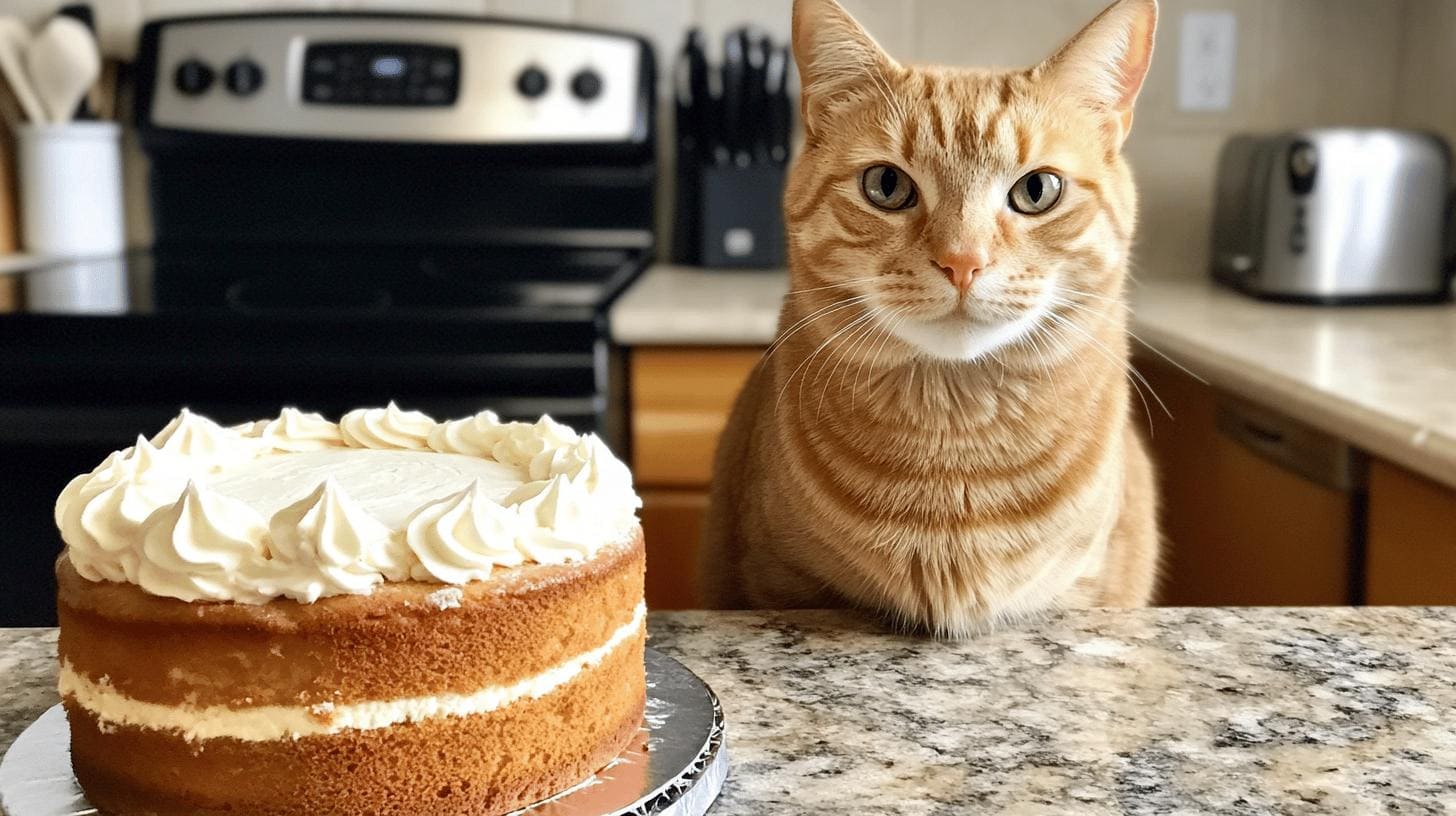
Cats should not eat cakes. As obligate carnivores, their diet is designed to be primarily meat-based, and cakes generally contain ingredients that are harmful to them. While it might seem tempting to let your feline friend enjoy a sweet treat, cakes are not safe for cats. Their digestive systems aren’t equipped to handle the sugars and fats found in these human desserts.
Here are some of the harmful ingredients commonly found in cakes:
- Chocolate: Contains theobromine, which is toxic to cats.
- Sugar: Can lead to obesity and diabetes, as cats do not naturally process sugars well.
- Nuts (especially macadamia): Known to cause toxicity and digestive upset in cats.
- Milk: Many cats are lactose intolerant, which can result in stomach issues.
- High-fat content: Excessive fats can lead to pancreatitis and other health problems.
The general risks of these ingredients include severe health issues like obesity, diabetes, and digestive problems. Cats need a diet rich in animal protein and low in carbohydrates to thrive. Feeding them cake or any other human food can disrupt their nutritional balance and lead to long-term health complications. To keep your cat healthy, it’s best to stick to a meat-based diet specifically formulated for their dietary needs.
Health Risks of Cakes for Cats
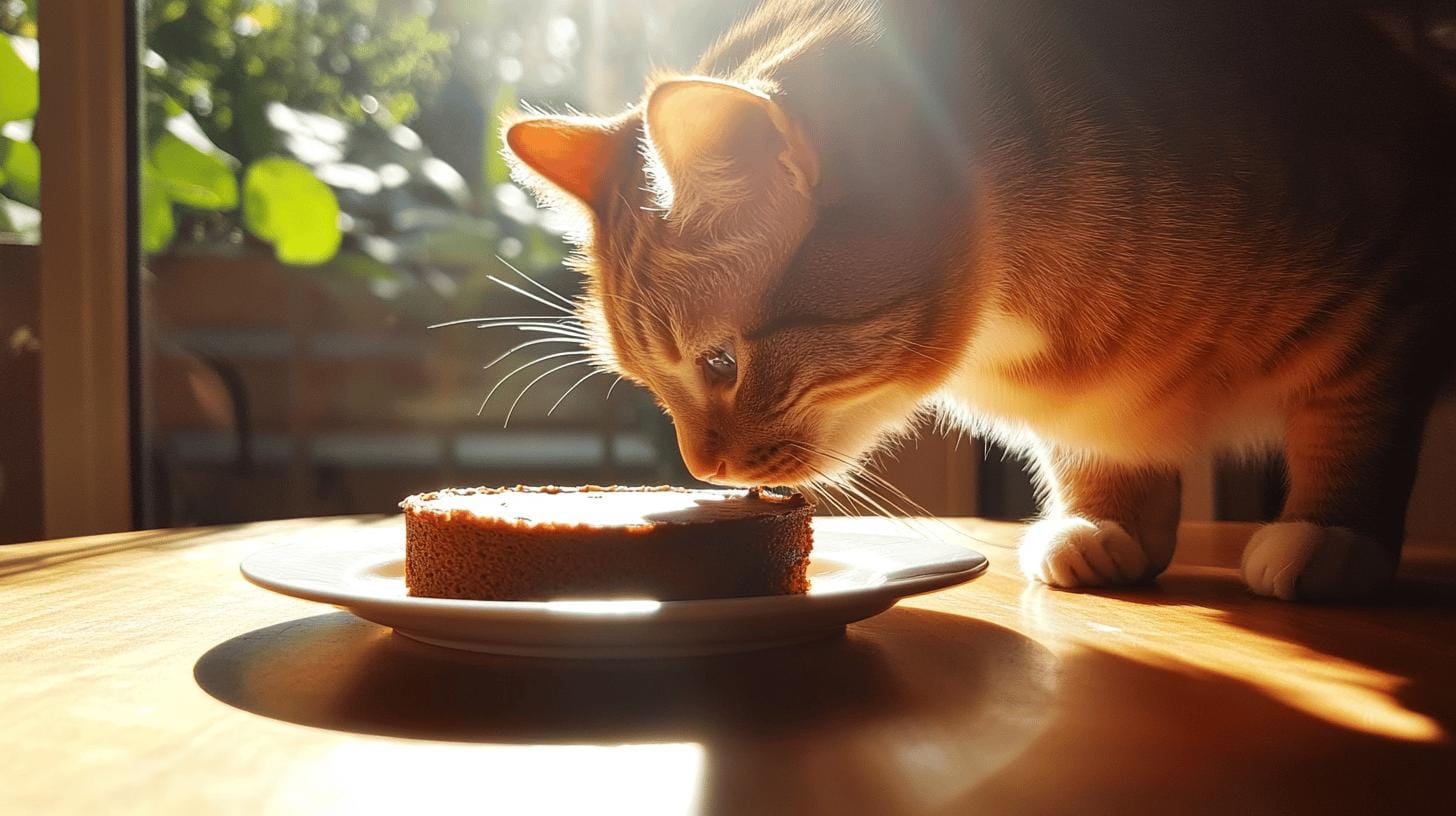
Chocolate is a notorious ingredient in many cakes and poses a significant risk to cats. Containing theobromine and caffeine, chocolate is toxic to our feline friends. Cats are particularly sensitive to these compounds, which can disrupt their nervous system and heart function.
Here are four symptoms of chocolate poisoning in cats:
- Vomiting
- Diarrhea
- Increased heart rate
- Seizures
Cakes also pose other health risks due to their high sugar and fat content. Excessive sugar can lead to obesity, a condition that predisposes cats to diabetes and joint problems. The fatty ingredients in cakes can cause pancreatitis and contribute to weight gain.
Dental issues are another concern, as sugary foods can lead to tooth decay and gum disease. These long-term health risks highlight the importance of providing a diet that aligns with a cat’s natural nutritional needs.
Are There Any Safe Cake Alternatives for Cats?
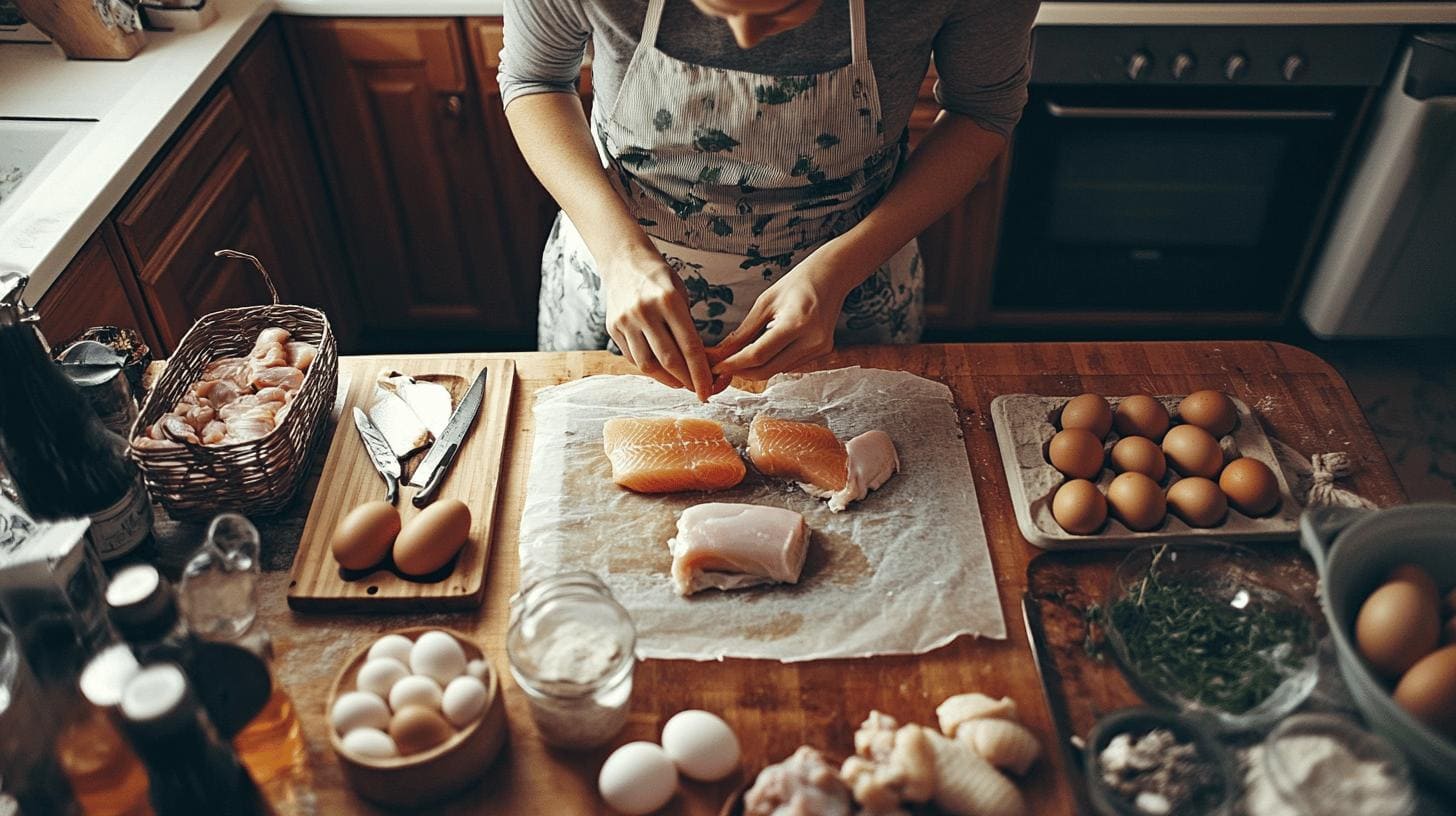
Cats can enjoy special treats that mimic the idea of a cake without the risks associated with traditional human cakes. Pet-safe cakes for cats are crafted using ingredients that cater to their dietary needs and avoid harmful substances like sugar, milk, and chocolate. These special “cat cakes” can be a delightful way to celebrate occasions with your feline friend without compromising their health.
Here are some safe ingredients you can use to make cat cakes:
- Fish
- Chicken
- Eggs
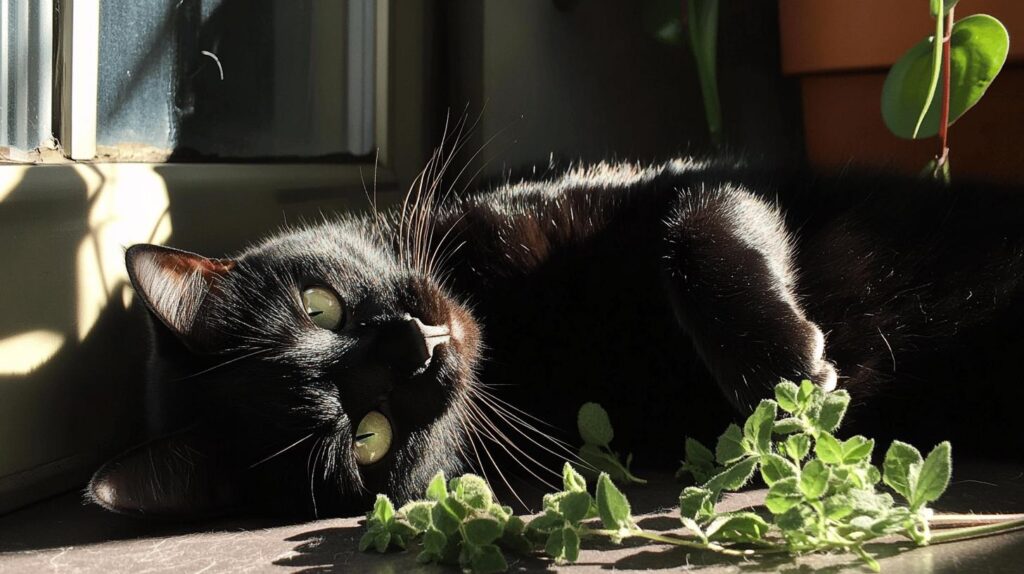
- Catnip
Simple Homemade Cat Cake Recipe
Creating a cat-friendly cake at home is easier than you might think. Start by selecting a protein source like fish or chicken; these are not only safe but also highly appealing to cats. Here’s a simple recipe to try:
- Ingredients:
- 1 small can of tuna or salmon (in water, drained)
- 1 egg
- A pinch of catnip
- Instructions:
- Preheat your oven to 350°F (175°C).
- In a bowl, mix the tuna or salmon with the egg and catnip until well combined.
- Spoon the mixture into small, greased muffin tins or form into small patties on a baking sheet.
- Bake for about 10-12 minutes or until firm.
- Let cool completely before serving to your cat.
Using these alternatives for special occasions allows your cat to partake in celebrations without the health risks associated with human cakes. These homemade treats provide a safe and enjoyable experience tailored to their nutritional needs.