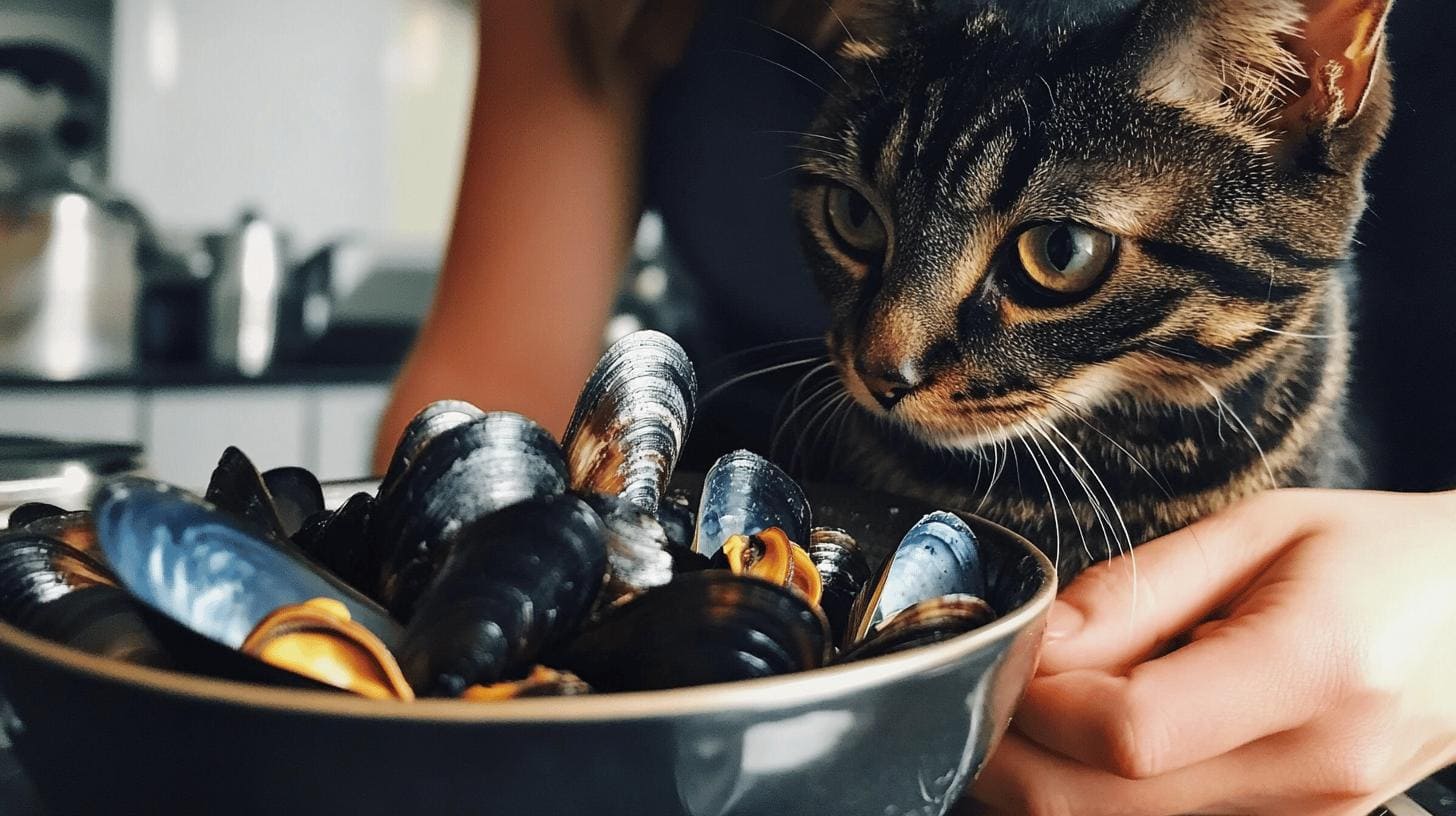
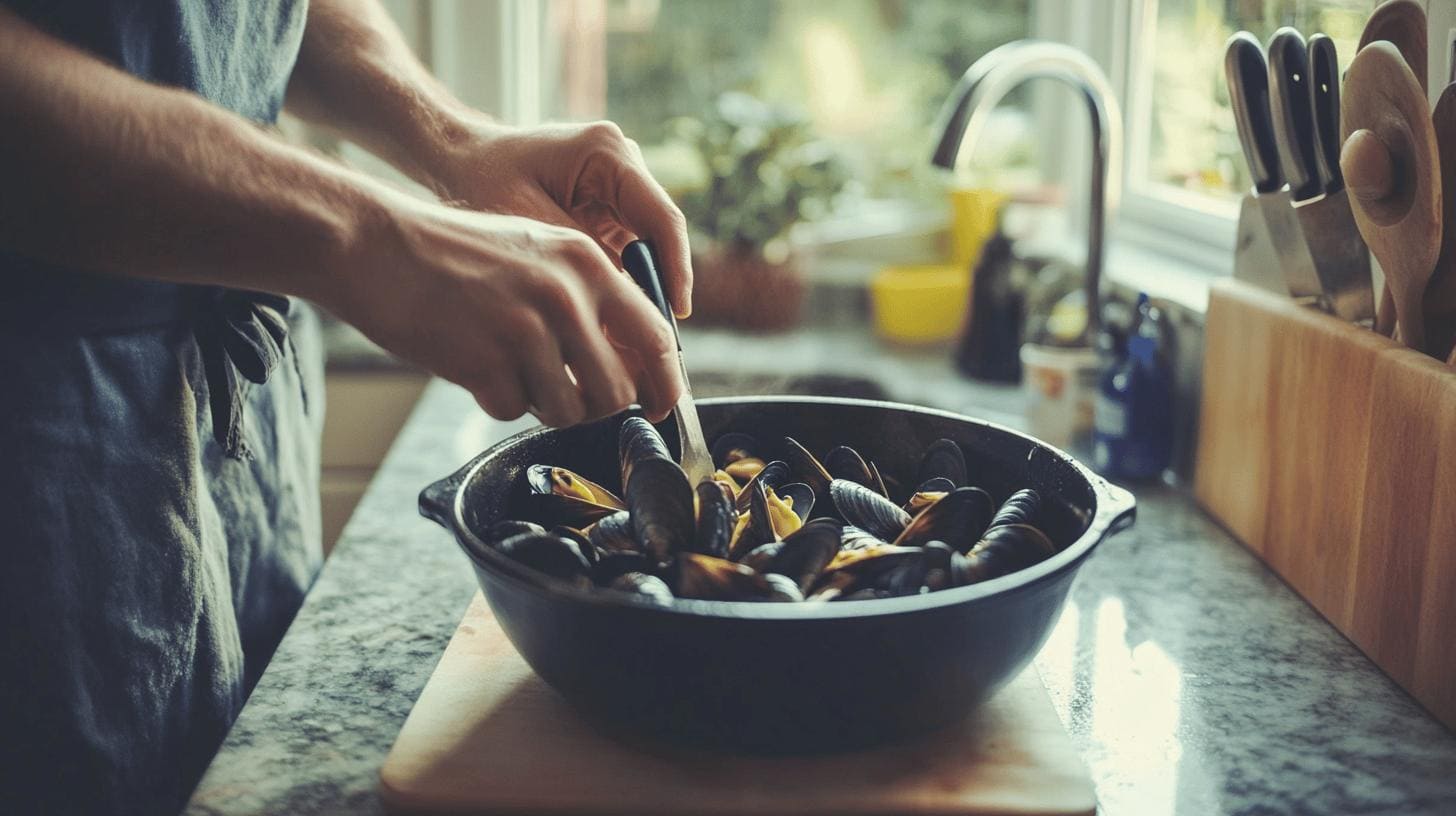
Ever wondered if mussels could be more than just a seafood delicacy? Could they actually be a health boost for your feline friend? Mussels can be a beneficial treat for cats, packed with protein, omega-3s, and vital minerals.
But there's a catch: they need to be served cautiously. In this article, I'll dive into the dos and don'ts of feeding mussels to your cat, exploring the potential benefits they offer, along with some essential safety tips. Get ready to discover how mussels might just be a purr-fect addition to your cat's diet!
Can Cats Safely Eat Mussels?
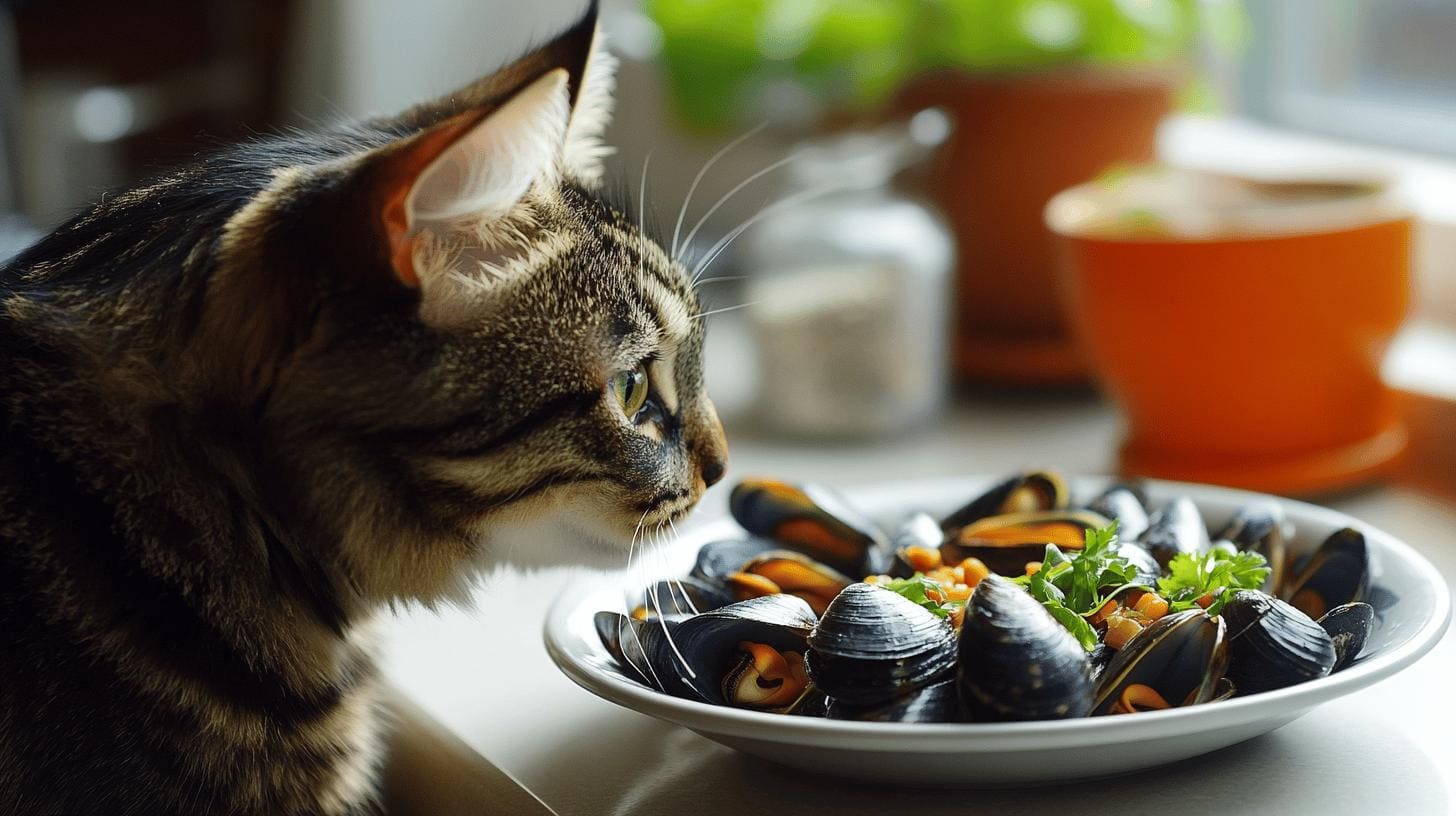
Cats can safely enjoy mussels as a treat, but only in small quantities. Mussels are a nutritious option, providing protein, omega-3 fatty acids, and essential minerals. These nutrients can be beneficial for your cat's health when served occasionally. It's important to remember that mussels should not replace a cat's regular diet but can be a delightful addition to their meal plan.
Moderation is key when introducing mussels to your cat's diet. Overfeeding can lead to dietary imbalances or potential health issues. Always choose fresh mussels from a reliable source to ensure they are free from harmful toxins and contaminants.
Cooking the mussels thoroughly and serving them plain, without shells, reduces the risk of choking or digestive problems. Monitoring your cat for any signs of allergic reactions or digestive issues is crucial when offering this new treat.
Nutritional Benefits of Mussels for Cats
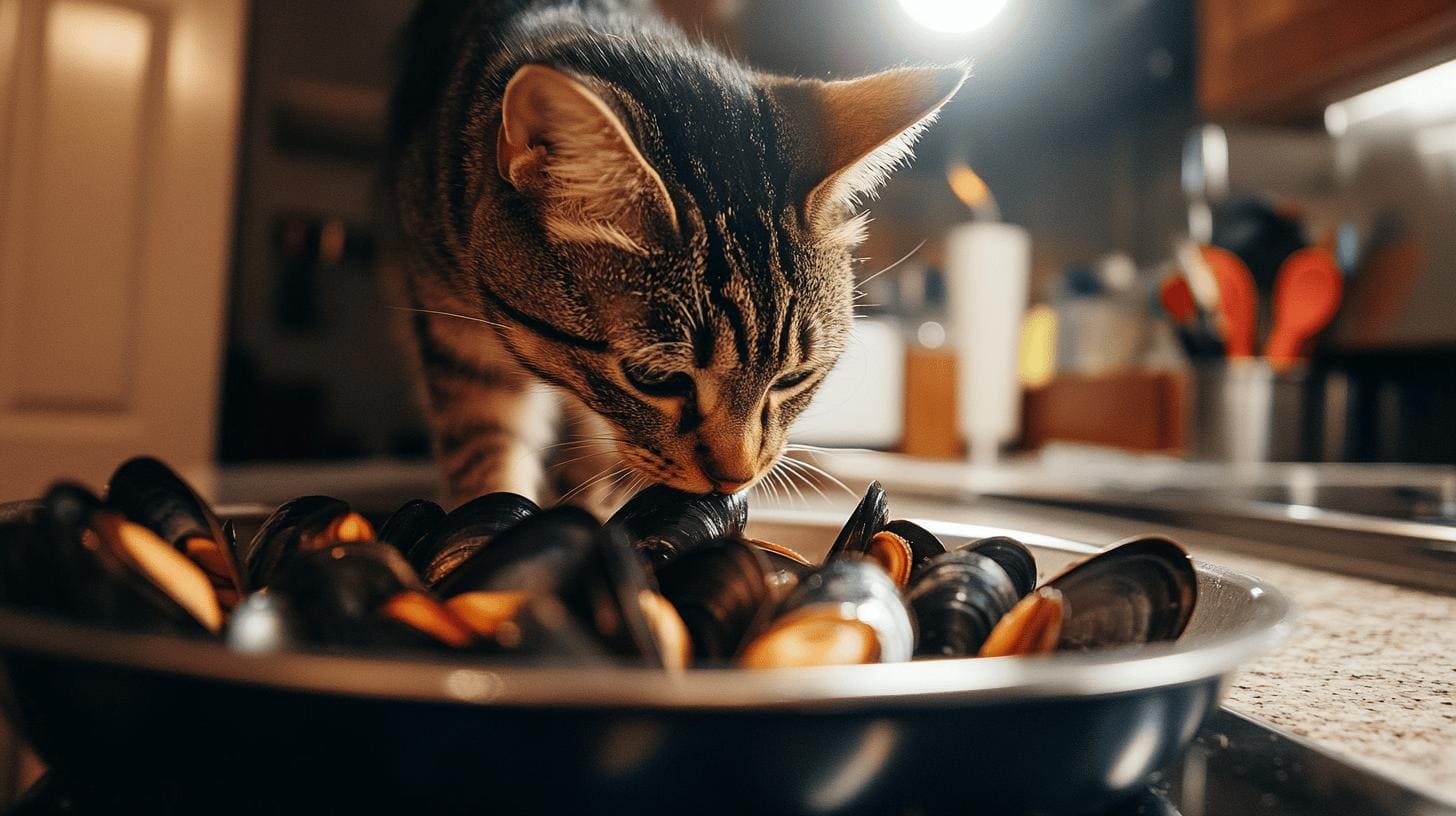
Mussels pack a punch when it comes to nutritional benefits for cats. These tasty morsels are loaded with essential nutrients that can support your cat's health. Offering mussels as an occasional treat can provide your feline friend with a variety of vitamins and minerals that are sometimes missing in commercial cat foods. While mussels should not replace a balanced diet, they can be a nutritious addition that enhances your cat's overall nutritional intake.
The protein content in mussels is particularly beneficial for cats, as they contain approximately 23% protein. This high-quality protein is highly bioavailable, meaning your cat can easily absorb and utilize it for muscle maintenance and growth.
Protein is a vital component of a cat's diet, supporting everything from energy levels to immune function. Including mussels in your cat's diet can help meet these protein needs without adding too much fat, as they only contain about 3.5% fat.
Here's a quick look at the top nutrients found in mussels:
| Nutrient |
|---|
| Omega-3 fatty acids |
| Vitamins B12 and C |
| Iron |
| Selenium |
| Manganese |
Omega-3 fatty acids in mussels offer significant benefits for your cat, particularly for skin and joint health. These essential fatty acids can help reduce inflammation, making them beneficial for cats with arthritis or other joint issues.
Additionally, omega-3s contribute to a shiny, healthy coat, reducing dryness and flakiness. By including mussels as a treat, you can help promote your cat's well-being from the inside out.
Potential Risks of Feeding Mussels to Cats
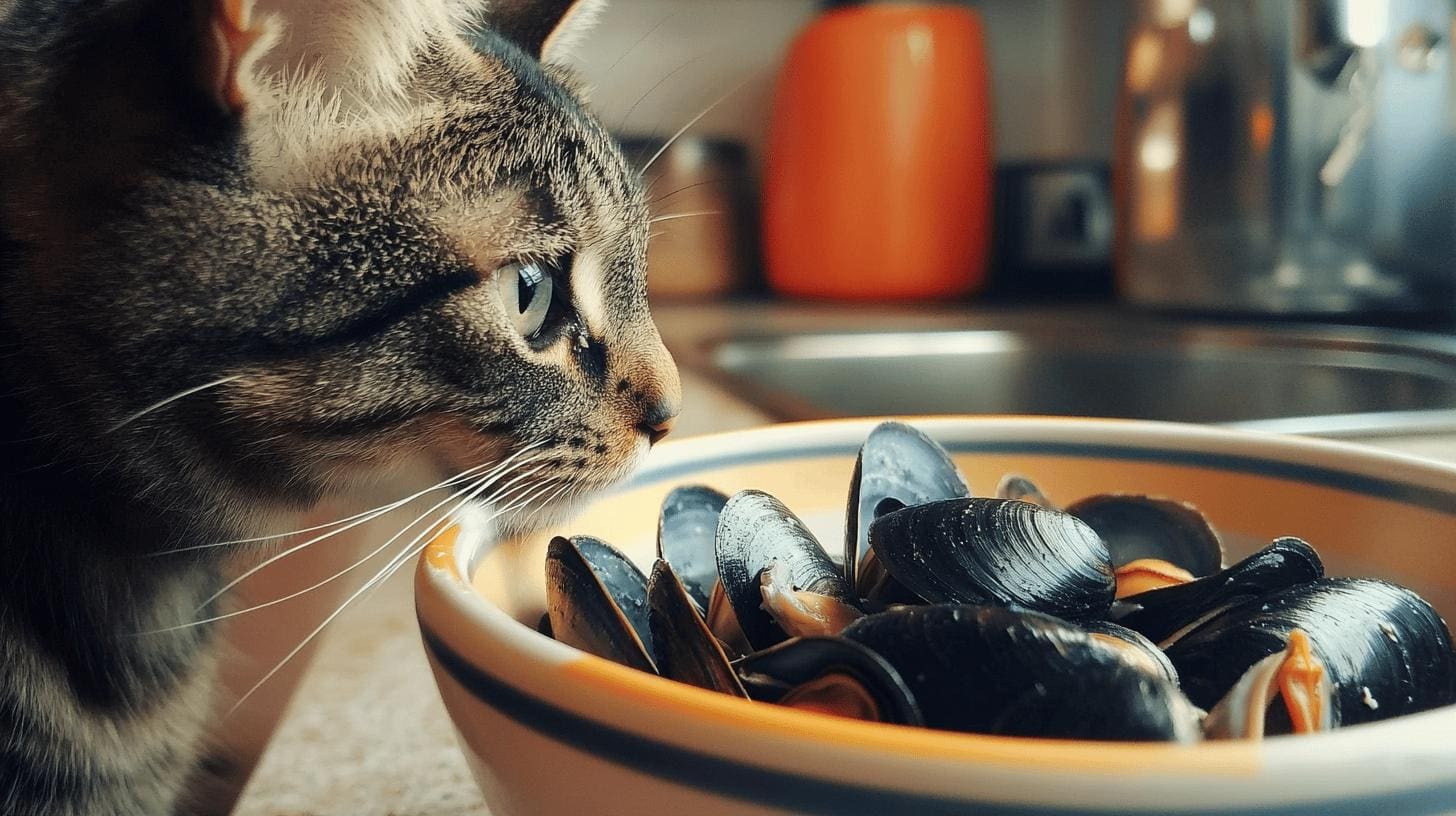
Feeding mussels to cats comes with several potential risks that should not be overlooked. One of the main concerns is the possibility of allergic reactions, as some cats may be sensitive to seafood, leading to symptoms like vomiting, diarrhea, or skin irritations.
Furthermore, mussels can expose your cat to toxins, such as paralytic shellfish toxins and heavy metals, which may be present in contaminated water sources. These toxins can pose serious health threats if ingested, making it essential to source mussels responsibly.
To keep your cat safe while enjoying mussels as a treat, adhere to the following precautions:
- Cook mussels thoroughly to eliminate harmful bacteria and reduce the risk of foodborne illnesses.
- Remove shells completely to prevent choking hazards and internal injuries.
- Serve mussels plain, avoiding any seasonings or additives that could upset your cat's digestive system.
- Monitor for allergic reactions and discontinue feeding mussels if any adverse symptoms occur.
Proper preparation of mussels is crucial to minimize risks and ensure your cat's safety. Cooking mussels thoroughly not only kills bacteria but also neutralizes potential toxins, making them safer for your feline friend. By removing the shells, you avoid the risk of choking or digestive blockages.
Serving mussels plain and free from any seasonings ensures that your cat's digestive tract remains unharmed. Keeping a close watch for any signs of allergies or digestive issues will help you act quickly if your cat reacts negatively, safeguarding their health while they enjoy this seafood treat.