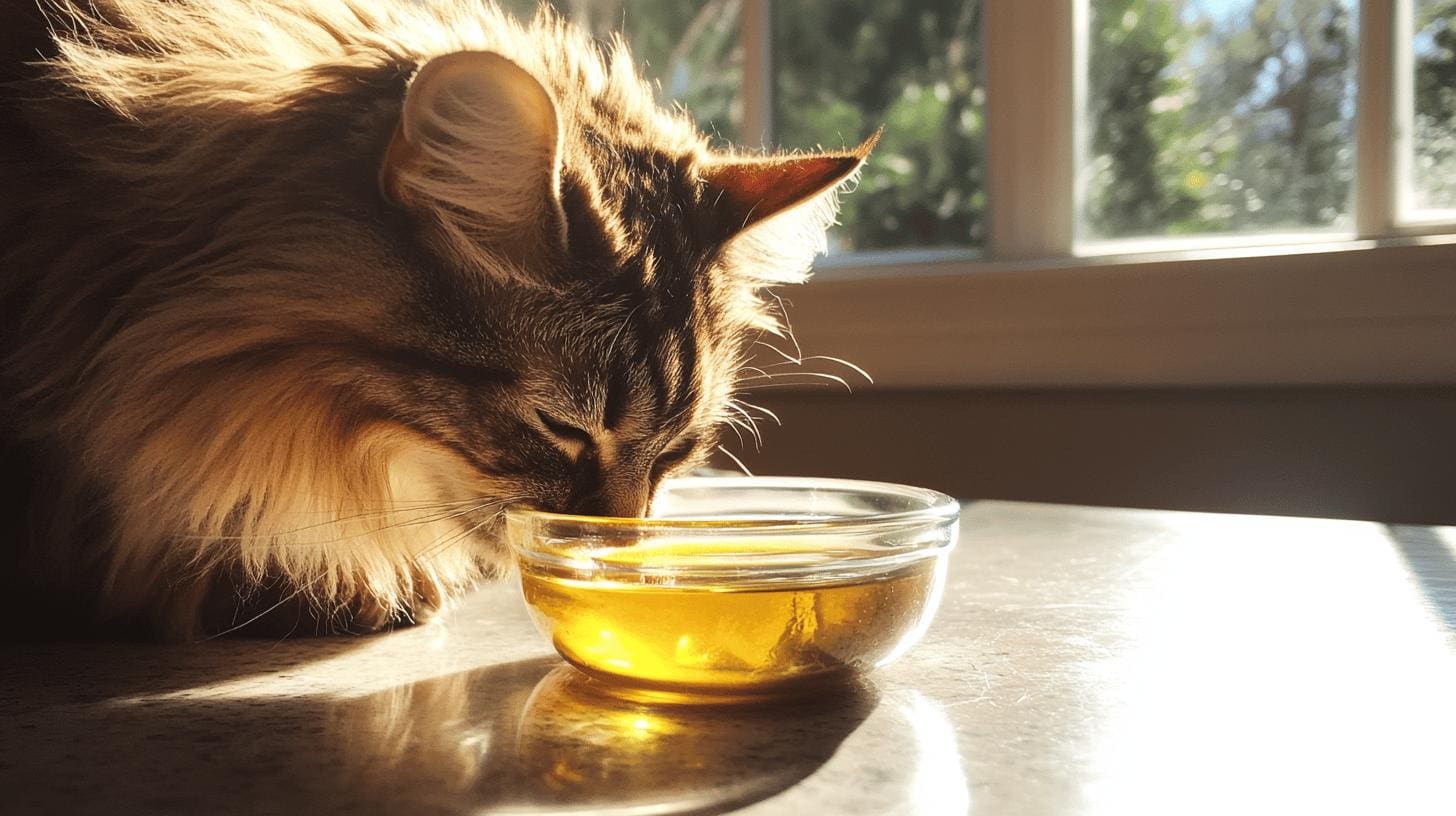
Is olive oil a secret health booster for your cat or a slippery slope to health issues? Many cat owners are unsure about whether this kitchen staple belongs in their feline friend's diet. In small amounts, olive oil can offer surprising benefits for your pet's coat and immune system. However, misuse or overuse might lead to digestive troubles and unwanted weight gain. Dive into our guide to learn how olive oil can safely complement your cat's diet and enhance their well-being without compromising their health.
Can Cats Safely Consume Olive Oil?
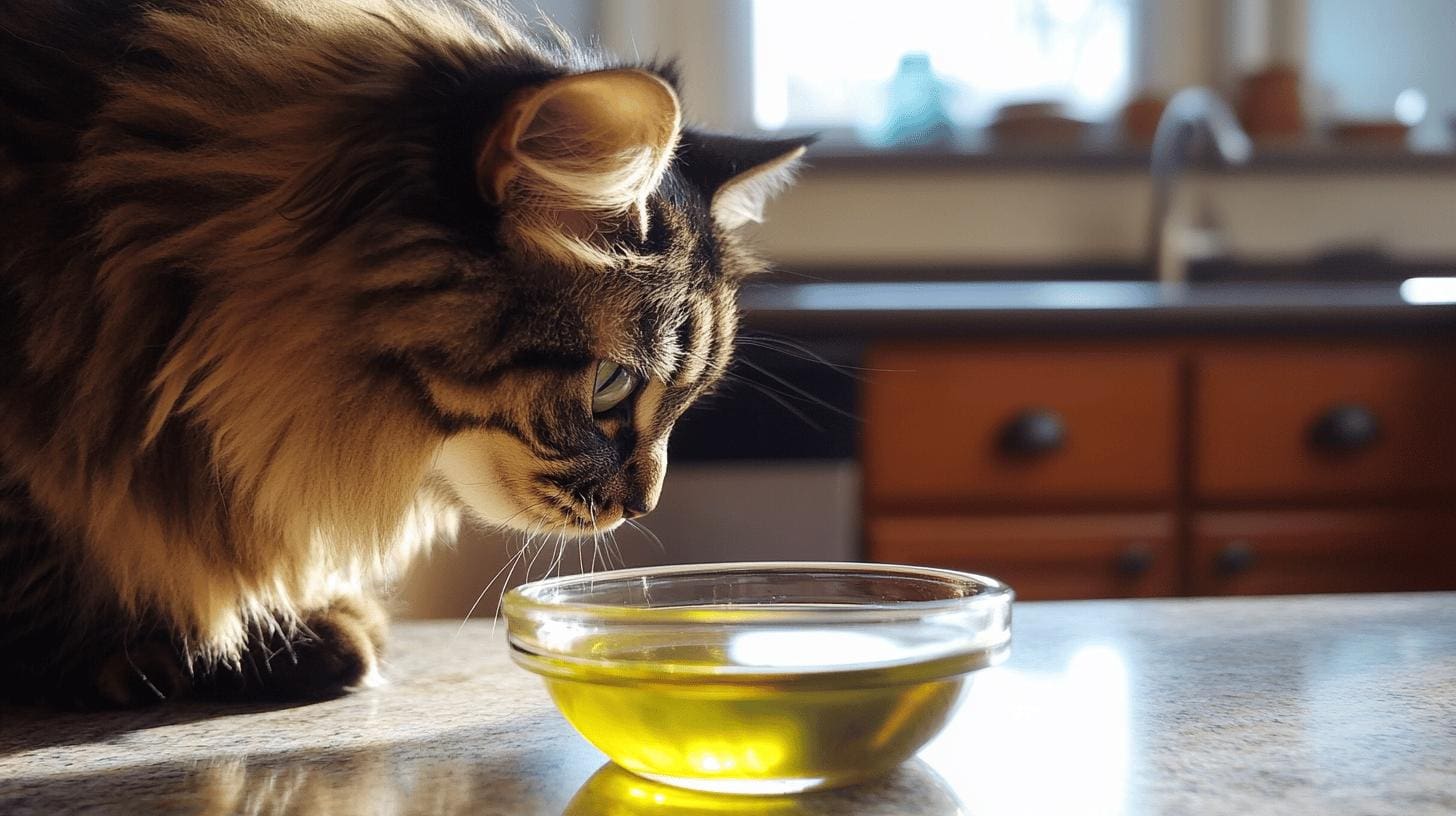
Yes, cats can safely consume olive oil, but only in very small amounts. Olive oil is not toxic to cats, yet its high-fat content means it should be given sparingly. Veterinarians typically recommend a daily dosage of no more than half a teaspoon mixed into your cat's food. This ensures that the oil acts as a beneficial supplement rather than overwhelming their dietary needs.
Olive oil should never replace a cat's natural diet. Instead, it's best used as an occasional addition to enhance their meals. Overusing olive oil can lead to several health issues in cats. Its rich fat content can cause weight gain and digestive problems. Always consult with a veterinarian before adding it to your pet's diet to tailor the amount to your cat's specific needs.
Potential adverse effects of excessive olive oil consumption include:
- Digestive issues such as diarrhea
- Vomiting
- Obesity due to high caloric intake
- Pancreatitis, a serious condition affecting digestion
- Disrupted nutrient absorption
Keeping olive oil as an occasional treat ensures your feline friend enjoys its benefits without the risks.
Health Benefits of Olive Oil for Cats
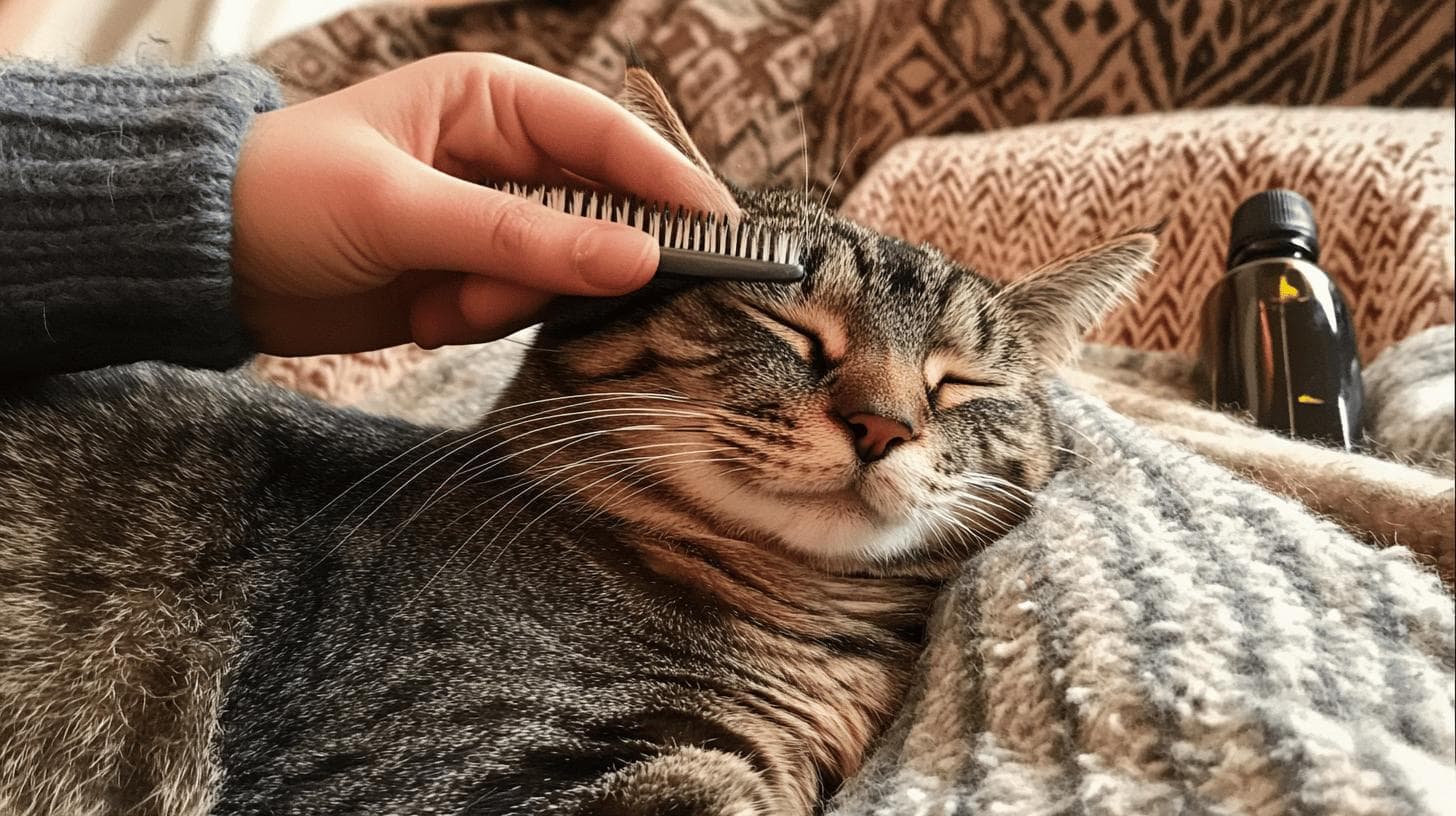
Olive oil isn't just a tasty treat for us humans; it holds several health benefits for our feline friends too. Its rich antioxidant content and healthy fats can make a positive difference in a cat's overall well-being. By integrating small amounts into your cat’s diet, you may notice improvements in their coat and immune system.
Coat Health
Olive oil can work wonders for your cat's coat. The healthy fats in olive oil contribute to reducing dry skin and dandruff, making their fur softer and shinier. If your cat struggles with itchy, flaky skin, a tiny bit of olive oil might help soothe and moisturize the skin. This can lead to less dandruff and a happier, more comfortable kitty. Regularly adding a few drops to their food could improve their coat's texture and appearance over time.
Immune System Support
The antioxidants present in olive oil, such as vitamin E, can play a crucial role in boosting a cat's immune system. These antioxidants help in fighting off free radicals, which can cause cell damage. By enhancing their immune response, olive oil can help protect your cat from various illnesses and diseases. A small, controlled addition of olive oil to their diet can contribute to a stronger, healthier feline companion who is better equipped to fend off health challenges.
Olive Oil for Digestive Support in Cats
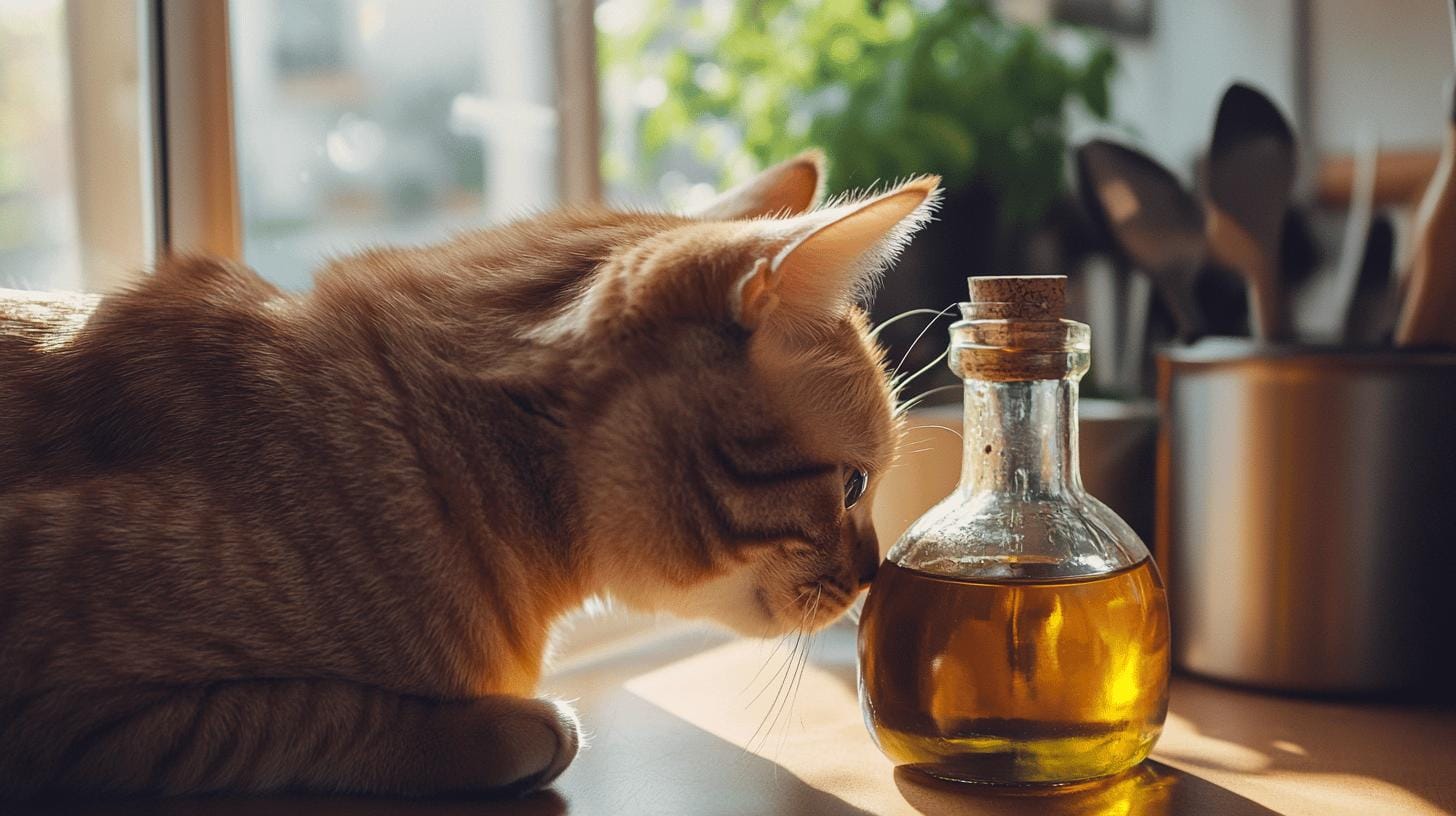
Olive oil can serve as a gentle digestive aid for cats, especially those facing mild to moderate constipation. Thanks to its natural laxative properties, it helps ease the passage of stool and can be particularly beneficial during IBS flare-ups. By integrating olive oil into a cat's diet in safe, measured amounts, pet owners can offer their feline companions some much-needed relief from digestive troubles.
Constipation Relief
For cats dealing with constipation, olive oil can be a helpful ally. Its lubricating effect on the digestive system makes it easier for stools to pass. The oil works by softening the stools, reducing the discomfort associated with constipation, and alleviating pain during IBS episodes. By smoothing the way for bowel movements, olive oil can make a significant difference in a cat's comfort and health.
Proper Dosage
When adding olive oil to a cat's diet, it's crucial to stick to the recommended dosage to avoid potential side effects. Veterinarians suggest no more than 1/4 teaspoon of olive oil per day, mixed into the cat's food. This small amount is usually enough to provide the desired digestive benefits without overwhelming the cat's system. Always monitor your cat for any signs of digestive upset, and consult your vet if you have any concerns about using olive oil.
| Condition | Olive Oil Effect | Dosage |
|---|---|---|
| Constipation | Softens stools | 1/4 teaspoon per day |
| IBS Flare-ups | Reduces pain | 1/4 teaspoon per day |
| General Digestion | Lubricates system | 1/4 teaspoon per day |