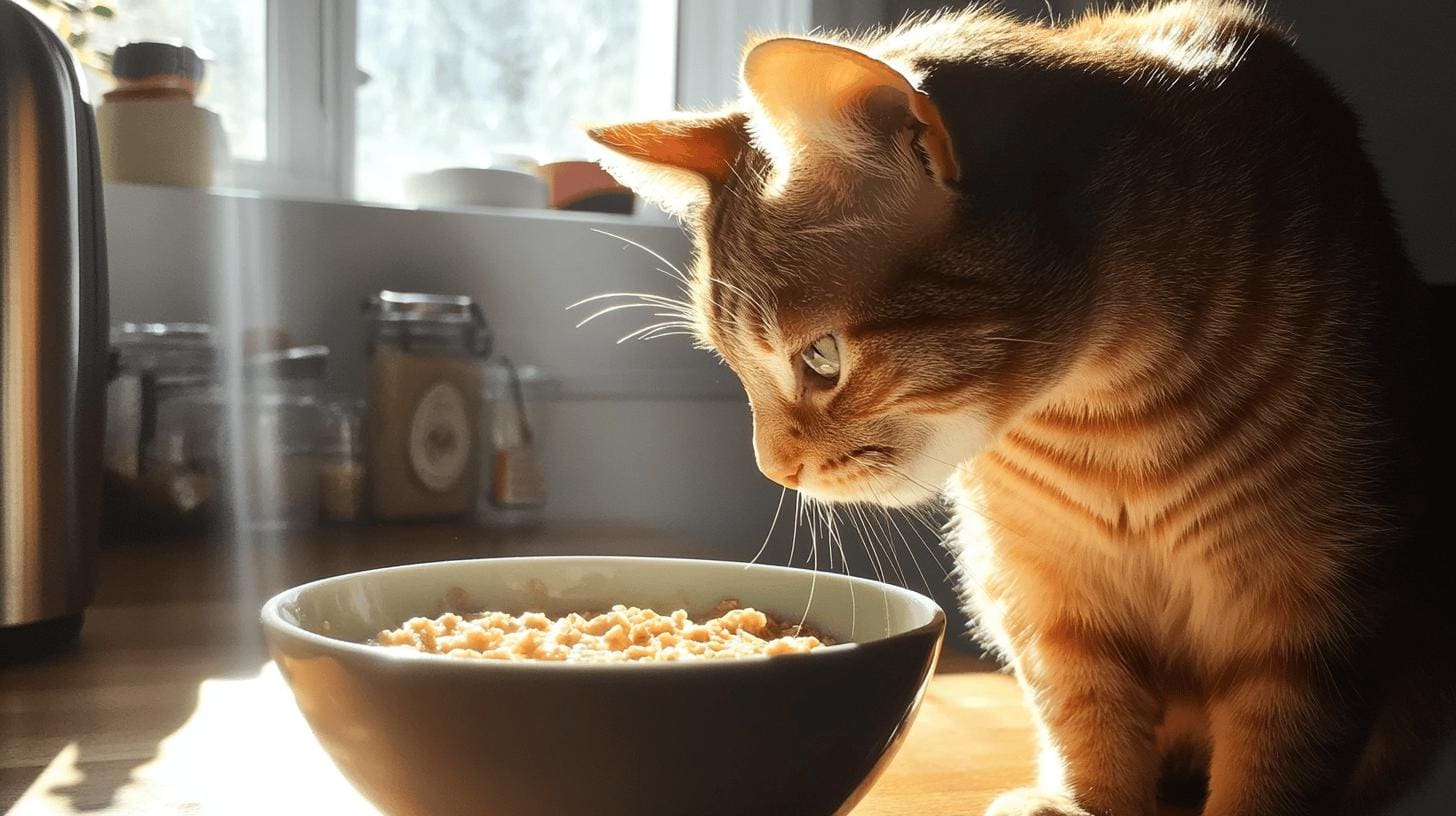
Can cats eat oatmeal safely, or is it playing with fire? As cat lovers, we often find ourselves pondering about the safest treats for our furry companions. While cats are naturally drawn to meaty diets, herbs, and grains like oatmeal can spark our curiosity. Oatmeal, surprisingly, can be safe for cats, adding a sprinkle of variety to their meals when served correctly. In this post, we'll explore the ins and outs of feeding your cat oatmeal. You'll learn the best serving methods and the essential precautions to ensure a safe and tasty treat.
Can Cats Safely Eat Oatmeal?
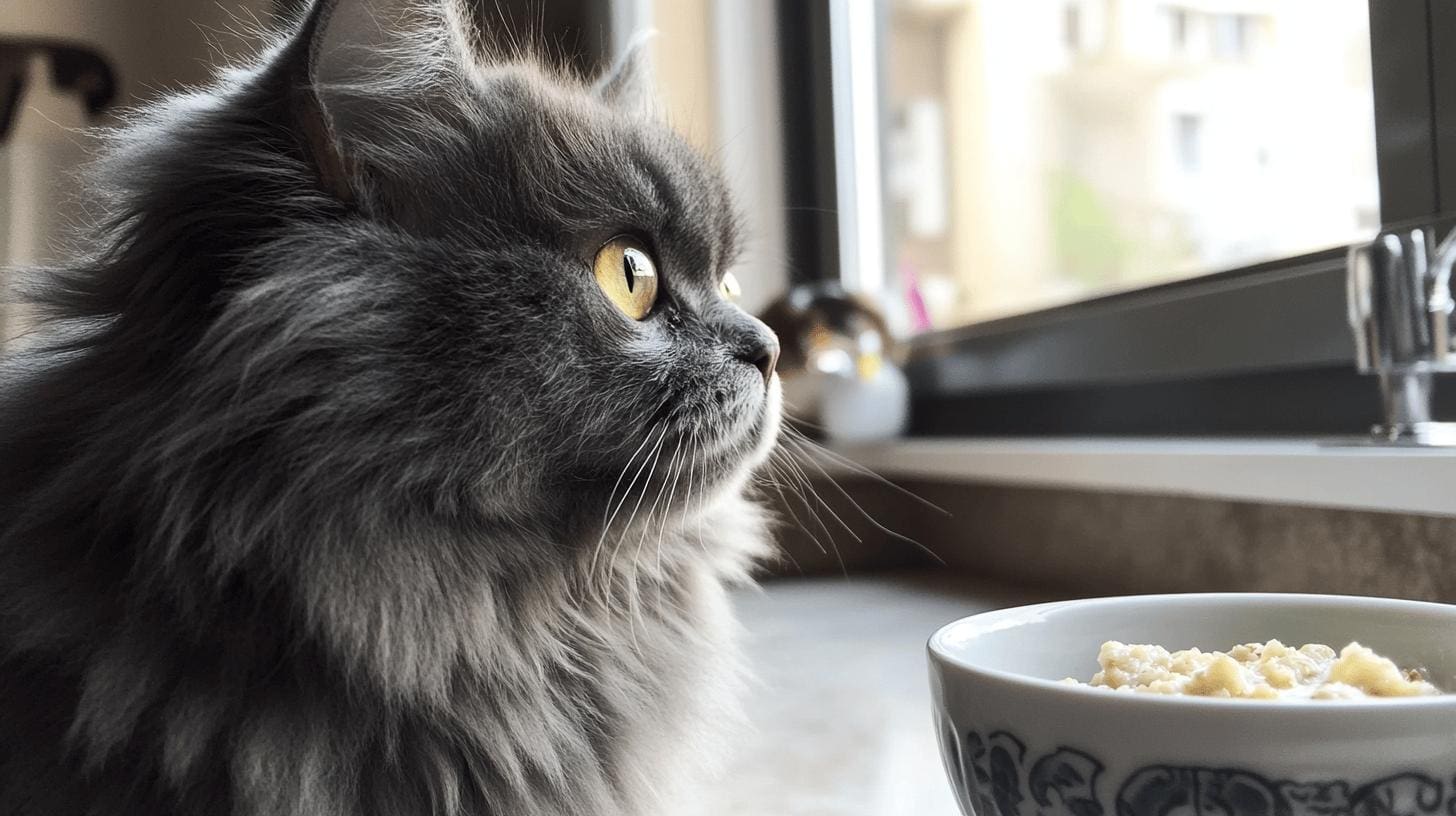
Oatmeal is safe for cats because it contains no toxins or harmful components. It's not going to cause immediate health concerns if your cat takes a nibble. However, cats are obligate carnivores, meaning their primary dietary needs are met through animal-based proteins and fats. Oatmeal is high in carbohydrates, which aren't necessary for a cat's diet. While it can be a safe treat, it should only be served occasionally and in small amounts. The key is moderation.
Here are a few occasions when oatmeal could be served safely as a treat:
- Use plain oatmeal without any additives.
- Offer it cooked and mixed with water, not milk.
- Consider it as a rare treat, not a meal replacement.
- Serve in very small portions, like a teaspoon.
- Pair it with protein sources for added nutrition.
Before introducing oatmeal or any new food into your cat's diet, it's always a good idea to consult with a veterinarian. They can provide personalized advice based on your cat's specific nutritional needs and health conditions. While oatmeal isn't harmful, professional guidance ensures that your cat’s diet remains balanced and healthy.
Nutritional Aspects of Oatmeal for Cats
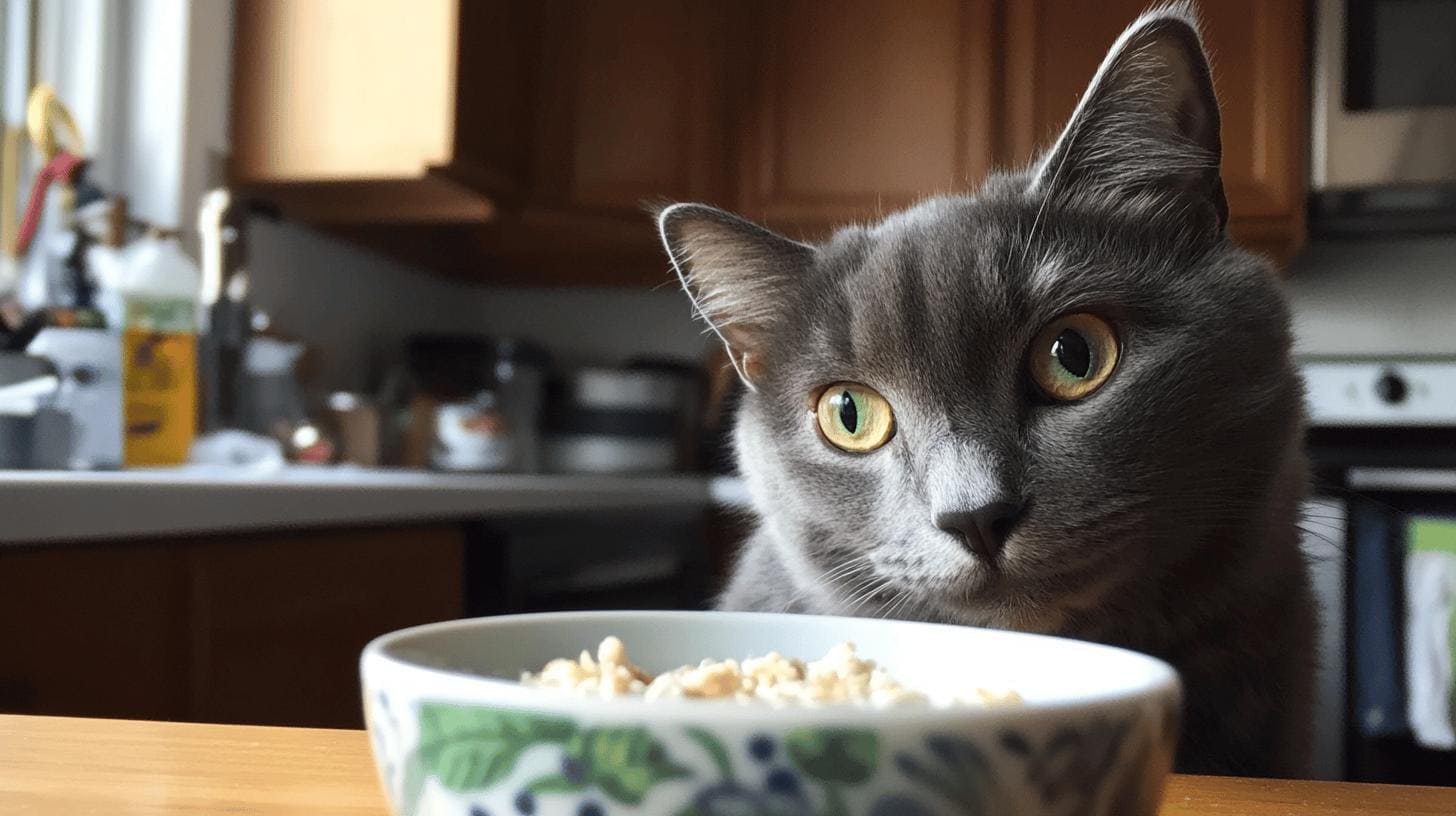
Oatmeal can be a beneficial occasional addition to a cat's diet due to its various nutrients. It is rich in antioxidants, which help fight free radicals in a cat's body. Fatty acids, including linoleic acid, contribute to a shiny coat and healthy skin. The fiber content in oatmeal aids digestion, promoting regular bowel movements. These nutrients can offer a boost when oatmeal is served in moderation.
Cats are obligate carnivores and require a diet high in protein and fat, which oatmeal does not provide. While oatmeal has some protein, it is not sufficient for a cat's needs. It also lacks the necessary fat levels for energy and health. Additionally, cats struggle to digest carbohydrates efficiently, making oatmeal's high carbohydrate content a concern.
To balance oatmeal's benefits and limitations, it should be treated as an occasional treat rather than a staple. Mix it with protein-rich foods to better meet nutritional needs. Keep portions small to avoid digestive upset and consult a vet to ensure your cat's dietary requirements are met.
| Nutrient | Benefit |
|---|---|
| Antioxidants | Helps fight free radicals |
| Fatty Acids | Promotes healthy skin and coat |
| Linoleic Acid | Supports skin health |
| Fiber | Aids digestion |
| Calcium | Supports bone health |
| Amino Acids | Essential for bodily functions |
Can Cats Safely Eat Oatmeal?
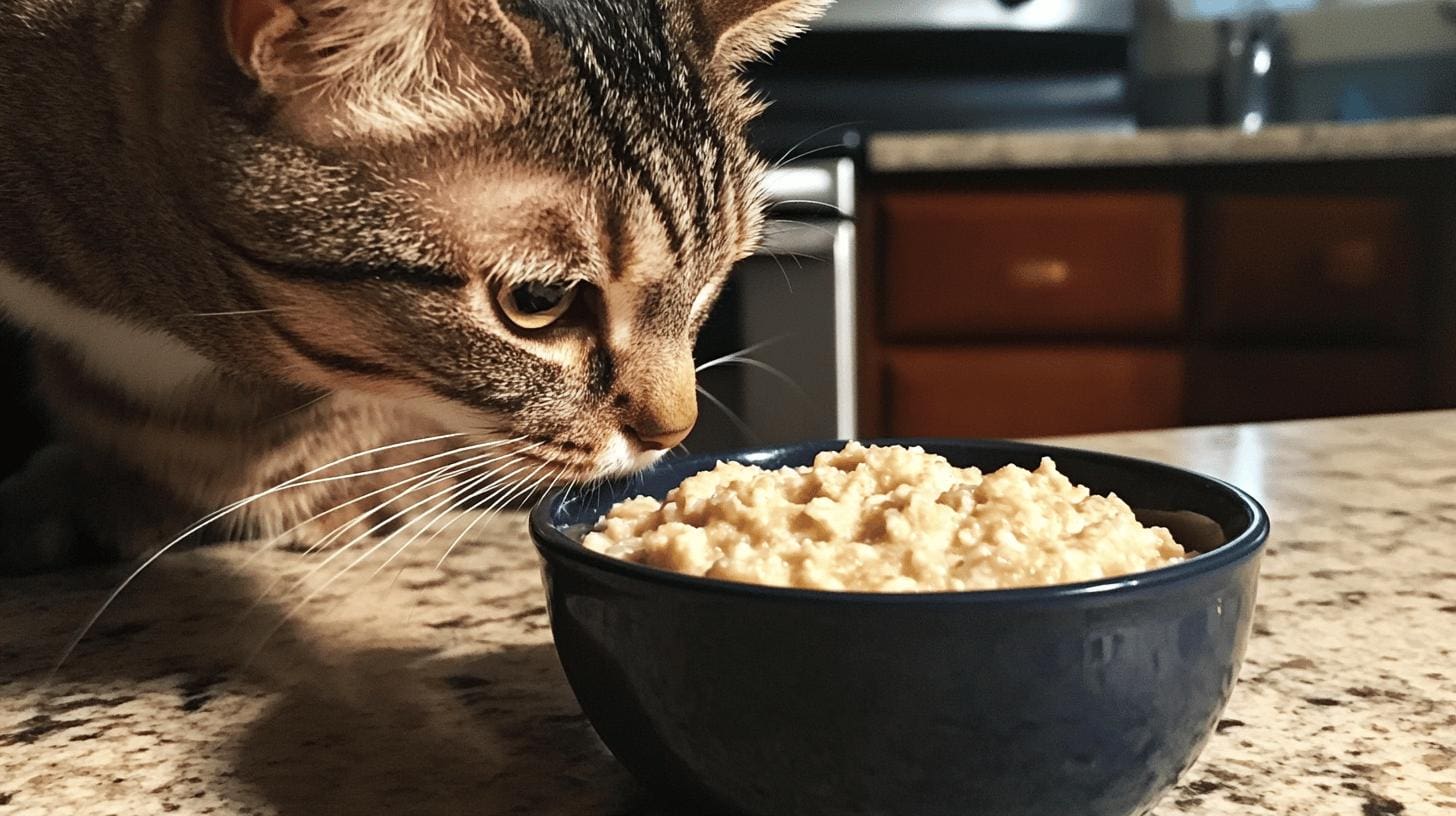
When cooking oatmeal for cats, always use water instead of milk. Many cats are lactose intolerant, and milk can lead to digestive issues. Serve the oatmeal plain, steering clear of sweeteners, spices, or additives like brown sugar or cinnamon. Keeping it simple by maintaining oatmeal in its natural form ensures safety for your cat.
Steps to Prepare Cat-Friendly Oatmeal
- Cook the oatmeal thoroughly with water.
- Allow it to cool to room temperature.
- Serve plain, without sweeteners or spices.
- Offer in very small portions, such as a teaspoon.
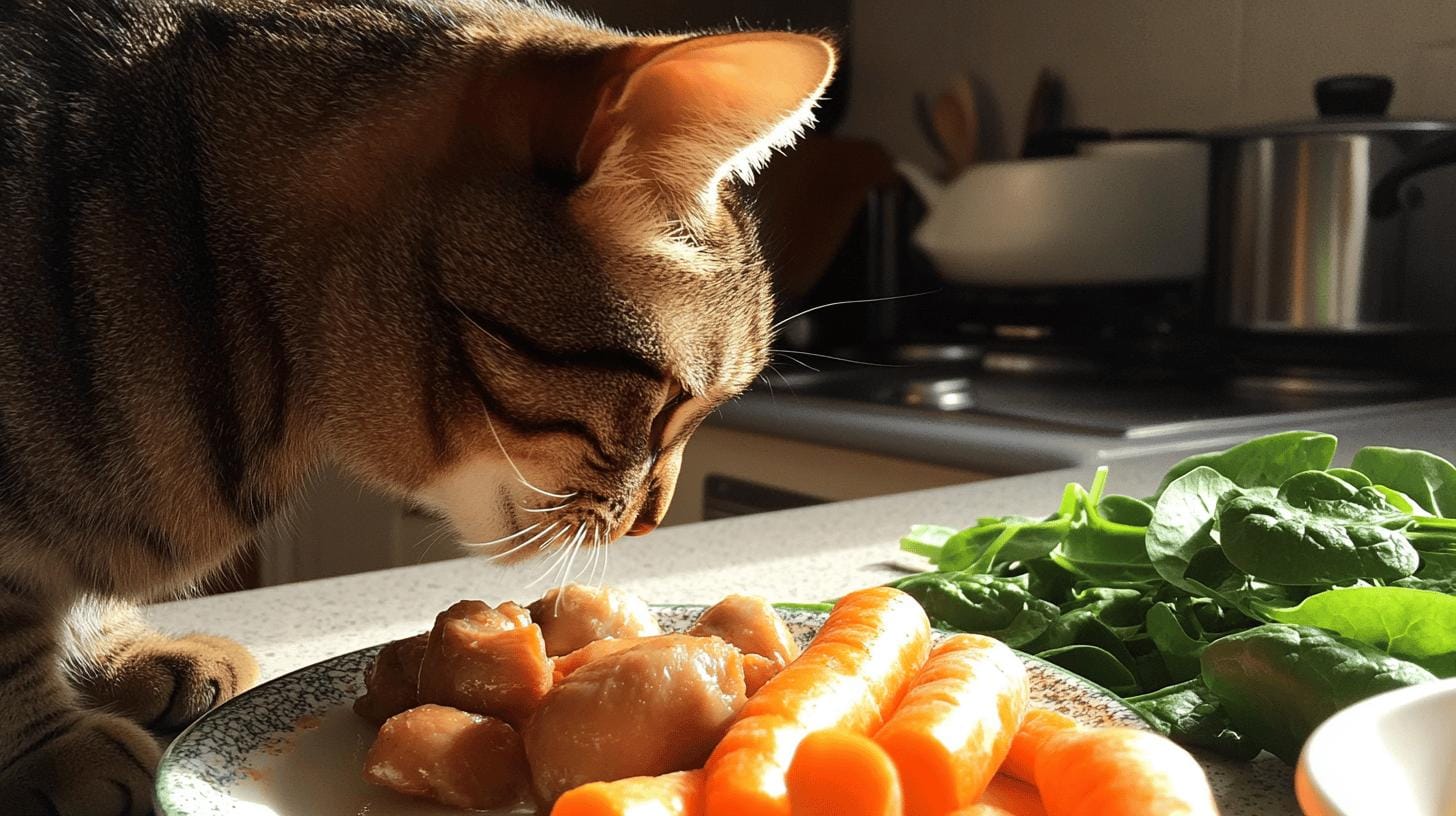
- Mix with animal protein like sardines for added nutrition.
Pairing oatmeal with protein boosts its appeal and nutritional value for cats. Sardines or tuna can enhance the taste and provide essential proteins, aligning better with a cat’s dietary needs. Always serve oatmeal as a treat, ensuring it remains a small part of their diet.