
Can cats savor papaya safely, or should we stick to tuna treats instead? This juicy fruit might seem like a tasty treat, but it's not as simple as it appears. Cats are carnivores at heart, thriving on meats more than fruits. Papaya, though, can be a safe delight in tiny doses. It’s crucial to limit their intake to avoid any tummy troubles while ensuring their primary diet remains meaty. If you're curious whether this fruit can spice up their snacking, we’ve got the insights you need right here!
Comprehensive Overview: Papaya and Cats

Papaya is a fruit that can be safely introduced to a cat's diet in small amounts. It makes for an interesting occasional treat, but there are a few things to keep in mind. Cats are obligate carnivores, which means their primary dietary needs are met through proteins found in meat rather than fruits. Papaya, when given sparingly, can be safe, but it should not exceed 10% of a cat's daily calorie intake. Overindulgence could lead to digestive issues. Also, papaya seeds are considered a choking hazard and should be avoided entirely. This fruit can be particularly appealing to cats due to its texture, yet it should be offered only in moderation.
Nutritionally, papaya contains enzymes that might aid in a cat's digestion, particularly in older felines. However, it lacks any significant nutritional benefits for cats. While humans often consume papaya for its vitamins and fibers, cats do not require these in the same way. Cats naturally produce their own vitamin C, so the vitamin content in papaya is not necessary for them. The primary focus should remain on a diet rich in animal proteins and fats, which are more aligned with their natural dietary needs.
| Fruit | Safety Level |
|---|---|
| Papaya | Safe in moderation |
| Melon | Safe in moderation |
| Blueberries | Safe |
| Grapes | Unsafe |
| Apples (no seeds) | Safe in moderation |
Feeding papaya to cats comes with potential risks and side effects. If given in large quantities, papaya might cause digestive upset, such as diarrhea. It's important to monitor any adverse reactions when offering new foods. Cats with sensitive stomachs, allergies, high blood sugar, or obesity should be particularly cautious. While the enzymes in papaya could theoretically benefit digestion, these are not essential for a cat's health and are unlikely to outweigh the potential downsides of overconsumption.
Moderation is key when introducing papaya or any new treat to your cat's diet. Always start with small amounts and observe how your cat responds. Consulting a veterinarian before adding new foods to your cat's routine is a smart move. They can provide guidance tailored to your cat's specific health needs, ensuring that any dietary changes are safe and beneficial.
How to Safely Introduce Papaya to Your Cat
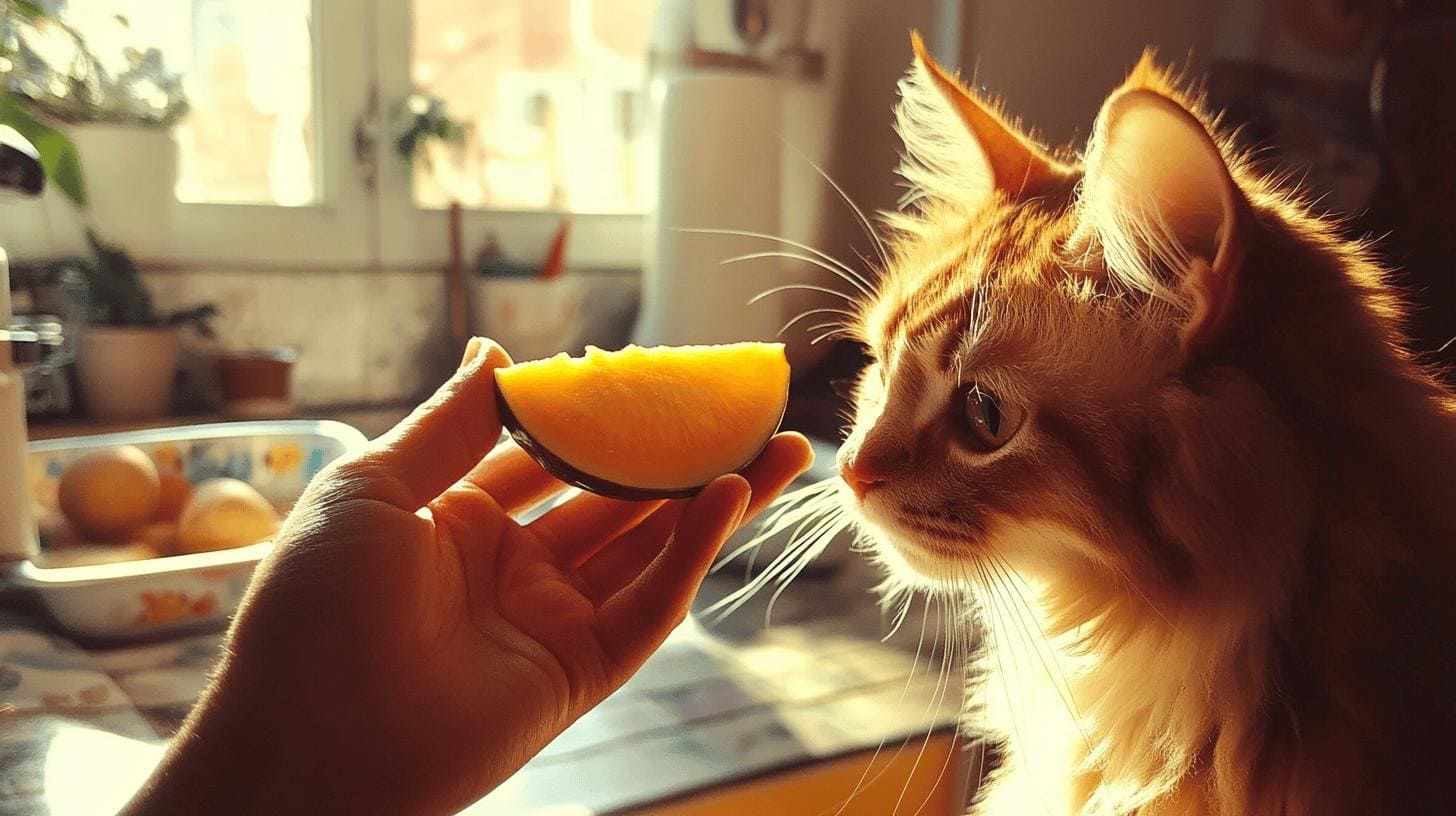
Offering papaya to your cat can be a fun way to add variety to their diet, but serving size is crucial. A safe serving is just a few small chunks or bites, offered once or twice a week. This ensures your cat can enjoy the treat without upsetting their stomach or affecting their nutritional balance. Remember, while papaya is safe, it should not replace their main diet, which should be high in protein.
Preparing Papaya for Cats
To make papaya safe for your feline friend, it needs to be prepared properly.
- Select a ripe papaya: Choose one that is fresh and ripe, as unripe fruit can be harder for cats to digest.
- Wash the fruit: Rinse the papaya thoroughly under running water to remove any dirt or pesticides.
- Remove the seeds and skin: Both should be completely removed. The seeds can be harmful, and the skin is tough to digest.
- Cut into small pieces: Chop the flesh into small, bite-sized chunks that your cat can easily chew and swallow.
After introducing papaya to your cat, it's important to watch for any adverse reactions. Monitor their behavior and health, looking for signs of digestive upset or allergies, such as vomiting or diarrhea. If your cat shows any negative symptoms, discontinue the treat and consult your veterinarian. They can provide tailored advice and ensure your cat's diet remains healthy and balanced.