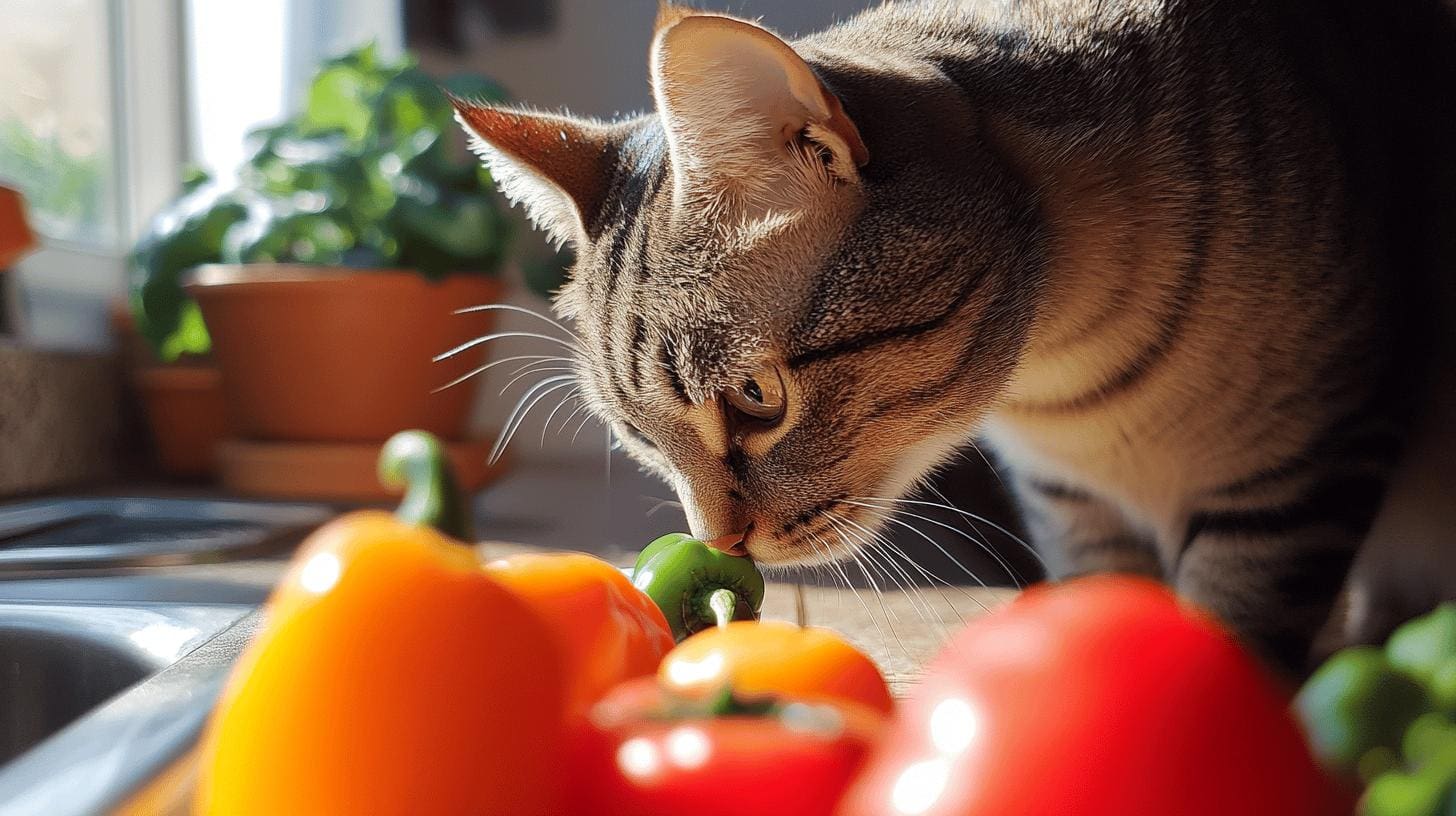
Ever wondered if your curious cat can handle a taste of pepper? While some foods may be harmless, others can upset your feline friend's tummy. Cats and peppers can mix like oil and water when it comes to their sensitive digestive systems.
In this article, we'll explore which types of peppers are safe or risky for cats and why they might not be the best snack. Let’s dig into what we know about peppers and how they can impact your cat's health and happiness.
Can Cats Eat Pepper Safely and Types of Peppers and Their Effects on Cats
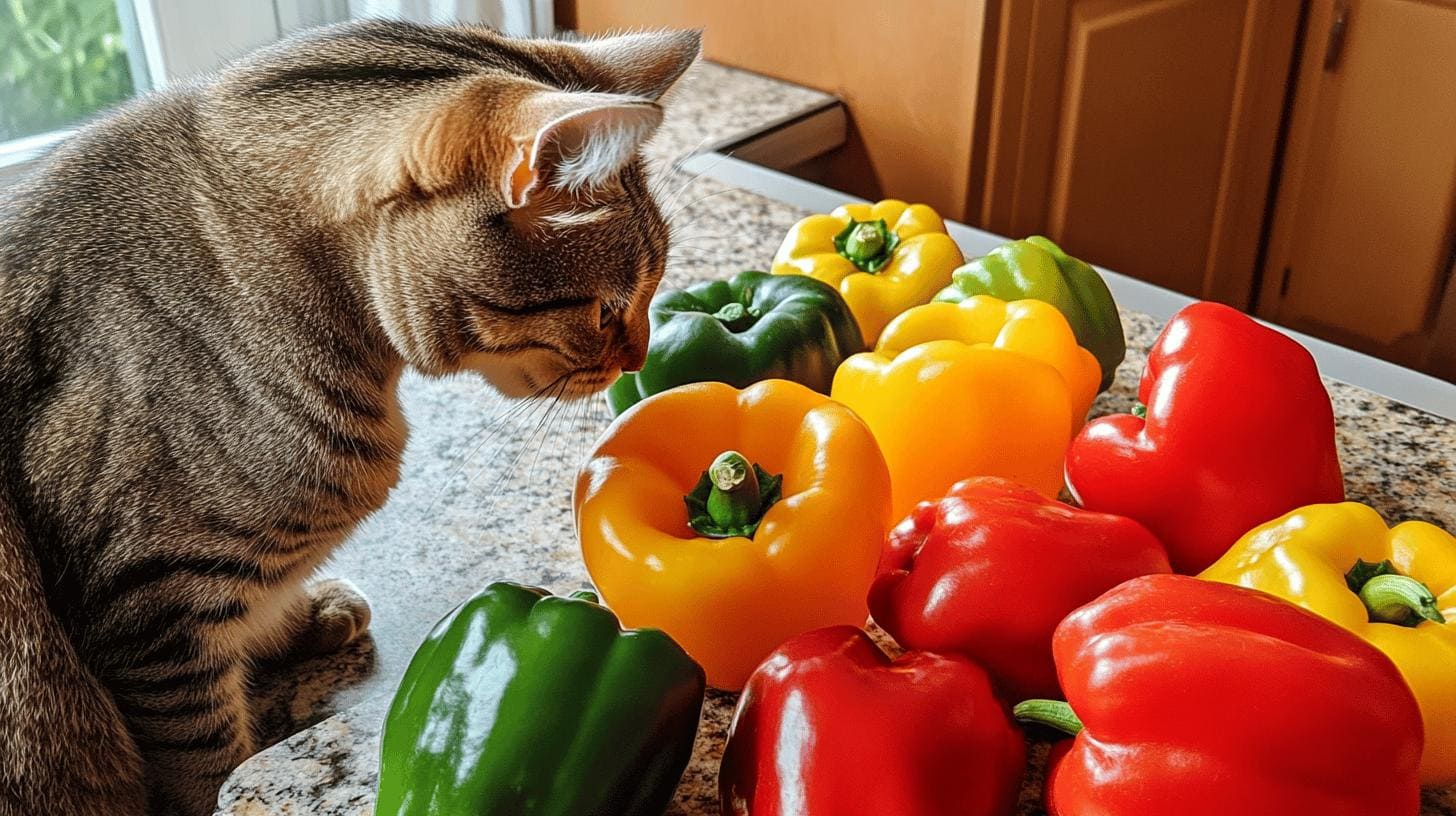
Cats can technically eat certain types of pepper, but it’s not something I would recommend including in their diet. Even though some peppers aren't toxic, they can lead to digestive issues.
Cats have sensitive stomachs, and introducing spicy or unfamiliar foods could cause more harm than good. The lack of nutritional benefits from peppers makes them a poor choice for a regular treat.
Starting with black and white pepper, these are not toxic in small amounts. However, they can cause gastrointestinal upset, including vomiting or diarrhea. The strong smell and taste might also be off-putting to some cats.
Bell peppers, on the other hand, are non-toxic and safe for cats to eat in moderation. They can be a source of vitamins and fiber, but given that cats are obligate carnivores, they don't need the nutrients found in bell peppers.
Jalapenos and chili peppers are a different story. While not toxic, their spiciness can cause considerable discomfort. Cats lack the taste receptors for spiciness, but these peppers can still irritate their digestive system.
The intense aroma might deter cats from eating them, which is probably for the best. Paprika, made from dried bell peppers, is another spice that should be avoided. Although non-toxic, its powdery form could irritate a cat’s nose and airways.
Veterinary advice suggests steering clear of seasoning your cat's food with any type of pepper. It’s best to stick to foods that are specifically designed for cats to ensure their health and well-being. Here’s a quick summary of the effects different types of peppers can have on cats:
| Pepper Type | Effect on Cats |
|---|---|
| Black Pepper | Can cause gastrointestinal upset |
| White Pepper | May lead to vomiting or diarrhea |
| Bell Peppers | Safe in moderation, non-toxic |
| Jalapenos | Can cause discomfort due to spiciness |
| Chili Peppers | Likely to cause digestive irritation |
Always prioritize your cat's health by consulting with a vet before adding new foods or seasonings to their diet. It's a simple step that can help avoid unnecessary health risks.
Potential Health Risks of Pepper for Cats
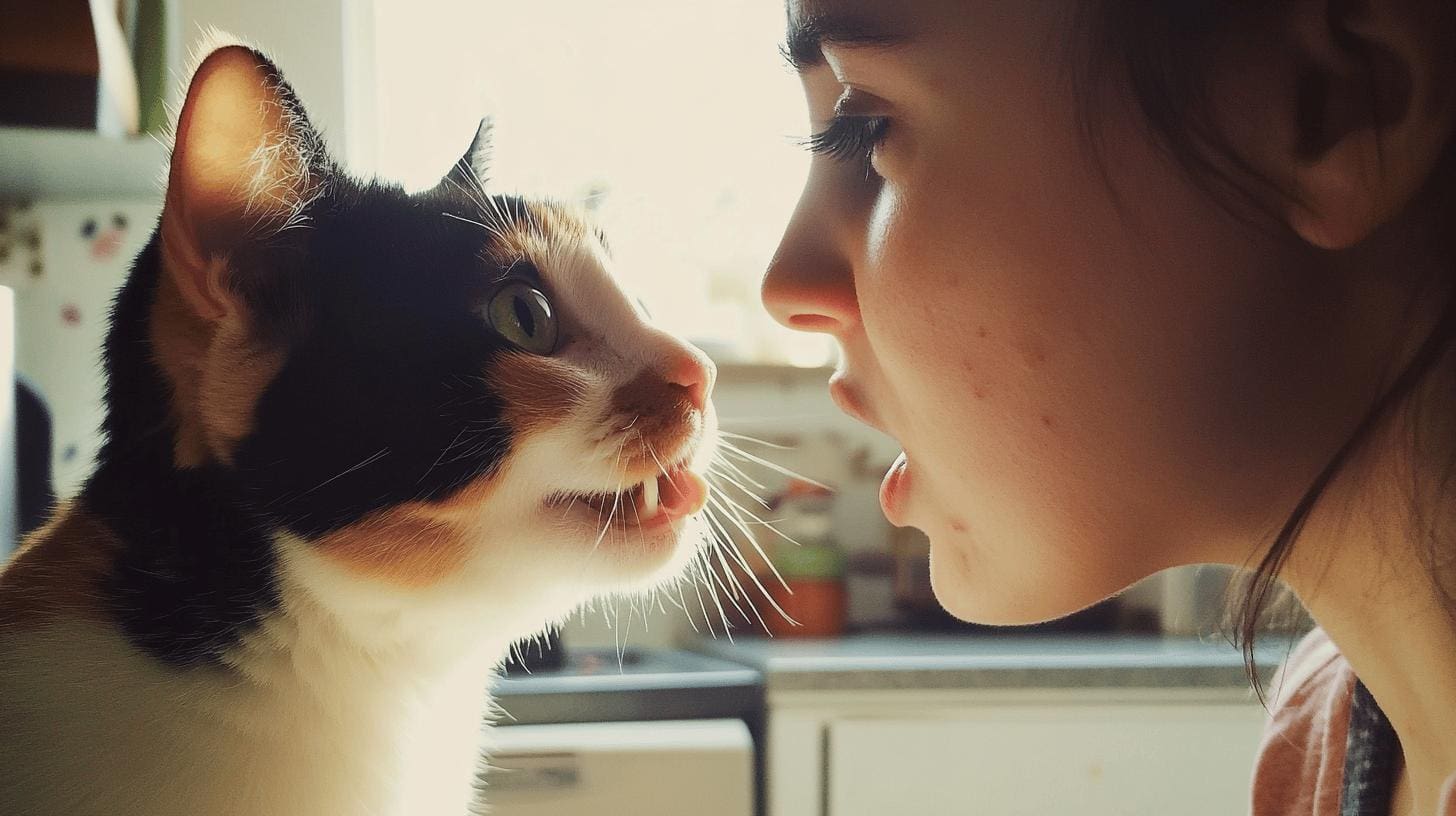
When cats consume pepper, they can experience unpleasant symptoms like vomiting and diarrhea. These reactions occur because cats' digestive systems are sensitive to spicy foods. If you see your cat licking or pawing at their mouth, it could be a sign of discomfort from the pepper. This behavior indicates irritation and distress caused by the pepper.
For any symptoms after a cat consumes pepper, consulting a veterinarian is crucial. Overexposure can escalate health problems, highlighting the need for professional guidance. Pepper isn't necessary in a cat's diet, and to prevent health risks, it's best to avoid it. Keeping to a diet formulated for cats ensures their well-being and avoids complications from inappropriate foods.