
Ever wondered if your feline friend can safely munch on a pickle? It might seem harmless, but pickles aren't a safe snack for cats. Here's the deal: Despite being a crunchy treat loved by humans, pickles are packed with salt and other ingredients that can be harmful to cats.
As we dig deeper, you'll see why high sodium levels, onion, and garlic in pickles pose serious health risks. In this post, let’s explore the dangers of letting your cat eat pickles and discover safer, tasty alternatives.
Can Cats Eat Pickles? Understanding the Risks

Pickles are not safe for cats. The primary reason is the high salt content found in pickling liquids, which poses significant health risks. Cats and pickles are not a good match, as the ingredients in pickles can be harmful to our feline friends.
The salt content in pickles can lead to excessive sodium intake, which is dangerous for cats. High sodium levels can cause high blood pressure, increasing the risk of heart disease, stroke, and kidney disease. These conditions are serious and require careful management in cats, just as they do in humans.
Beyond salt, pickles often contain garlic and onions. These ingredients are toxic to cats and can lead to garlic poisoning and Heinz body anemia. Garlic poisoning in cats comes with symptoms like vomiting, diarrhea, weakness, and could even lead to seizures.
Dill leaves, another common pickle ingredient, contain dillapioquinone, an alkaloid that can upset a cat's stomach and cause diarrhea. The combination of vinegar and these harmful additives can severely damage a cat's kidneys and liver.
Symptoms of Pickle-Related Toxicity in Cats
- Vomiting
- Diarrhea
- Weakness
- Seizures
- Elevated heart rate
- Lethargy
If you notice any of these symptoms and suspect your cat has ingested pickles or any harmful ingredients, it's crucial to seek veterinary care immediately.
Avoiding pickles in a cat's diet is essential to ensure their health and well-being. Cats have specific dietary needs that do not align with human foods, especially salty and seasoned items like pickles. Prioritizing their health means steering clear of foods that could cause them harm.
Comparing Cats' Dietary Needs vs. Pickled Foods

Cats are obligate carnivores, thriving on animal proteins and fats. Their digestive systems are optimized for meat, not plant-based or processed foods.
Pickled foods, such as pickles, are problematic for feline diets. The acidic nature of pickles can irritate a cat’s stomach, potentially causing digestive upset.
Pickles provide no nutritional benefits to cats. They lack essential nutrients necessary for cats' health and vitality. Focusing on a diet rich in animal proteins supports a cat's well-being.
Safe Alternatives: What Can Cats Eat Instead of Pickles?
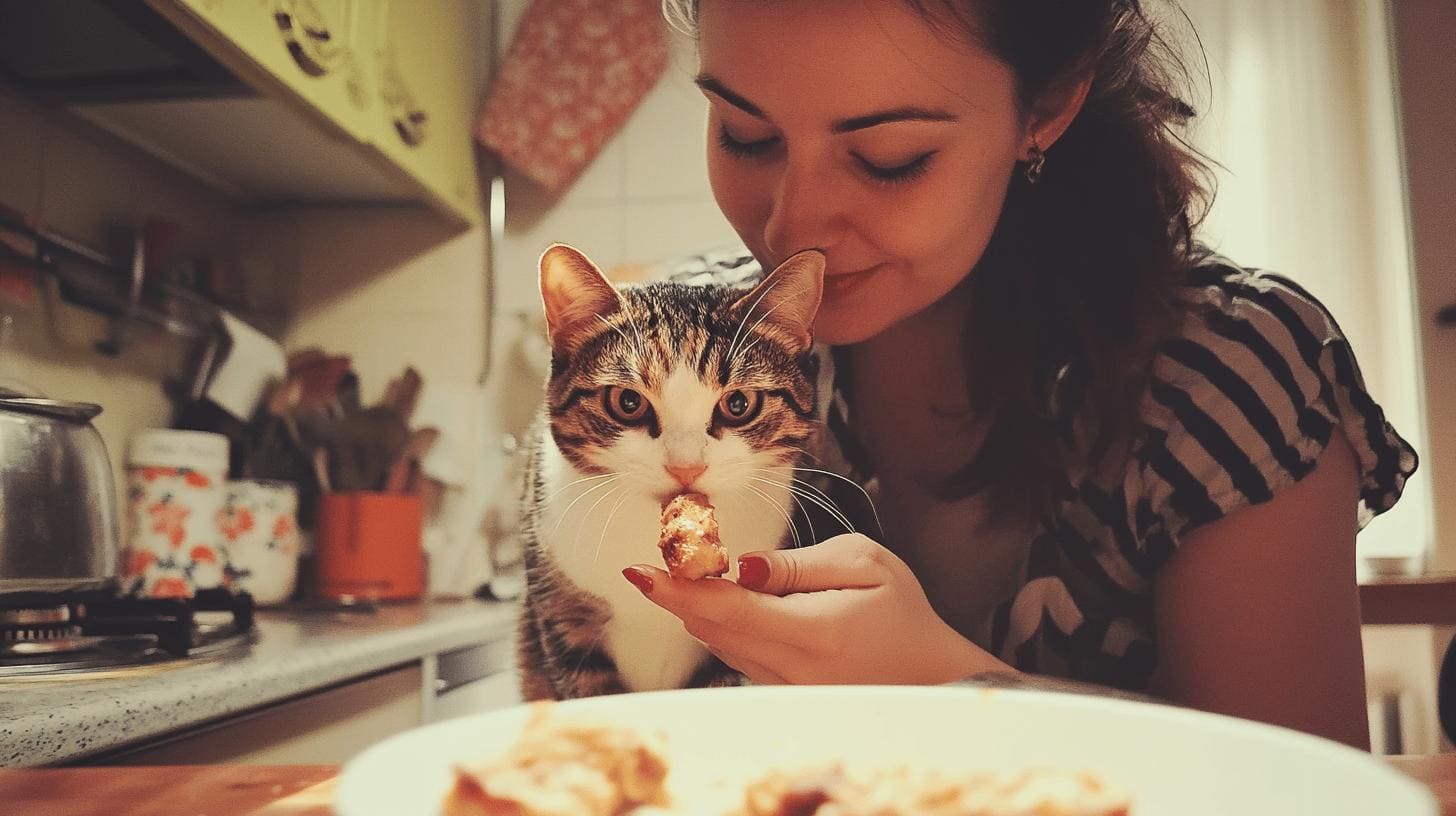
Choosing the right treats for our feline friends is crucial to their health and happiness. Cats have specific dietary needs that must be met for them to thrive. Unlike humans, they don't benefit from a variety of foods, especially not fruits or vegetables like pickled cucumbers. Providing appropriate snacks is key to maintaining their well-being.
Here's a list of safe snack options for cats:
- Specially Formulated Cat Treats: These are designed to meet cats' nutritional needs and are often fortified with vitamins and minerals.
- Plain, Cooked Meats: Small amounts of chicken, turkey, or beef can be a delightful treat for your cat. Ensure the meat is cooked thoroughly and free of any seasoning or sauces.
- Freeze-Dried Meats: These treats retain the nutritional value and are easy to store, offering a crunchy texture that many cats enjoy.
Always remember that any new treat or food introduced into your cat's diet should be done with care. Consulting with a veterinarian is recommended before offering any human food to ensure it is safe and suitable for your cat. This professional guidance helps avoid potential health issues, keeping your cat safe and content.
