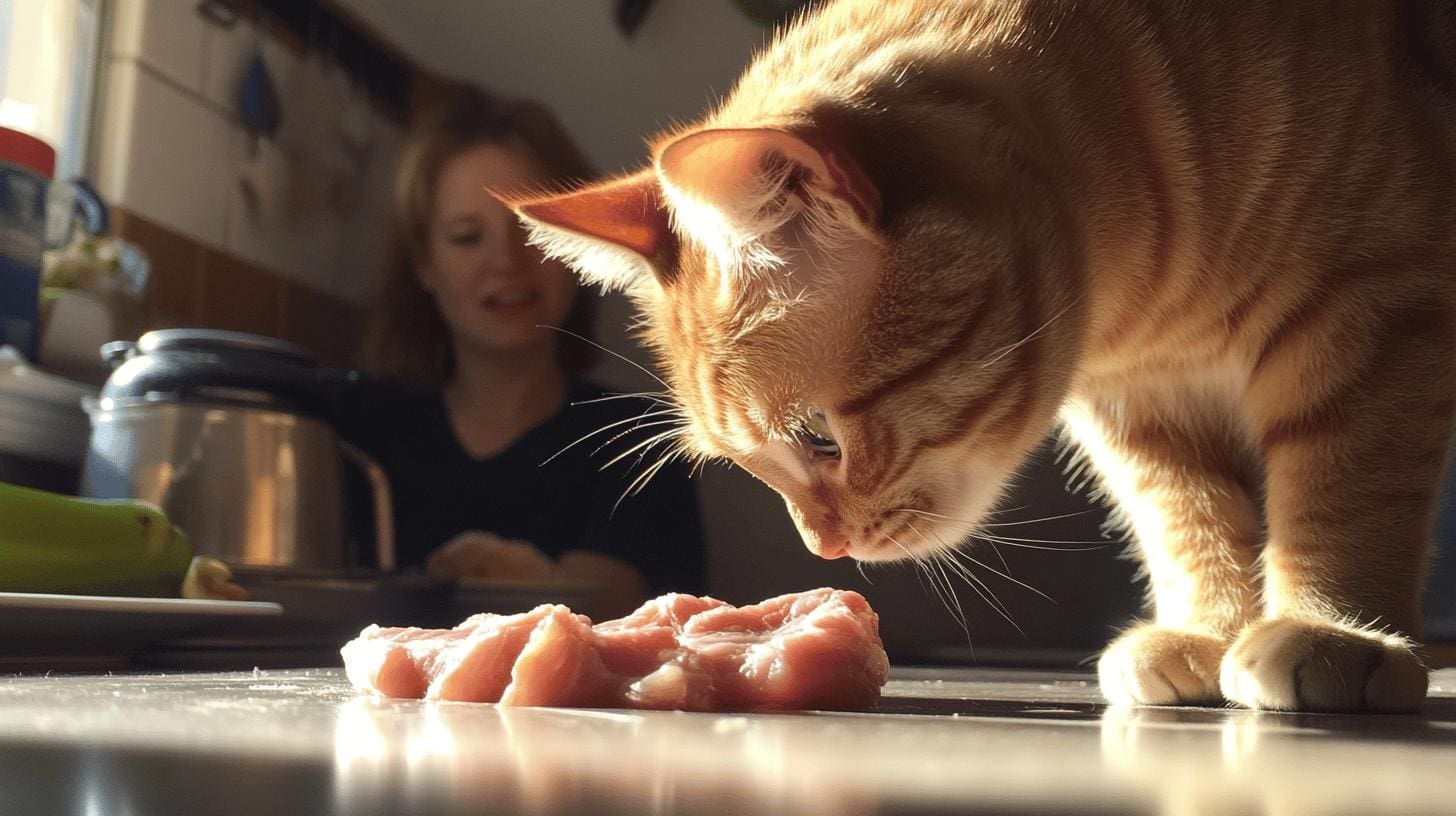
Is pork a safe and nutritional option for your cat's diet? With cats being obligate carnivores, protein is crucial for their well-being. Pork can indeed provide that essential nourishment, but it must be thoroughly cooked to prevent health risks like parasites.
When safely cooked and served plain, pork can be a nutritious treat for your feline friend. In this blog post, I will explore the safety and nutritional benefits of pork for cats, guiding you on how to integrate it into their diet wisely.
Can Cats Safely Eat Pork?
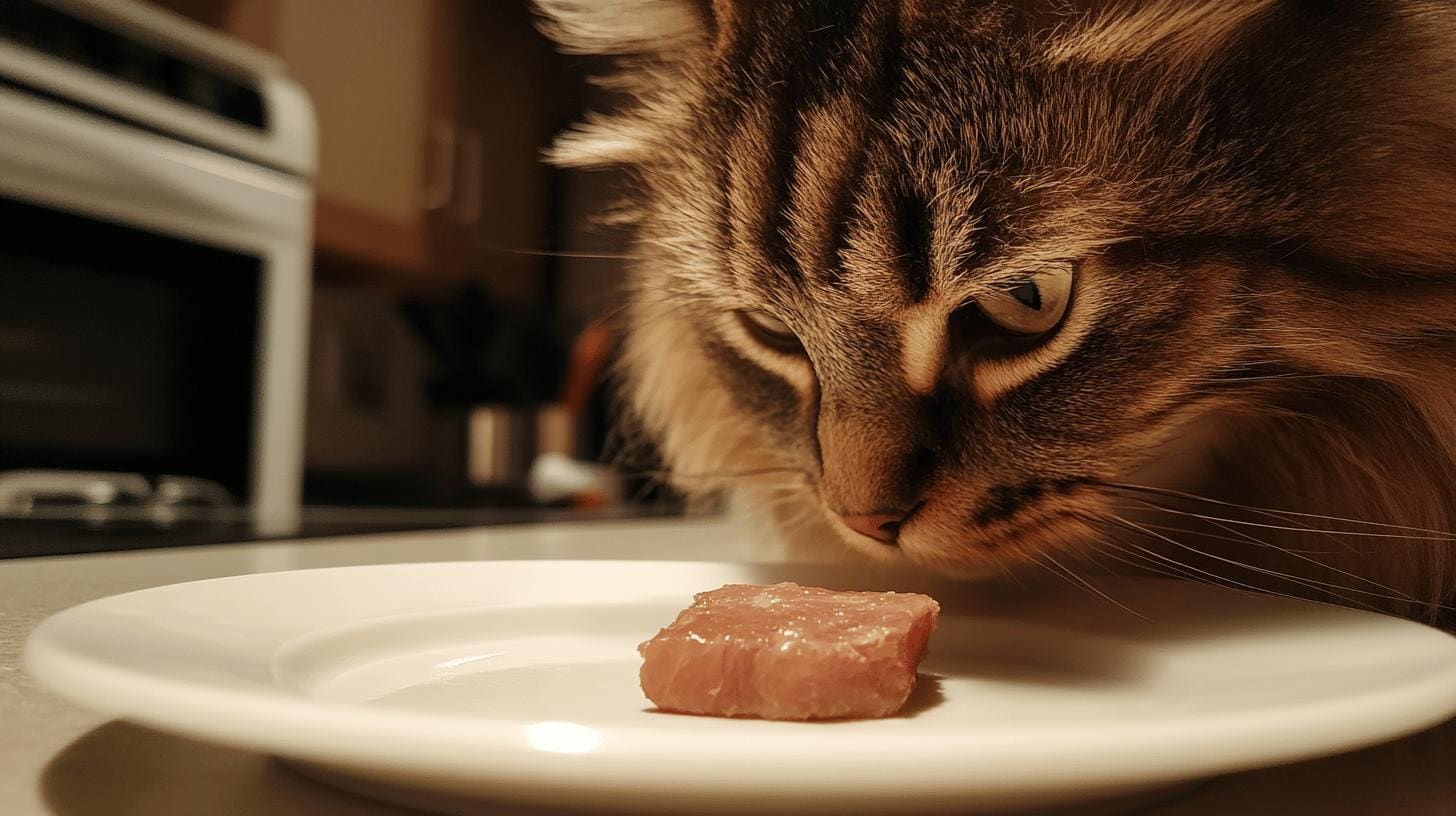
Cats are obligate carnivores, which means they rely heavily on a diet rich in protein to thrive. Their natural diet in the wild consists primarily of meat, and they need a high-protein intake to maintain their health. Pork can be a part of this protein-rich diet, but it must be prepared correctly.
When considering pork for your cat, it is important to ensure it is cooked thoroughly. Raw pork poses significant health risks due to the potential presence of parasites. Cooking pork properly eliminates these risks, making it a safer option for cats.
Once cooked, the pork should be plain and free from any seasonings or sauces that could be harmful to your feline friend. Small pieces of cooked pork can serve as an occasional treat, offering variety in their diet.
Moderation is key when feeding pork to your cat. While it can be a delicious treat, it should not become a regular part of their diet. Always consult with your veterinarian before introducing new foods to your cat's diet. They can provide personalized advice, ensuring your pet's nutritional needs are met while maintaining their overall health.
Nutritional Value of Pork for Cats
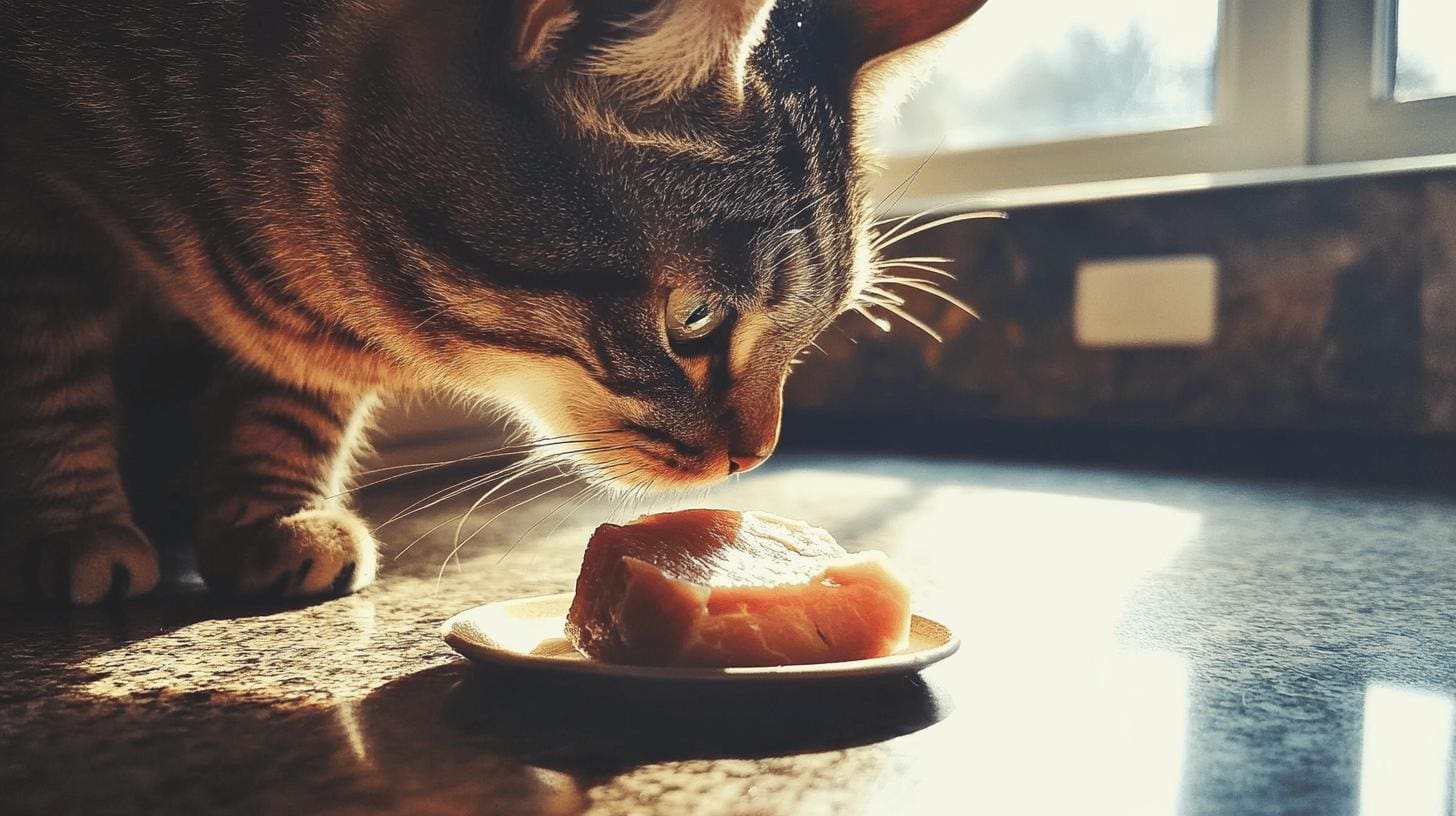
Pork can be a source of protein and essential nutrients for cats, making it a potentially beneficial addition to their diet when given in moderation. This meat provides a good amount of protein, which is crucial for maintaining a cat's muscle mass and overall health. Additionally, pork contains several vitamins and minerals that support various aspects of feline health.
| Nutrient | Benefit |
|---|---|
| Protein | Supports muscle development and repair |
| Vitamin B1 (Thiamine) | Boosts energy metabolism and nervous system health |
| Iron | Essential for oxygen transport in the blood |
Despite these benefits, pork is also high in fat and sodium. Excessive consumption can lead to health issues like obesity and high blood pressure in cats. It's important to balance pork with other lean protein sources, such as chicken or fish, to ensure a well-rounded diet. Incorporating a variety of proteins helps provide a broader range of nutrients while avoiding the pitfalls of over-relying on any single type of meat.
Risks and Health Concerns of Feeding Pork to Cats
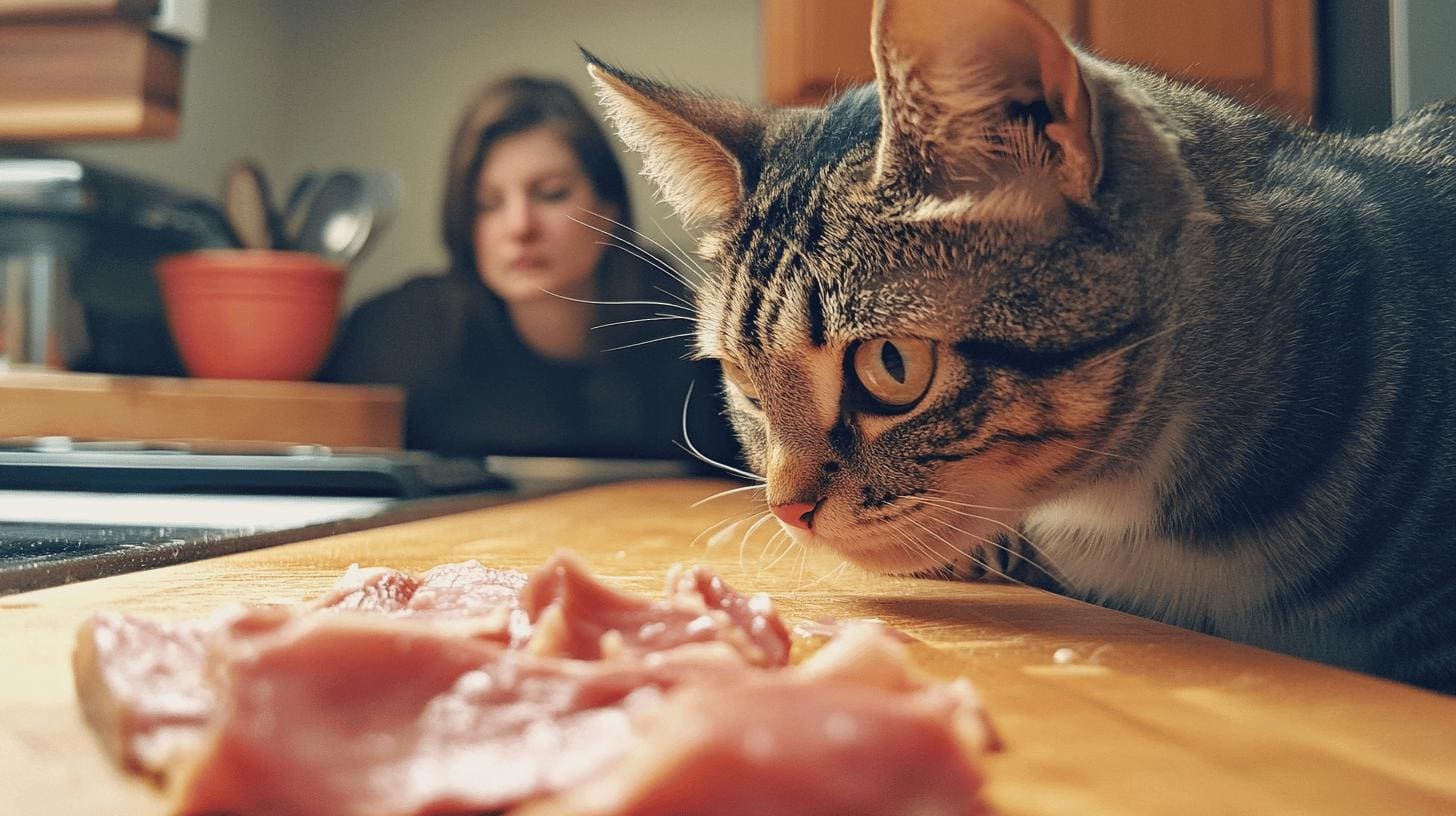
Feeding pork to our feline friends can be risky. While it does offer protein, the high fat and sodium content can pose significant health concerns. Pork can also trigger allergies and harbor parasites if not cooked properly.
High Fat and Sodium Content
Pork's high fat and sodium levels can lead to obesity and related issues like joint problems, diabetes, and heart disease. Sodium can cause high blood pressure and kidney issues. Keeping an eye on pork portions in your cat's diet helps prevent these health issues.
Allergies in Cats
Cats might develop allergies to pork, showing symptoms like vomiting, diarrhea, and excessive itching. These reactions can vary and might not show up right away. Watching for any allergic signs when introducing pork is crucial.
Parasites in Raw Pork
Raw pork can contain parasites like roundworms and tapeworms, leading to gastrointestinal problems. Cooking pork thoroughly eliminates these parasites, making it safe for cats. Avoid feeding raw pork due to these serious health risks.