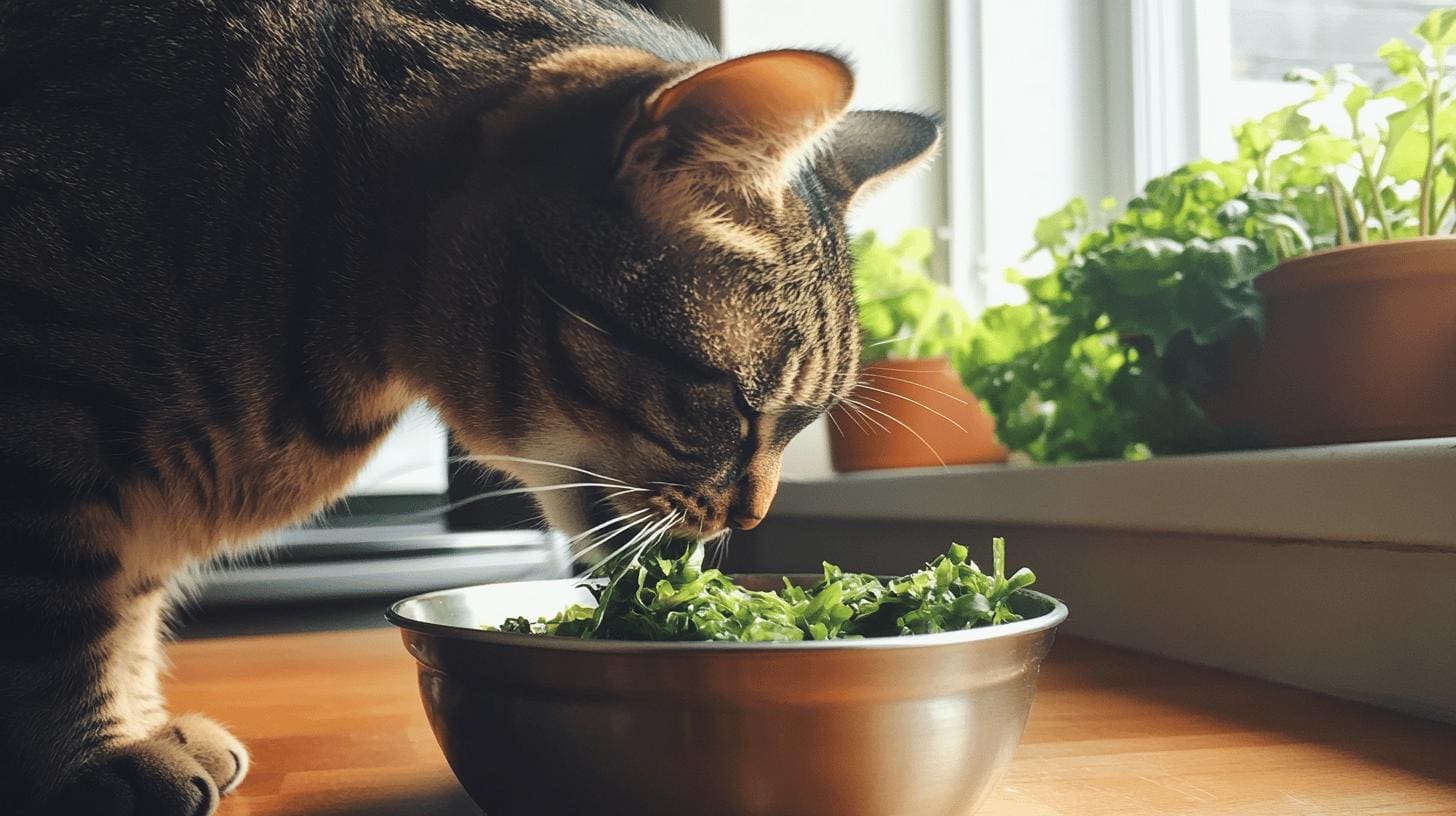
Is seaweed the secret health booster your cat needs? While many of us enjoy it in our own meals, the idea of seaweed for cats might raise a few eyebrows. Yet, this ocean plant could be more beneficial for your feline friend than you think.
Packed with essential nutrients like taurine and omega-3s, seaweed can be a beneficial addition to your cat's diet. But is it safe? Yes, as long as you use it in moderation and choose the right kind. Let's dive in and explore how seaweed can enhance your cat's health.
Can Cats Safely Consume Seaweed?
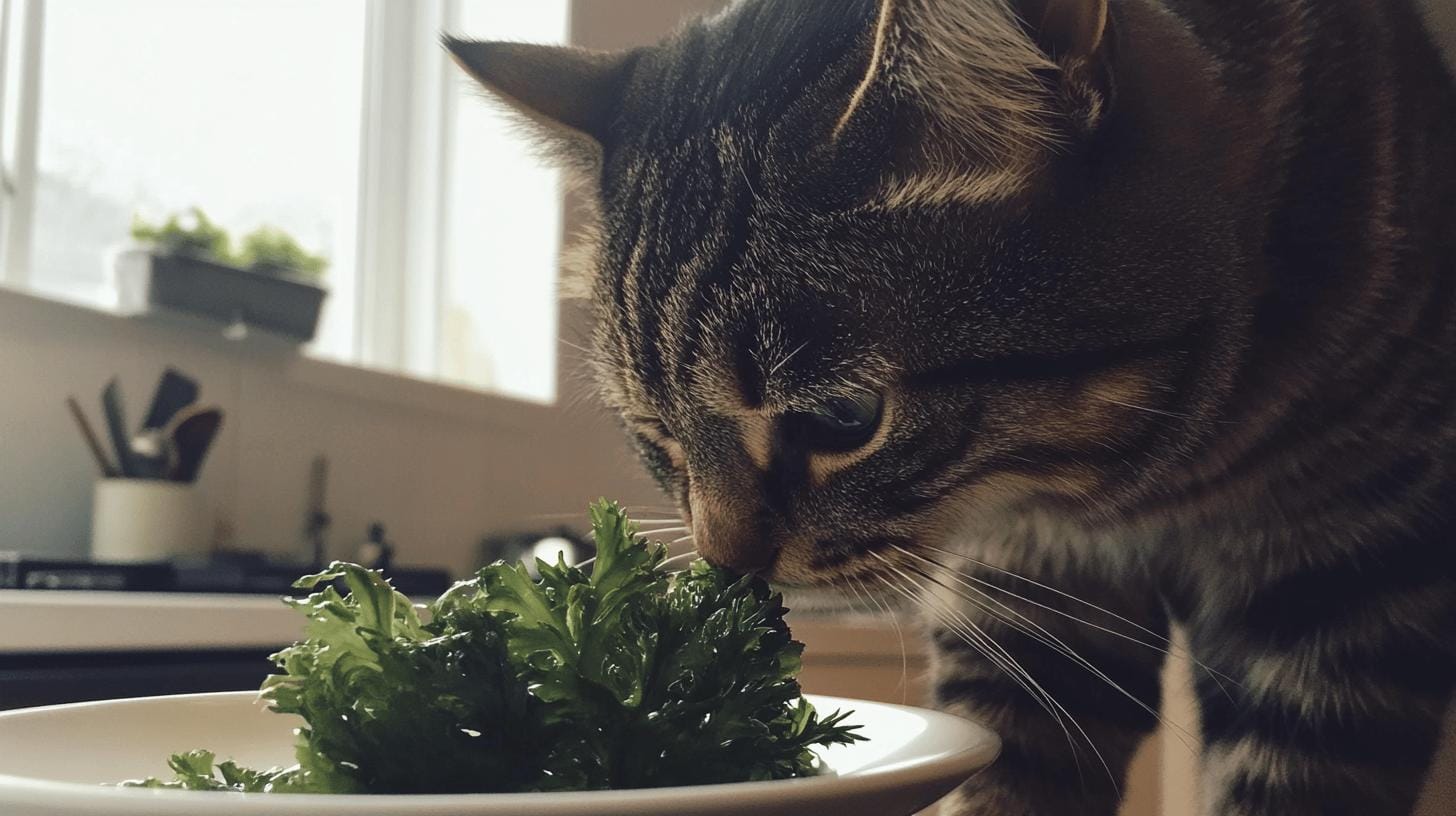
Cats can indeed safely eat seaweed, but it's important to use it as a supplement or treat, rather than a main meal. Seaweed is packed with essential nutrients that can enhance your cat's diet. It can provide a boost of vitamins and minerals that contribute to their overall health.
However, moderation is key to ensuring that your cat enjoys the benefits without any adverse effects. Make sure to choose plain seaweed without additional flavorings or seasonings, as these can sometimes contain harmful additives.
Before introducing seaweed to your cat's diet, consulting with a veterinarian is highly recommended. Every cat is unique, and factors such as age, health conditions, and dietary needs can influence how well they tolerate new foods.
A vet can provide personalized advice and help you determine the appropriate portion size for your furry friend. This professional guidance ensures that your cat reaps the nutritional benefits of seaweed safely and effectively.
Nutritional Benefits of Seaweed for Cats

Seaweed is a powerhouse of nutrients, offering unique benefits that can complement your cat's diet. These advantages go beyond basic safety and supplement use, focusing on nutrients that might not be covered elsewhere.
Seaweed contains taurine, a critical amino acid for cats. Taurine supports heart health, vision, and reproduction. Another standout is omega-3 fatty acids, known for reducing inflammation and supporting joint health. Seaweed also offers prebiotics, which promote gut health by fostering beneficial bacteria.
Here are some key nutrients found in seaweed that can enhance your cat's diet:
| Key Nutrients |
|---|
| Taurine |
| Omega-3 Fatty Acids |
| Prebiotics |
| Vitamin B |
| Iodine |
Adding seaweed to your cat's diet can be done easily. Sprinkle a small amount over their food or mix it into treats. Make sure to start with a small dose to monitor for any adverse reactions. By incorporating these nutrients, you can support your cat's heart, joint, and digestive health, enhancing their overall wellbeing.
Types of Seaweed Suitable for Cats
When considering adding seaweed to your cat's diet, it's important to know which types are safe and beneficial. Not all seaweed is created equal, so it's crucial to select those that are cat-friendly.
Two popular options are nori and kelp, both offering unique benefits while being safe for feline consumption. Always opt for unseasoned varieties to avoid any harmful additives.
Nori is a type of dried seaweed that many cat owners find suitable for their furry friends. It's packed with flavor and nutritional benefits that can enhance your cat's diet.
Nori is rich in vitamins and minerals, providing a tasty way to supplement your cat's nutrition. Its palatable taste makes it a favorite among many cats, and it's easy to incorporate into their meals as a sprinkle or mix-in.
Kelp is another excellent choice for cats, known for its rich iodine content and other essential nutrients. This seaweed supports thyroid health and offers a boost of minerals that can contribute to your cat's overall well-being. Kelp can be added in small quantities to your cat's diet, helping to ensure they receive the nutritional benefits without any adverse reactions.
| Seaweed Type | Benefits |
|---|---|
| Nori | Rich in flavor and nutrients, enhances diet |
| Kelp | Supports thyroid health, mineral-rich |