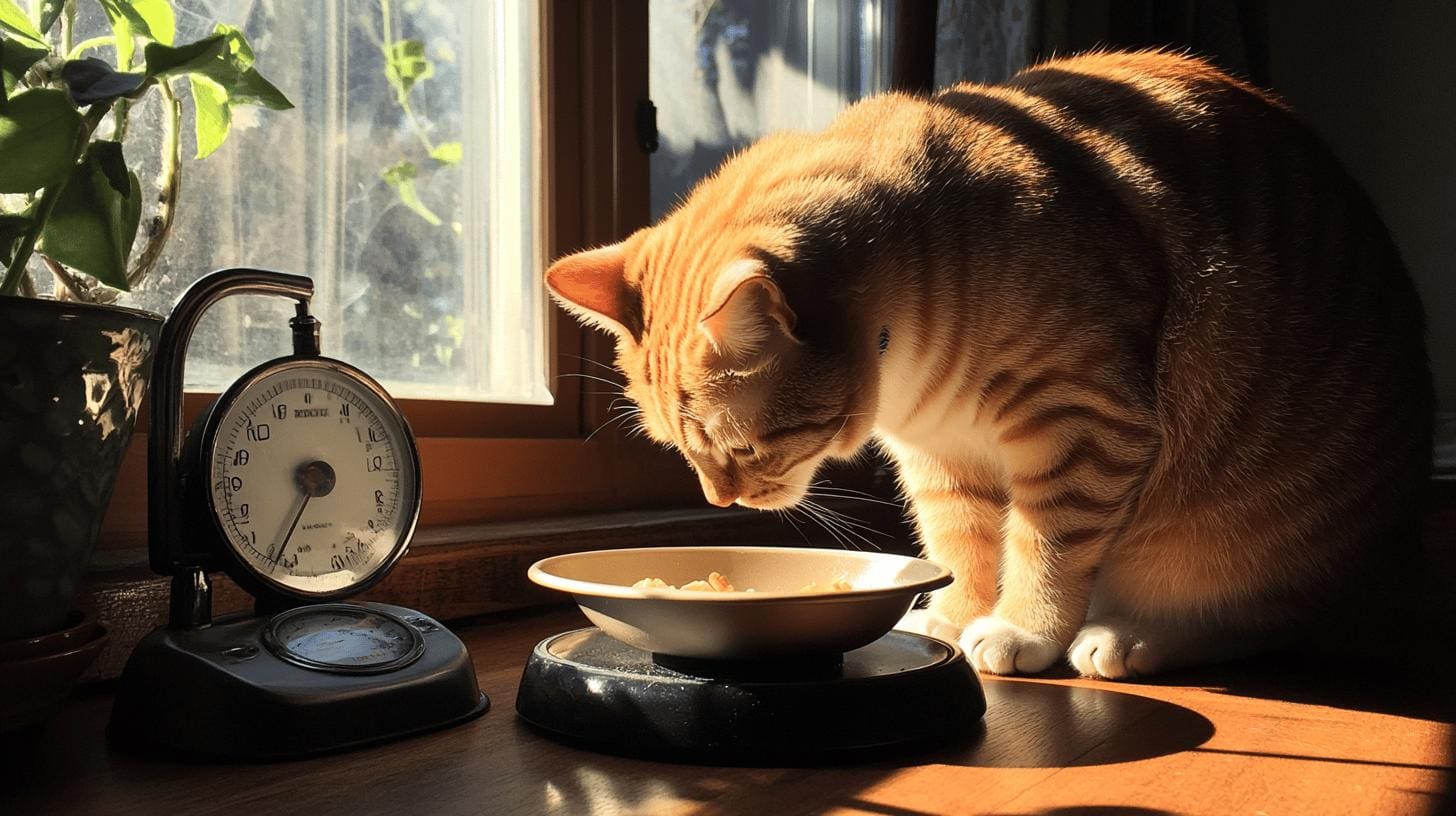
Are seaweed snacks a safe treat for your cat, or could they pose a risk to their health? This question might have crossed your mind if you've ever considered sharing a bite of this popular superfood with your feline friend. Surprisingly, seaweed offers several nutrients that could benefit our cats.
But before you rush to offer them a nibble, it's crucial to understand how these snacks fit into their diet safely. Let's explore how seaweed can be both a tasty and healthy addition to your cat's treat lineup, when served in moderation.
Can Cats Safely Eat Seaweed Snacks?
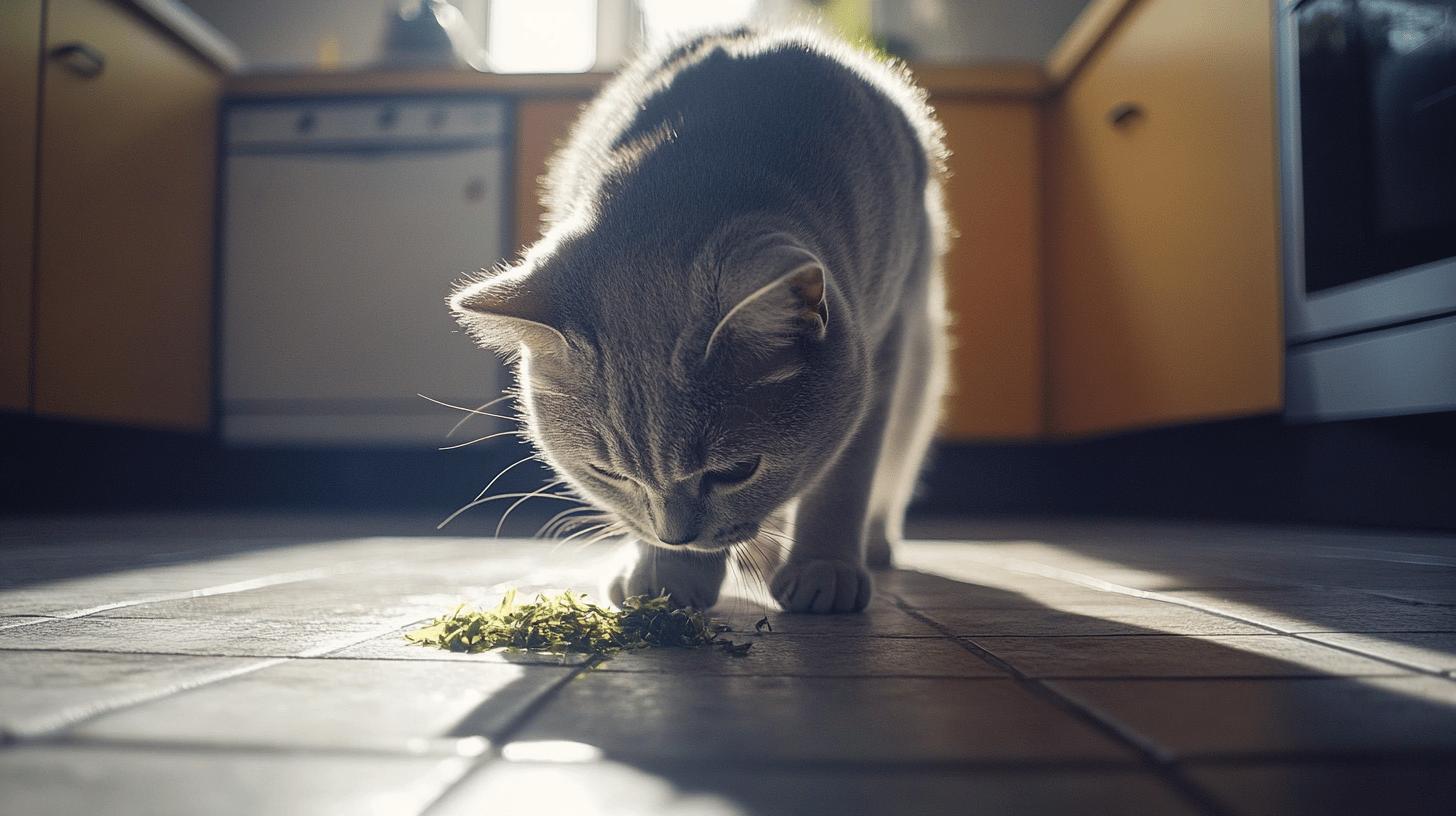
Seaweed snacks can be a safe and nutritious treat for our feline friends when given in the right amounts. As a nutrient-dense superfood, seaweed offers several health benefits, including essential vitamins and minerals.
It's important to remember that these snacks should be offered in moderation, as part of a balanced diet. Seaweed snacks are best used as an occasional treat rather than a regular part of a cat's diet.
Precautions When Feeding Seaweed Snacks to Cats
-
Monitor portion sizes: Keep seaweed snacks to small amounts to avoid overconsumption.
-
Check ingredients: Avoid snacks with added salt or flavorings that may harm your cat.
-
Observe your cat: Watch for any adverse reactions, such as vomiting or diarrhea.
- Consult your vet: Seek advice from a veterinarian before introducing seaweed to ensure it's suitable for your cat.
Moderation is key when it comes to incorporating seaweed snacks into your cat's diet. Ensuring a balanced diet is essential for maintaining your cat's overall health. Remember, seaweed should not replace regular meals but can be a tasty addition to their treat repertoire.
Nutritional Benefits and Risks of Seaweed for Cats
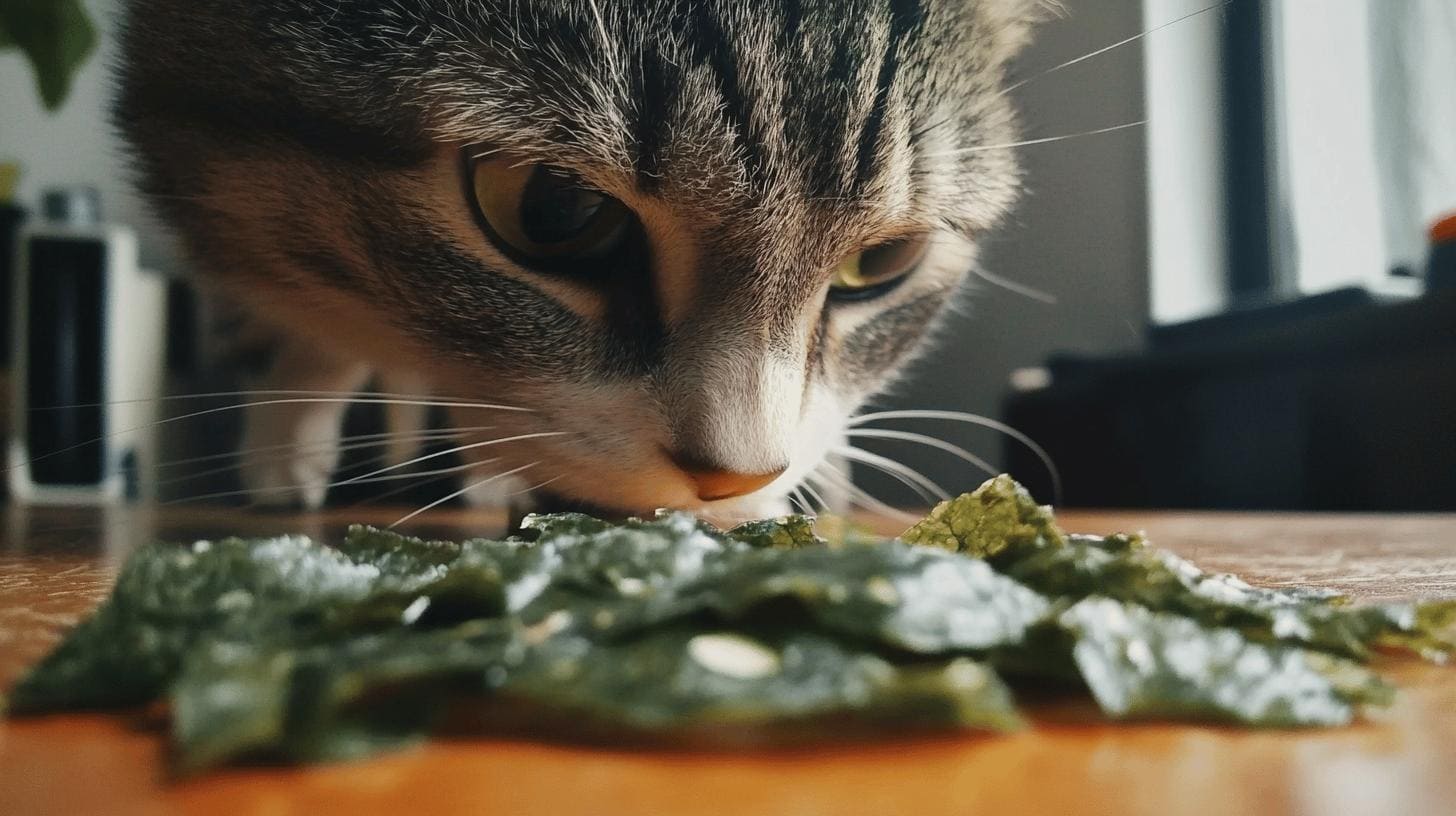
Seaweed is packed with valuable nutrients that can offer numerous benefits to cats. Among these nutrients are omega-3 fatty acids, specifically EPA and DHA, which are crucial for maintaining a cat's healthy heart, circulation, skin, and fur. Experts suggest that these fatty acids also help reduce inflammation and improve joint health.
Another essential nutrient found in seaweed is iodine, vital for regulating metabolism and supporting thyroid function in cats. Additionally, seaweed provides fiber, which aids in digestion, promoting regular bowel movements and overall digestive health.
While seaweed can be beneficial, there are potential risks associated with its consumption. One of the primary concerns is iodine toxicity, which can occur if a cat consumes excessive amounts of seaweed. Too much iodine might lead to thyroid issues, affecting the cat's metabolism and overall health.
Experts caution that seaweed should be given in moderation to avoid these potential risks. Digestive issues, such as diarrhea or vomiting, may also arise if a cat consumes too much seaweed or if it's not introduced gradually into their diet.
| Nutrients | Potential Risks |
|---|---|
| Omega-3 Fatty Acids (EPA, DHA) | Iodine Toxicity |
| Iodine | Digestive Issues |
| Fiber | Thyroid Problems |
When incorporating seaweed into a cat's diet, it's crucial to monitor their intake of these nutrients carefully. Experts recommend introducing seaweed slowly and watching for any signs of adverse reactions.
Regular consultation with a veterinarian can help ensure that seaweed is a suitable addition to your cat's diet and that it complements their overall nutritional needs. By keeping a close eye on your cat's health and adjusting their diet as necessary, you can provide them with the benefits of seaweed while minimizing potential health risks.
Alternative Snack Ideas for Cats
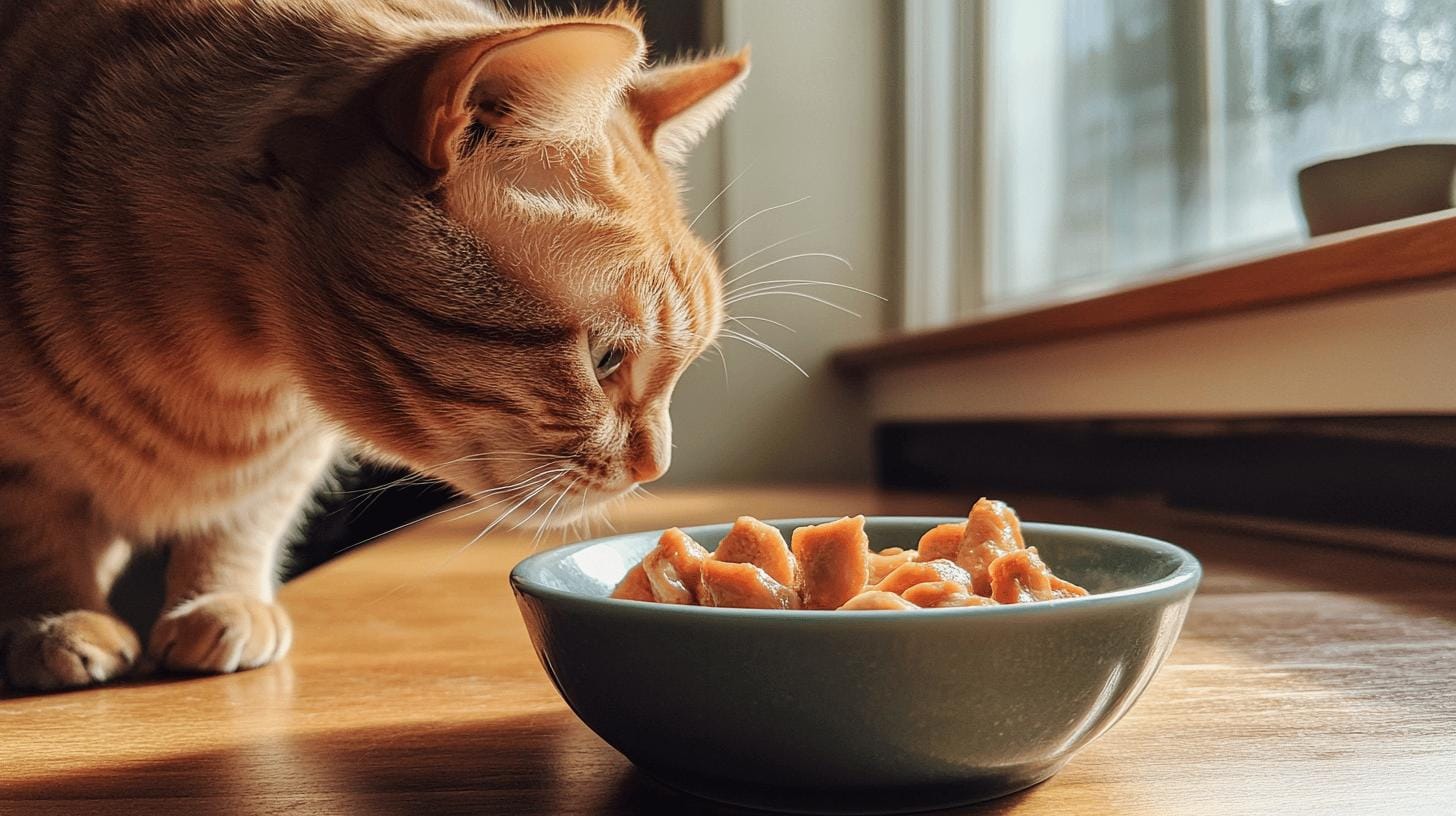
Offering a variety of snacks can help keep your cat's diet balanced and interesting. While seaweed snacks are packed with nutrients, it's always good to have alternative snack options that provide similar benefits. These alternatives can ensure your cat gets the necessary nutrients without relying solely on seaweed.
-
Specially formulated cat treats: These treats are designed to meet the nutritional needs of cats and often contain added vitamins and minerals.
-
Small pieces of cooked chicken: A great source of lean protein, chicken can be a tasty and healthy snack.
-
Catnip: While not a food snack, catnip can provide mental stimulation and encourages playful behavior.
- Cooked fish: Packed with omega-3 fatty acids, fish can support skin and coat health, similar to seaweed.
Choosing safe and healthy treats is crucial for your cat's well-being. Always opt for snacks that complement their regular diet and provide nutritional benefits. By offering a mix of treats, you can ensure your cat remains healthy and happy, while also enjoying a varied and exciting diet.