Did you know a tiny splash of soy sauce could dangerously affect your cat’s health? Soy sauce might enhance your dinner, but for cats, it’s a recipe for trouble. Loaded with sodium, this common condiment poses serious risks, including sodium-ion poisoning.
This article explores these risks and how soy sauce’s ingredients—like soybeans and wheat—can trigger alarming health issues in cats. Understanding these dangers can help ensure your fluffy friend’s safety. Let’s dive into why soy sauce is off-limits for cats and how to protect them from harm.
Can Cats Eat Soy Sauce? Understanding the Risks and Potential Health Effects
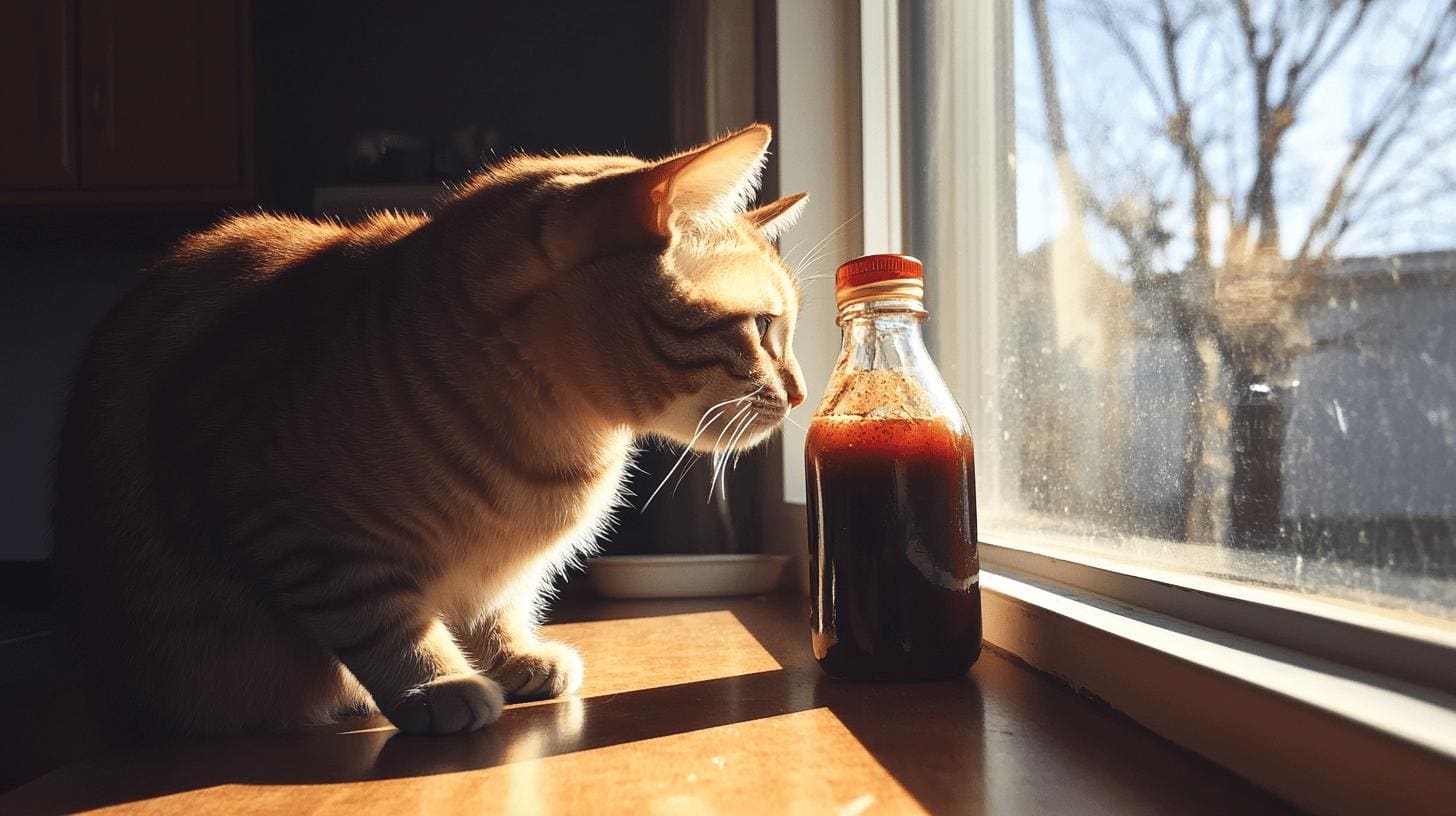
Soy sauce is a common condiment but includes ingredients that make it dangerous for cats. The primary components like soybeans, wheat, salt, and a fermenting agent pose various risks. Soybeans and wheat can trigger allergic reactions or intolerances, which many cats suffer from.
The most concerning ingredient is the salt, as soy sauce has a high sodium content. This can lead to sodium-ion poisoning, a serious health hazard for our feline friends.
When cats ingest soy sauce, the high sodium levels can be toxic. Just a small amount—0.05 tablespoon or about 850 milligrams of salt—can be enough to cause sodium poisoning in cats. This condition can lead to severe health problems such as vomiting, diarrhea, and lethargy.
Cats are obligate carnivores, meaning their bodies aren’t designed to process large amounts of salt or plant-based ingredients, making the consumption of soy sauce particularly harmful.
Symptoms of soy sauce ingestion vary but often include signs of salt poisoning. Look for vomiting, diarrhea, decreased appetite, and lethargy. In more severe cases, cats may experience incoordination or excessive thirst and urination. Recognizing these symptoms early is crucial, as they can escalate to seizures or even death if not addressed promptly.
Regular soy sauce is not the only concern; low-sodium variants also pose a threat. While marketed as a healthier option, low-sodium soy sauce still contains about 400–500 milligrams of salt per serving. This amount remains unsafe for cats. Both types of soy sauce should be kept away from cats to prevent accidental ingestion and potential health complications.
- Vomiting
- Diarrhea
- Decreased appetite
- Lethargy
- Excessive thirst or urination
Symptoms and Immediate Actions After Soy Sauce Ingestion
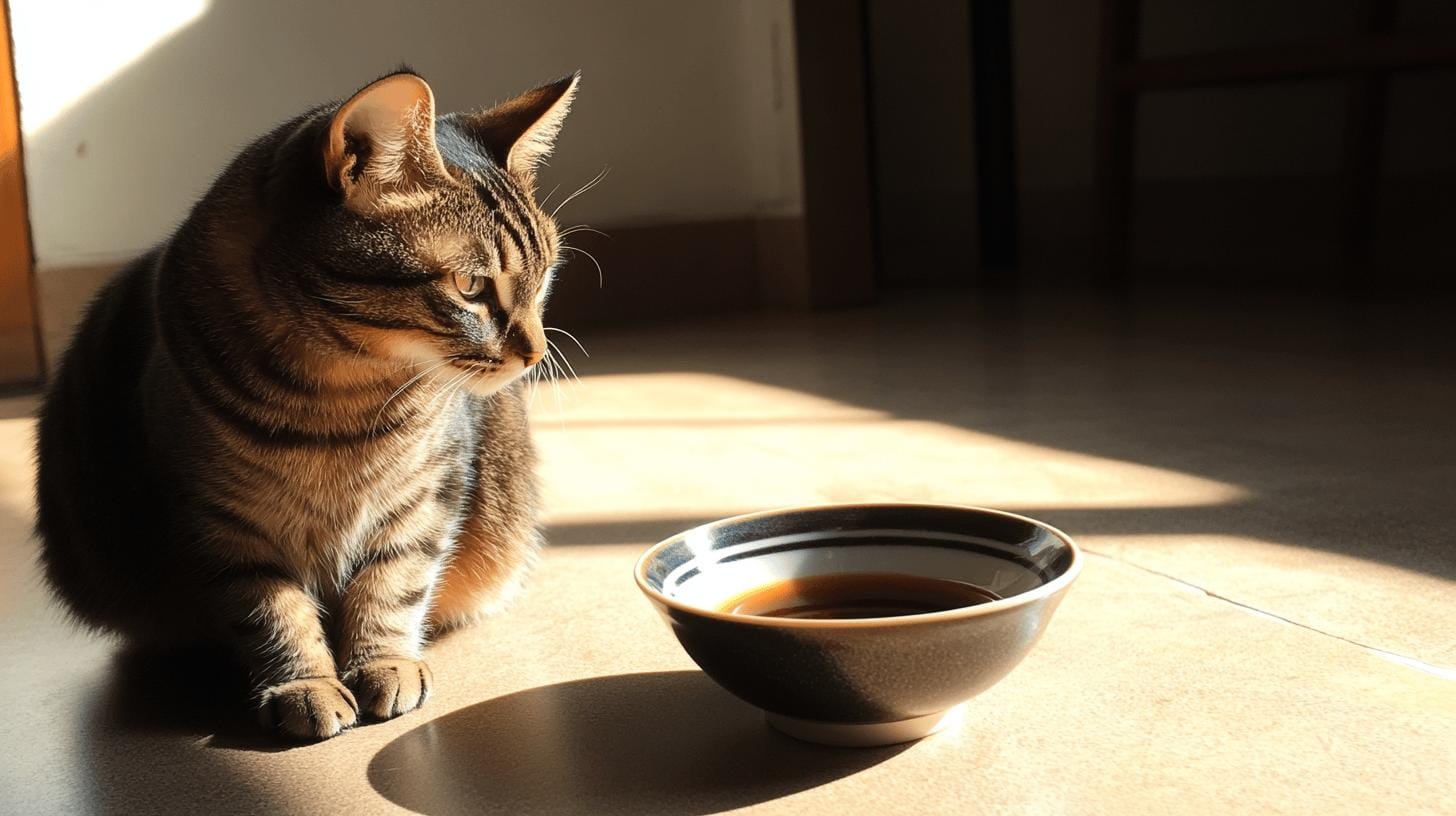
If a cat consumes soy sauce, immediate action is essential. First, remove any remaining soy sauce to prevent further ingestion. Providing fresh water is crucial, as it can help flush out excess sodium. It’s important to closely monitor for any worsening symptoms. If the cat continues to show signs like vomiting or lethargy, seeking veterinary care quickly is necessary.
Professional veterinary care is vital when dealing with sodium poisoning. A veterinarian can provide treatments such as IV fluids to rehydrate and balance electrolytes. This professional guidance is important for ensuring your cat receives the best care and increases the chance of a full recovery.
- Remove access to soy sauce immediately
- Provide fresh water for hydration
- Monitor for worsening symptoms
- Seek veterinary care promptly
Safe Alternatives and Prevention Tips
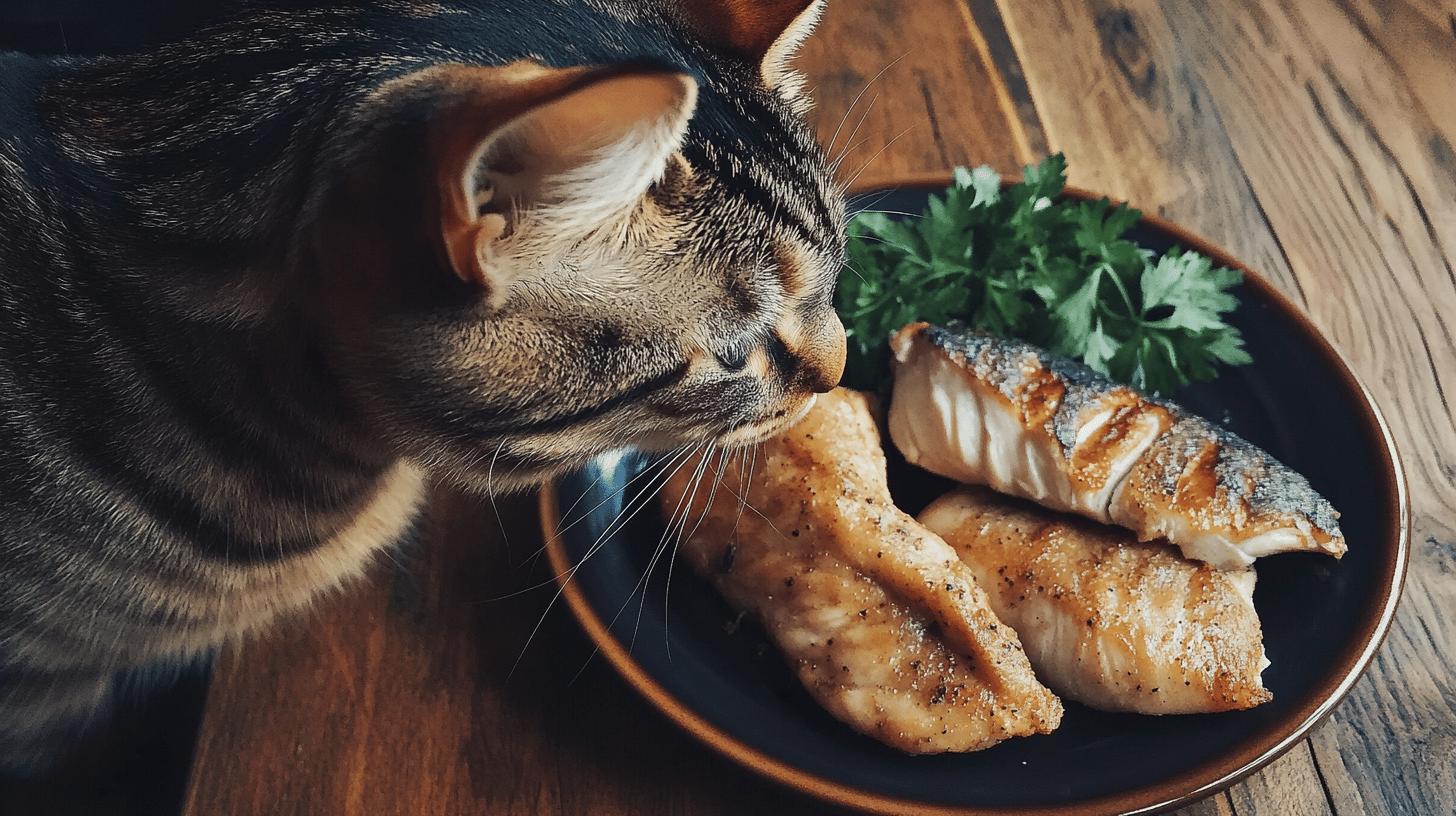
When it comes to adding flavor to your cat’s diet, there are several safe options that can replace soy sauce. Opt for small amounts of plain cooked meat or fish, ensuring no added salt or seasoning. These options are not only safe but also align with a cat’s natural dietary needs.
Consider using low-sodium broth or pumpkin purée to add variety without the risk. Healthy cat treats or plain meats remain superior choices over sharing human foods, as they cater to a cat’s nutritional requirements without introducing harmful ingredients.
Preventing cats from accessing soy sauce involves a few proactive steps. Always store soy sauce and other condiments in secure, cat-proof cabinets. Be mindful when dining, ensuring soy sauce is out of reach. Clean any spills immediately to avoid accidental ingestion. Educating family members about the dangers of soy sauce for cats can also play a crucial role in prevention.
- Plain cooked chicken
- Low-sodium broth
- Pumpkin purée
- Plain cooked fish