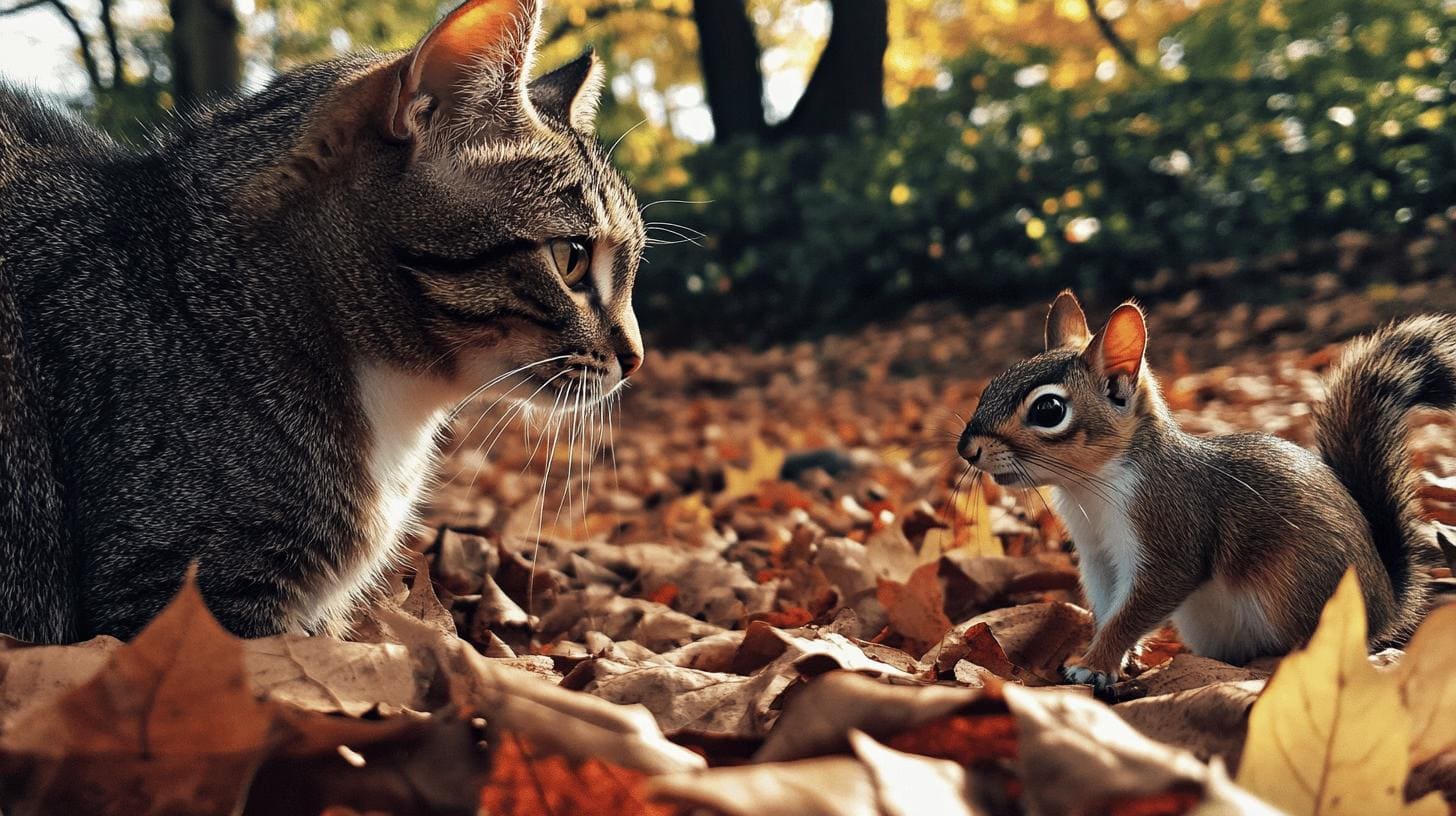
Can cats really eat squirrels, or is the idea just a wild tale? When it comes to feral cats, the answer is yes—squirrels often make a part of their natural diet. These outdoor explorers rely on their hunting skills to catch a range of small animals, including squirrels. Domesticated cats, however, tell a different story. While they may capture squirrels out of sheer instinct, they rarely eat them, thanks to the cat food we provide. By exploring the behaviors of both feral and domesticated cats, we can learn how their environments shape these intriguing eating habits.
Can Cats Safely Eat Squirrels?
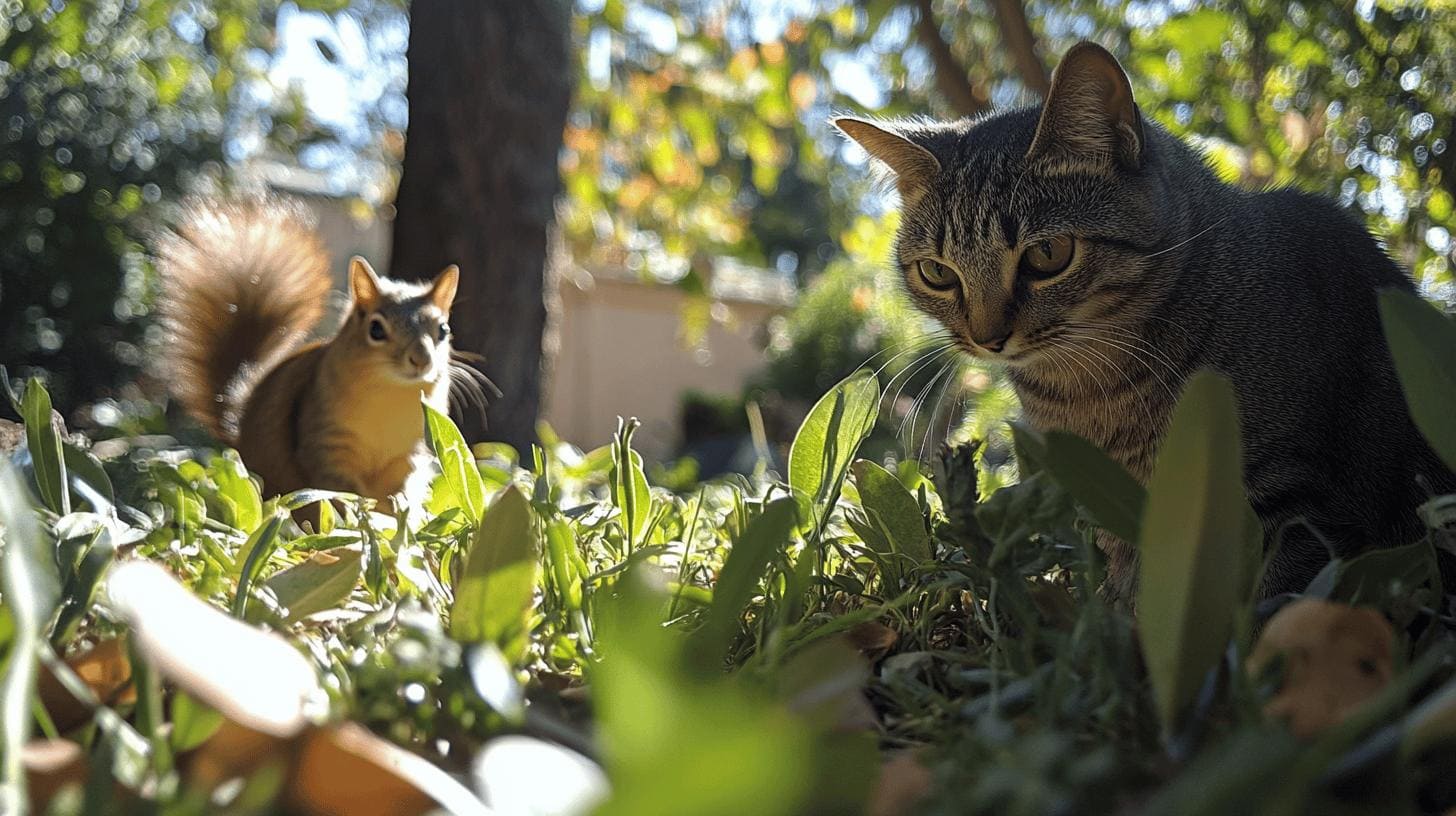
Cats, especially feral ones, can eat squirrels. Feral cats are more inclined to consume entire squirrels as part of their diet. These cats rely on hunting for sustenance and are accustomed to eating various small animals, including rodents and birds. While squirrels provide a high-protein meal, it's important to note that not all cats have the same inclination towards consuming them. Pet cats, in contrast, may kill squirrels but often do not eat them, primarily because their nutritional needs are typically met through commercial cat food provided by their owners.
The natural prey behavior of cats includes hunting small animals, but domesticated cats are less likely to consume squirrels. This behavior stems from their intrinsic hunting instincts, which are more pronounced in feral cats or those with a strong hunting drive. Domesticated cats usually have an abundance of food available at home, reducing their need to hunt and eat squirrels. Their diet, rich in nutrients from commercial cat food, makes the pursuit and consumption of squirrels less appealing. This difference in behavior highlights how a cat's environment and access to food influence its hunting and eating habits.
Understanding Cat Prey Behavior and Instincts
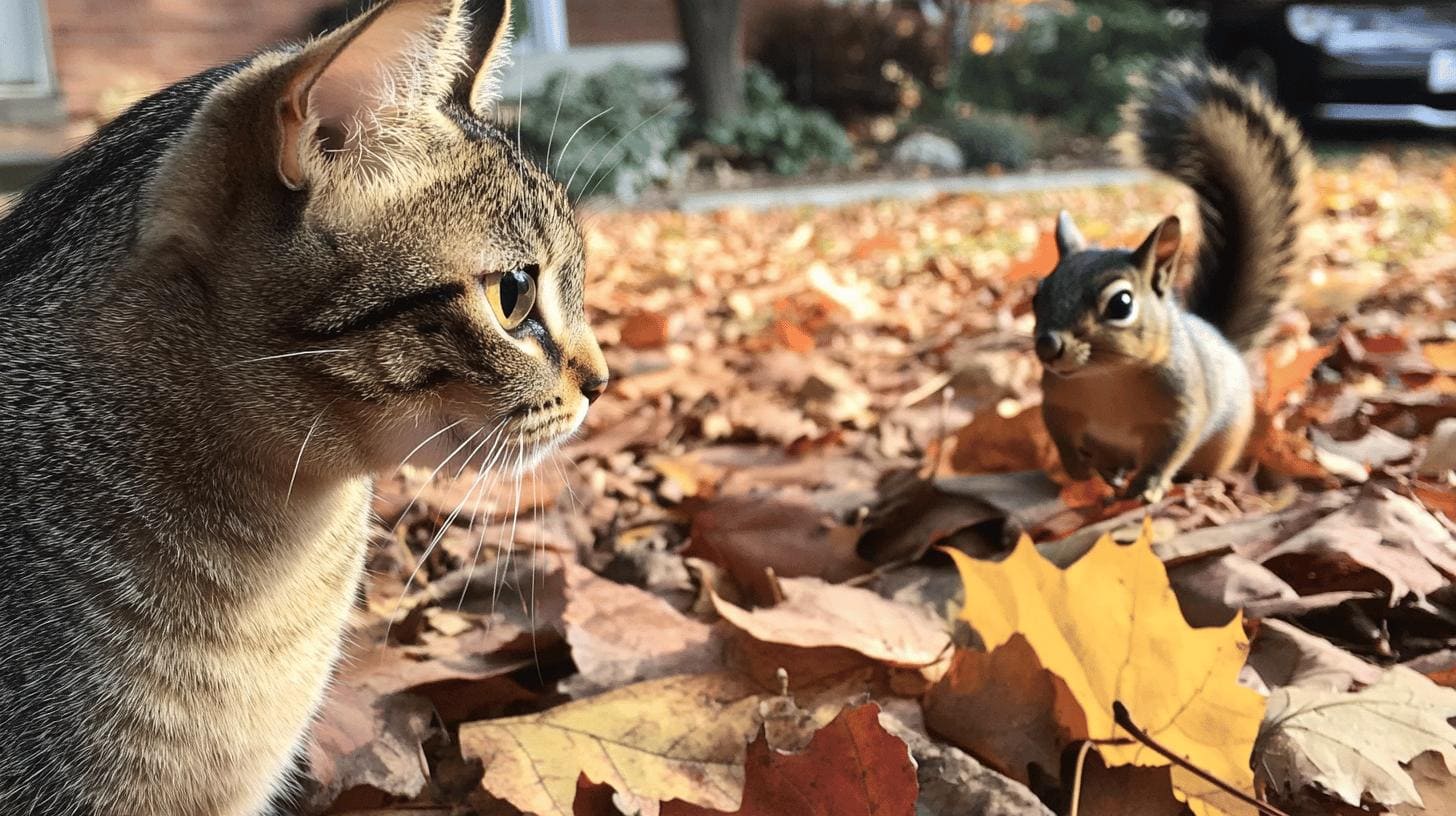
Cats have a fascinating natural hunting instinct, driven by their status as obligate carnivores. This means they need animal protein to thrive. As a part of their prey behavior, cats may chase and kill small animals, like squirrels. This instinct is especially strong in feral cats or those with a pronounced hunting drive. They rely on their skills to capture food in the wild. Even for domesticated cats, the thrill of the hunt can be irresistible. It's more about the chase than the meal for many household felines, who often enjoy the activity as a form of play.
- Stalking: Cats approach their prey slowly and quietly to avoid detection.
- Pouncing: With a sudden leap, they attempt to catch their prey off guard.
- The Kill Bite: A precise bite to the neck or head to swiftly end the hunt.
- Batting: Using their paws to tap and play with their prey, often a way to test its reactions.
- Carrying: After catching prey, cats may carry it in their mouths to a safe or private spot.
Domesticated cats typically show less interest in hunting squirrels. This is largely because their nutritional needs are met through high-quality commercial cat food provided by their owners. With a consistent and balanced diet at their disposal, they don't feel the same urgency to hunt for survival. While they might still enjoy the occasional chase as a form of exercise or entertainment, the instinctual drive to pursue and eat prey like squirrels is often diminished.
Health Risks of Cats Eating Squirrels
Eating squirrels can pose significant health risks to cats, primarily due to the potential for disease transmission. One of the most concerning diseases is toxoplasmosis, which can be contracted by consuming infected prey. This parasitic infection can cause symptoms ranging from mild to severe, affecting a cat's overall health and sometimes leading to serious complications. Cats can also catch other diseases from pathogens found on a squirrel's fur or in its organs. These diseases may not only impact the cat but also pose a risk to humans who come in contact with the infected pet.
Parasites are another major concern when cats eat squirrels. Tapeworms and roundworms can be transmitted if a cat consumes an infected squirrel. These parasites can lead to digestive issues, nutritional deficiencies, and general discomfort for the cat. Moreover, they can spread to other pets or humans within the household, creating a broader health concern. Regular veterinary check-ups and preventive measures, like deworming, are essential for cats that might have exposure to wild animals.
| Health Risk | Description |
|---|---|
| Diseases | Includes toxoplasmosis and other illnesses that can be transmitted from infected squirrels to cats. |
| Parasites | Tapeworms and roundworms can be contracted by cats eating infected squirrels. |
| Choking Hazards | Squirrel bones can become lodged in a cat’s throat, posing a serious risk of choking. |
Beyond diseases and parasites, the physical danger of a squirrel encounter itself can't be ignored. Squirrels have sharp teeth and claws, and they will defend themselves fiercely if threatened. An inexperienced or overly curious cat might find itself injured in a confrontation. Wounds from bites or scratches can lead to infections and require veterinary treatment. It's crucial for pet owners to be aware of these potential dangers and take steps to mitigate the risks, such as keeping cats indoors or supervising outdoor time closely.