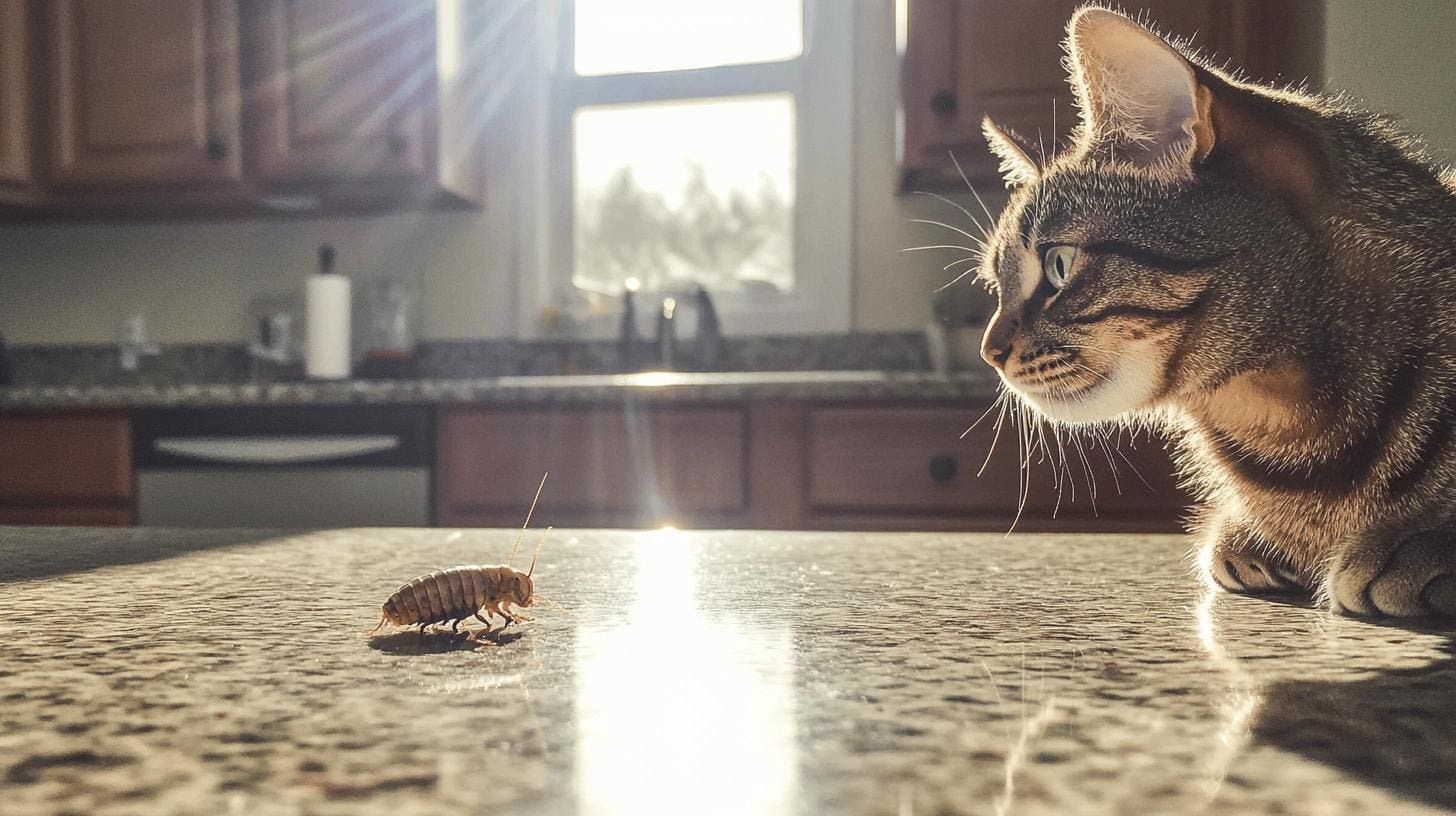
Ever caught your cat batting away at a creepy-crawly and wondered, "Can cats eat earwigs?" It's a curious thought, especially since most cats seem to love chasing anything that moves.
While earwigs look like mini-monsters with their pincers, they're usually harmless for cats, as long as only a few are eaten. Cats are natural explorers, and bugs like earwigs can trigger their playful instincts. But are they safe for snacking? Let's explore the safety and health considerations of letting your feline friend indulge in this peculiar curiosity.
Can Cats Safely Eat Earwigs?
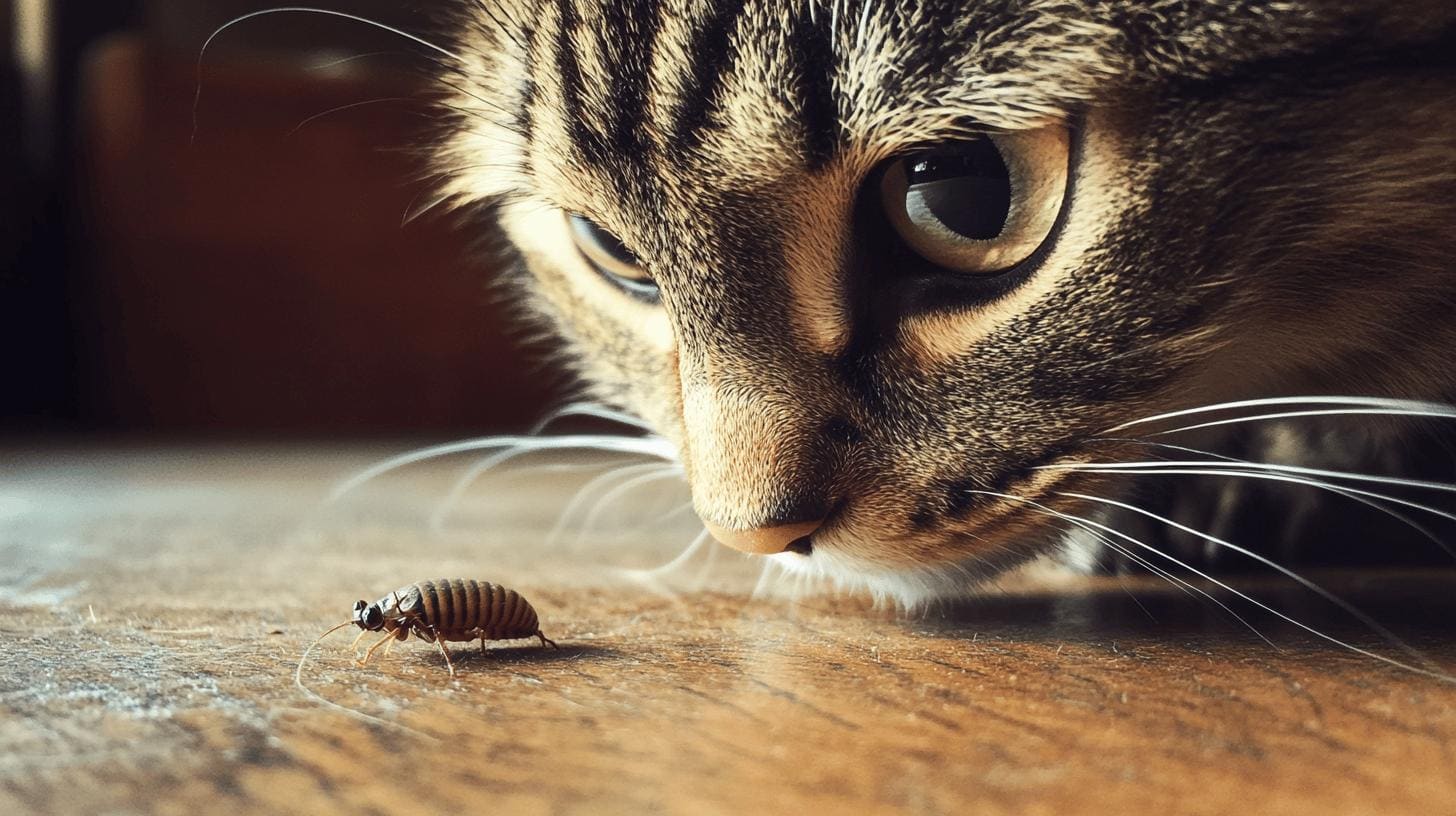
Earwigs are generally not harmful to cats if consumed in small quantities. While they may look intimidating with their pincers, these insects do not possess toxins that would pose a threat to cat health.
However, the pincers might cause minor discomfort if a cat tries to eat them. Most cats might just be curious and play with an earwig rather than eat it. If your cat does decide to snack on one, it's usually not a cause for concern.
-
Watch for any signs of discomfort or irritation in the mouth.
-
Monitor your cat for any changes in behavior or digestive issues.
-
If unusual symptoms occur, consult a veterinarian for advice.
Understanding Cat Behavior and Insect Curiosity
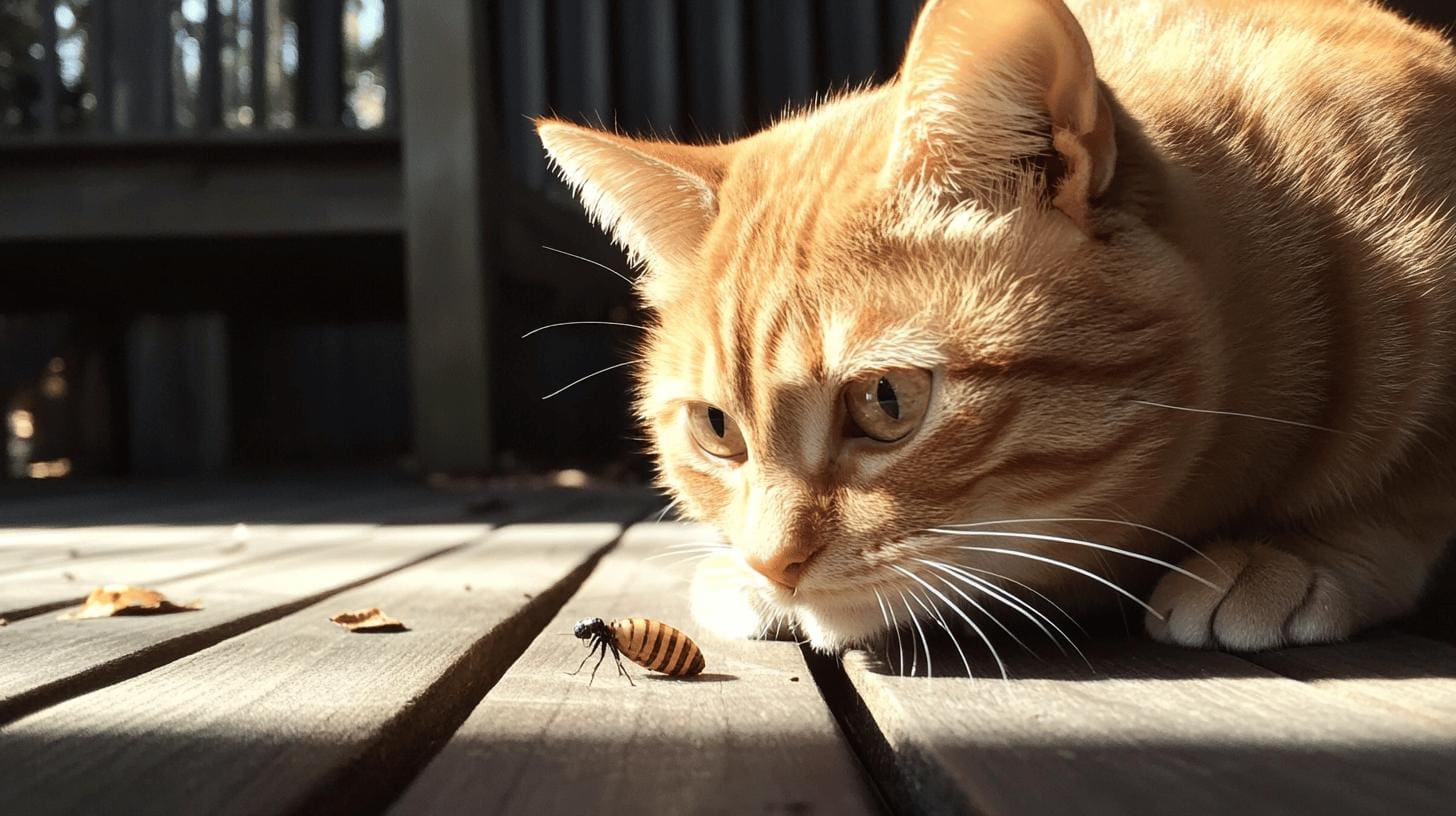
Cats are naturally curious creatures, often driven by their instincts to explore their environment. This curiosity extends to insects, including earwigs, even though most cats don't show a specific interest in them.
The movement and unusual appearance of insects might be enough to trigger a cat's exploratory nature. Cats like Crouton, who may hunt and eat earwigs, are simply following their instinctual behaviors that have been passed down through generations.
Why Cats Hunt and Eat Insects
Cats are natural hunters, and their instincts prompt them to chase and capture prey, even if it’s a small insect. This behavior is not necessarily about hunger, but rather about engaging their predatory senses.
The sound, movement, and even the smell of an insect can intrigue a cat, urging it to investigate further. While earwigs might not be the tastiest option, their presence can still spark a cat's curiosity and hunting drive.
Common Behaviors in Cats Around Earwigs
When a cat encounters an earwig, its reaction can vary. Some cats might paw at the insect, attempting to figure out what it is. Others might follow it closely, watching its every move.
There are also cats that might avoid earwigs altogether, possibly due to their intimidating pincers. Generally, most cats do not regard earwigs as a food source, but their behaviors are guided by instinctual curiosity and the need to explore their surroundings.
Potential Health Risks and Monitoring After Insect Consumption
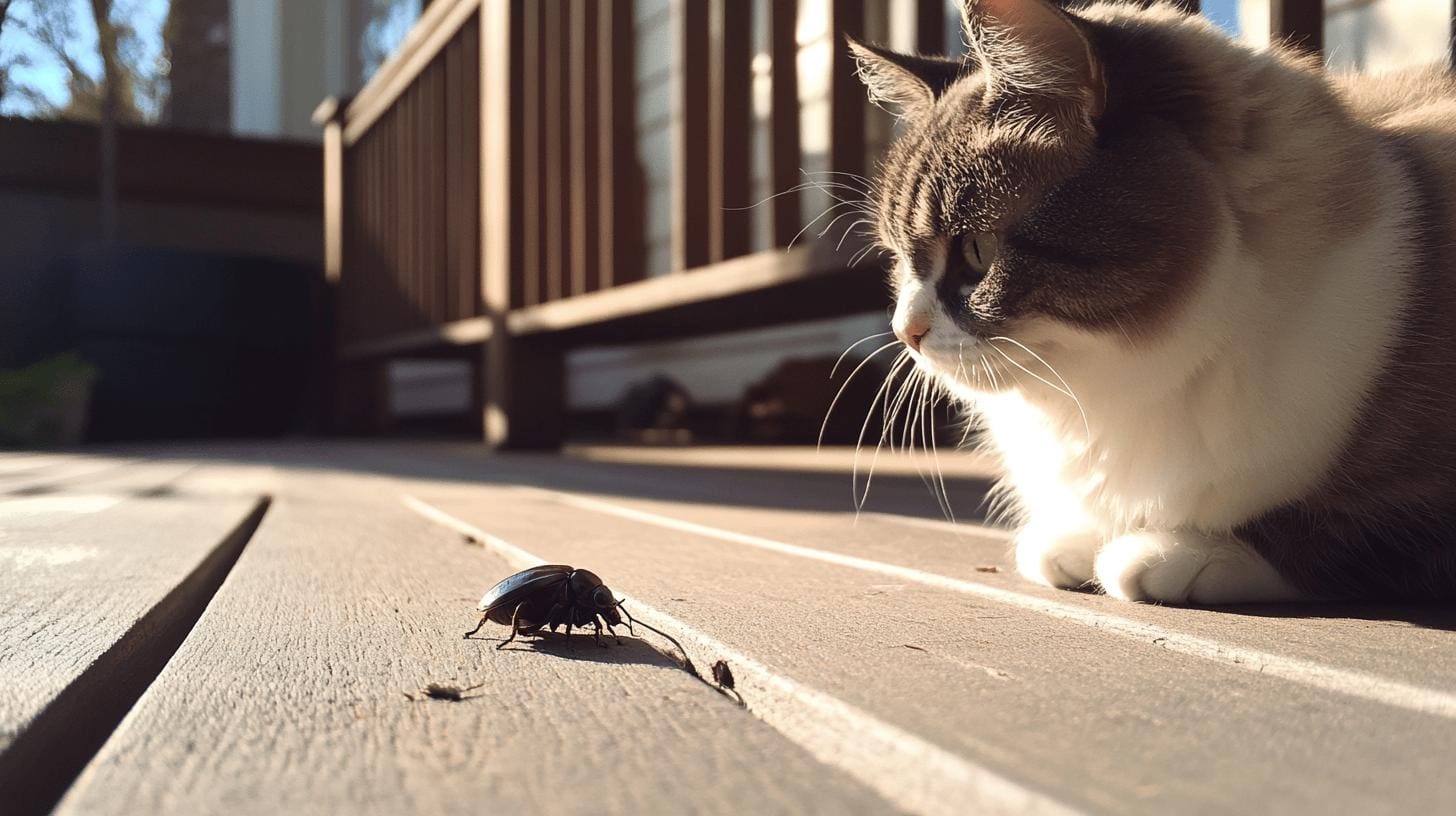
While earwigs are generally not harmful to cats, they can occasionally be carriers of viruses or parasites that pose health risks. Cats that eat insects might ingest harmful pathogens, leading to digestive unease or more serious health concerns.
Even though the pincers of earwigs are not toxic, they can cause minor discomfort if they pinch a cat during consumption. Therefore, it's essential to be aware of potential symptoms and monitor your cat closely after it consumes insects.
| Symptom | Action |
|---|---|
| Vomiting | Withhold food for a few hours, then offer a small amount of bland food. If symptoms persist, consult a vet. |
| Diarrhea | Ensure your cat stays hydrated. If it continues for more than 24 hours, seek veterinary advice. |
| Lethargy | Observe your cat’s behavior. If it seems unusually tired or unresponsive, contact a veterinarian. |
| Loss of Appetite | If your cat refuses to eat for more than a day, consult with a vet to rule out health issues. |
Vigilance is key when it comes to your cat's health after it eats insects. Keep a close eye on any changes in behavior or physical symptoms. While many insects are harmless, some can carry risks that aren't immediately apparent.
It's crucial to exercise caution and provide a safe environment for your cat to explore. If you notice any unusual symptoms or behaviors, contact your veterinarian for guidance. Always remember that prompt attention to your cat's health can prevent minor issues from becoming serious.