
Can cats safely enjoy the luxurious taste of truffles, or are these pricey delights off-limits for our feline companions? Before you think about sharing truffles with your cat, it's crucial to understand the differences between mushroom and chocolate truffles.
While mushroom truffles might be harmless in tiny amounts, chocolate truffles pose significant risks due to toxic ingredients like theobromine. Understanding which truffle varieties pose risks and how to protect your cat is key to making informed choices for their well-being.
Complete Guide to Truffles and Cats: Safety, Nutrition, and Veterinary Insights

Truffles come in two main varieties–mushroom truffles and chocolate truffles. Mushroom truffles are the ones that can be safely consumed by our feline friends, in moderation. They're a type of wild mushroom that doesn't pose the same risks as many other wild varieties.
On the other hand, chocolate truffles are a definite no-go. These delicious human treats can be quite dangerous for cats due to their content of theobromine and caffeine, both of which are toxic to them.
Chocolate truffles contain substances that can be harmful, and potentially fatal, to cats. Theobromine and caffeine can cause a range of symptoms from hyperactivity and rapid breathing to more severe issues like tremors and seizures.
It's crucial to keep these out of a cat's reach to prevent accidental ingestion. Unlike mushroom truffles, chocolate truffles do not belong anywhere near a cat's diet.
Mushroom truffles, while being safe, don't offer much in terms of nutritional benefits for cats. They contain some beneficial nutrients like vitamin C, magnesium, and antioxidants, but these are not particularly necessary for a cat's diet.
Cats are obligate carnivores and their nutritional needs are primarily met through meat-based foods. So, while mushroom truffles aren't harmful, they don't contribute significantly to a cat's overall health.
From a practical standpoint, feeding truffles to cats isn't the most economical choice. Truffles are one of the more expensive delicacies in the culinary world.
Given their cost and the fact that they don't provide substantial nutritional value to cats, it might be better to stick to more conventional cat treats or foods that are specifically designed to meet their dietary requirements.
Veterinary advice often emphasizes caution when introducing any new food into a cat's diet. It's always best to consult a vet before offering something unusual like truffles.
A balanced diet that caters to a cat's specific nutritional needs should be the focus. Human foods, including truffles, should generally be avoided unless a vet has given the green light.
When introducing any new food, including mushroom truffles, it's important to do so responsibly. Start with small amounts and closely observe your cat for any signs of adverse reactions.
Cats can be quite sensitive to dietary changes, so moderation is key. Watch for any changes in behavior or health, and always prioritize your cat's safety and well-being.
Potential health risks if truffles are consumed excessively:
-
Digestive upset
-
Vomiting or diarrhea
-
Toxicity symptoms
- Changes in behavior
By keeping these considerations in mind, you can make informed decisions about what to feed your cat, ensuring they stay happy and healthy.
Alternative Cat-Safe Foods to Truffles
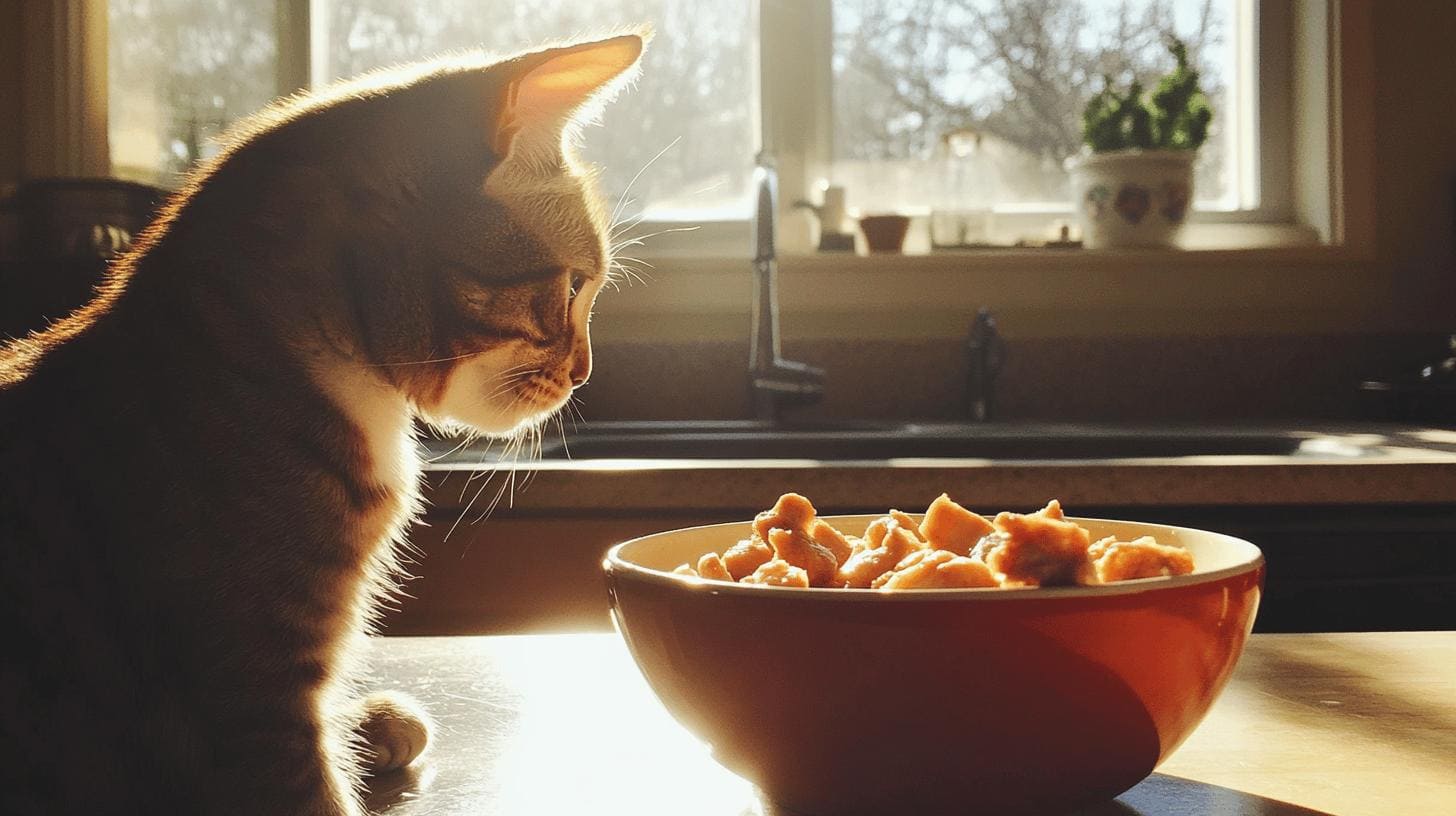
In the world of feline nutrition, there are plenty of safe human foods that you can share with your cat instead of truffles. These alternatives not only ensure the safety of your furry friend but also provide more practical and beneficial options.
Cats can enjoy small amounts of certain cooked meats and vegetables that align with their dietary needs, offering a variety of tastes and textures to keep them interested.
Opting for these alternatives is preferable because they are more aligned with a cat's natural dietary requirements. Unlike truffles, these foods can offer nutritional benefits that support a cat's health. By choosing foods designed to cater to a cat's carnivorous nature, you can responsibly feed your pet while avoiding unnecessary risks.
-
Cooked chicken
-
Salmon
-
Peas
-
Carrots
-
Commercial cat treats
These options are not only safe but also contribute to a well-rounded dietary plan for your cat.
Monitoring Cat Health and Behavior After Eating Truffles
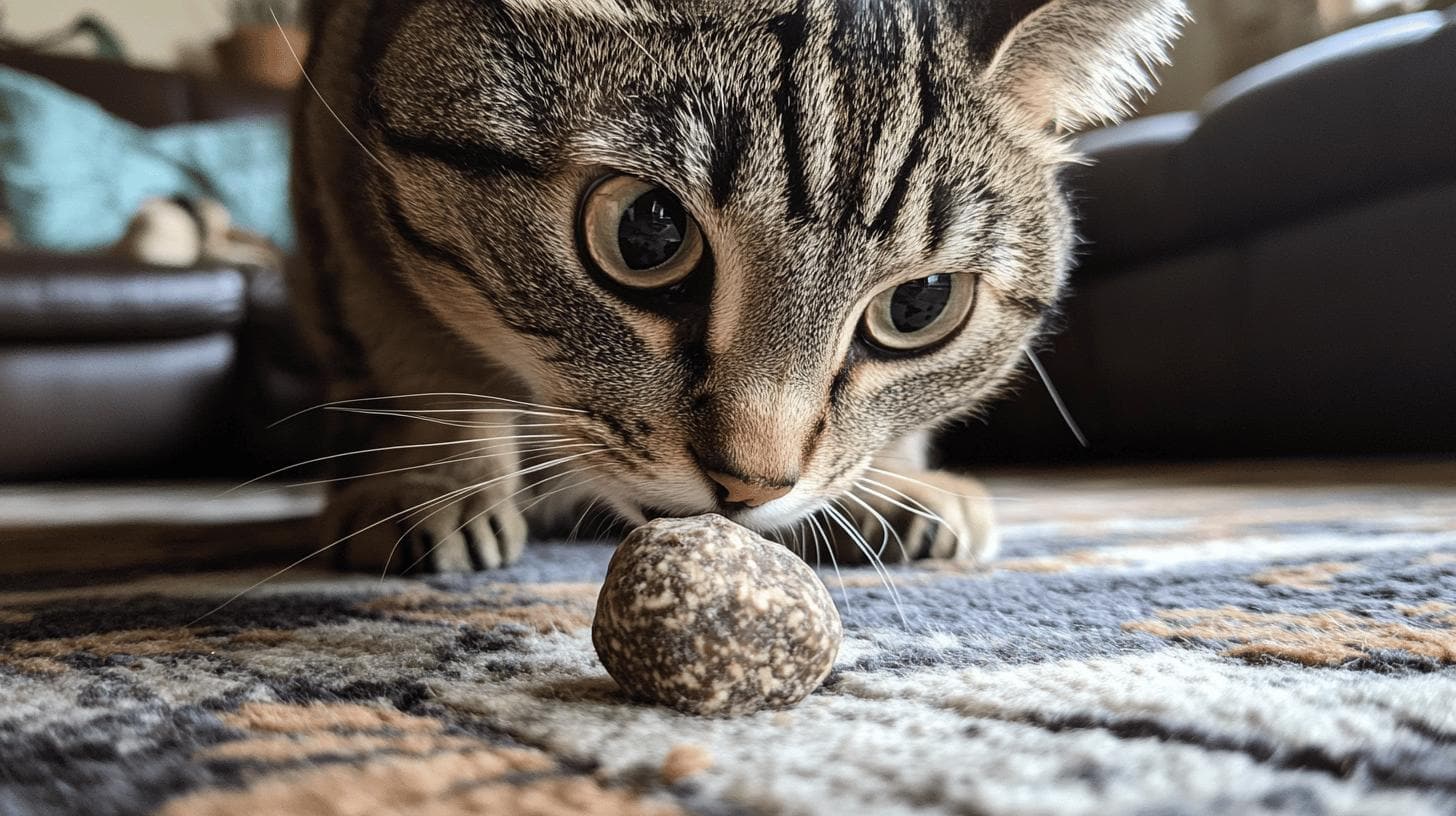
When introducing truffles to your cat's diet, observation is crucial. Each cat's response to new foods can be unique, making it essential to keep a watchful eye on their health and behavior. This vigilance helps in detecting any unusual reactions quickly, ensuring your cat's well-being and helping you understand their dietary tolerances better.
Be alert for specific symptoms that may show adverse reactions. While vomiting and diarrhea are common signs, other symptoms might include:
-
Lethargy or unusual tiredness
-
Excessive licking of lips or drooling
-
Increased vocalization or agitation
These symptoms, if observed, suggest stopping the new food and consulting a vet to ensure your cat's health remains unaffected.