Is giving your cat tuna every day a good idea? Sure, they might love the taste, but is it truly safe? While tuna is packed with protein and omega-3s, it also lacks key nutrients that cats need daily. Feeding your furry friend tuna every day could lead to serious health concerns.
Just like a car needs more than fuel to run smoothly, cats need a variety of nutrients for a healthy life. This article explores the risks and nutritional gaps of making tuna a regular part of your cat's diet. Let's dive into why tuna might be better as an occasional treat than a daily meal.
Can Cats Eat Tuna Every Day? Understanding the Implications
Many cat owners wonder if they can feed their feline friends tuna every day. While cats may love tuna, feeding it daily can lead to health issues. Tuna lacks several essential nutrients that cats need, making it unsuitable as a primary food source. Cats require a balanced diet that tuna alone cannot provide.
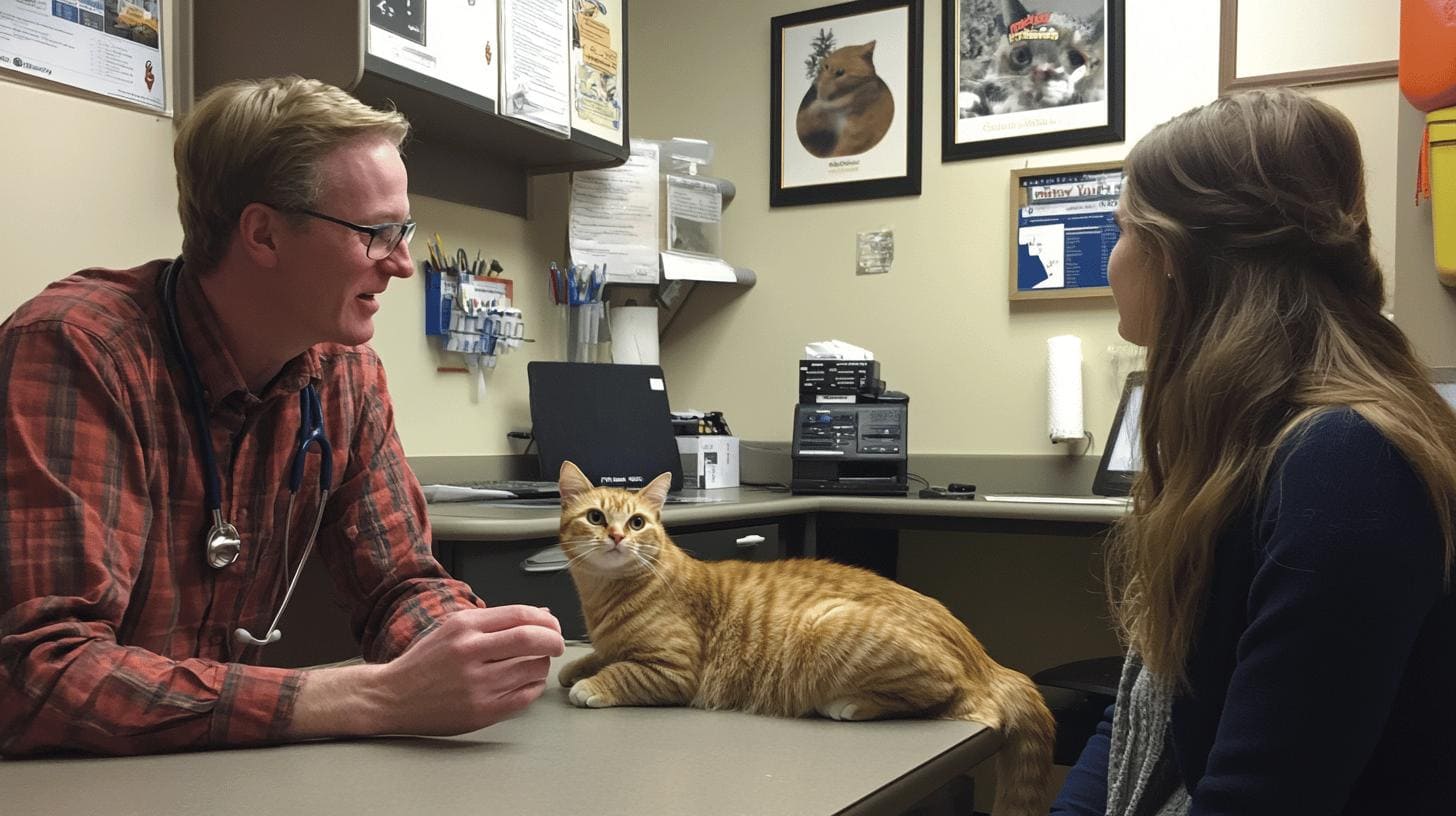
Veterinarians often caution against making tuna a staple in a cat's diet. For instance, Dr. Jane Brunt, a well-known veterinarian, mentions, "Cats require a diet that meets all their nutritional needs, and tuna alone falls short." Tuna is deficient in taurine, vitamins, and minerals, which are crucial for a cat's health. Thus, while the occasional tuna treat is fine, regular consumption is not recommended.
Potential health risks associated with daily tuna consumption include:
- Mercury poisoning
- Nutritional deficiencies
- Lack of essential nutrients
- Risk of overfeeding
- Long-term health issues
Mercury poisoning is a significant concern when feeding cats too much tuna. Mercury can accumulate in a cat's system, leading to symptoms such as loss of coordination and difficulty walking. These signs can be subtle and easily mistaken for other health issues. Therefore, it's essential to monitor your cat's diet and avoid overreliance on tuna to prevent potential health problems.
Nutritional Value of Tuna for Cats: What It Offers and What It Lacks
Tuna offers high protein and omega-3 fatty acids. These nutrients are beneficial for a cat's skin and coat. Omega-3s have anti-inflammatory properties that help cats with specific conditions. Protein is essential for muscle maintenance and energy. While these benefits make tuna an appealing treat, it's not a suitable main food source.
Tuna lacks crucial nutrients like taurine, Vitamin E, and B vitamins. Taurine is essential for heart health and vision. A deficiency can cause severe health issues. Vitamin E supports immune function. B vitamins are necessary for energy metabolism. These gaps make tuna an inadequate primary food source for cats.
| Nutrient | Tuna Content | Cat Requirement |
|---|---|---|
| Protein | High | High |
| Omega-3 Fatty Acids | Moderate | Moderate |
| Taurine | Low | High |
| Vitamin E | Low | Moderate |
| B Vitamins | Low | High |
| Selenium | Moderate | Moderate |
Exploring Alternatives: What to Feed Cats Instead of Tuna
Providing variety in your cat's diet is essential for ensuring they receive all necessary nutrients. While tuna can be a tasty treat, relying on it as a primary food source can lead to nutritional gaps and health risks. A varied diet helps prevent these issues and keeps your cat interested in their meals.
High-quality commercial cat foods are designed to meet all of a cat's nutritional needs, offering a complete and balanced diet that tuna alone cannot provide. By incorporating different protein sources and flavors, you can maintain a healthy and exciting diet for your feline friend.
Here are some excellent alternatives to tuna for your cat:
- Chicken
- Turkey
- Salmon-flavored cat food
- Nutritionally complete wet/dry cat food
- Commercial cat food with added supplements
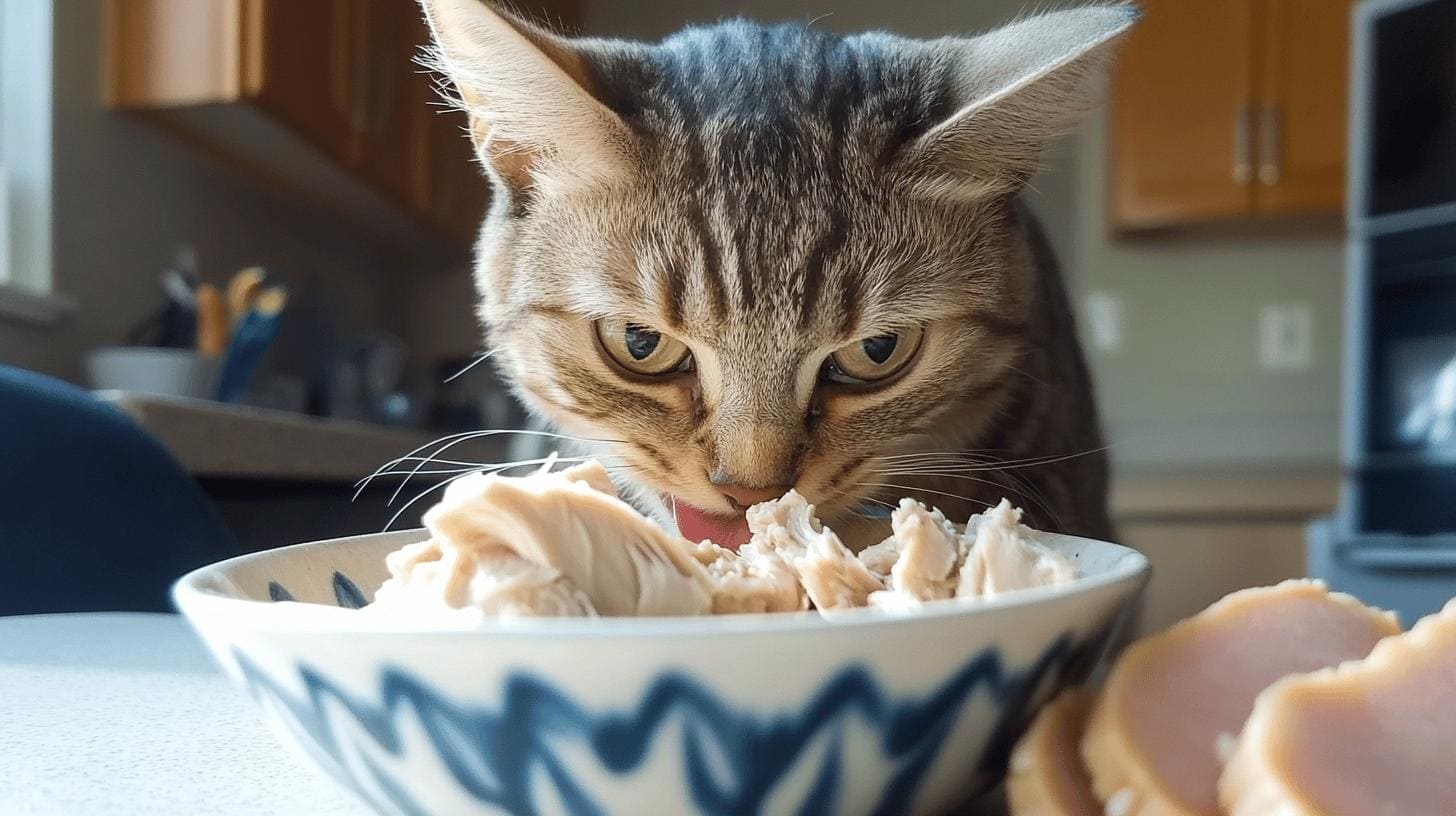
Maintaining a balanced diet with these options ensures your cat gets the right mix of proteins, fats, and essential nutrients. Chicken and turkey are lean proteins that cats often enjoy, while specially formulated fish-flavored cat foods can satisfy a cat's craving for seafood without relying solely on tuna. By choosing nutritionally complete foods, you can support your cat's overall health and well-being, avoiding the pitfalls of a tuna-heavy diet.