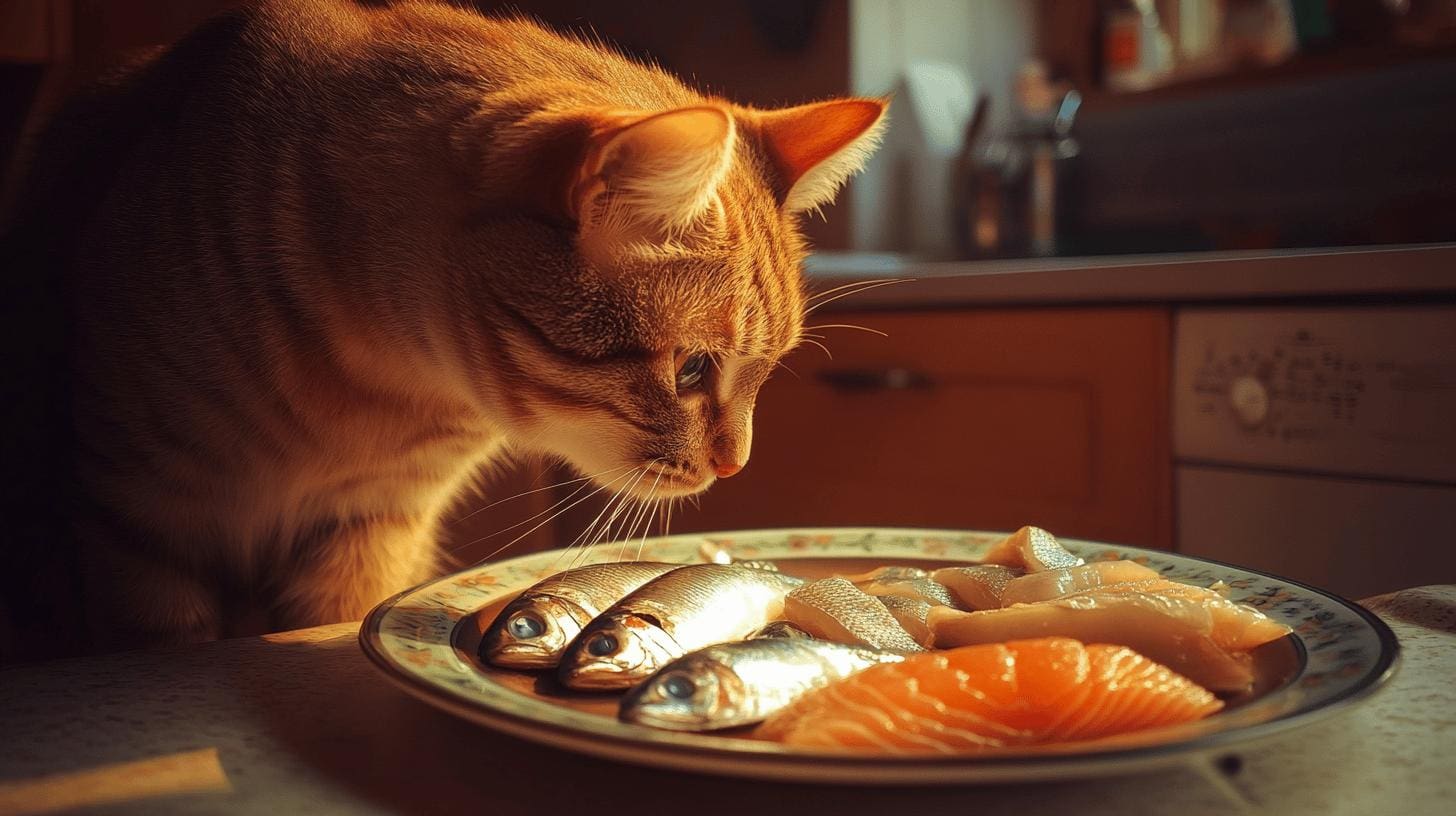
Can feeding cats tuna in oil become a risky health gamble? While many cat owners might think canned tuna is a tasty treat for their feline companions, the truth is tuna in oil might not be the best choice.
The high fat content can lead to weight gain and digestive issues, much like indulging in too much fast food can do to humans. Understanding the balance between occasional treats and regular meals is crucial. So, let’s dive into the safety and risks of tuna in oil for cats and explore healthier alternatives for your furry friend.
Is Tuna in Oil Safe for Cats?
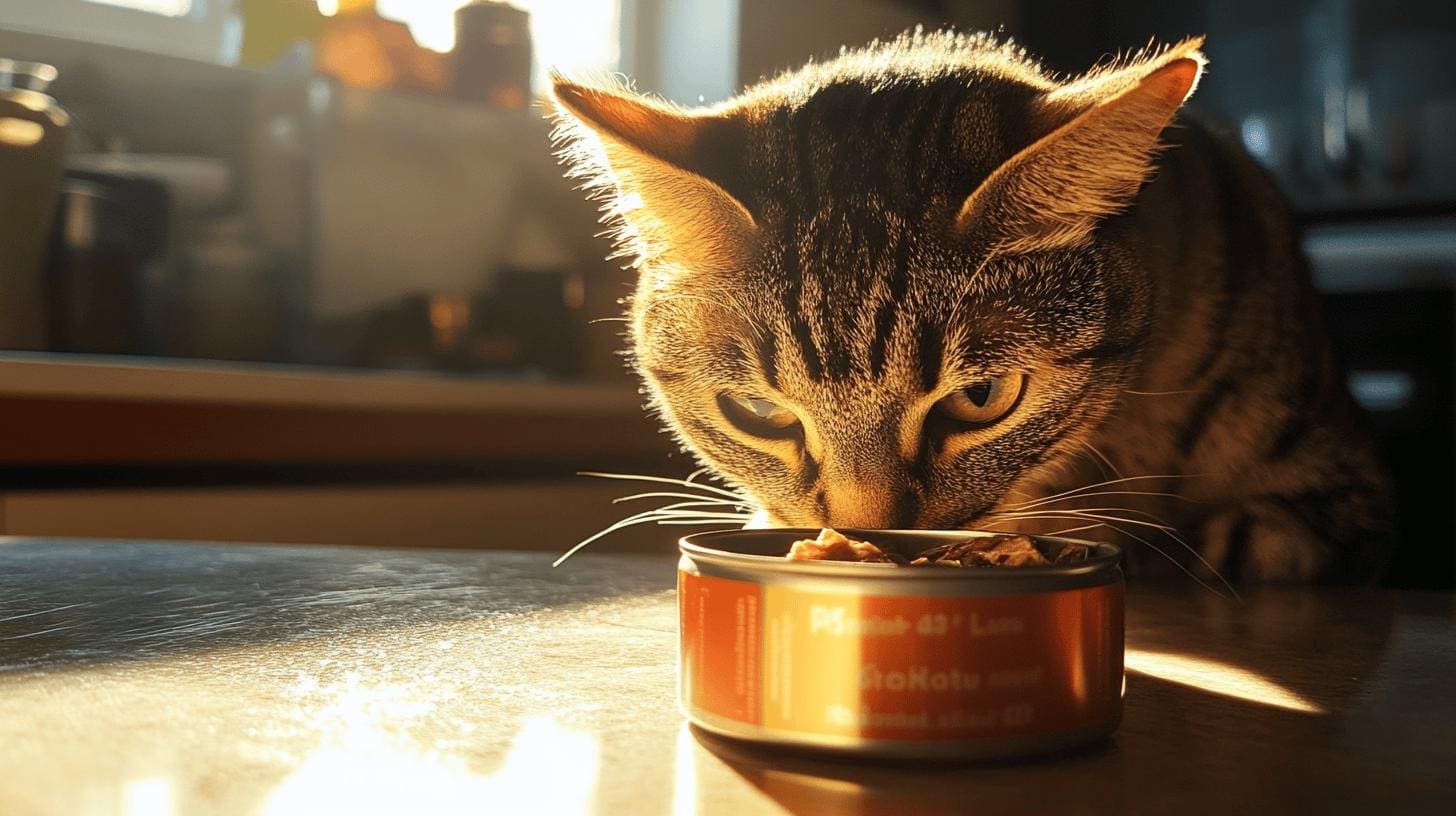
Cats can eat canned tuna, but feeding them tuna in oil isn’t the best choice. Tuna in oil has a high fat content, which may not be ideal for your feline friend, especially with regular consumption. Over time, this could contribute to weight gain or digestive issues.
Giving your cat tuna in oil occasionally is unlikely to cause harm, but it shouldn’t become a staple in their diet. The occasional treat is fine, but for everyday meals, it’s better to opt for healthier and more balanced options.
Health Implications of Tuna in Oil for Cats
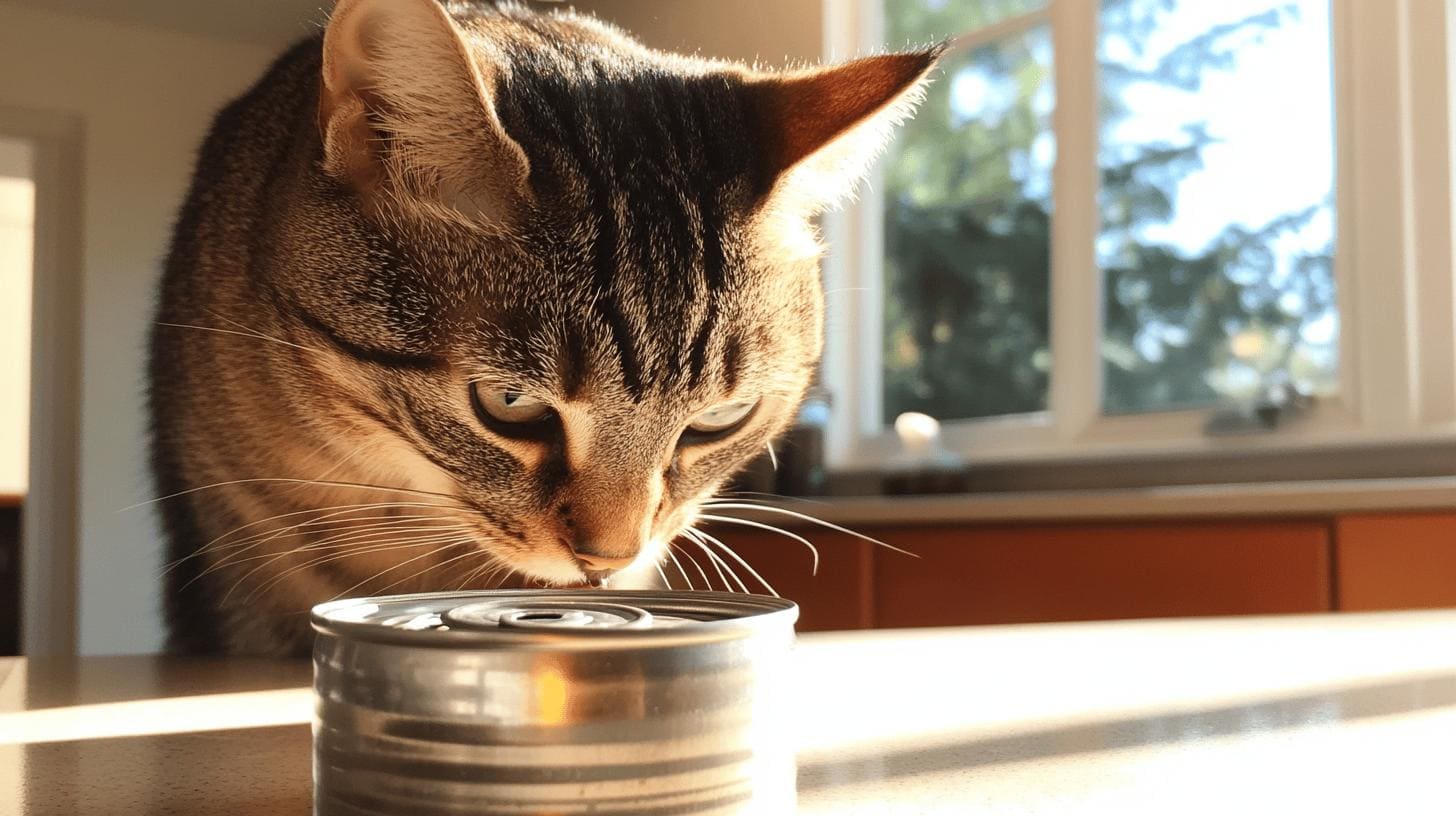
Tuna boasts nutritional perks like high protein and omega-3 fatty acids. These nutrients help maintain a cat’s healthy coat and reduce inflammation. Omega-3s are particularly beneficial, supporting joint health and overall well-being. But, it’s key to consider how these nutrients are delivered.
Feeding tuna in oil can lead to specific health issues. The high fat content can cause not just weight gain but also pancreatitis. This condition results in abdominal pain and vomiting, needing veterinary care. It’s vital to manage your cat’s fat intake to prevent such problems.
Alternative feeding options can offer better choices. Opt for tuna in water or explore other nutrient-rich treats. Keeping portion sizes small and feeding tuna in oil only occasionally can help maintain your cat’s health without the risk of digestive trouble.
Mercury Exposure Risks from Tuna
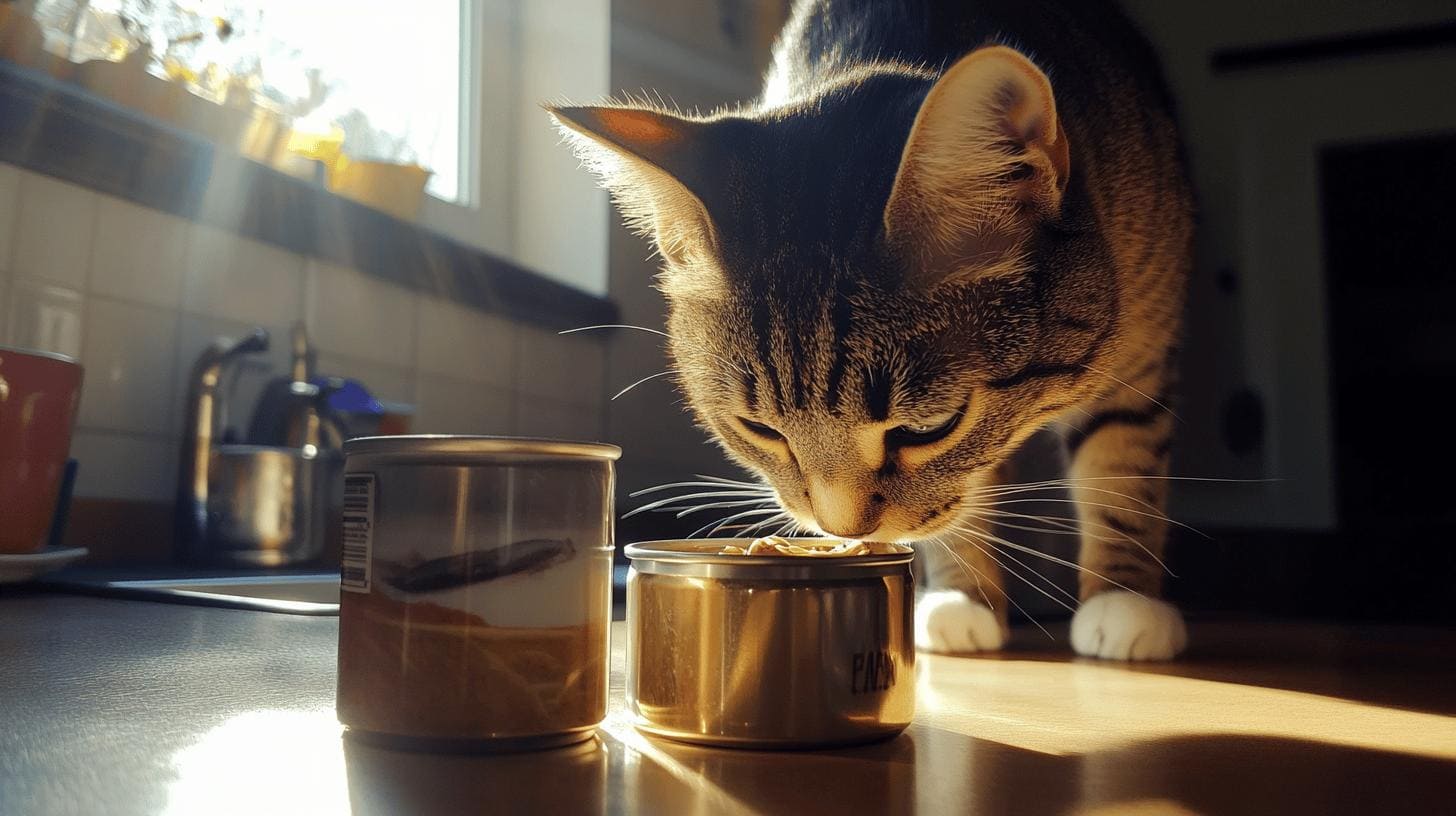
Mercury is a natural element found in various fish, including tuna, and poses a significant health risk to cats if consumed in high amounts. Larger fish like albacore tuna tend to accumulate more mercury, making them more dangerous for your feline friend.
Mercury exposure can result in severe health issues, including kidney damage and neurological disorders. Cats’ small bodies are particularly susceptible to these toxins, as they can’t process mercury as efficiently as humans. This makes it crucial to monitor and limit their intake of tuna, especially the types with higher mercury content.
Recognizing mercury poisoning in cats can be challenging, but some symptoms to watch for include loss of coordination, seizures, vomiting, and noticeable changes in behavior.
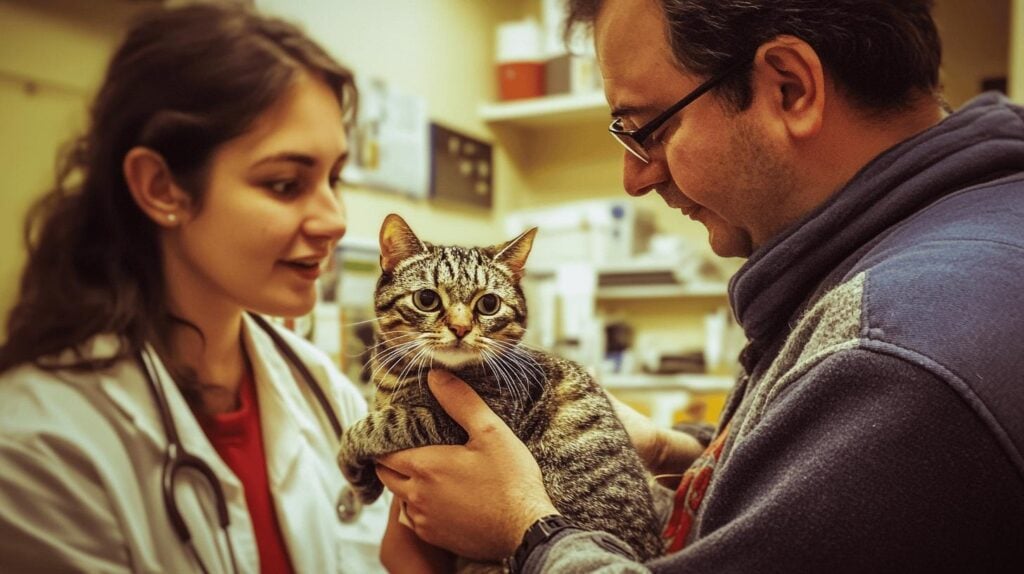
To prevent these risks, it’s vital to choose tuna types with lower mercury levels, such as chunk-light tuna, and limit the frequency of feeding tuna to your cat. Regular vet visits can help catch any early signs of mercury exposure. Monitoring portion sizes and sticking to occasional treats rather than regular meals can also mitigate these risks.
| Tuna Type | Mercury Level |
|---|---|
| Albacore Tuna | High |
| Yellowfin Tuna | Moderate |
| Chunk-light Tuna | Low |