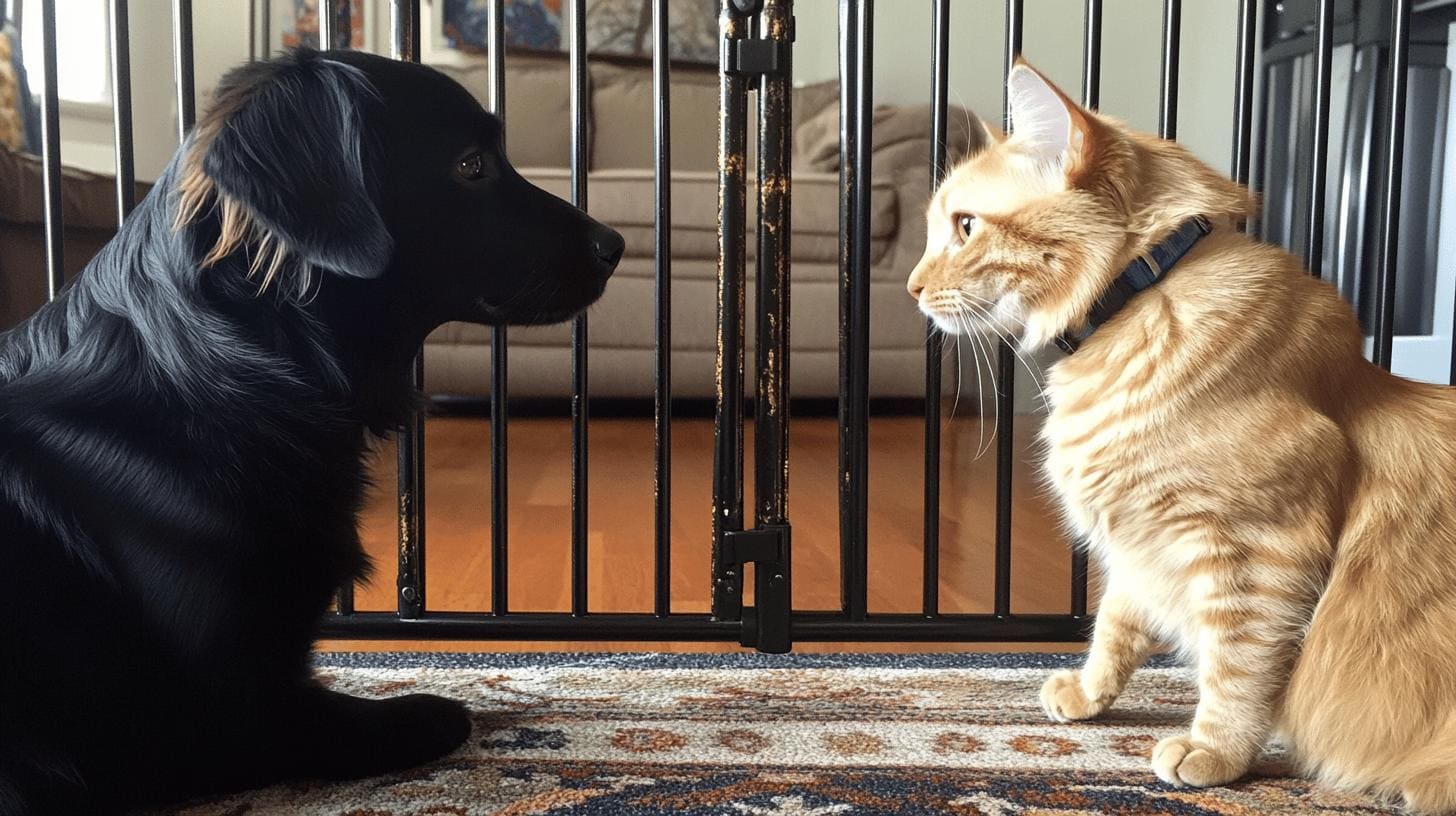
Do cats really hate dogs, or is it a misunderstanding bred from nature? Our furry friends, despite their cute appearances, often clash like oil and water. Cats are the quiet thinkers of the animal world, relying on subtle body signals, while dogs are more like open books, loud and eager.
A dog’s playful bark might ring as a threat to a cat more used to the silent approach. Why is the cat-dog dynamic often so tense? By exploring their instinctual behaviors, we can uncover the true reasons these pets don’t see eye to eye.
Understanding Why Cats May Dislike Dogs
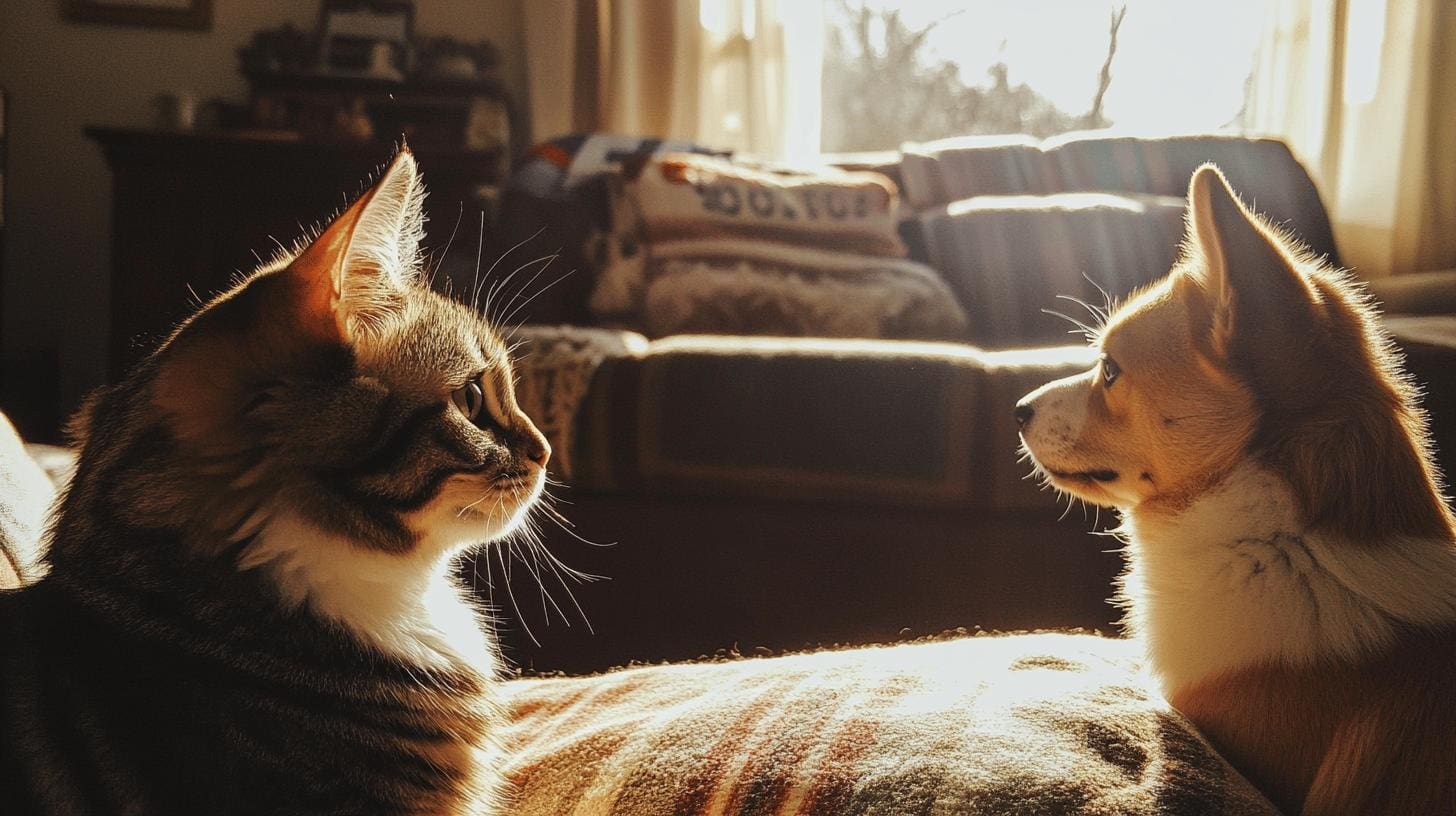
- Different communication styles
- Prey drive in dogs
- Territorial nature of cats
- Misinterpretation of play signals
- Historical survival instincts
Cats and dogs have fundamentally different ways of communicating, which often leads to misunderstandings. Cats rely heavily on body language, while dogs are more vocal and expressive. This difference can cause a cat to misinterpret a dog’s enthusiastic barking or wagging tail as threatening.
Additionally, dogs have a natural instinct to chase smaller animals, which is often triggered by a cat’s quick movements. This prey drive can make cats feel threatened, leading them to view dogs as a danger rather than a friend.
These innate differences often escalate into conflicts. A cat’s territorial nature means it may see a dog as an intruder, triggering defensive behavior. Similarly, what a dog perceives as playful behavior can be seen as aggressive by a cat, causing the cat to react defensively. These misinterpretations can create a cycle of fear and aggression, further fueling the perception of hostility between the two species.
The common perception that cats inherently dislike dogs is rooted in these instinctual differences and historical interactions. Over time, these misunderstandings have fed into cultural myths and idioms about cat-dog animosity.
In reality, with understanding and patience, cats and dogs can learn to coexist peacefully. Recognizing that their conflicts are driven by natural behaviors and not inherent animosity is the first step toward fostering a harmonious relationship between them.
Historical and Evolutionary Origins of Cat-Dog Rivalry
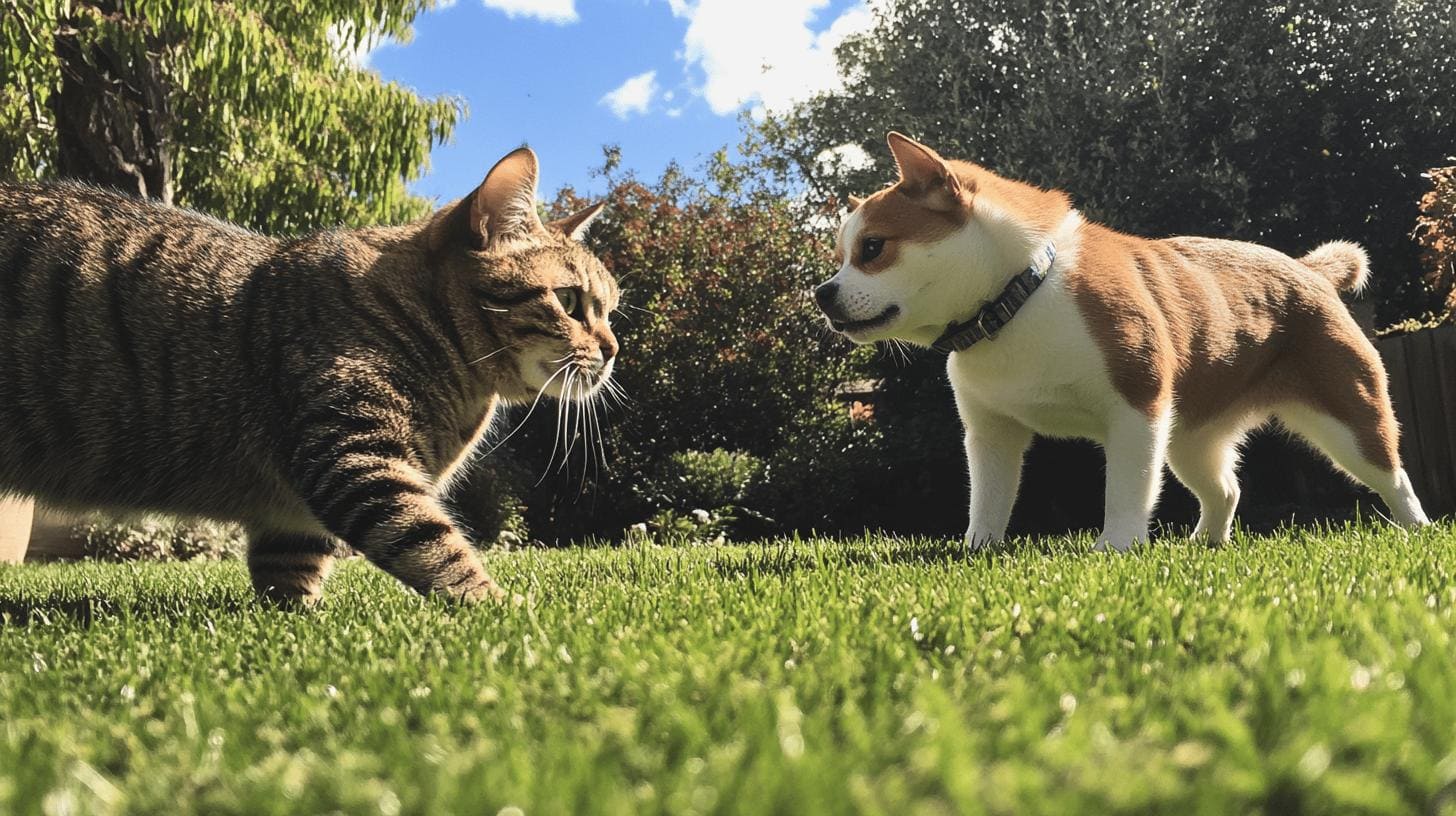
The rivalry between cats and dogs is rooted in their distinct evolutionary paths. Dogs, with ancestry linked to wolves, developed a pack mentality essential for social cooperation and survival. This pack orientation focused on hierarchical structures and collective effort.
|
In contrast, cats evolved as independent hunters, relying on stealth and agility to catch prey. Their solitary nature and territorial instincts meant they didn’t need to cooperate for survival. This difference in hunting and survival strategies laid the groundwork for a competitive dynamic—cats hunted alone, often leaving little for scavengers like early dogs.
Today, these evolutionary traits still affect cat-dog interactions. Dogs may interpret a cat’s swift movements as prey behavior, triggering their chase instinct. Cats, perceiving dogs’ larger size and assertive behavior as threats, often react defensively to protect their territory.
Historical context shows that this rivalry is less about animosity and more about ingrained survival tactics. Recognizing these evolutionary influences can help pet owners understand and manage their pets’ interactions, fostering a more harmonious coexistence by addressing these instinctual behaviors.
Behavioral Traits Influencing Cat-Dog Interactions
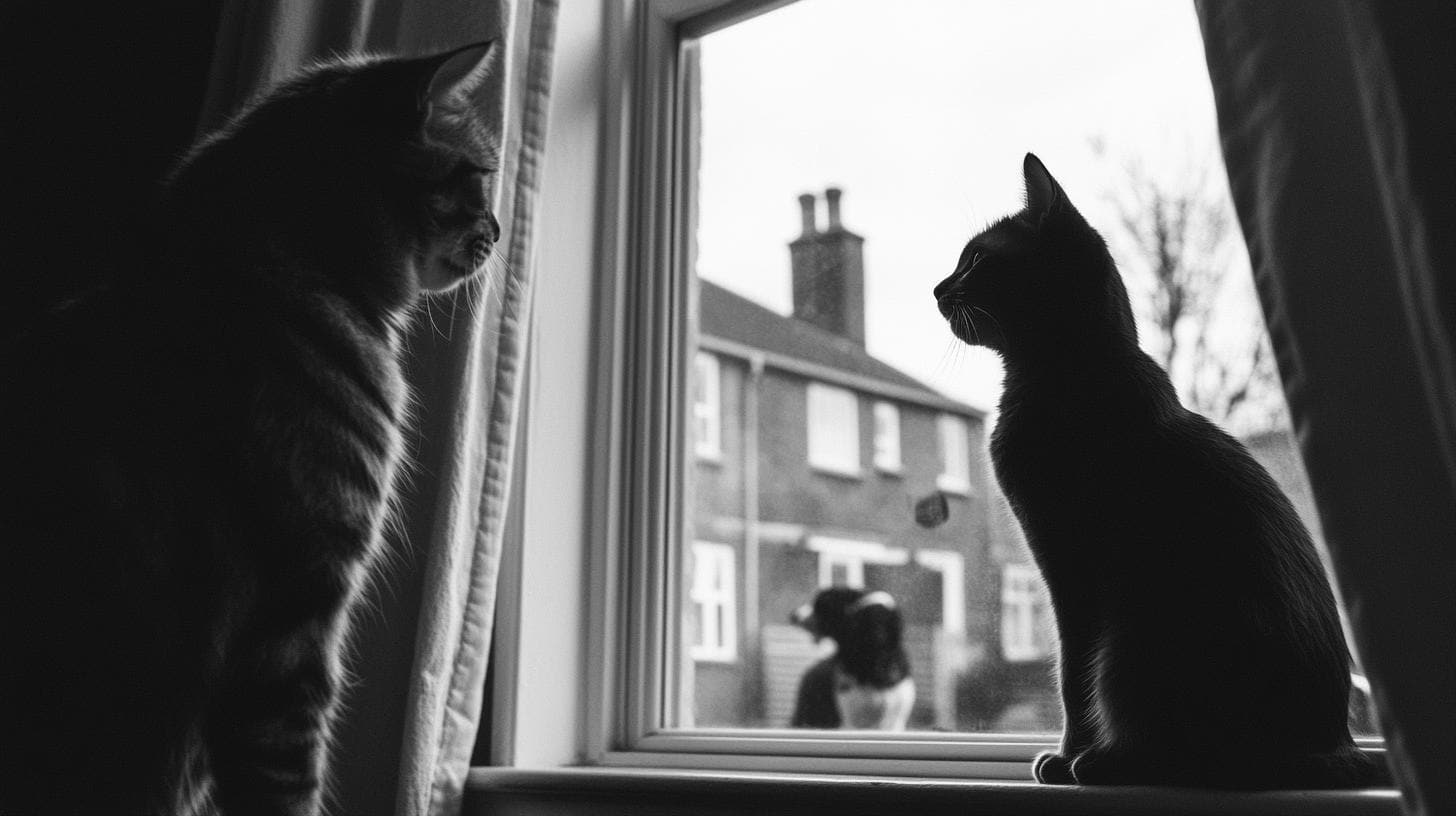
To foster harmony between cats and dogs, we need to address their distinct behavioral quirks. Cats are fiercely territorial, often wary of new canine companions infringing on their space. They might hiss or swat as a defensive measure. This reaction is a cat’s way of asserting its need for personal space and routine, both crucial for its emotional well-being.
Dogs, with their strong prey drive, might see a cat’s quick movements as an invitation to play. For the cat, this can feel like a predatory chase rather than a playful gesture. This misunderstanding often leads to tension or conflicts, as the cat seeks to avoid what it perceives as threatening behavior.
Let’s look at a few strategies to manage these interactions effectively. Providing separate safe spaces for each pet can help minimize territorial disputes. Training dogs to respond to commands like “leave it” can reduce their tendency to chase. Gradual introductions, using barriers like baby gates, can also help them adjust to each other’s presence safely.
| Behavioral Trait | Impact on Interaction |
|---|---|
| Territorial Instincts | Cats may react defensively to maintain their space. |
| Prey Drive | Dogs may unintentionally intimidate by chasing cats. |
| Misinterpretation of Play | Dogs’ playful actions might be seen as aggression by cats. |
By understanding these traits and adopting specific strategies, cat and dog owners can create a peaceful and cohabitable environment.