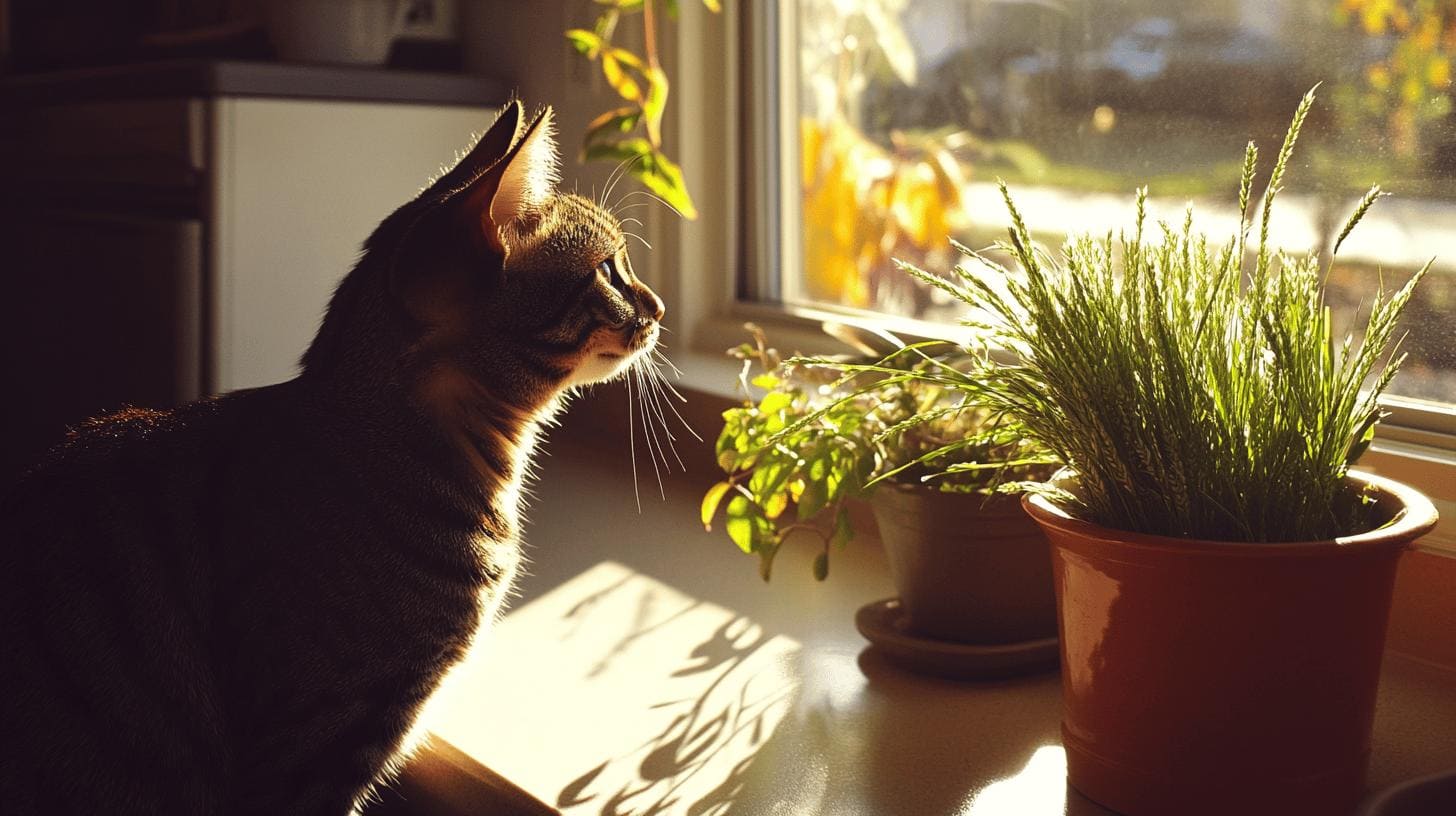
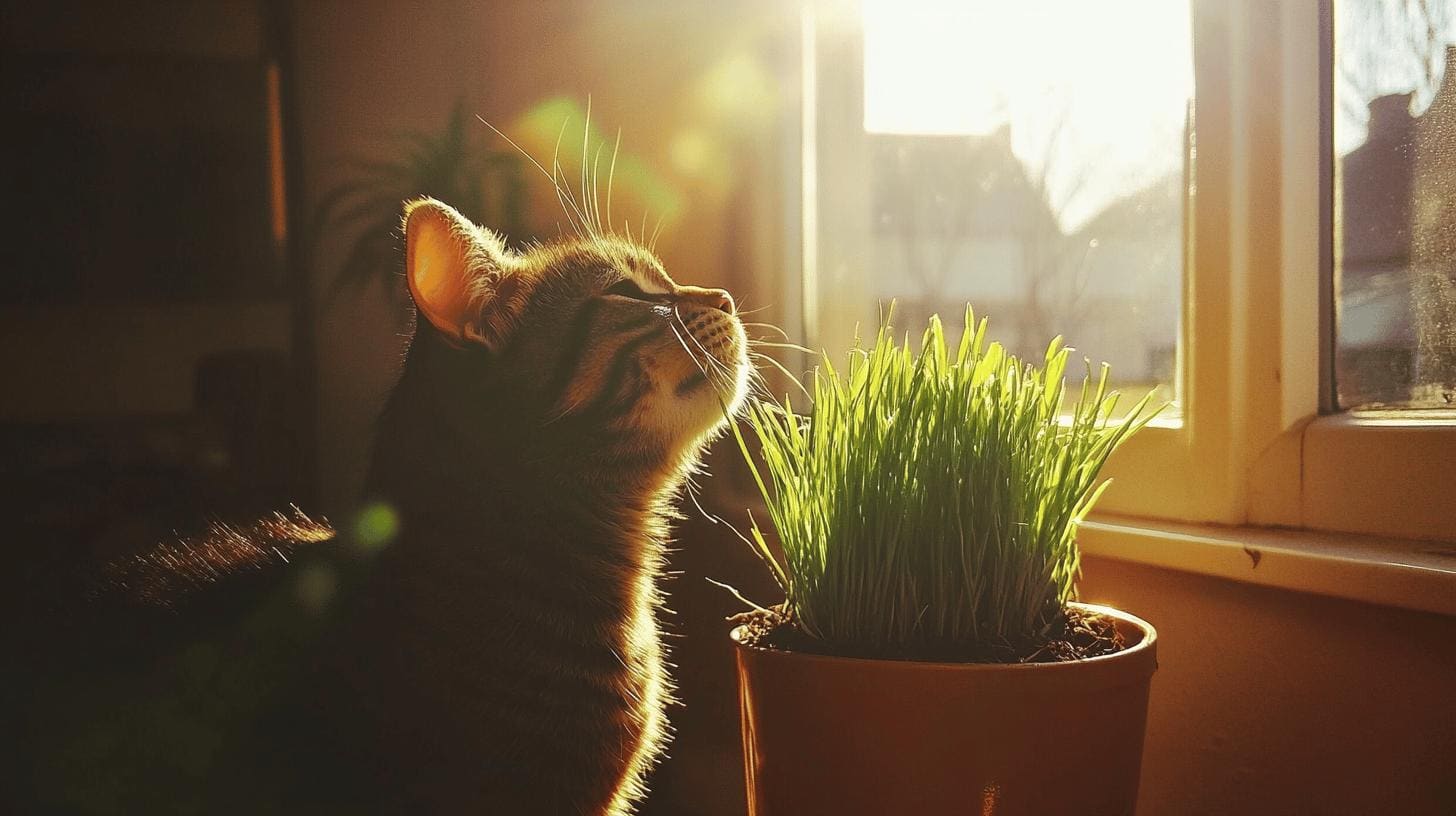
Did you ever catch your cat munching on grass like a little lawnmower and think, "Why do they do that?" It might seem odd for our carnivorous companions to chomp on greens, but it's actually a normal and sometimes beneficial behavior.
Grass can help with digestion, offer vitamins like folic acid, and even assist in purging unwanted pests. Understanding this quirky pastime can improve your cat’s playtime and overall health. Let's explore why a little greenery in a cat's diet can be a good thing!
Understanding Why Cats Eat Grass
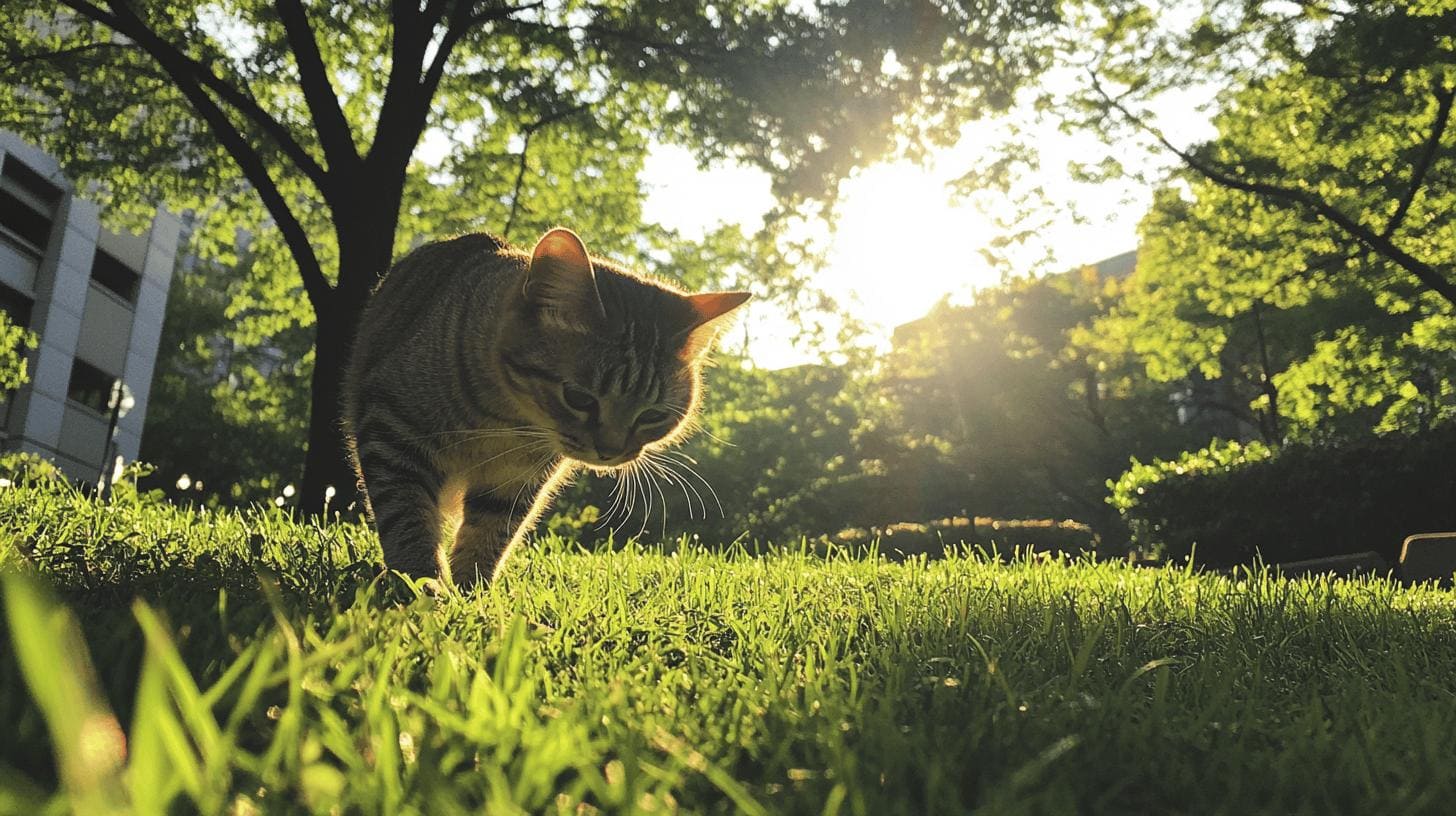
Many cat owners find their feline friends munching on grass and wonder why. Despite being obligate carnivores, cats often consume grass, and this is completely normal. This behavior can serve several purposes.
Grass may aid in digestion, providing fiber that helps move food through the digestive tract efficiently. It also offers nutritional benefits, such as folic acid and vitamins, which might be absent in processed cat food. Additionally, eating grass could be an instinctual behavior that helps cats purge parasites from their system. Generally, grass is safe for cats and can be a valuable part of their natural habits.
While grass eating is usually harmless, there are instances when it might signal a health issue. If a cat frequently vomits after eating grass or shows other signs of distress, such as lethargy or loss of appetite, it might be time to consult a veterinarian.
Continuous vomiting or a sudden increase in grass consumption could indicate underlying problems that need medical attention. Monitoring your cat's behavior and seeking professional advice when necessary ensures their well-being.
Here are some common reasons why cats eat grass:
- Enjoyment: Cats might simply enjoy the taste and texture of grass.
- Digestive Aid: Grass can help clear out indigestible materials from their stomachs.
- Nutritional Benefits: Provides vitamins and nutrients that might be lacking in their diet.
- Stress Relief: Chewing grass can be a calming activity for cats, especially indoors.
- Curiosity and Play: Cats are curious and often like to explore different tastes and textures.
The Health Benefits of Grass for Cats
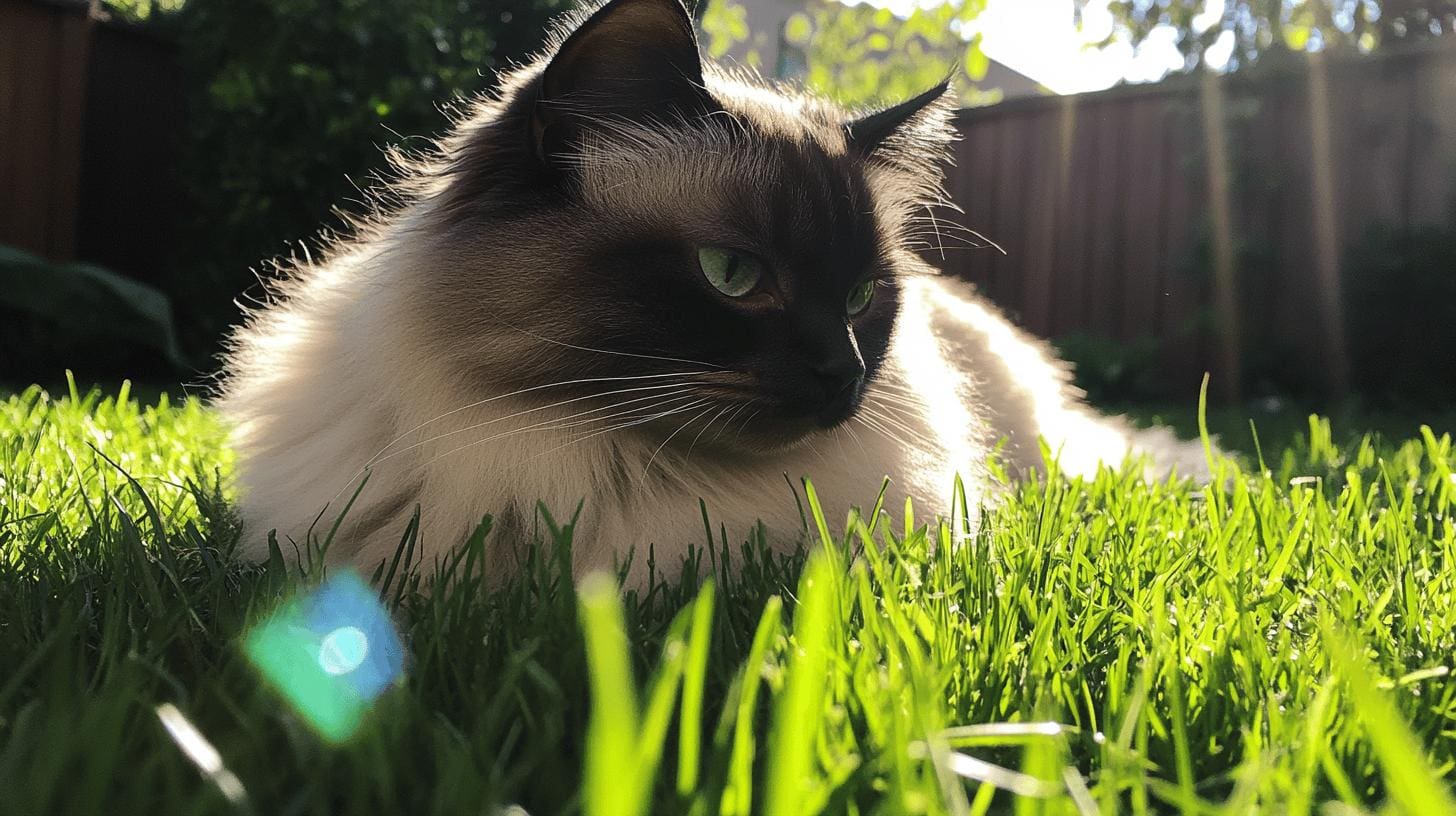
Cats love munching on grass, and certain types are especially good for them. Oat, rye, barley, and wheat grasses offer specific health benefits. These grasses provide fiber, making it easier for food to move through a cat's digestive system.
This can help reduce blockages from hairballs, which are common due to grooming. By adding these grasses to a cat's diet, we can support smoother digestion and fewer digestive woes.
For indoor cats, providing these grasses safely is key. You can grow cat-friendly grass at home or find it at pet stores. Ensuring cats have access to these grasses lets them follow their instincts and maintain digestive health. This helps them to naturally clear any indigestible materials in their stomachs, promoting well-being.
| Benefit | Description |
|---|---|
| Digestion Aid | Fiber helps move food through the digestive tract efficiently. |
| Hairball Prevention | Reduces blockages from hairballs, promoting smoother digestion. |
| Natural Laxative Effects | Induces vomiting to cleanse the digestive system of irritants. |
When Eating Grass Indicates a Health Issue
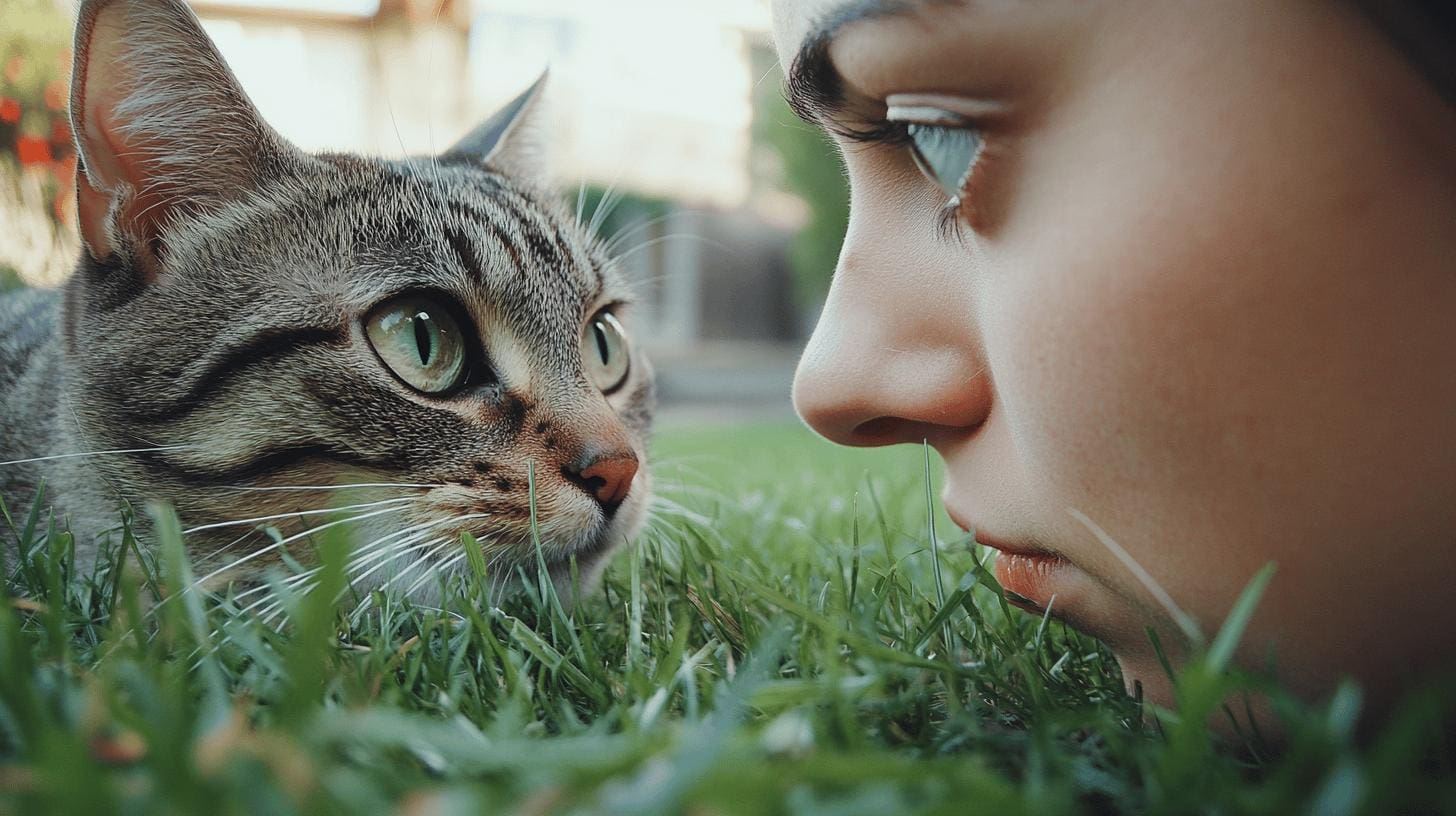
Excessive grass consumption or frequent vomiting after eating grass can be a sign of underlying health problems in cats. While munching on grass is often harmless, it's important to pay attention if your cat exhibits these behaviors regularly. Digestive issues or other health concerns could be the cause.
Watch for symptoms like continuous vomiting, lethargy, or noticeable loss of appetite, as these warrant a veterinary consultation. Such symptoms may indicate more serious issues beyond typical grass-related vomiting. A vet can diagnose any underlying problems and suggest the proper treatment.
Ensure the grass your cat consumes is safe and free from herbicides or pesticides. Contaminated grass can be harmful and lead to poisoning. Always monitor where your cat grazes and provide them with untreated grass to minimize potential health risks.