Ever wondered if Vienna sausages are a safe snack for your curious cat? The short answer is no. Despite their tempting aroma and taste, these processed meats are loaded with fats, salt, and additives that aren't cat-friendly.
While they might not poison your pet, the risks far outweigh the benefits. High salt can stress kidneys, and artificial flavors aren't purr-fectly healthy. Join me as we dive into why sticking with cat-approved treats is a better choice for your feline friend’s playtime and health.
Can Cats Safely Eat Vienna Sausage? Health Risks and Nutritional Concerns
When pondering whether cats can eat Vienna sausage, it's crucial to acknowledge that these processed meats are generally unsuitable for feline consumption. Vienna sausages, often made from pork, beef, or chicken, are packed with high levels of fat, sodium, sugar, and a variety of additives and preservatives.
While they aren't toxic to cats in small quantities, their consumption can lead to significant health issues. The high sodium content, in particular, poses a risk, and the presence of certain additives can lead to more severe health problems.
Examining the nutritional profile of Vienna sausages reveals several concerns. These sausages are often seasoned with harmful ingredients like garlic and onion powder. While they do provide some protein, they lack the essential nutrients that cats need, such as healthy fats, vitamins, and minerals.
The additives used to enhance flavor and prolong shelf life, such as sodium nitrite and monosodium glutamate (MSG), can be detrimental to a cat’s health. The balance of nutrients in Vienna sausages does not align with a cat's dietary needs, making them an inappropriate choice for regular feeding.
Here are some specific health issues that may arise from consuming Vienna sausages:
- Gastrointestinal distress: vomiting and diarrhea due to high sodium and fat content.
- Excessive thirst: dehydration from elevated sodium levels.
- Lethargy: lack of essential nutrients leading to energy depletion.
- Renal damage: potential harm from garlic and onion additives.
- High blood pressure: due to excessive salt intake.
Cats have sensitive digestive systems that aren't equipped to handle the high levels of processing and seasoning found in Vienna sausages. Their systems are designed for meat that is closer to its natural state.
Introducing highly processed foods can lead to stomach upset and disrupt their digestive balance. Cats are obligate carnivores, meaning their diet should mainly consist of fresh, high-quality protein sources without the unnecessary additives and high sodium levels found in these sausages.
The long-term health risks of feeding your cat Vienna sausages can be significant. Consistent intake of such processed foods can lead to chronic conditions like hypertension and renal issues. These health problems are not only distressing for your cat but can also lead to costly medical treatments.
Avoiding Vienna sausages and similar foods in your cat's diet is important for maintaining their health and well-being. Opt for balanced, nutrient-rich foods that align with their natural dietary requirements. Prioritizing their nutritional needs will ensure they lead a happy, healthy life.
Alternative Cat-Friendly Treats
Vienna sausages might seem like a convenient snack, but they're not the best choice for our feline friends. Cats need treats that complement their dietary needs, providing them with essential nutrients without harmful additives.
The high sodium and preservatives in Vienna sausages can lead to health issues, making it necessary to seek out safer, healthier alternatives. By choosing alternatives, we can ensure our cats get the nutrition they need while still enjoying a tasty treat.
Consider these alternative treats that are safe and beneficial for cats:
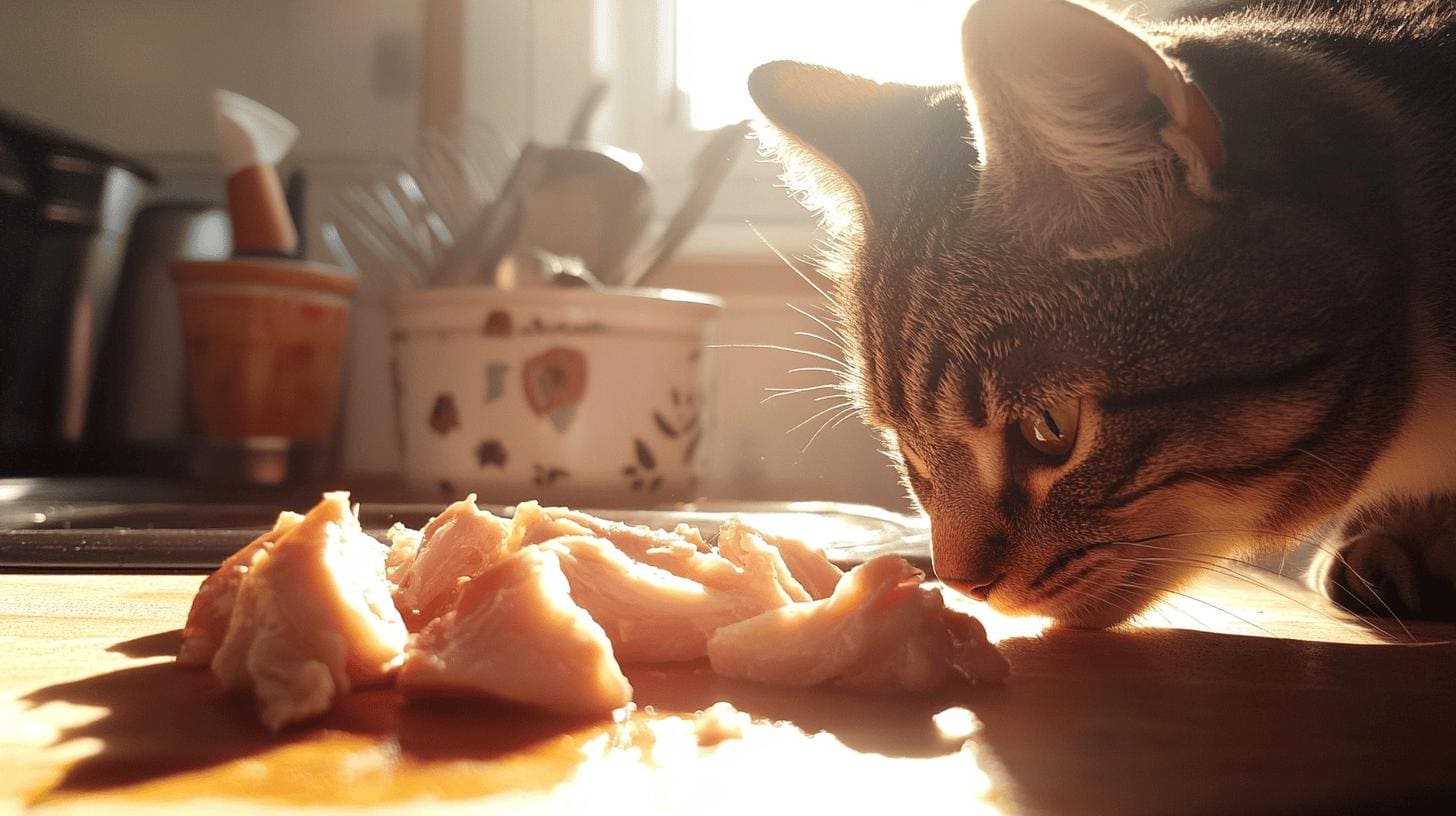
- Cooked chicken or turkey: A lean source of protein without added salt or seasoning.
- Duck or chicken liver: Rich in vitamins and minerals, perfect in moderation.
- Lamb liver: Another great organ meat option, offering essential nutrients.
- Salmon or mackerel: Provides omega-3 fatty acids, supporting skin and coat health.
- Sweet potato: A fiber-rich snack that is easy on the stomach.
- Butternut squash: A tasty treat with vitamins and antioxidants.
Choosing these alternatives comes with numerous benefits. They are closer to a cat's natural diet, providing the protein and nutrients they need without the negative effects of processed foods. These treats can support your cat's overall health, improving muscle strength, skin condition, and energy levels. By opting for fresher options, you're investing in your cat's long-term well-being.
When preparing homemade cat treats, ensure that all meats are thoroughly cooked without added salt or seasoning. Remove any bones and skin to prevent choking hazards or digestive issues.
For vegetables like sweet potato or butternut squash, steam or boil them until soft, making them easier for your cat to digest. By taking these simple steps, you can provide your cat with delicious, nutritious treats that are safe and satisfying.