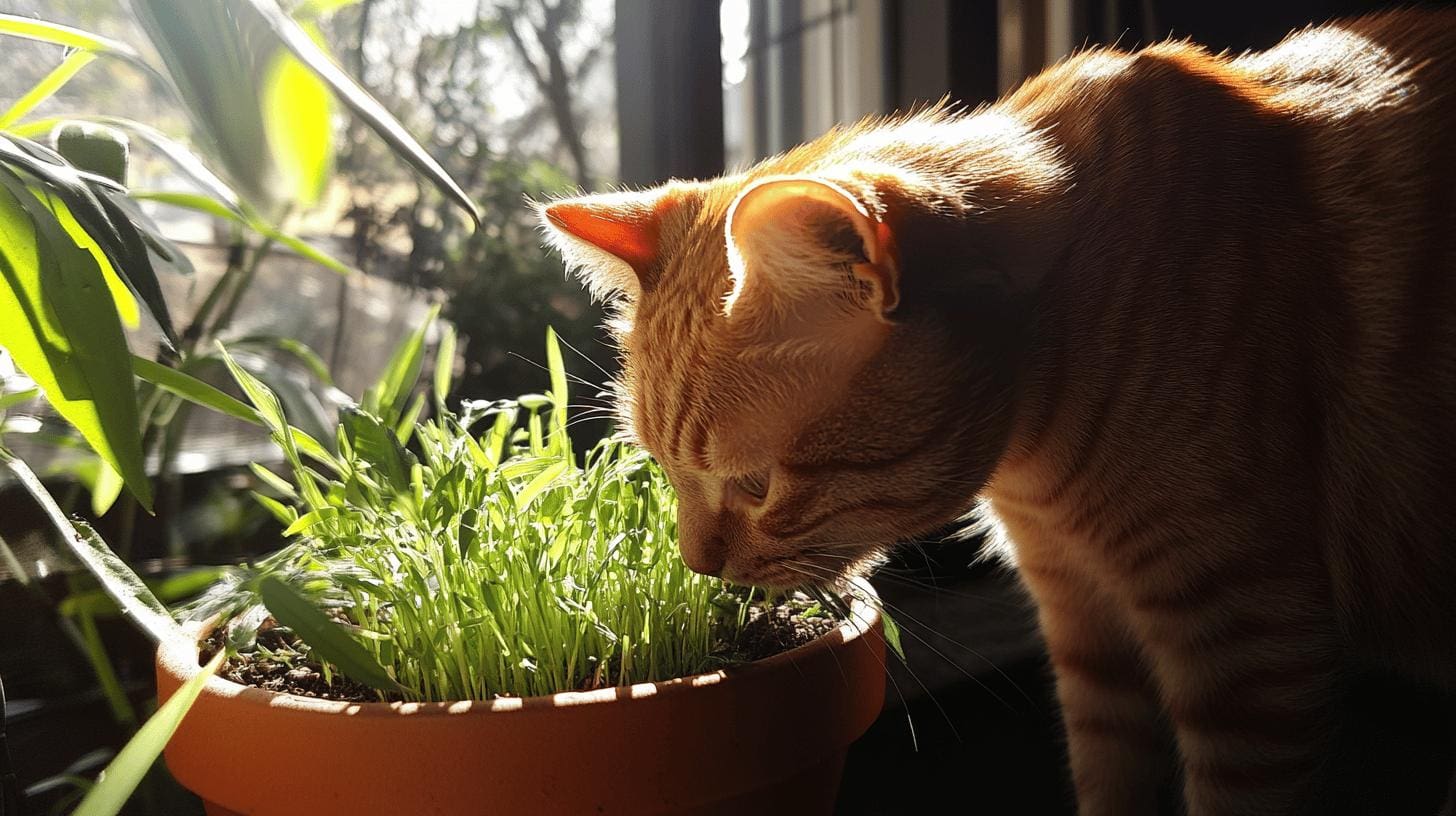
Can cats safely munch on wheat, or should it be off the menu? This burning question is on the minds of many cat owners who want the best for their furry friends. While cats are designed for a meat-based diet, wheat can sneak into their meals in commercial cat foods. It can offer some fiber, vitamins, and minerals, but it won't replace the vital nutrients found in meat. Exploring wheat's place in a cat's diet helps ensure you're meeting all their nutritional needs without compromising their health. Let's dive into how wheat fits into your feline's nutrition plan.
Wheat in a Cat's Diet: Safety and Nutrition
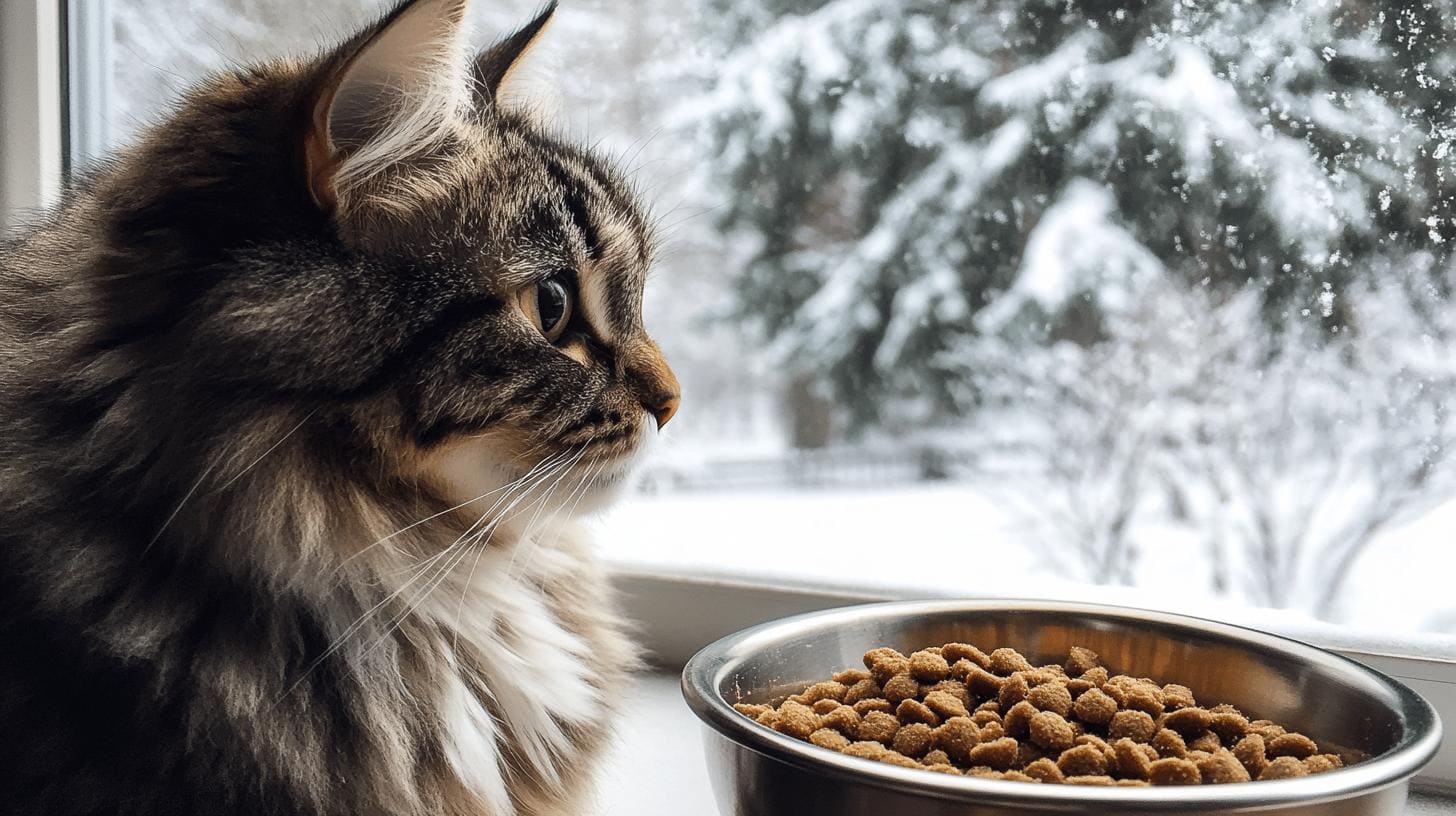
Wheat is not toxic for cats, but it isn’t considered necessary for their diet. Cats are obligate carnivores, meaning their bodies are designed to thrive on meat-based nutrition. While wheat can be included in small amounts if a cat tolerates it, it's not essential for their health.
When thinking about feeding wheat to cats, here are a few considerations:
- Fiber Benefits: Wheat can provide dietary fiber, aiding digestion.
- Vitamins and Minerals: It offers some vitamins and minerals, contributing to overall nutrition.
- Fatty Acids: Wheat contains fatty acids, which can be beneficial.
- Limitations: It lacks the essential amino acids found in animal-based proteins.
In the world of commercial cat foods, wheat is often used as wheat gluten meal or wheat flour. These ingredients help add protein content and bind other ingredients in kibble form. While they play a role in the texture and structure of cat food, they don't supply the complete nutrition cats need. Animal proteins remain indispensable, as they deliver essential nutrients like taurine, which cannot be sourced from grains.
Ensuring a diet high in animal proteins will meet all of a cat's nutritional needs more effectively than relying on wheat or other carbohydrates.
Wheat Allergies, Intolerances, and Alternatives for Cats
Wheat allergies in cats, while rare, are indeed possible. These allergies are typically triggered by gluten, a protein found in wheat. Cats with a wheat allergy may experience symptoms that can impact their overall well-being. Monitoring for these symptoms is crucial for managing their diet effectively:
- Digestive Upset: Look for signs such as vomiting or diarrhea.
- Skin Issues: Itching, redness, or rashes can occur.
- Behavioral Changes: Increased irritability or discomfort.
Gluten plays a significant role in triggering these allergic reactions. As an obligate carnivore, a cat's digestive system is not naturally adapted to process large amounts of gluten. When gluten is present in their diet, it can cause discomfort and lead to the symptoms mentioned above. Adjusting your cat's diet to remove gluten can help alleviate these issues and improve their quality of life.
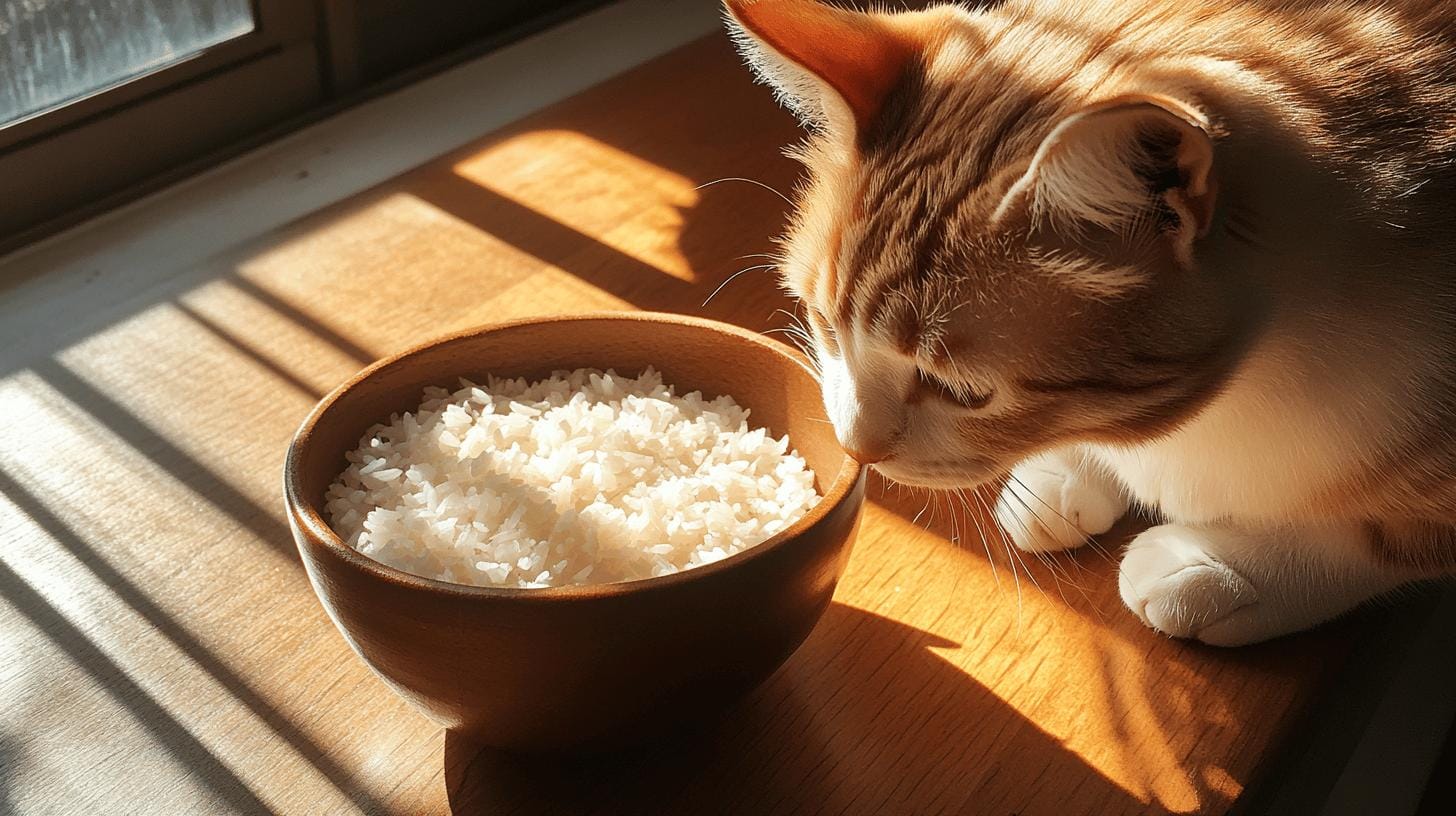
For those looking for alternative grains, there are options that might be more suitable for cats who have difficulty digesting wheat. Here are three grains often considered more digestible:
- Rice: Known for its easy digestibility and mild flavor.
- Oats: Provides fiber and can be soothing to the digestive tract.
- Barley: Offers some nutritional benefits without the gluten.
These alternatives can provide some additional nutrients like fiber and minerals, which might benefit a cat's digestive health. However, they should not be relied upon as primary nutritional sources. Cats need a diet rich in animal proteins, which deliver essential amino acids like taurine that grains can't provide.
Incorporating these alternative grains in moderation can offer some variety without compromising a cat's dietary needs. It's important to remember that while these grains can supplement a cat's diet, they cannot replace the necessary nutrients found in animal-based proteins. Keeping animal proteins as the primary focus ensures that cats receive the balanced nutrition they require.