Ever wonder what those sharp fangs in your cat's mouth are capable of? Cat teeth are not just charming— they're crafted for a predator's life! Designed for hunting and eating, your feline friend's dental anatomy is as fascinating as it is functional. In this blog, we're diving into the world of cat teeth anatomy and development, helping you understand everything from those tiny kitten teeth to a full set of adult chompers. Whether you're a new cat owner or a seasoned enthusiast, this guide will give you the insight you need to keep those teeth healthy and strong.
Understanding Cat Teeth: Anatomy and Development
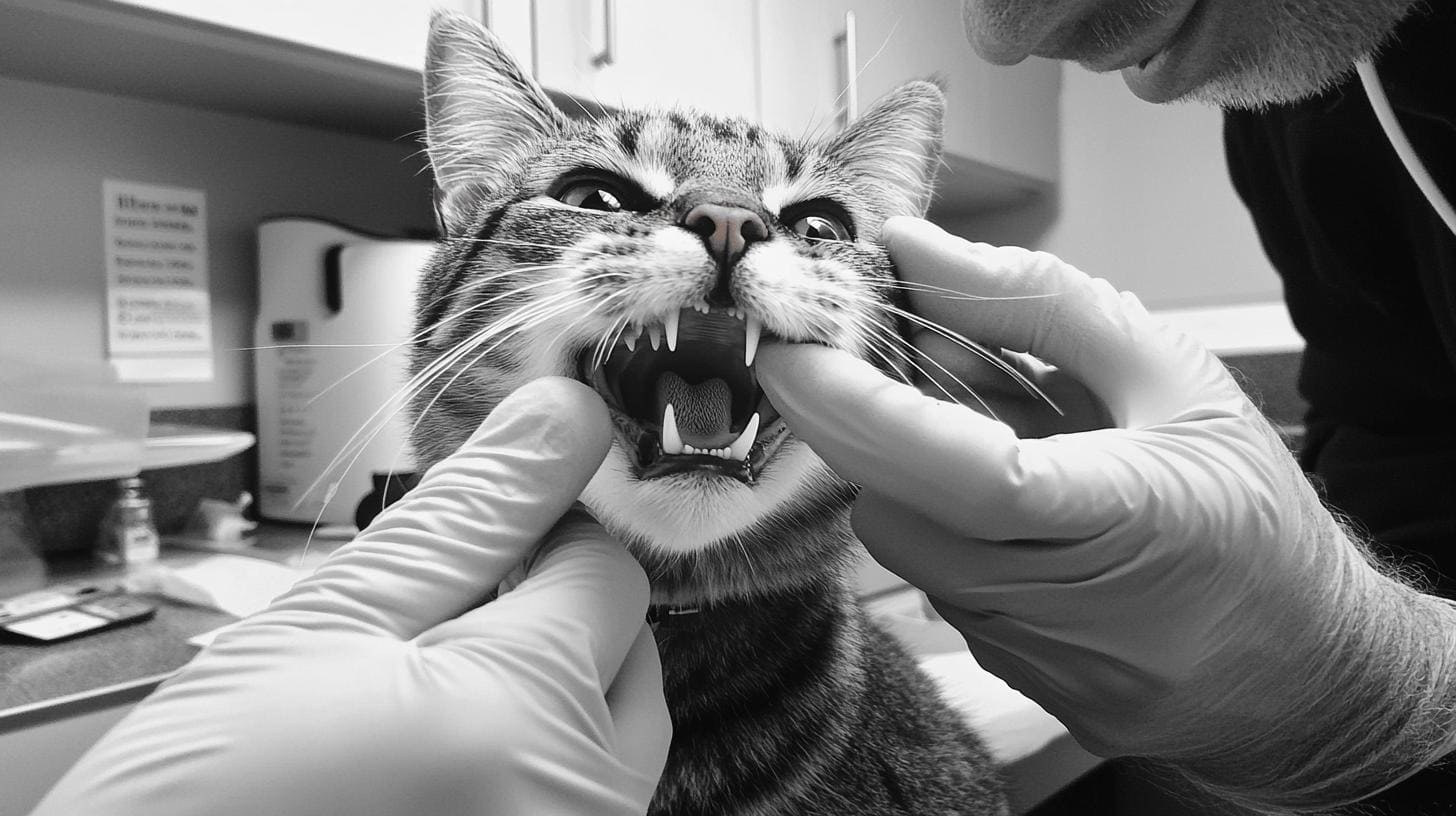
Cats have a unique dental structure designed for their carnivorous lifestyle. In their mouths, you’ll find incisors, canines, premolars, and molars. The incisors are small and located at the front, used mainly for grooming and nibbling. Canine teeth are long and sharp, perfect for catching and holding prey. Premolars and molars, located at the back, help shear meat. While cats don't chew like humans, these teeth help break down food into swallowable pieces.
- 3-4 Weeks: Kittens begin to grow their first set of deciduous teeth.
- 12 Weeks: Baby teeth start falling out as permanent teeth push through.
- 6 Months: Most kittens have a complete set of adult teeth.
- 9 Months: Baby teeth are fully replaced by adult teeth.
- 1 Year: Cats typically have a full set of 30 adult teeth.
Kitten and adult cat dentition differ primarily in size and function. Kittens have 26 deciduous teeth, softer and smaller, which aid in transitioning from nursing to eating solid food. Adult cats, on the other hand, have 30 robust teeth, better suited for their diet and independent lifestyle. Visual aids, like diagrams, can help pet owners better understand these dental transitions.
Common Dental Issues in Cats

Gum disease is a prevalent issue in the feline world, affecting up to 80% of cats by the age of three. It starts as gingivitis, where the gums become inflamed due to plaque buildup. If left untreated, it can progress to periodontitis, leading to severe gum infection and tooth loss. Regular dental check-ups and cleanings play a crucial role in preventing and managing these conditions. For pet owners, recognizing early signs like bad breath and red gums can help ensure timely veterinary intervention.
Tooth loss in cats is not typical and usually signals underlying health issues. Common causes include gum disease, trauma, and resorptive lesions. Resorptive lesions are painful and occur when the tooth structure breaks down. Symptoms of tooth loss can range from drooling and difficulty eating to pawing at the mouth. If your cat loses a tooth, it's important to have a vet assess the situation to determine the cause and necessary treatment.
As cats age, their dental health naturally declines, making them more susceptible to issues. Older cats often experience increased wear and tear on their teeth, combined with a reduced ability to fight off infections. This makes dental diseases more common and harder to treat as they age. Regular dental care and adjustments to their diet can help mitigate these age-related problems.
Cats without teeth can still lead a comfortable life with some adaptations. Their diet should consist of soft, easy-to-eat foods, often canned or moistened kibble. Cats use their teeth mainly for grabbing and tearing food, so many can adjust to eating without them. Monitoring their eating habits and ensuring they continue to get the nutrition they need is key to their well-being.
| Problem | Symptoms | Prevention |
|---|---|---|
| Gum Disease | Bad breath, red gums | Regular dental cleanings |
| Tooth Loss | Drooling, difficulty eating | Routine vet check-ups |
| Resorptive Lesions | Pawing at the mouth | Early detection and treatment |
How to Maintain Feline Dental Hygiene
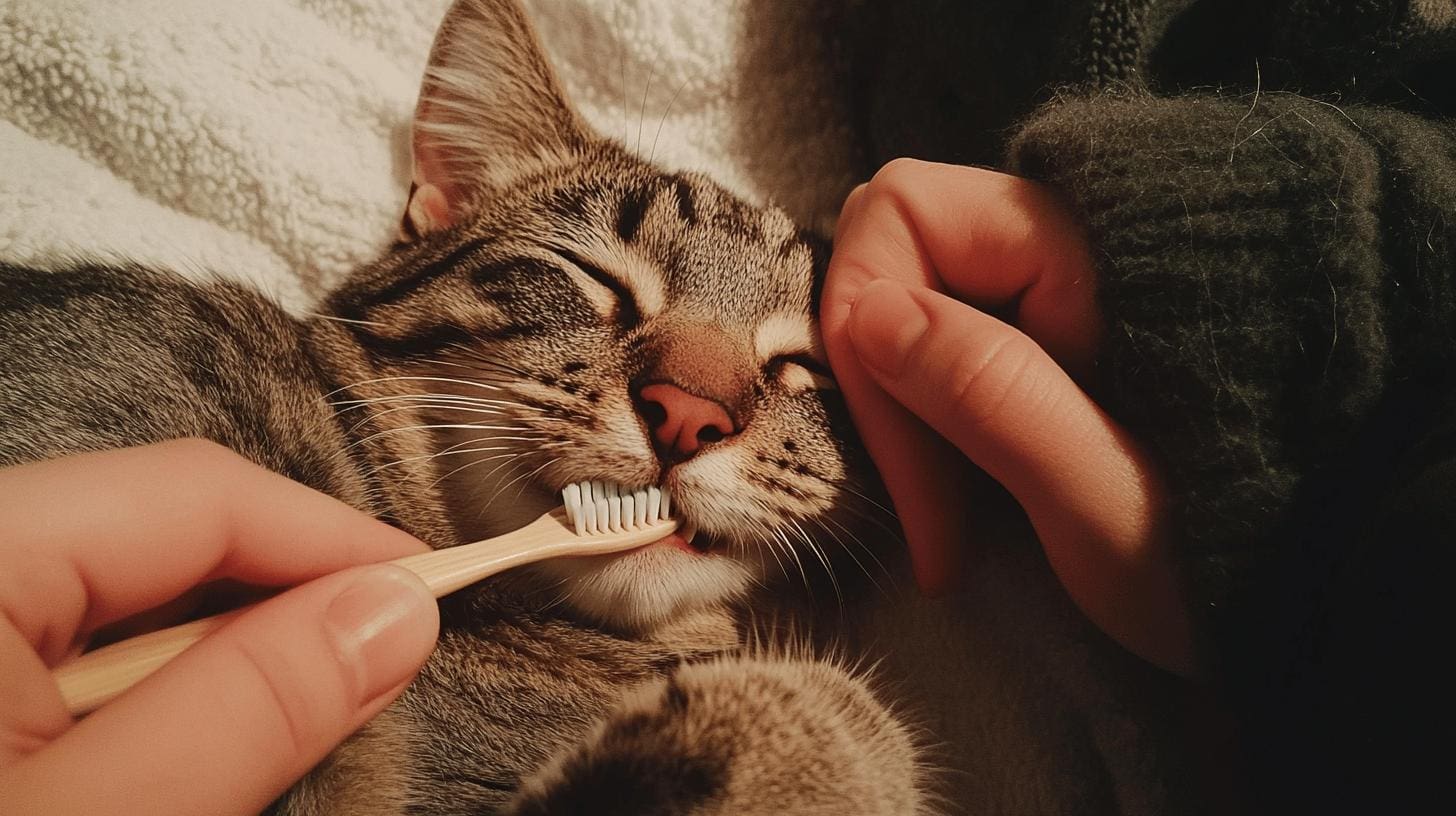
Regular dental care is essential for keeping your cat's mouth healthy. Similar to humans, cats can develop dental issues if their teeth and gums aren't properly cared for. Without regular attention, cats may suffer from gum disease, which can lead to tooth loss and other health problems. By establishing a routine for dental care, you can prevent these issues and ensure your pet's overall well-being.
Brushing your cat's teeth is one of the most effective ways to maintain their dental health. Use a soft-bristled toothbrush designed for cats and pet-safe toothpaste. Never use human toothpaste, as it can be harmful to cats. Start by gently introducing the brush and paste to your cat, letting them lick it off your finger first. Gradually work up to brushing their teeth, aiming to do this at least two to three times a week. Patience and consistency are key, as it may take time for your cat to get used to this new routine.
Veterinary check-ups play a crucial role in maintaining your cat's dental health. During these visits, vets can detect early signs of dental disease and provide professional cleanings if necessary. It's recommended that cats have a dental examination at least once a year. This allows for early detection of any potential issues and ensures your cat's teeth and gums are in top condition.
Diet also impacts your cat's dental health. While some dry food can help reduce tartar buildup, it shouldn't replace regular brushing. The texture of dry kibble can have a mild abrasive effect, aiding in cleaning the teeth. However, it's not a standalone solution. Combining a balanced diet with consistent dental care practices is the best approach to ensure your cat's mouth stays healthy.
- Greenies Feline Dental Treats: These treats are designed to clean teeth and freshen breath.
- Virbac C.E.T. Enzymatic Toothpaste: A pet-safe toothpaste that helps reduce plaque.
- Petrodex Dental Care Kit: Includes a toothbrush and toothpaste for easy home care.
- Oratene Brushless Oral Care: An enzymatic gel that can be applied without brushing.
- Whiskas Dentabites: Crunchy treats that provide a dental-cleaning effect.
Watch for signs that your cat may need dental attention, such as bad breath, drooling, or reluctance to eat. These could indicate dental issues requiring professional cleaning or treatment. Staying vigilant and responsive to your cat's needs will help keep their teeth and gums healthy, ensuring a happier and more comfortable life.