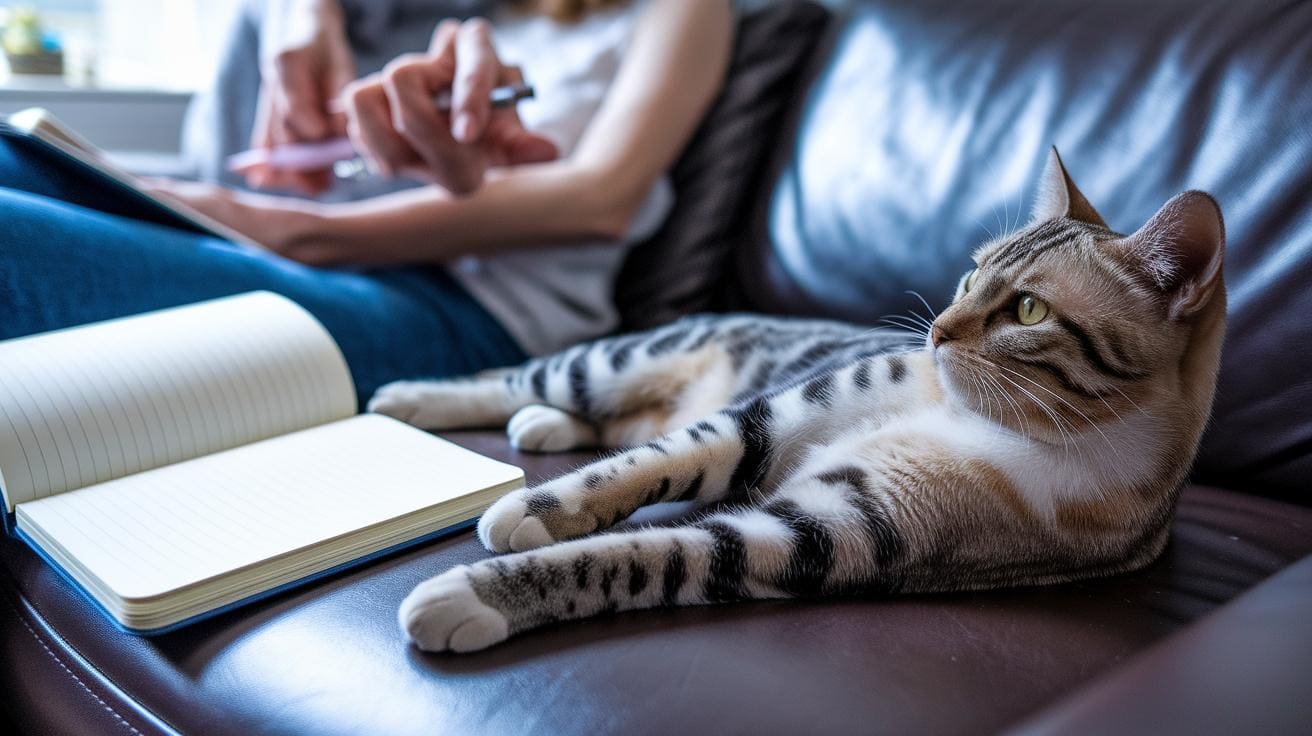
Ever watched your kitty flop like a plush toy right after a jab (that tiny poke where the shot goes)? It’s both cute and a little worrying. You might spot a drowsy stare or a small bump at the injection site (that’s where the vaccine entered) a day or two later. It usually clears up by day three. But sometimes your furball might vomit or act really off. And that means things got a bit rougher.
In this guide, you’ll learn to spot mild, moderate, and rare severe side effects of the feline leukemia vaccine (the shot that helps block this virus). We’ll show you what to look for, no fancy terms. Think of it like a quick checklist so you can swoop in if your whiskered pal needs you. Ever seen your cat try to nap standing up? That’s a red flag.
So read on, relax, and get ready. You’ll feel confident about handling any bump, hiccup, or unexpected flop. Your cat will thank you with extra purrs, I promise.
Overview & Severity of Feline Leukemia Vaccine Reactions
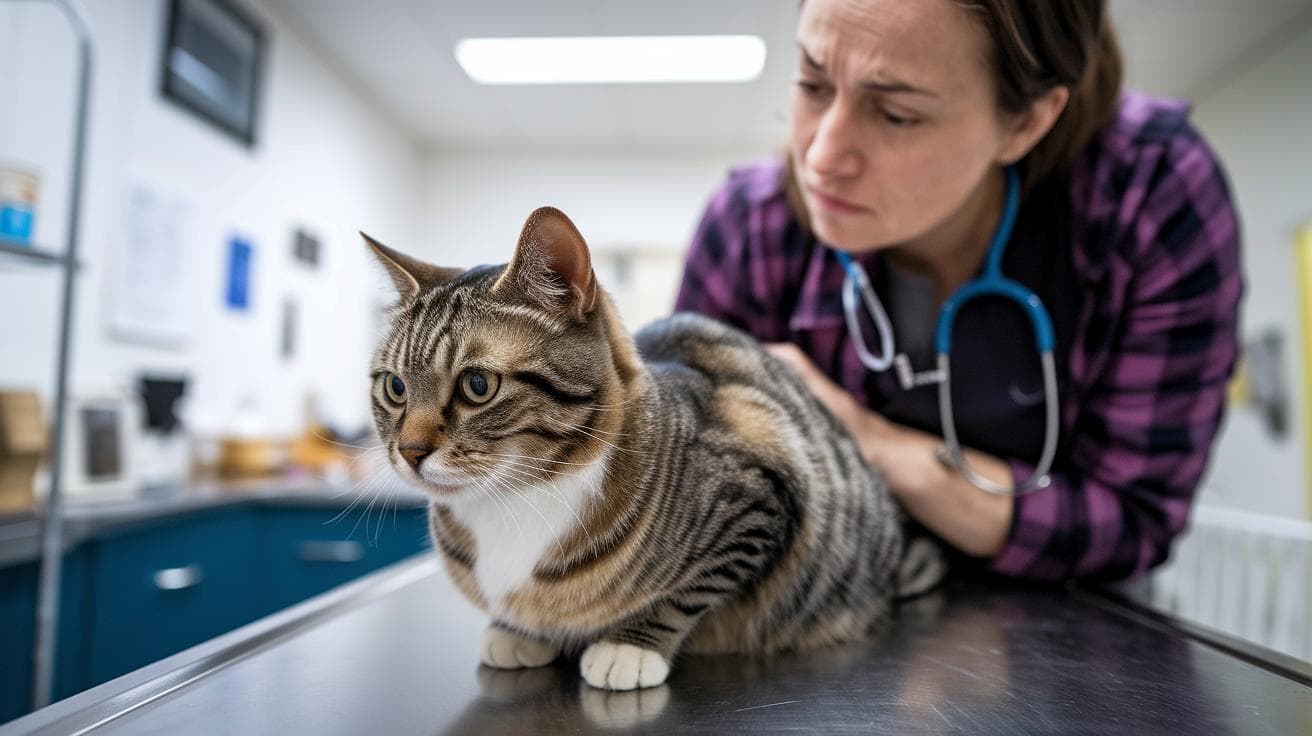
Once your cat hops off the exam table, you’re on watch. Mostly you’ll notice mild signs: a sleepy kitty, a skipped meal, or a tiny bump where the needle went in. These soft reactions to the FeLV (feline leukemia virus) immunization (vaccine shot) show up in the first 24–48 hours and usually clear by day three. Ever felt your cat’s whiskers twitch when they’re feeling off? That’s pretty normal.
But some cats hit a bumpier patch. If vomiting or diarrhea hangs on past one day, or your furball snubs treats for over 48 hours, that’s a moderate upset. And then there are the rare, serious moments, facial swelling, trouble breathing, even collapse. Those need immediate vet care.
| Side Effect | Severity | Onset & Duration |
|---|---|---|
| Mild lethargy, decreased appetite | Low | 24–48 hrs, 1–3 days [how long do cat vaccine side effects last](https://titanclaws.com/how-long-do-cats-vaccine-side-effects-last/) |
| Transient fever (102–103 °F), sneezing | Low | 24–48 hrs, resolves in 1–2 days [how long do cat vaccine side effects last](https://titanclaws.com/how-long-do-cats-vaccine-side-effects-last/) |
| Persistent vomiting or diarrhea | Moderate | Onset within 48 hrs, >24 hrs duration |
| Facial swelling, breathing difficulty, collapse, hives | Severe | Minutes to hours; requires immediate care |
| Firm lumps (granulomas (small tissue clumps) or sarcomas (a type of tumor)) | Severe | Weeks or longer |
Life-threatening signs like facial swelling or breathing trouble need urgent veterinary attention. Most post-FeLV jab issues are straightforward, but spotting the rare severe ones fast can make all the difference. Injection-site sarcoma (a firm lump that won’t budge or shrinks then returns) shows up weeks later, keep an eye on any nodule that hangs around or changes. Next, we’ll dive into tips for handling these reactions and what to watch over the long haul.
feline leukemia vaccine side effects Rest Assured
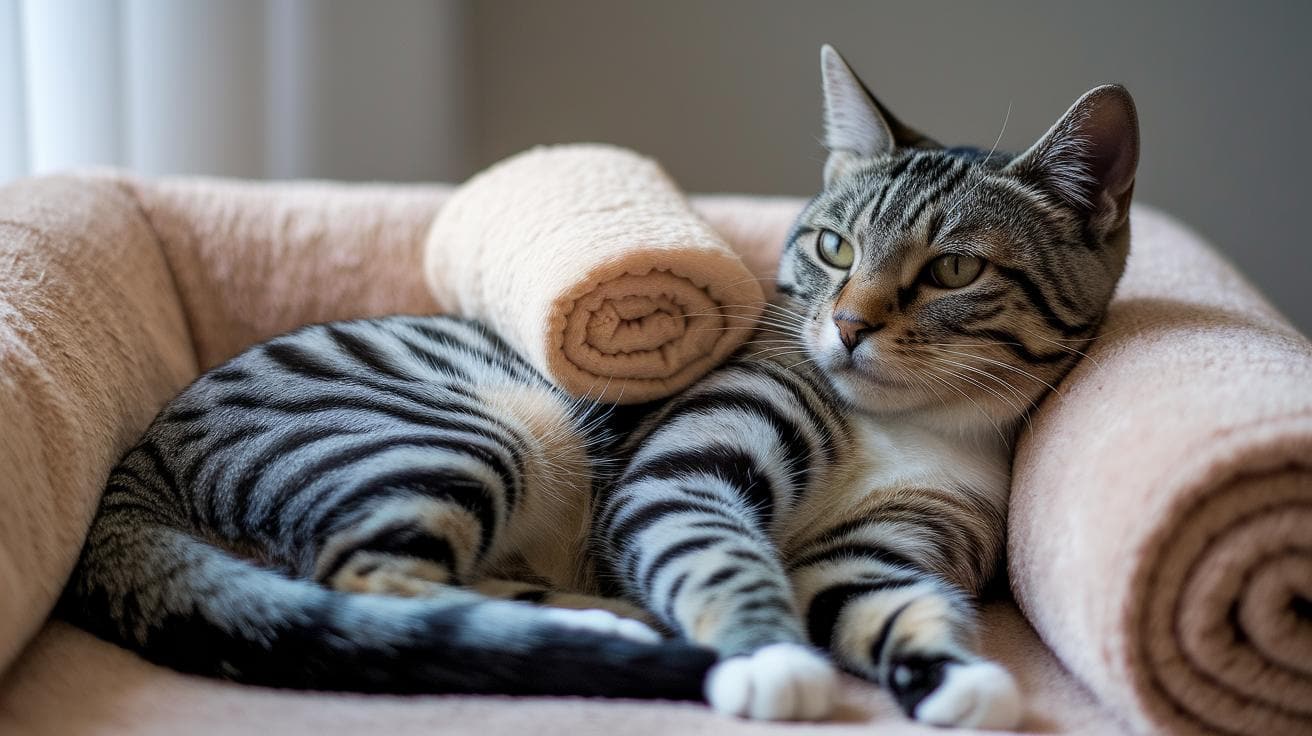
So your cat is feeling a little down or sore after the vaccine? Nothing to worry about, it’s just a sign your kitty is building up protection and will soon feel feline fine again. Encourage your furball to rest in a snug spot, like a soft blanket fort, and offer small, tasty meals if the appetite is low. Always keep fresh water nearby so they stay hydrated.
But wait, there’s more. Try laying a warm cloth (soft, gently heated towel) on the injection site to ease soreness. The gentle warmth feels like a cozy hug. These simple home-care tips help most cats bounce back to their playful selves in a day or two.
If your furry friend runs a fever or seems achy, the vet might step in with extra relief. They could prescribe NSAIDs (nonsteroidal anti-inflammatory drugs) to lower a fever and soothe discomfort. Antiemetics (nausea-fighting meds) calm an upset tummy, and subcutaneous fluids (fluids given under the skin) fight dehydration. Corticosteroids tackle any itchy or swollen patches at the injection site.
Keep a close eye on your furball for at least 48 hours. If mild signs linger past two days, give your vet a call for more advice, don’t hesitate.
And if you spot trouble breathing, facial swelling, or sudden collapse, reach out to your vet immediately. That quick move keeps your kitty safe and lets you stay ahead of any nasty surprises.
Oops, let me add.
Safety first.
Risk Factors and Long-Term Concerns of FeLV Vaccination
You might hear about a little lump at the shot spot, called a granuloma (tiny clumps of tissue), but it only shows up in fewer than 1% of vaccinated cats. Sarcomas (cancerous growths) at the injection site are under 0.1%, so real vaccine-induced tumors are super uncommon. Sounds alarming, you know, but the chance is tiny. Still, if you notice a hard bump that keeps growing, call your vet, who might want to take a biopsy (small tissue sample).
Watching a new lump for a few weeks is the simplest way to catch any trouble early. If it doesn’t shrink or you spot other changes, ring up your vet for a closer look.
Ever watched your kitty roam the yard? Outdoor cats and multi-cat homes, like when my Luna darts into the bushes, face higher risk of FeLV (feline leukemia virus) infection than indoor-only friends. When you balance a tiny shot-side lump risk against a serious infection, the vaccine’s protection usually wins out. Just keep an eye on any new bump.
Next, chat with your vet about proper injection technique, like giving the shot in the leg so any lumps are easier to treat. Ask about non-adjuvanted vaccines (no extra irritant ingredients) and AAHA’s timing plan (a shot schedule from the American Animal Hospital Association). Those steps can lower the chance of lumps or tumors. Your furball will stay playful and paw-sitively happy for years.