homemade cat food for cats with kidney disease

Ever watched your kitty tap an empty bowl while staring up at you? If your furball is over ten, there’s a good chance they’re dealing with chronic kidney disease (CKD, a long-term kidney issue). And just like we need the right fuel, cats need a special diet to keep their kidneys happy.

Homemade meals let you ease up on phosphorus (that’s the mineral that can overwork kidneys) and pack in extra moisture, like a gentle drink in every bite. Think of it as trading a heavy backpack for a light snack. Your cat will slurp it up, whiskers twitching with joy!

In this guide, I’ve put together a quick nutrient snapshot (a simple list of must-have vitamins), step-by-step cooking tips, vet-approved tweaks, and storage suggestions. Oops, did I mention you’ll save prep time, too? Next, I share ways to freeze or chill meals so they’re ready when you are. By the end, you’ll be serving dishes that nourish kidneys and send tails waving.

Quick Recipe & Nutrients at a Glance
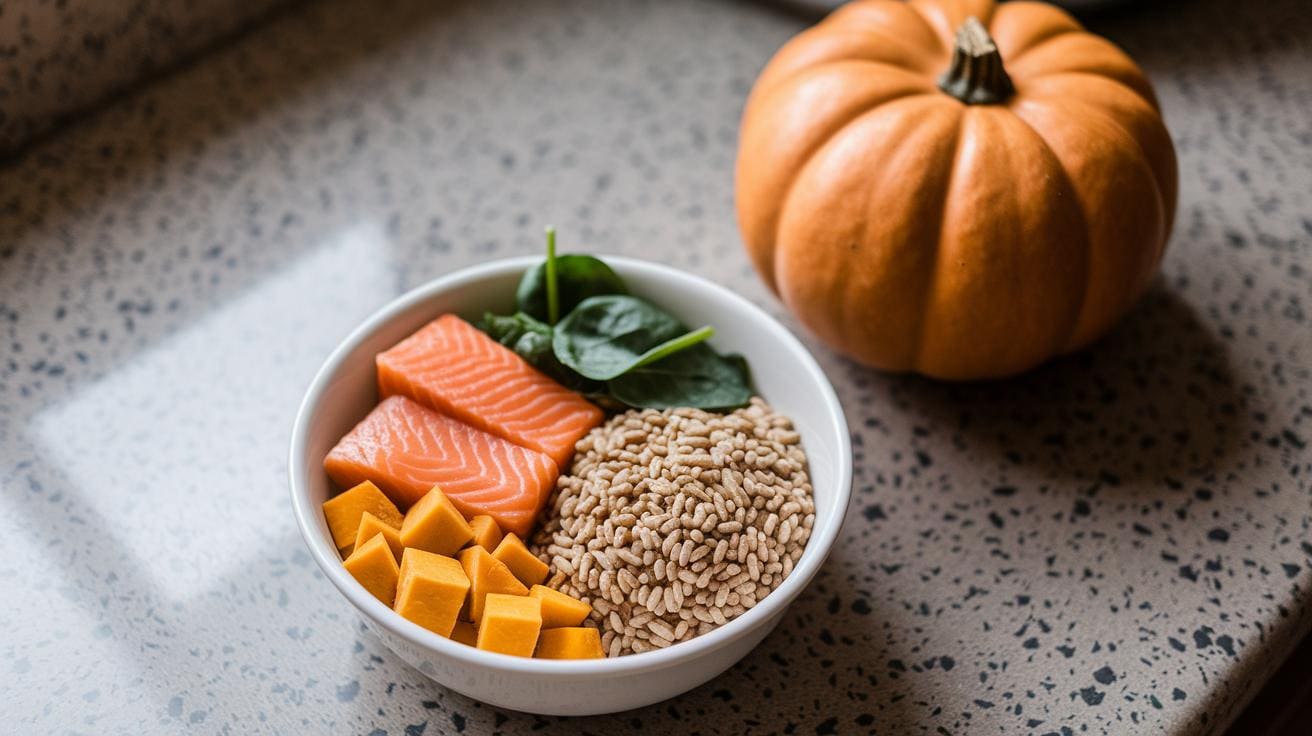
- Quick Recipe  Nutrients at a Glance.jpg

Here’s a simple snapshot of a homemade diet for kitties with kidney issues (renal, that means related to the kidneys). It shows exactly how much of each ingredient to mix for a 1-kilogram meal. Ever watched your cat’s whiskers twitch at dinner time?

  • 470 g boneless chicken thigh (moist, protein-rich meat)
  • 30 g canned pink salmon (with bones + skin for calcium and omega-3s)
  • 220 g cooked white rice (soft carbs for a quick energy boost)
  • 100 g bright orange pumpkin or butternut squash (fiber-packed veggie)
  • 60 g fresh spinach or kale (leafy greens loaded with vitamins)
  • 90 g butter (rich, healthy fats for extra calories)

Key nutrients per 1 kg batch:

Protein Fat Carbs Phosphorus (mineral) Moisture
27.8% 54.8% 17.4% 0.71 g / 1000 kcal 70%

Think of this as your cheat sheet. Next, we’ll dive into cooking steps, blending tips, supplements, storage tricks, and, of course, a vet review. Your kitty will be purring in no time.

Key Guidelines for Homemade Cat Food in Kidney Disease Management
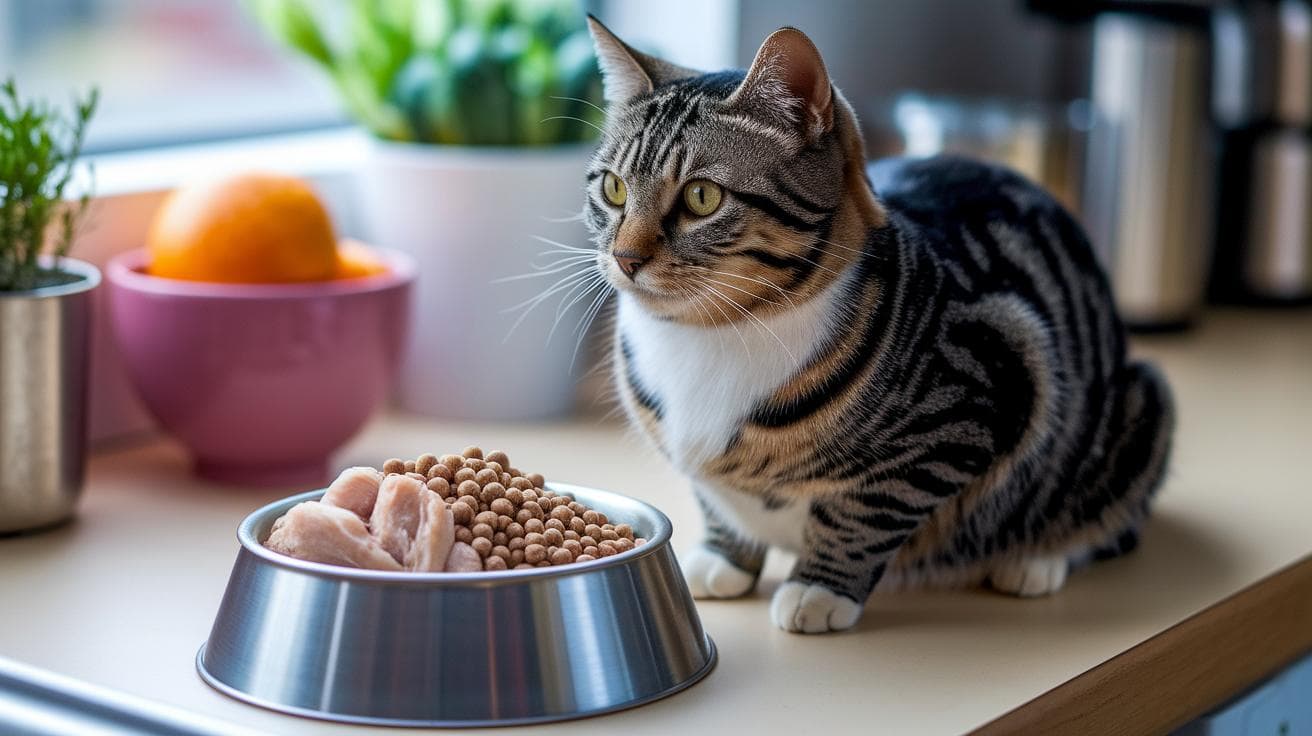
- Key Guidelines for Homemade Cat Food in Kidney Disease Management.jpg

Feeding a cat with CKD (chronic kidney disease) means dialing in the right nutrients so your kitty’s kidneys get a break and they stay well hydrated. Think low-phosphorus (phosphorus is a mineral that can stress kidneys) meals, roughly 0.5% or under once you strip out the water (we call that dry matter basis). Less mineral load can slow damage. Ready to whip up a purr-fect mix?

  1. Keep phosphorus low. Aim for 0.5% or less on a dry matter basis (that means after you remove the water). Cats in IRIS (International Renal Interest Society) stage 3 or 4 usually need this limit. If your furball is in an earlier stage, they can handle a bit more for healthy growth.
  2. Tailor protein to the IRIS stage. Early-stage kitties do best with high-quality proteins (think chicken or turkey, no extras) to prevent muscle loss. Once they’re in stages 3 or 4, gently ease back on protein so their kidneys don’t feel overworked.
  3. Watch the salt. Keep sodium around 0.5–1 grams per 1,000 kcal. Too much salt can hike blood pressure and leave your cat thirsty. This amount helps keep things balanced without a thirst trap.
  4. Boost moisture. Aim for about 70% moisture in every meal, using wet food or adding water to dry mix. My cat’s whiskers practically do a happy dance when they see a saucy bowl. Hydration like this takes kidney stress down a notch.

Next time you’re in the kitchen, toss these targets into the blender. Your kitty’ll thank you with happy purrs and playful paws. Worth every paw-print.

Selecting Renal-Friendly Ingredients for Homemade Cat Food
- Selecting Renal-Friendly Ingredients for Homemade Cat Food.jpg

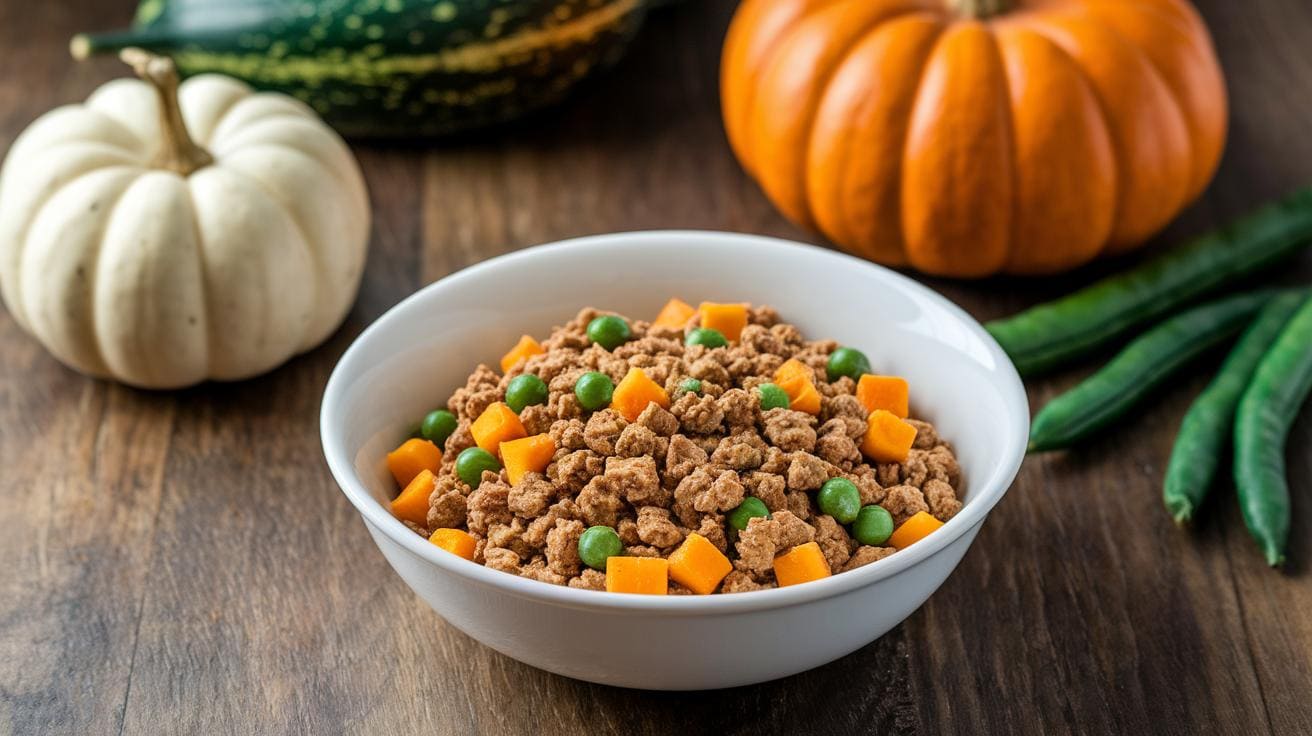
Ever want to whip up a renal-friendly feast that your cat actually devours? Here are four renal-friendly picks to slip into your homemade meals. Tuck them into your Recipe & Nutrients at a Glance or your Key Guidelines so everything stays in one spot. Ready to see those whiskers twitch?

  • Rabbit meat (lean protein from small mammals). It’s low in phosphorus, so your kitty’s kidneys get a break. I stirred in a spoonful and watched Jasper zoom around like a furry rocket.

  • Green beans (string-like veggie, fiber-packed). They add a gentle crunch that even picky nibblers love. My Luna gave me that slow-blink seal of approval after her first bite.

  • Carrots (root veggie, gentle fiber). Finely chop them and they melt right into the mix without a hint of orange. It’s stealth veggie magic – Jasper barely noticed, but he gobbled his meal.

  • Bone broth (simmered bones for nutrients and moisture). It’s like a warm kitty cappuccino – and it’s packed with collagen (protein that supports joints). My tabby laps it up in seconds, and it keeps her nice and hydrated.
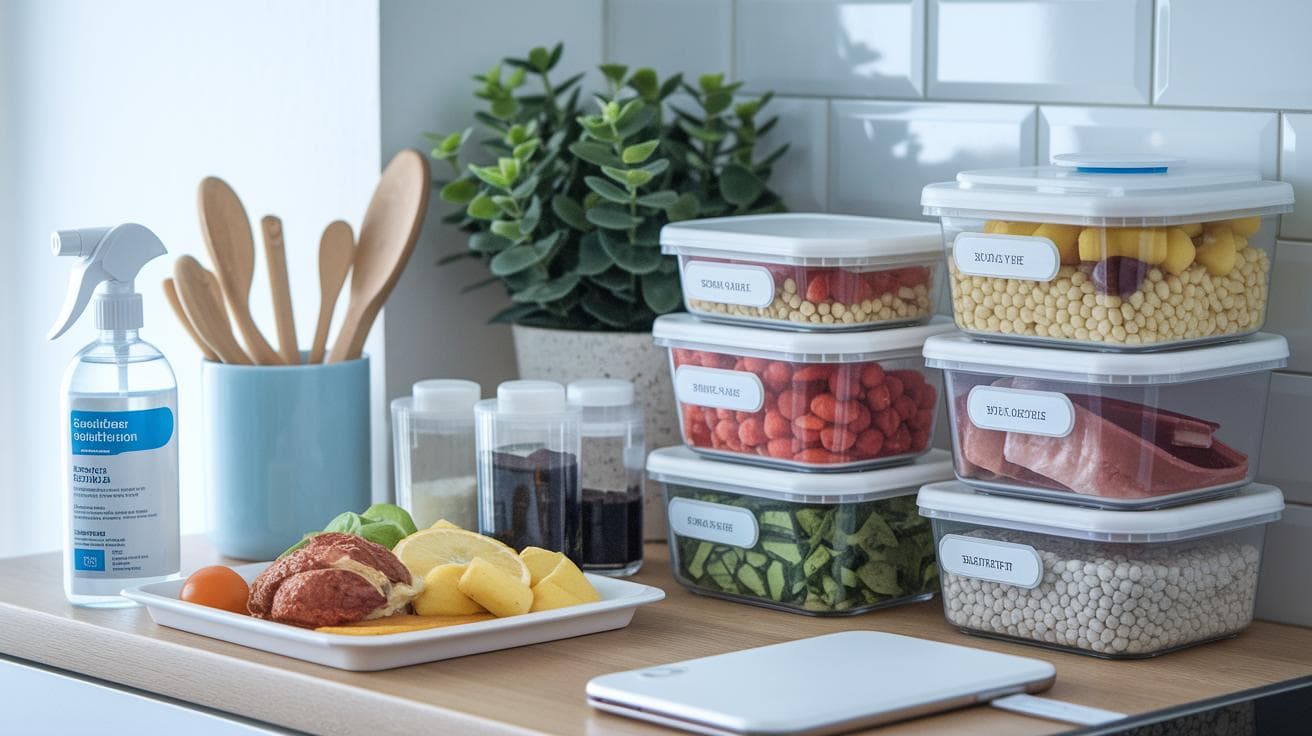
Step-by-Step Homemade Kidney Diet Recipe for Cats

- Step-by-Step Homemade Kidney Diet Recipe for Cats.jpg

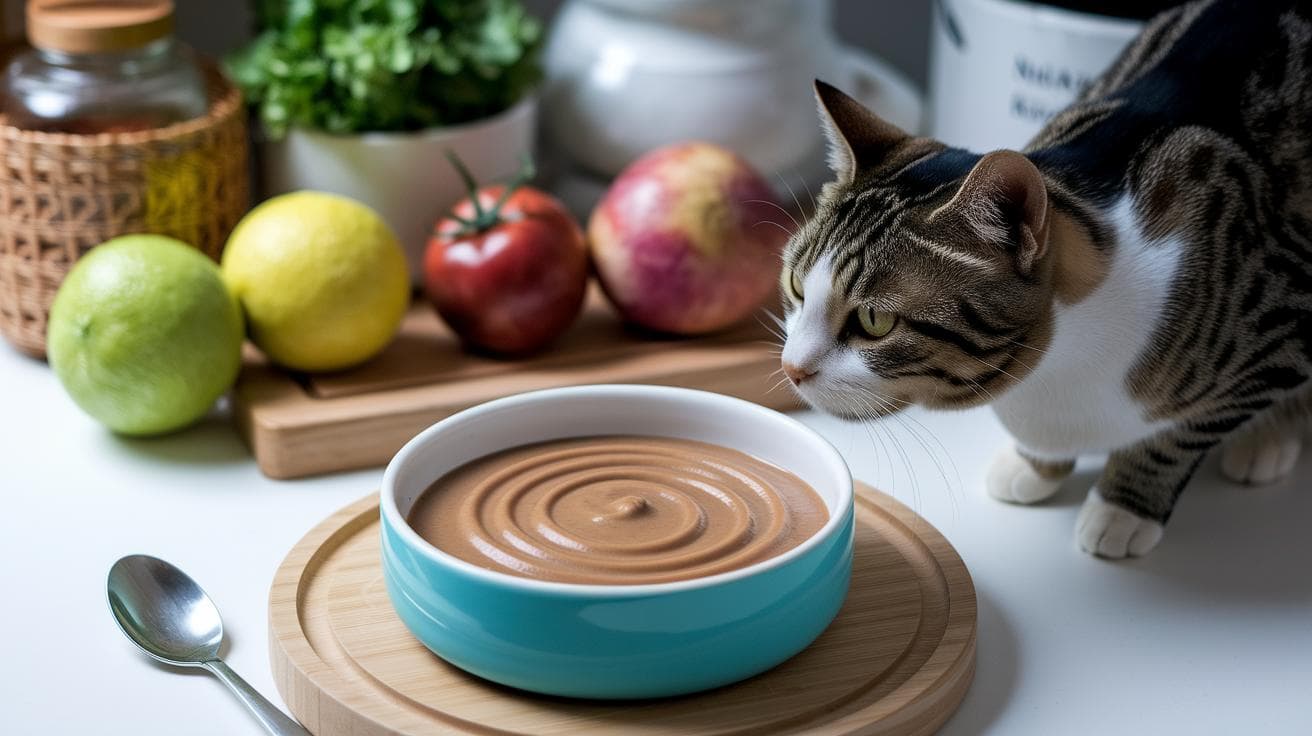
Ready to whip up a purr-fect, kidney-friendly meal that keeps your kitty hydrated and meowing for more? This recipe makes about 1 kg (2.2 lbs) of nourishing food, enough to portion out for the week. Ever watch your cat’s whiskers twitch at the promise of something new? Let’s dive in.

Ingredients for a 1 kg batch:

  • 470 g boneless chicken thigh (rich, moist protein)
  • 30 g canned pink salmon (with calcium-rich bits of bone and skin)
  • 220 g cooked white rice (soft, gentle carbs)
  • 100 g pumpkin or butternut squash (pureed fiber)
  • 60 g spinach or kale (finely chopped greens)
  • 90 g butter (creamy, healthy fats)

Cooking steps:

  1. Cook the rice until it’s ultra-soft, almost like porridge.
  2. Steam the pumpkin and greens until they’re tender and easy to mash.
  3. Sauté the chicken thigh pieces in a nonstick pan (no extra salt) until fully cooked.
  4. Optional bone broth: simmer unsalted chicken bones in water for about 2 hours, then strain and save the liquid.

Assembly and blending:

  • Toss rice, veggies, chicken, salmon, and butter into a big bowl.
  • Pour in a splash of bone broth or plain water if things look dry.
  • Blend until silky smooth, no lumps allowed. Cats love that flawless texture.

Supplement mix:

  • 7 ml omega-3 liquid fish oil (heart and coat health)
  • 5 g psyllium husk (soluble fiber for gentle digestion)
  • 2,000 mg taurine (supports heart and eyes)
  • 25 mg iron plus one multivitamin capsule (vitamin-mineral boost)
  • 2 tsp calcium carbonate (binds excess phosphates)
  • ½ tsp potassium chloride (electrolyte support)
  • 2 crushed choline tablets (for brain and liver function)

Consistency check:
Aim for about 70 percent moisture. If the mix seems too thick, stir in extra bone broth or water until it pours slowly but still clings to your spoon.

Portion and storage:
Divide into 170 g servings (that’s about a quarter cup) and seal in airtight containers. Pop them in the fridge or freezer for easy grab-and-serve meals.

Worth every paw-print.

Storage, Safety, and Portion Control for Homemade Renal Meals

- Storage, Safety, and Portion Control for Homemade Renal Meals.jpg

Storing your homemade kidney-friendly meals for kitty takes a little planning. You’ll love all the purrs at dinner time. Keep fresh batches in the fridge (at or below 40°F [4°C]) for up to 5 days. And don’t forget to label each container with the date so nothing hangs around too long.

Portion control is key. Scoop about 6 oz (roughly 170 g) per meal. You can tweak that based on your cat’s size, appetite, and your vet’s advice. Ever seen your furball give you the side-eye when it’s too little? Yep, you know what I mean.

Planning ahead helps on busy days. Pour individual servings into silicone molds (flexible trays) or ice cube trays, then freeze until solid. Pop out the blocks and stash them in zip-top freezer bags (freezer-safe). Label with the date, and voilà, portion-ready meals at your fingertips.

Thawing and reheating steps:

  1. Move a frozen block to the fridge the night before to thaw.
  2. Skip the microwave because hot spots can break down delicate nutrients. Instead, stir in a little warm water until the mix gets saucy again.

Keeping things squeaky clean helps avoid trouble:

  • Wash and sanitize prep surfaces, utensils, and containers after handling raw and after cooking.
  • Let cooked proteins cool a bit before mixing in supplements and veggies so your plastic bowls don’t warp and you don’t invite bacteria.
  • Keep an appliance thermometer (the kind you leave inside) in your fridge and freezer to check temps regularly.

Simple safety checks like date labels, temp monitoring, and separate cutting boards make every batch kitty-approved and worry-free. Worth every paw-print.

Collaborating with Your Veterinarian for Kidney-Friendly Homemade Diets

- Collaborating with Your Veterinarian for Kidney-Friendly Homemade Diets.jpg

Booking a veterinary nutrition consultation gives you a clear look at your cat’s IRIS stage (kidney disease stage), blood phosphorus (a mineral in blood), creatinine (a waste product in blood), and hydration status. This quick check on your kitty’s numbers helps your vet whip up the perfect homemade menu.

Start swapping in your new homemade recipe slowly, mix in just 10 to 20 percent of it every day or two. It’s like a taste-test adventure that keeps your cat intrigued instead of turning up their nose. Ever watched them sniff and stroll off? Slow changes win the curiosity game.

Keep a simple feeding diary, jot down weight, appetite, water licks, and litter box visits. When you meet your vet, you’ll have lab value tracking at your fingertips: those phosphorus figures, creatinine levels, all of it. That data steers supplement tweaks, phosphate binders (meds that stick to extra phosphate), B-vitamin complexes ( a bundle of B-vitamins), plus a pinch of taurine or potassium. Your vet might fine-tune those at each follow-up based on fresh labs.

Scatter fresh water bowls around the house like little hydration stations. Then, every four to six weeks, revisit portion sizes and meal times with your veterinarian. Those routine check-ins keep your fluffy pal purring, sipping, and feeling their best.

Final Words

In the action, we broke down Dr. Wall’s quick recipe and nutrient snapshot, then spotted key nutrient targets for kidney care. We focused on low-phosphorus, moderate-protein basics and picked the right proteins, carbs, and veggies.

Next, you got hands-on with step-by-step cooking, blending, supplement additions, plus fridge and freezer hacks for safe storage. Finally, teaming up with your vet keeps everything on track.

Follow these steps and watch those paws pounce with joy, your cats will thrive on homemade cat food for cats with kidney disease.

FAQ

Can I use homemade kidney disease cat food recipes found on Reddit?

Homemade recipes found on Reddit offer helpful ideas, but have your vet review ingredients, nutrient levels, and supplement amounts to help your cat’s kidneys.

What is the best non-prescription food for cats with kidney disease?

Non-prescription options with moderate protein, low phosphorus (≤0.5% dry), and high moisture work best. Seek wet foods labeled for renal or urinary health, avoiding high-sodium or high-phosphorus varieties.

What ingredients should be included in homemade kidney disease cat food?

A healthy homemade renal diet combines lean proteins (chicken, turkey, salmon), cooked white rice, pumpkin, green beans, plus supplements like omega-3 fatty acids, taurine, calcium carbonate, and a phosphate binder.

Can I feed human foods to cats with kidney disease?

Human foods like cooked chicken, plain pumpkin, and green beans work in small amounts. Skip high-sodium, high-phosphorus foods such as processed meats or dairy to protect kidney function.

Which commercial foods should I avoid for cats with kidney disease?

Commercial diets high in phosphorus, sodium, or low moisture harm kidneys. Avoid dry foods, tuna-based diets, and any treats with added salt or bone meal to keep kidneys happy.

Is canned tuna safe for cats with kidney disease?

Canned tuna is high in phosphorus and may strain kidneys. Offer sparingly, choose low-sodium varieties, and balance with other renal-friendly proteins after vet approval.

Is pumpkin okay for cats with kidney disease?

Pumpkin is low in phosphorus, high in fiber and moisture, and gentle on digestion. Serve plain canned or cooked pumpkin in small portions to support hydration and gut health.

Related Articles

Author

  • Nathaniel Price is a retired construction manager turned LLM writer, where he combines his years of experience managing complex projects with his love for crafting precise, engaging content.

    His work thrives on meticulously researching and writing about all things related to cats, from behavior to care, ensuring that every piece is informative and well-researched.

    When he’s not writing, Nathaniel enjoys fishing, which offers him a peaceful escape. He also has a deep appreciation for nature, often reflecting on his belief that “happiness is found in the quiet moments.”

    View all posts

Similar Posts