
Ever felt that gentle head bump from your tabby and thought, I’m loved? It can hide a sneaky traveler. FeLV (feline leukemia virus) is a quiet threat. It only hops between cats when they share licks, bites, or even a water bowl. That tiny spit can bring big trouble. Really.
Ever watched your kitty groom a friend until they both look shiny? That’s prime time for licks to pass FeLV. A playful nip here or there can do it, too. Even slurping from the same bowl lets this virus sneak in.
Why worry more about kittens and cats on immune-suppressing meds (medications that lower their natural defenses)? Their little bodies or drugged-down guardians can’t fight back as well. They need extra TLC and vet-tested routines you can start tonight.
By the end, you’ll spot exactly which sniff-and-cuddle moves to watch. No more surprises. Just more cozy, purr-fect playtime.
Assessing FeLV Contagiousness: Can Feline Leukemia Spread?
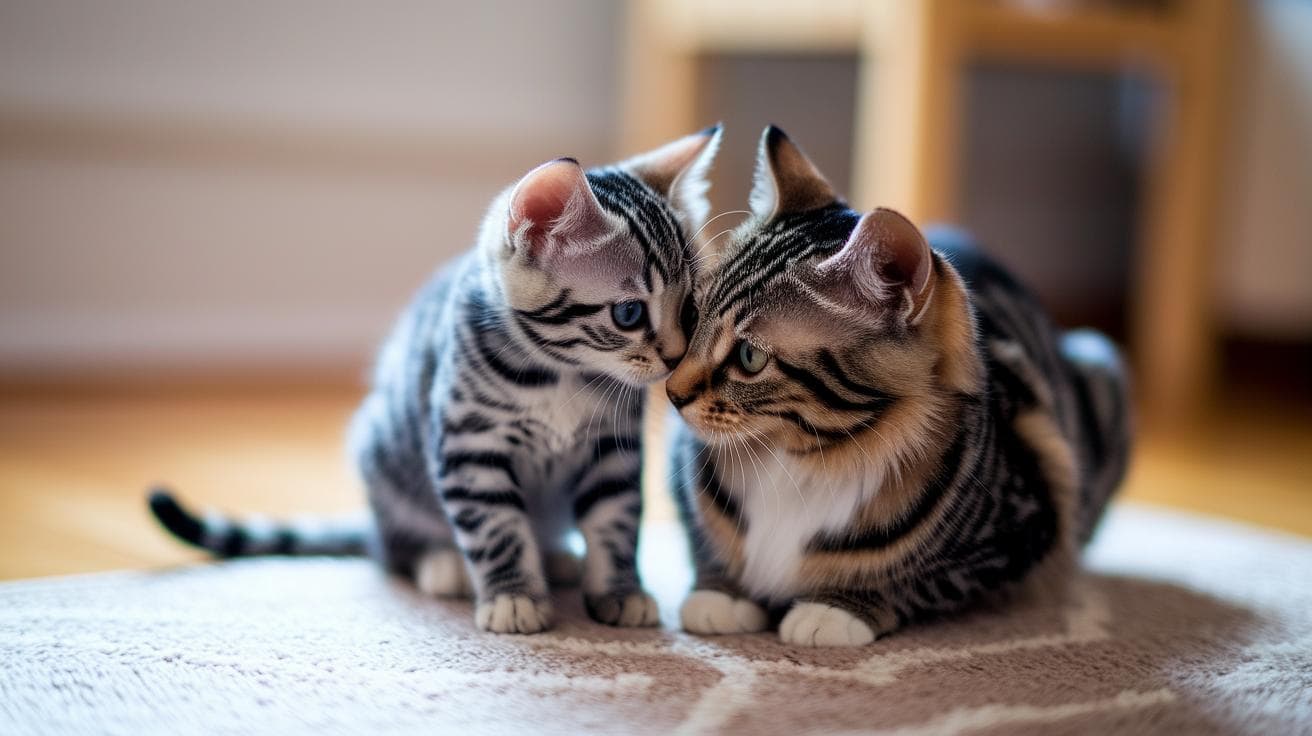
Ever wondered if feline leukemia can spread around your pets?
The feline leukemia virus (FeLV) only moves when cats get up close.
They pass it through grooming licks, shared food bowls, or even a nip during play.
Ever watched your kitty groom a buddy?
That’s exactly how FeLV sneaks around.
It can’t jump to humans or dogs, so your non-feline friends are totally safe.
Young kittens and cats with weak immune systems (their body’s shield) are the ones most at risk.
FeLV can swoop in fast when defenses are down.
Cats already battling other bugs or on immune-suppressing meds need extra watchful eyes, too.
The best defense?
A quick blood test at your vet spots FeLV early.
Then you can keep positive cats apart in your home or a shelter.
It’s purrfectly simple and helps keep your furry crew healthier.
Worth every paw-print.
Feline Leukemia Transmission Modes: How Contagion Occurs
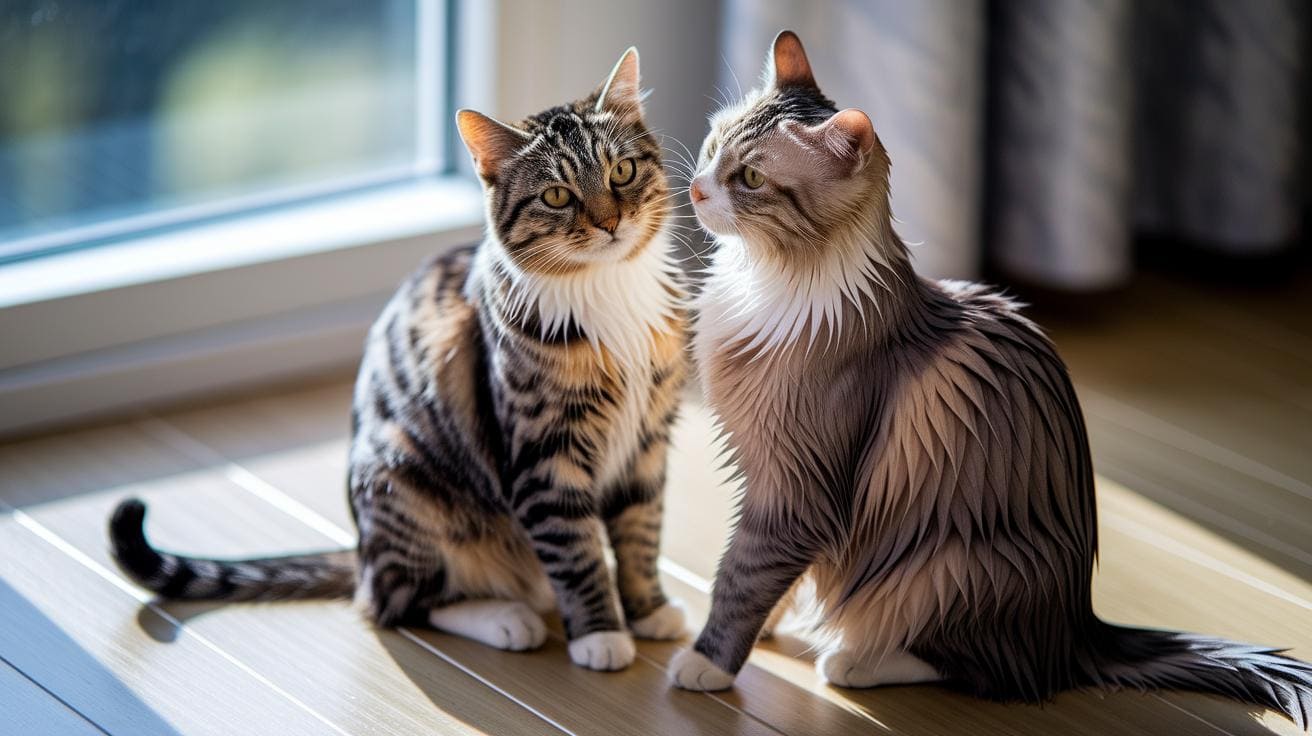
Ever wonder how FeLV (feline leukemia virus) hops from one kitty to another? It needs real face-time. The virus hides in saliva (spit), nasal secretions (snot), urine, feces (poo), and even mama’s milk, but it dies fast on floors or furniture. So a quick head bump is way safer than an all-evening cuddle.
Here are six main ways FeLV can travel cat to cat:
- Mutual grooming: When cats lick each other’s fur, they swap spit and share the virus.
- Shared bowls: A smear of infected saliva on a food or water dish can infect the next lapper.
- Bite wounds: A nip or scratch can deliver virus-loaded spit right into a cat’s bloodstream.
- Sneezes and nose rubs: Viral droplets from a sneeze can settle on toys, bedding, or whiskers.
- Shared litter box: Sniffing or pawing at infected pee and poo can pass FeLV along.
- Nursing time: Kittens pick up FeLV through their mom’s milk if she’s infected.
Because FeLV fades quickly outside a host, it really needs those long snuggles, marathon grooming sessions, or group mealtimes to spread. So keep playdates short or give cats their own space when risk is high, your fur-family will thank you.
Assessing FeLV Contagiousness
Ever wondered if FeLV (feline leukemia virus) can leap from your kitty onto you or the dog on the couch? Oops, let me rephrase that. FeLV only spreads between cats.
That means humans and other pets aren’t at risk. So you can keep doling out head scratches and playtime worry-free!
Preventing FeLV Contagion in Multi-Cat Environments
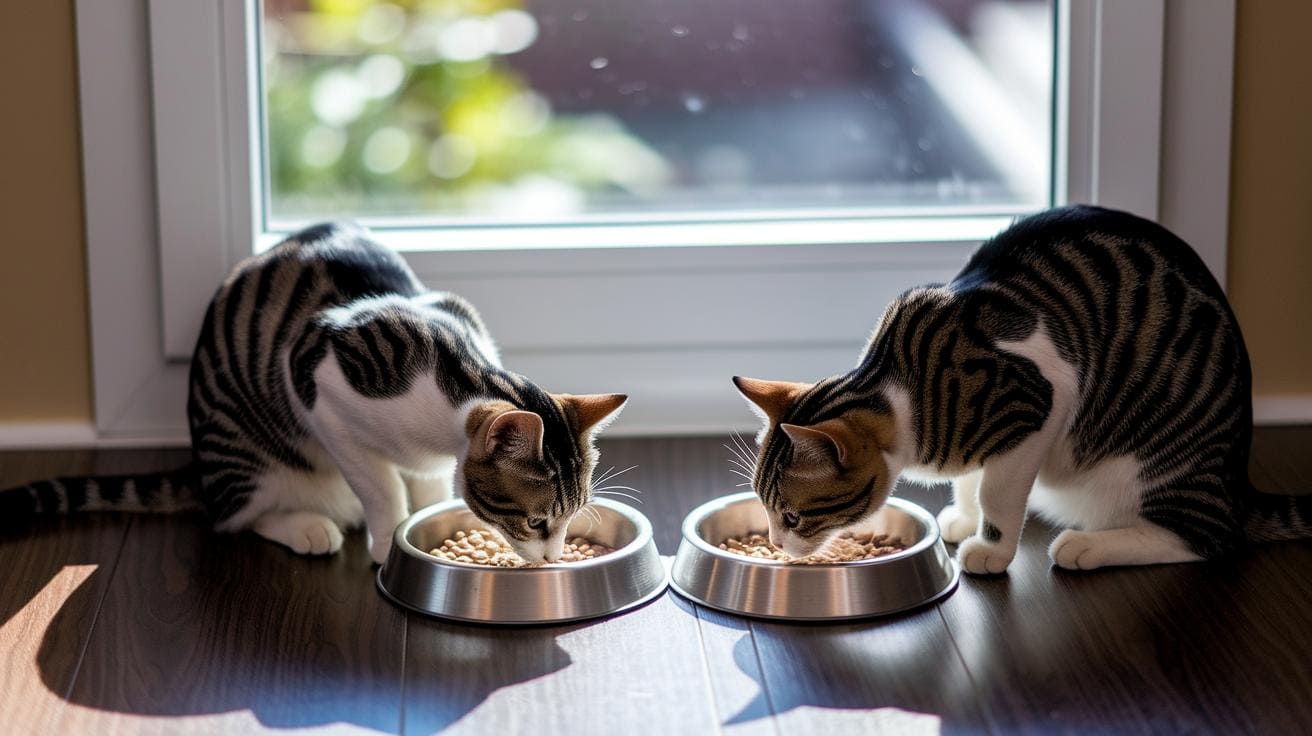
Hey cat parents and shelter heroes, ever worried about FeLV (Feline Leukemia Virus) sneaking into your fur crew? It’s a crafty virus that jumps between kitties through bites, shared bowls, or litter pans. But don’t sweat it, some easy daily habits can keep your clan safe and purring.
First up: quarantine (keeping a cat apart) any newcomer. Before your new fluffball meets the gang, whisk them off to the vet for a quick blood test (tiny needle prick, minimal fuss). If someone tests positive, give them their own chill zone, a quiet room with comfy bedding and toys.
Next, make your home an indoor-only castle. It’s not just about cozy naps on the windowsill (though we love that). Keeping cats inside stops surprise meetups with stray wanderers who could carry FeLV. Indoor life means safe playdates and fewer vet trips.
Then let’s talk bowls and litter. Think of each dish and pan as private real estate for every kitty. When you give each cat its own food bowl and litter box, you cut down on accidental nose-to-nose contact and litter kicks, two easy ways for that virus to hitch a ride.
Vaccination (shots to boost defense) is your cherry on top. Chat with your vet about FeLV vaccines, especially for kitties in group homes or with outdoor access. It’s like handing them an umbrella before a rainstorm.
Worth every paw-print. Do all these steps together and you’ve built a fortress: test new cats, keep bowls and boxes separate, stay indoors, and vaccinate at-risk kitties. Your cats get more safe play and naps, and you’ll enjoy fewer worries and more happy purrs.
In busy shelters, a clear routine is gold. Consistent testing, isolation rooms, and separate stations help you jump on any FeLV flare-ups fast. And honestly, watching a smooth-running cat crew is pretty paw-some.
| Prevention Measure | Description |
|---|---|
| Testing & quarantine | Give every newcomer a quick blood test (tiny needle prick) and keep positives in their own cozy room |
| Separate bowls & litter | Assign each cat its own food dish and litter pan to stop accidental mixing |
| Indoor-only housing | Keep all kitties indoors so they don’t meet unknown outdoor carriers |
| Vaccination | Get at-risk cats their FeLV shots for an extra layer of defense |
Testing and Vaccination to Curb FeLV Contagiousness
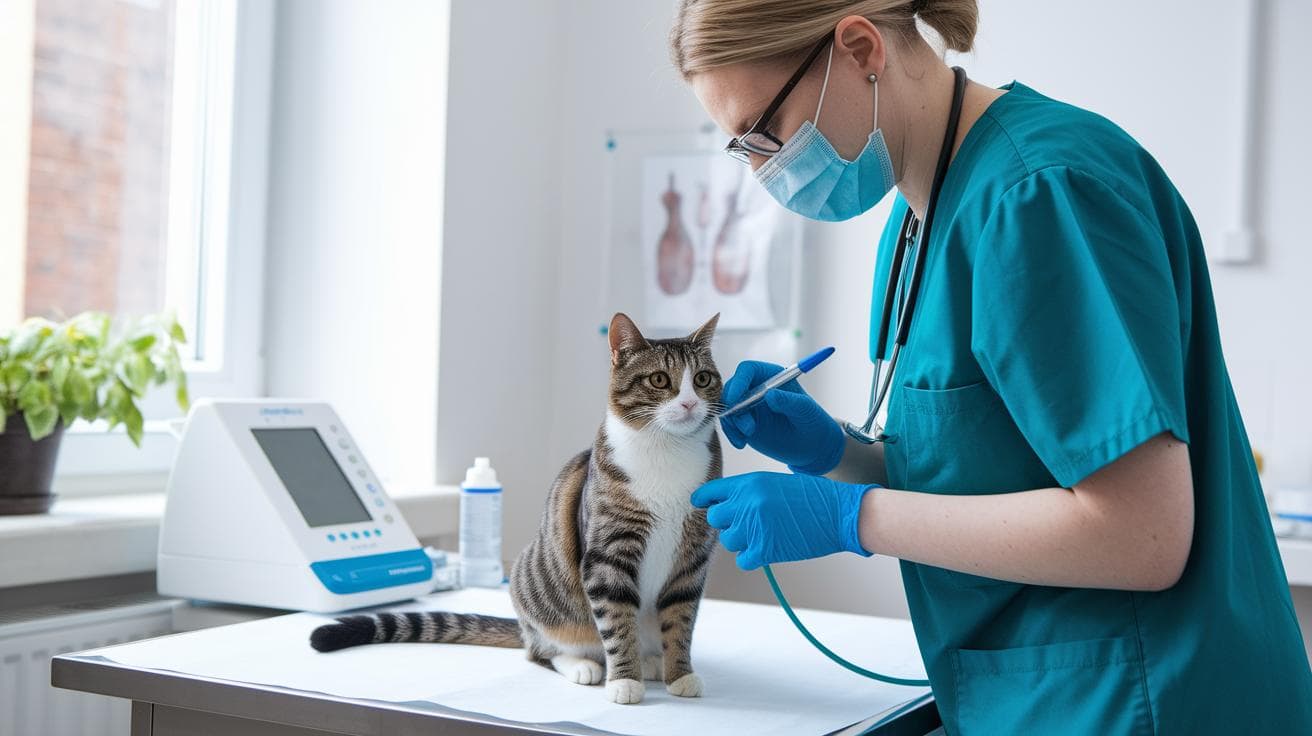
In most clinics, you’ll see a quick in-clinic antigen test (a check for viral proteins). It usually catches feline leukemia virus eight to twelve weeks after your cat’s first exposure. Test too soon and you might get a false negative – when the virus is hiding, like a shy kitten under the bed. That’s why vets often suggest a window period retest (a follow-up test after those early weeks) to catch any late bloomers. Some at-home antigen tests (a little nose swab or tiny paw-prick check) exist, but they can miss infections that your vet’s lab won’t.
Vaccination is your cat’s best defense – a truly purr-fect strategy. Think of each shot as a pep rally for your kitty’s immune system. Most cats get their first vaccine, then a booster about a year later, and another booster every one to three years (your vet will guide you). Those boosters top up defenses so FeLV can’t sneak in. After her booster, my Luna tore into her feather toy like a champ – proof these shots really work. And pre-adoption screening (testing new or shelter cats before they mingle) keeps hidden carriers out of your fur family. It’s a simple step that keeps your home safer and your heart lighter when you bring home a new friend.
Managing Contagious FeLV Cases for Better Cat Welfare
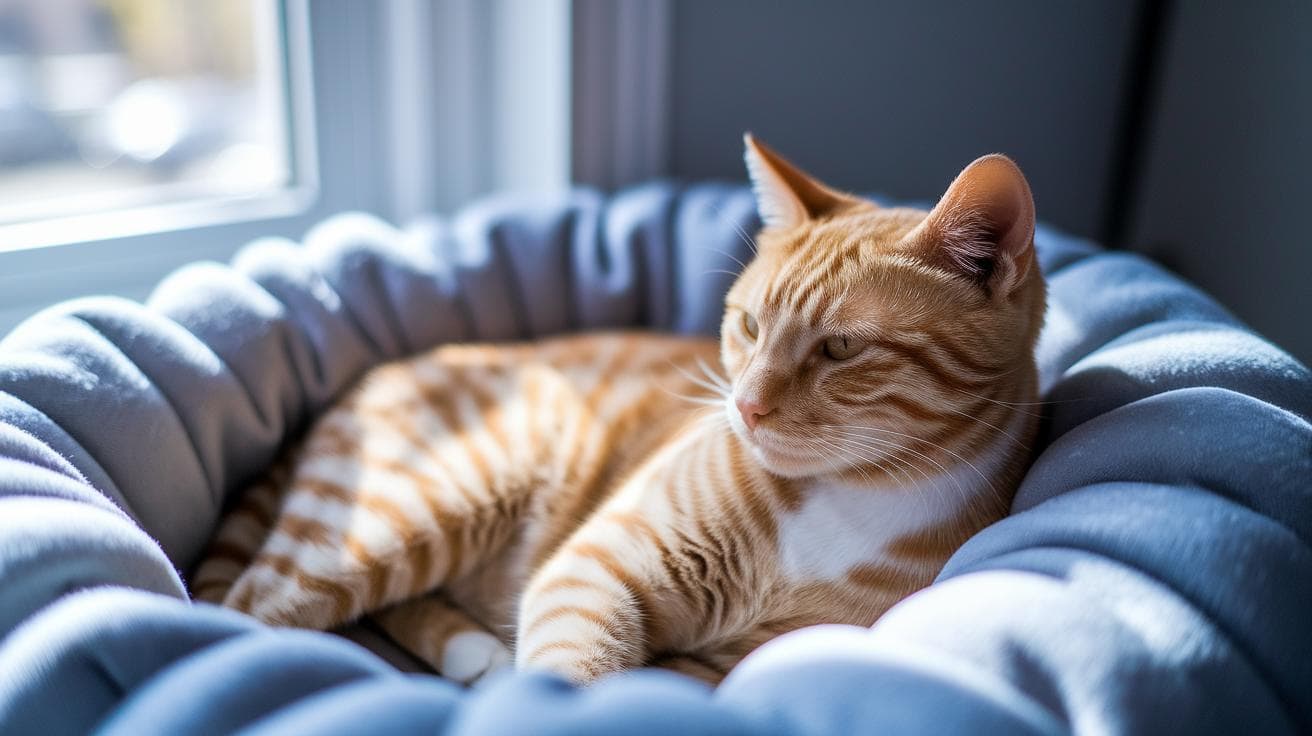
When your kitty tests positive for FeLV (feline leukemia virus), it’s time to set up a cozy solo spot. Pick a quiet room with a soft blanket and favorite toys so stray sneezes or grooming licks don’t share more virus. Ever watched your kitty chase shadows? This keeps other cats safe and your little one snug. Uh, you know it feels like a gentle hug from afar.
Next, plan vet visits every 4 to 6 weeks, your cat’s health pit stop. We check blood counts (the number of cells in their blood) and watch for any sneaky infections. FeLV means regular lab work (simple blood tests), but catching anemia (low red blood cells) early is totally worth it. A trusty vet buddy keeps your furball strong.
Mealtime becomes a power-up session. Serve wet food loaded with protein and a drizzle of healthy fats, think of it as a mini energy boost in every bite. My Luna once dove into her bowl like it was kitty gold. Seriously fun to watch.
Stress-busting is next on the list. Offer cozy hideaways like boxes or tunnels so your cat can chill out. Gentle play with a feather wand turns claws into tiny dancers. And diffuser cat pheromones (calming cat scent) help turn frowns into purrs.
Finally, add some joy sparks. A puzzle feeder makes meals feel like a game. Soft brushing is like a warm hug on their fur. Fresh toys, tasty bites, quiet naps. Their days will be full of good eats and sweet dreams.