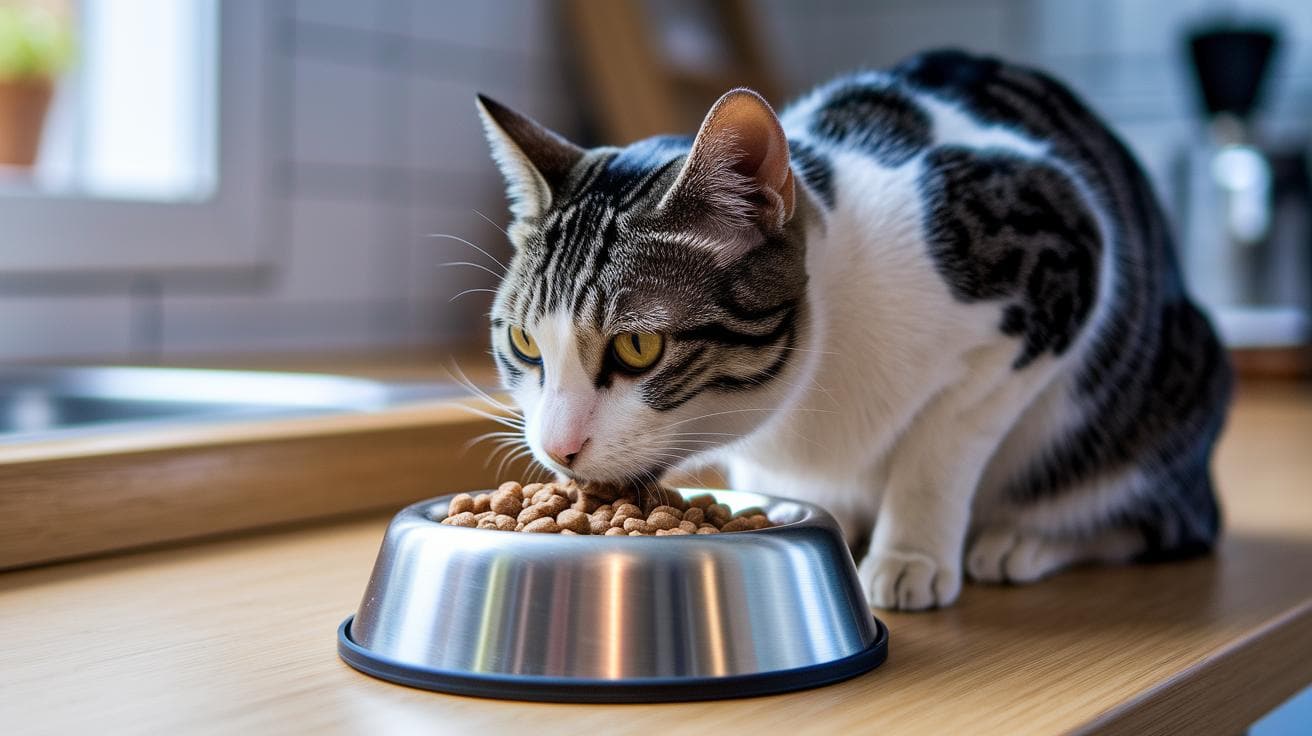
Think your cat’s kibble is enough to keep them purring? But cats are obligate carnivores (they only eat meat). They thrive on meals that are at least 40 percent animal protein (like the lean muscle they’d snag in the wild).
This guide walks you through easy homemade recipes loaded with muscle meat (the lean bits), organ meat (vitamin-packed heart and liver), and healthy fats (good-for-skin oils). No fillers! You pick each ingredient.
Your furry friend gets purrfect fuel for zoomies, strong bones, and a coat that gleams. Picture whiskers twitching as your kitty chases a feather toy, fur shining in the light.
Nutritional Essentials for Homemade Cat Food Recipes
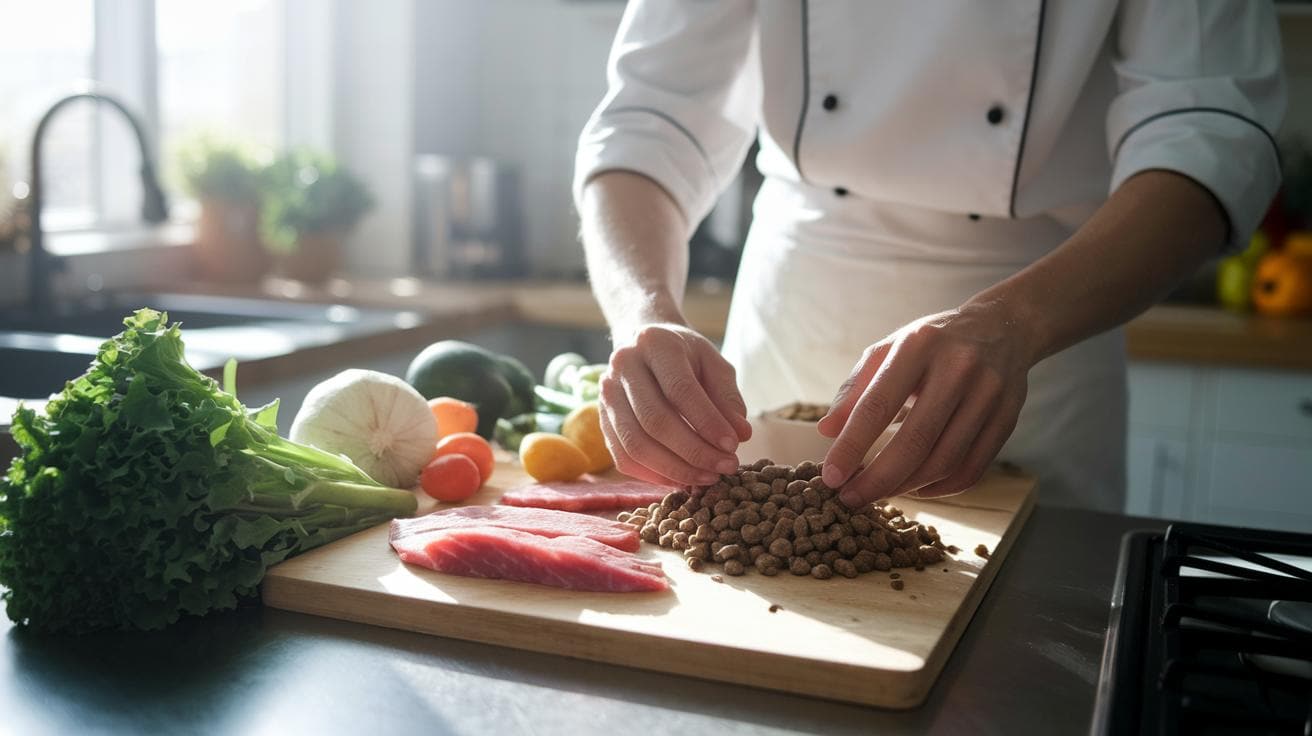
Ever watched your kitty crouch low, tail twitching, and eyes locked on a toy? That prey drive craves meat. Cats are obligate carnivores (they only eat meat) and need at least 30% animal protein in every meal. Most fur-parents aim for 40 to 50 percent to mimic a wild hunt. Fat should be around 20 to 24 percent of calories, it adds a mouthwatering scent, gives a silky coat shine, and powers those zoomies.
Vitamins and minerals fill in the gaps. Vitamin A helps your cat see in the dark, vitamin D builds strong bones, and B-complex (a group of B vitamins) keeps their energy buzzing. Minerals like calcium (for sturdy bones), magnesium (for smooth nerve signals), and potassium (for a steady heartbeat) make sure every meal is balanced.
A foolproof ratio is 85 to 90 percent muscle meat and 5 to 10 percent organ meat, like liver. Organs pack iron, copper, and extra vitamin A in tiny bites, claw-tastic nutrition. And water matters too. Cats on wet food get about 3.5 ounces of water per 5 pounds of body weight each day, meaning fewer frantic laps to the water bowl. Worth every paw-print.
Key Supplements and Ingredient Ratios in Homemade Cat Food Recipes
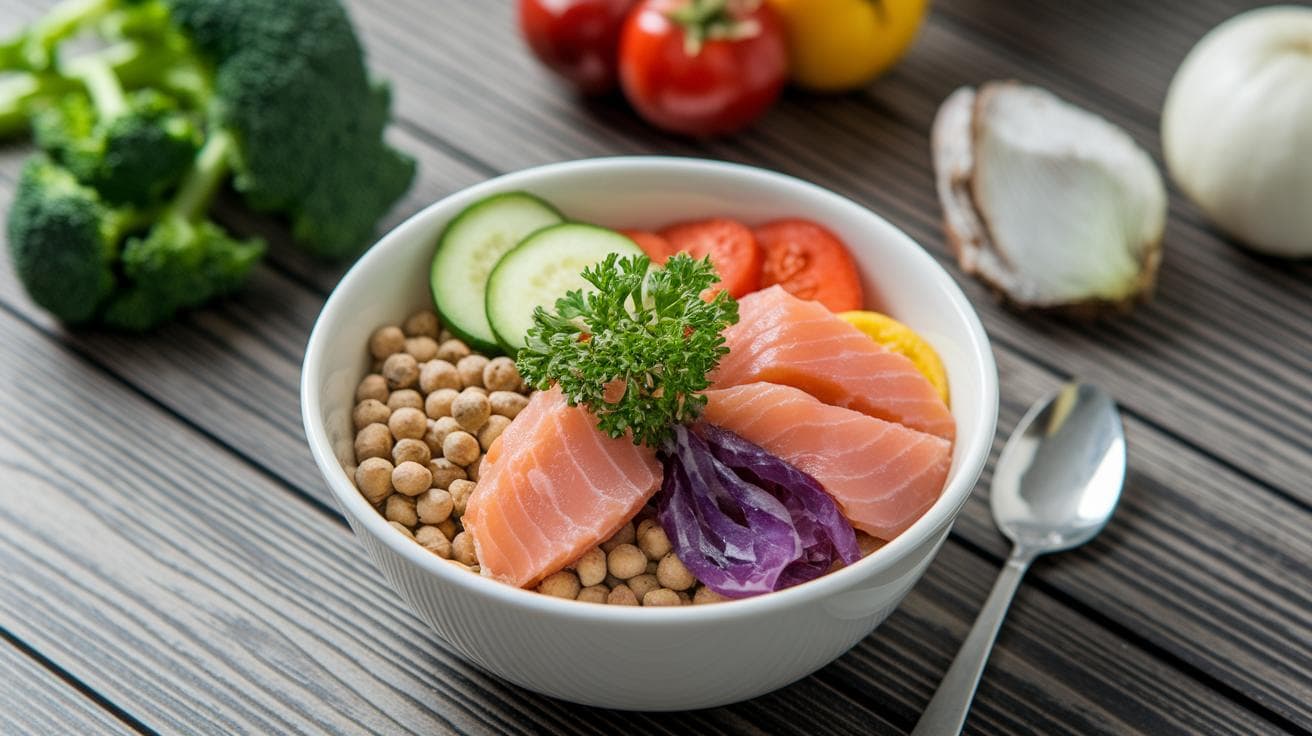
Supplements are the secret sauce in homemade cat food recipes to fill the gaps in fresh ingredients. For taurine supplementation tips, aim for about 2,000 mg per day, this amino acid supports heart rhythm and sharp vision. Fish oil capsules deliver 5,000 to 10,000 mg of omega-3 sources for felines, giving a silky coat and nimble joints. Vitamin requirements for cats include 200 to 400 IU of vitamin E (an antioxidant that fights free radicals) and 50 to 200 mg of vitamin B complex (energy fuel). Mineral additives for homemade food are easy: a pinch of iodized salt for iodine and 14 tablets of potassium gluconate (99 mg each) to keep muscles and nerves humming. These key micronutrients fill in what fresh meat might miss and keep that tail twitching.
We lean on AAFCO guidelines for homemade food so every batch hits a safe range for each supplement. That’s why chatting with your veterinarian matters, especially if your cat has food sensitivities or medical quirks. Some kitties crave extra vitamin E for dry skin, while others benefit from a tad more omega-3 for joint comfort. A quick vet consult turns guesswork into precise nutrition and peace of mind.
| Supplement | Dosage | Purpose |
|---|---|---|
| Taurine | 2,000 mg | Heart and vision support |
| Fish Oil | 5,000–10,000 mg | Omega-3 for coat and joints |
| Vitamin E | 200–400 IU | Antioxidant |
| Vitamin B Complex | 50–200 mg | Energy metabolism |
| Potassium Gluconate | 14 × 99 mg | Muscle and nerve function |
| Iodized Salt | Pinch | Thyroid and metabolism |
Raw ground bones supply calcium and phosphorus in safe ratios, nailing calcium and phosphorus balance without extra powders.
Preparing Homemade Cat Food Recipes: Cooking Methods and Safety Protocols
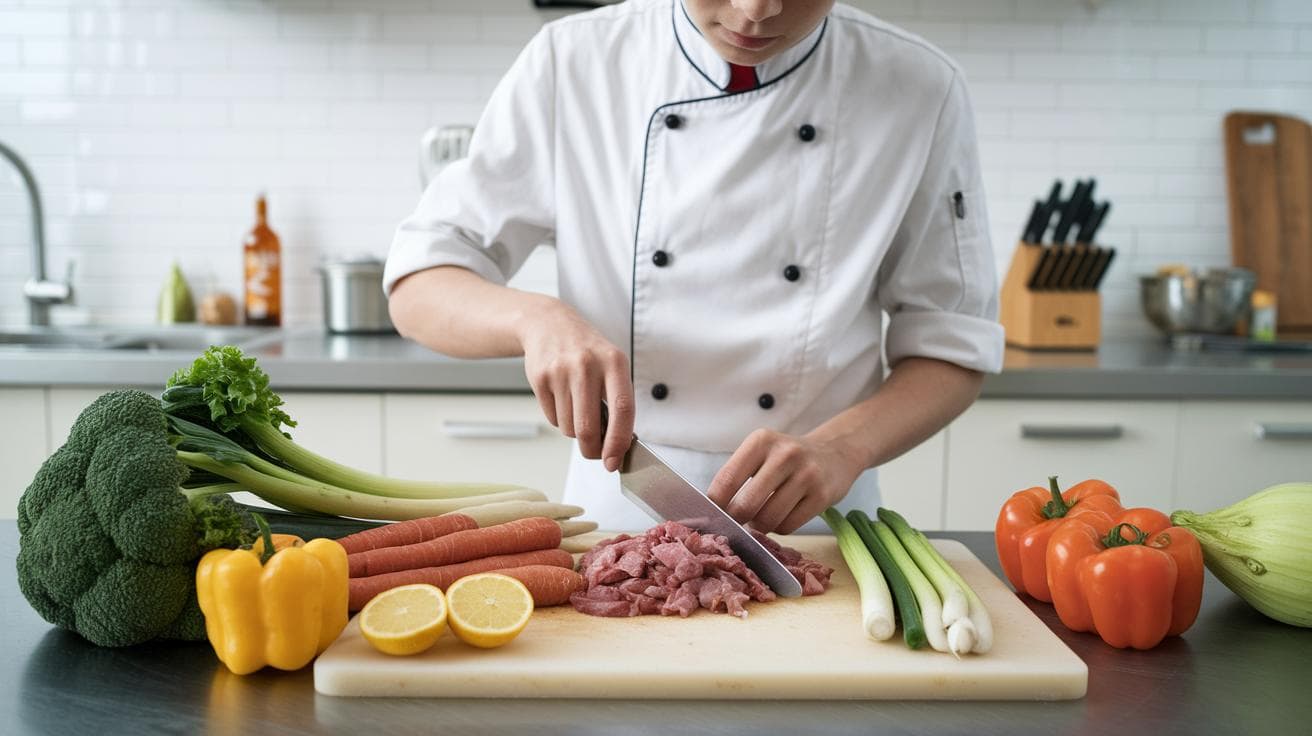
Raw meals lock in live enzymes and healthy fats, almost like your cat catching fresh prey. That satisfying snap when meat thaws feels like the start of a wild hunt, your kitty will love it. But raw meat can hide bacteria if you’re not careful.
Cooked cat food is gentler on sensitive tummies and senior kitties. Heating it on the stove or in a slow cooker kills most of the bad bugs. Just remember to skip the bones. Once they’re cooked, bones turn into sharp splinters that can hurt your cat.
Before you dive into raw prep, freeze the meat at 0°F for at least 72 hours to zap any parasites (tiny worms you can’t see). Then thaw it in the fridge, slow and steady wins the race, keeping bacteria from multiplying and the taste fresh.
Ground raw bones can give your cat safe, bite-sized calcium and phosphorus. Or stir in a measured bone-meal powder (extra calcium boost) instead of tossing in whole bones. Trust me, no one wants to fish splinters out of their kitty’s mouth.
You’ll need some kitchen gear beyond a big mixing bowl. A meat grinder turns chunks of muscle and heart into a smooth mash. A sharp cleaver knife dices organs in one chop (yum, liver). For eggs or tiny veggie bits, an immersion blender works great, or grab your countertop blender if you want super-fine texture.
It’s your call: quick stovetop cooking if you’re in a hurry, or set a slow cooker on low and walk away. Both get the job done.
Cleanliness is key. Sanitize knives and bowls after raw meat. Use one cutting board for protein and another for veggies. Wipe counters with hot, soapy water or a pet-safe cleaner. And hey, wash your hands for at least 20 seconds after touching raw meat. No shortcuts.
Tiny details matter. Ever watched your cat’s whiskers twitch when you open a can? Homemade meals can bring that same excitement, minus the can. Worth every paw print.
Three Balanced Homemade Cat Food Recipes: Poultry, Meat & Organ, and Fish Options
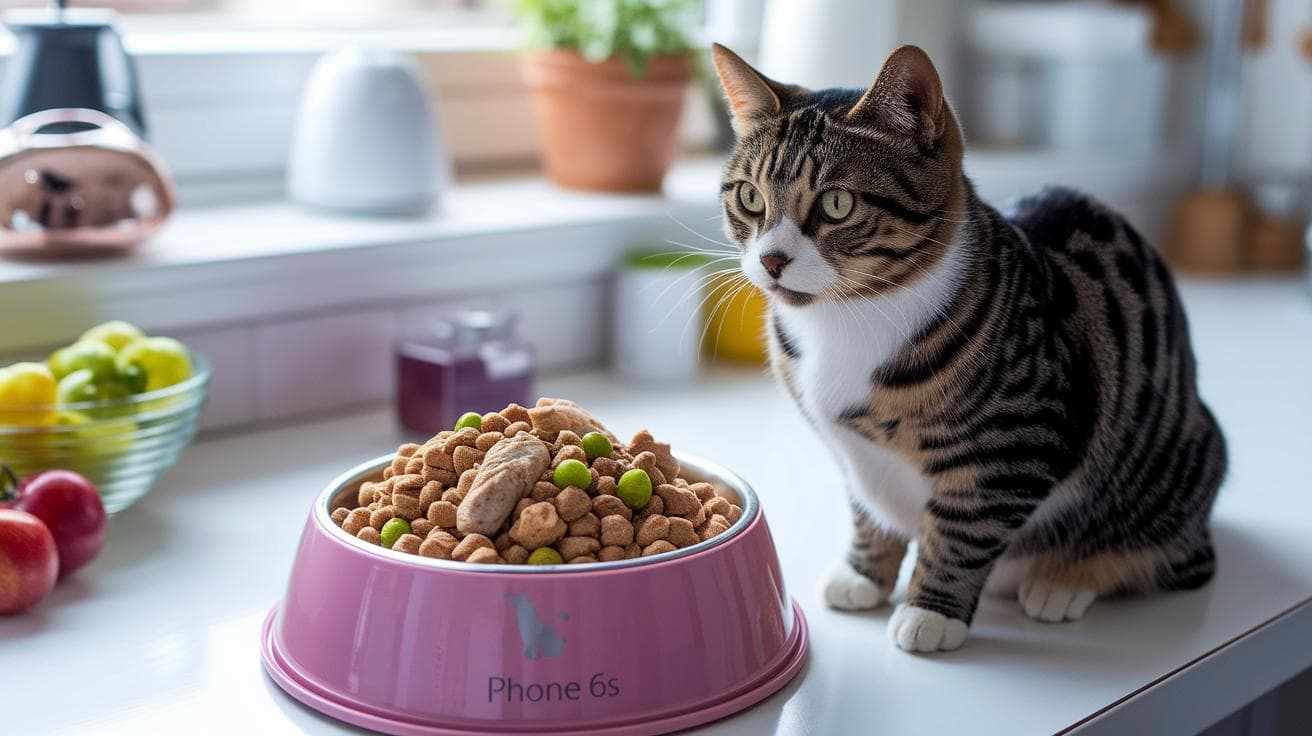
Poultry-Based Recipe
Here’s a cluck-tastic meal your cat will go wild for. This 3-pound poultry or rabbit-chicken mix plus liver and eggs makes a protein-packed bowl that’ll have whiskers twitching. Ever watched your kitty chase a piece of chicken across the floor? You’ll add fish oil for a glossy coat, taurine (an essential amino acid), and a few vitamins to keep things balanced.
Ingredients:
- 3 lbs poultry or rabbit-chicken mix
- 3–4 oz liver (iron-rich yum)
- 2 eggs
- 5–10 fish oil capsules (1,000 mg each; for that shiny fur)
- 400 IU vitamin E (antioxidant boost)
- 50 mg vitamin B complex (energy helpers)
- 2,000 mg taurine (eye and heart health)
- 14 potassium gluconate tablets (mineral support)
- ½ cup water
Directions:
- Grind meat and liver until smooth like soft-serve ice cream.
- Beat eggs with water, think fluffy pancake batter.
- Stir in fish oil, vitamins, taurine, and crumbled potassium tablets.
- Mix until silky and even.
- Scoop into containers; chill or freeze. Good for up to 3 days.
Meat & Organ Mix
Alright, next up is a hearty meat-and-organ combo. You’ll need an easy-to-find organic protein, some liver, and a bit of healthy oil to keep it all sliding down smoothly. This one’s perfect for busy mornings, takes just minutes to prep. Um, and your cat will purr through the whole thing.
Ingredients:
- 1 lb organic meat (chicken, ostrich, or quail)
- 4 oz organic liver
- 1 tbsp hemp, flax, or walnut oil (healthy fats)
- 1 egg (optional; extra protein)
- 1 tsp grapefruit seed extract in water (natural preservative)
- 5,000 mg omega-3 supplement (brain and heart support)
- 2,000 mg taurine
- Pinch of pink Himalayan salt
- 1 tbsp steamed veggies or chia seeds (fiber)
Directions:
- Freeze meat for 72 hours, then thaw to zap any parasites.
- Chop or grind meat and liver into bite-sized bits.
- Stir in oil and the optional egg. Splash in grapefruit extract.
- Blend in omega-3s, taurine, and salt.
- Toss in veggies or chia seeds for fiber. Portion out and store.
Chicken Thigh Blend
Finally, treat your cat to this rich chicken-thigh feast. Thighs, hearts, and liver all ground to a smooth mash make a meal that’s pure purr-fection. Add egg yolks, fish oil, and vitamins, and you’ve got a balanced dinner your kitty won’t snooze on. Oops, forgot to mention the gentle fiber boost, psyillium husk (soluble fiber powder), if you want it.
Ingredients:
- 4.5 lbs chicken thighs (20–25% bone for calcium)
- 14 oz chicken hearts or 4,000 mg taurine
- 7 oz chicken liver
- 4 egg yolks
- 8 oz water
- 200 IU vitamin E
- 4,000 mg fish oil
- 200 mg vitamin B complex
- 1 tsp psyllium husk (optional soluble fiber powder)
- Pinch of iodized salt
Directions:
- Debone and grind thighs, hearts, and liver into a smooth mash.
- Blend egg yolks and water until silky-wet mix.
- Stir in taurine, vitamin E, B complex, and fish oil.
- Mix until every spoonful is even and smooth.
- If you like, sprinkle in psyllium husk for gentle fiber.
- Portion into dishes; refrigerate or freeze for later.
Worth every paw-print.
Portion Control, Storage, and Serving Guidelines for Homemade Cat Food Recipes
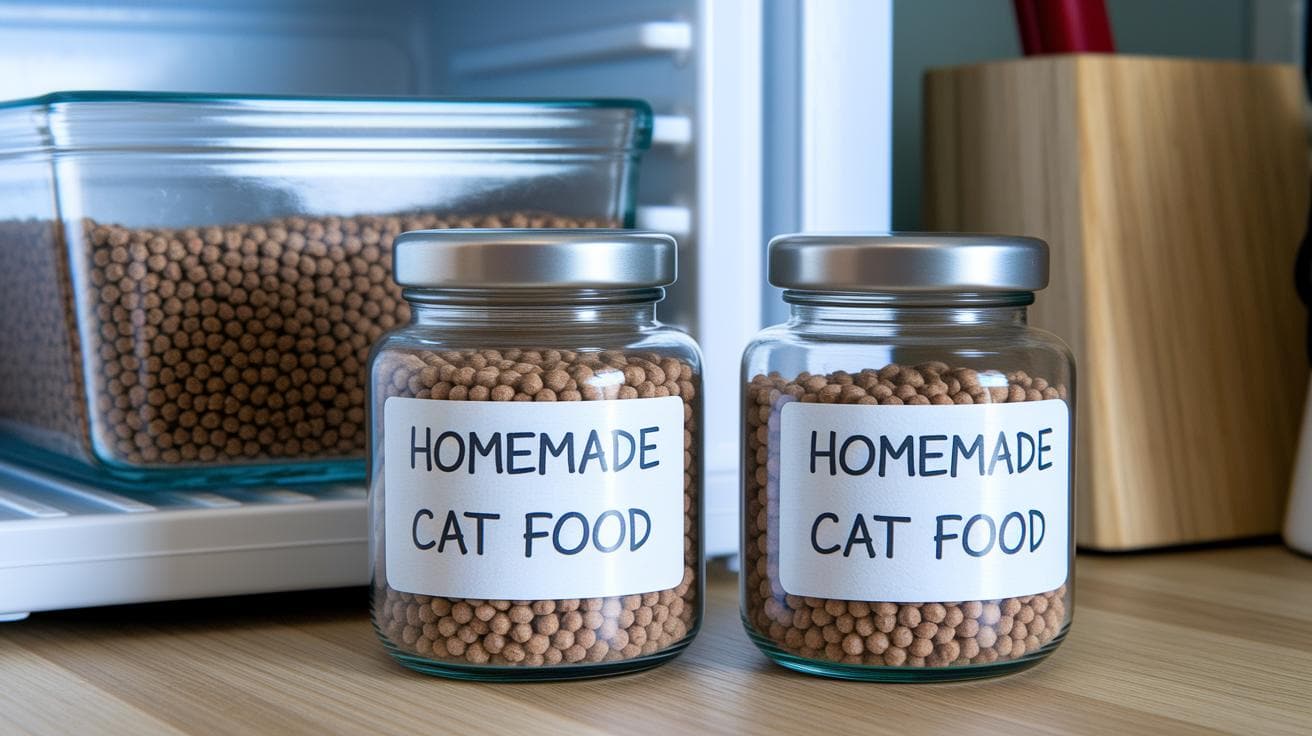
Start by sizing meals to your cat’s weight: a 12-lb fluffball needs a daily portion about the size of a toy mouse (so cute, right?). Split that into two or three mini meals, six to eight hours apart. Kitty tummies love a steady routine: think breakfast and dinner, or breakfast, lunch, and dinner for extra zoomies. Ever notice how they race you to the bowl?
Once you portion your meals, pop them in the fridge in airtight containers (sealed tight so no air sneaks in). They stay fresh for up to three days. I like to label each one with the date. It keeps me on track.
Need longer storage? Freeze the portions. Label each container with prep and expiration dates, vacuum seal the food bags (pull out all the air to avoid freezer burn), and lay them flat so they thaw evenly. Homemade blends are fresh, and if you ever wonder do cat food expire, careful date tracking is your friend.
When it’s serving time, grab 5.5-oz disposable cups or small glass dishes: perfect for single servings. Thaw meals overnight in the fridge and never refreeze once thawed. Your kitty’s whiskers will twitch in delight.
Cost Breakdown and Budget-Friendly Homemade Cat Food Recipes
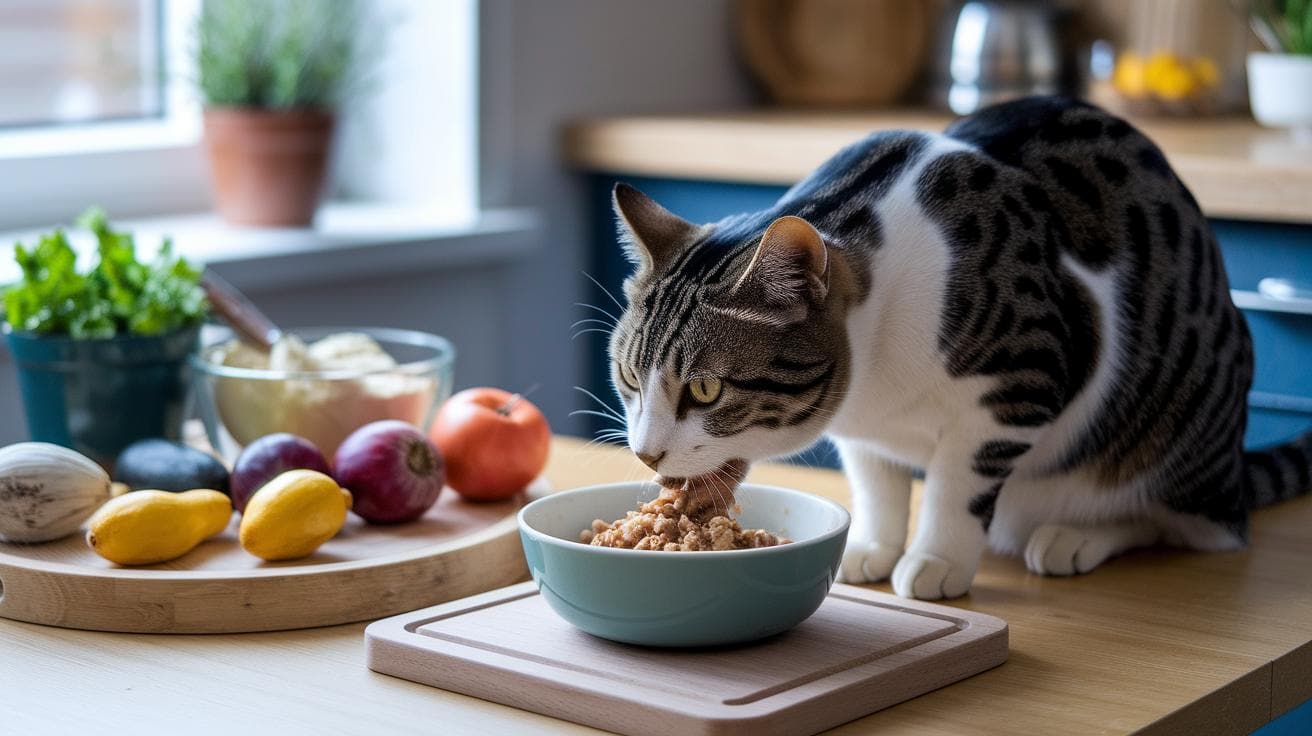
Ever thought of feeding your favorite feline for just $1.50 a day? Compare that to the $5 or more most top cat foods demand. That adds up to around $45 a month versus $150+ – extra cash for a new toy or vet check-up. Even if you splurge on organic chicken one week, you’ll still pocket big savings.
Most of the cost rides on protein. Lean chicken thighs (tender meat) or ground turkey (mild flavor) usually cost less than salmon or beef. And they’re packed with amino acids (the tiny building blocks for strong muscles) your kitty needs to stay spry.
Want to shave prices even further? Snag bulk meat at a local farm (great for your wallet and neighbors). Or buddy up with a cat-loving friend, split a 10-pound pack and halve the bill. Then hit the farmers market for chicken gizzards (chewy bits rich in protein) on sale and stash them in the freezer.
Next, swap thrifty recipe ideas in online cat forums or your neighborhood kitty crew. I once found a tuna mash recipe that cut my costs by ten bucks a week, true story. Community tips turn simple ingredients into purr-fect feasts without breaking the bank.