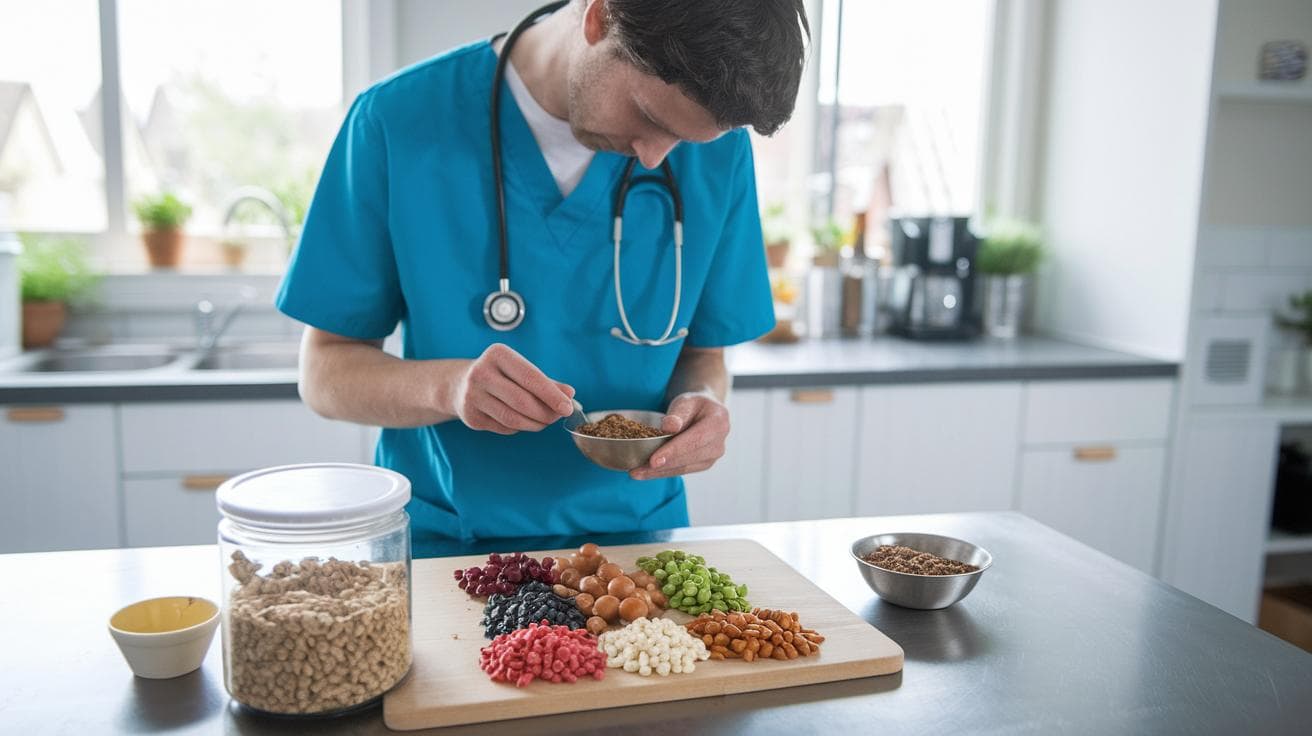
Ever peek at your cat’s bowl and wonder if that store-bought food is secretly spiking their blood sugar? Diabetic cats often battle simple carbs (fast-digesting sugars) and fillers that leave them feeling sluggish. They're literally chasing their own tails.
Enter homemade meat stew. It’s a savory, protein-packed bowl that smells like pure temptation to your furball. Ever watch your kitty’s whiskers twitch at a whiff? The juicy scent and added moisture (water content to help digestion) give their muscles a turbo boost and perk up their mood.
You’ll whip up lean turkey (a low-fat protein), tender chicken thigh and a splash of healthy oil (like omega-3-rich fish oil) in minutes. Then stir in water or low-sodium broth for extra hydration. This mix helps reset your kitty’s energy and keeps blood sugar from doing loop-de-loops.
Next, serve small, bite-sized meals throughout the day. These mini-boosts keep sugar levels steady and paws purring. Worth every paw-print.
Essentials of Homemade Diabetic Cat Food
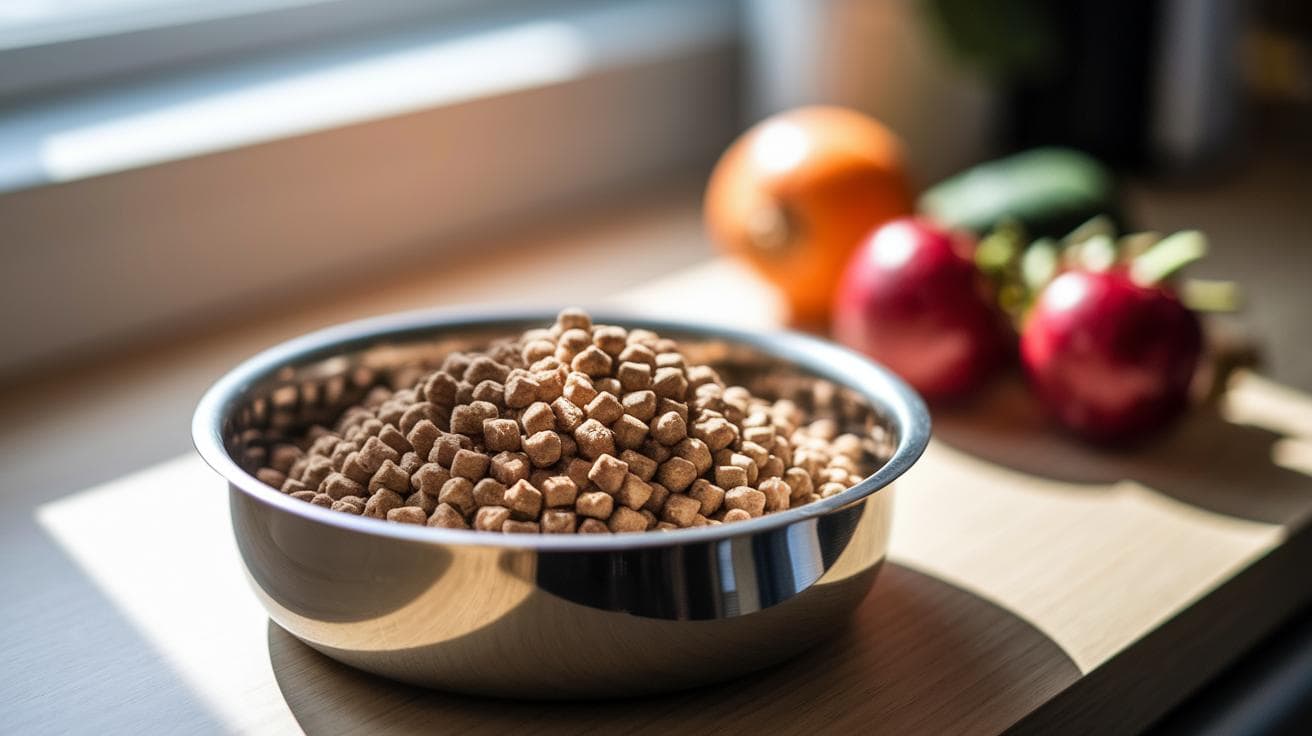
Ever noticed your kitty slowing down after mealtime? Feline diabetes is most often type 2, which means their body can’t use insulin well (insulin helps move sugar from the blood into cells). And extra weight often makes things worse.
A homemade diabetic diet fights both weight and blood sugar together. Think of it as a claw-tastic meat stew for your furball. We’re aiming for long-term purr health.
Aim for at least 50% protein (building blocks for strong muscles), 20 to 40% healthy fat (good oils that keep fur shiny), and 10% or less carbs (simple sugars and starches). Picture a meat-heavy mix of lean turkey breast and chicken thigh with just a dash of healthy oil, no grains in sight. This low-carb cat food helps dodge those glucose spikes that overwork insulin.
Cats are obligate carnivores (they only eat meat), so center every meal on human-grade cuts with about 8 to 15% fat (juicy roast beef chunks or small lamb pieces). Starchy fillers like grains or potatoes are out, they’re clumsy for your furry friend to process. Swap them for pure protein treats that fuel muscles and keep energy steady.
Hydration matters just as much as macros. Wet food delivers moisture and protein in one bowl. I love how the broth drips around the meaty pieces, bonus for urinary health. A well-hydrated cat is more playful and less prone to crystal buildup.
Serve meals every 12 hours, right before insulin time. Consistent meal times keep hunger pangs in check and align with insulin cycles. That way you control blood sugar naturally. It’s a diabetic diet that’s easy for busy pet parents and paws-up approved by playful felines.
Worth every paw-print.
Choosing Ingredients for Homemade Diabetic Cat Food
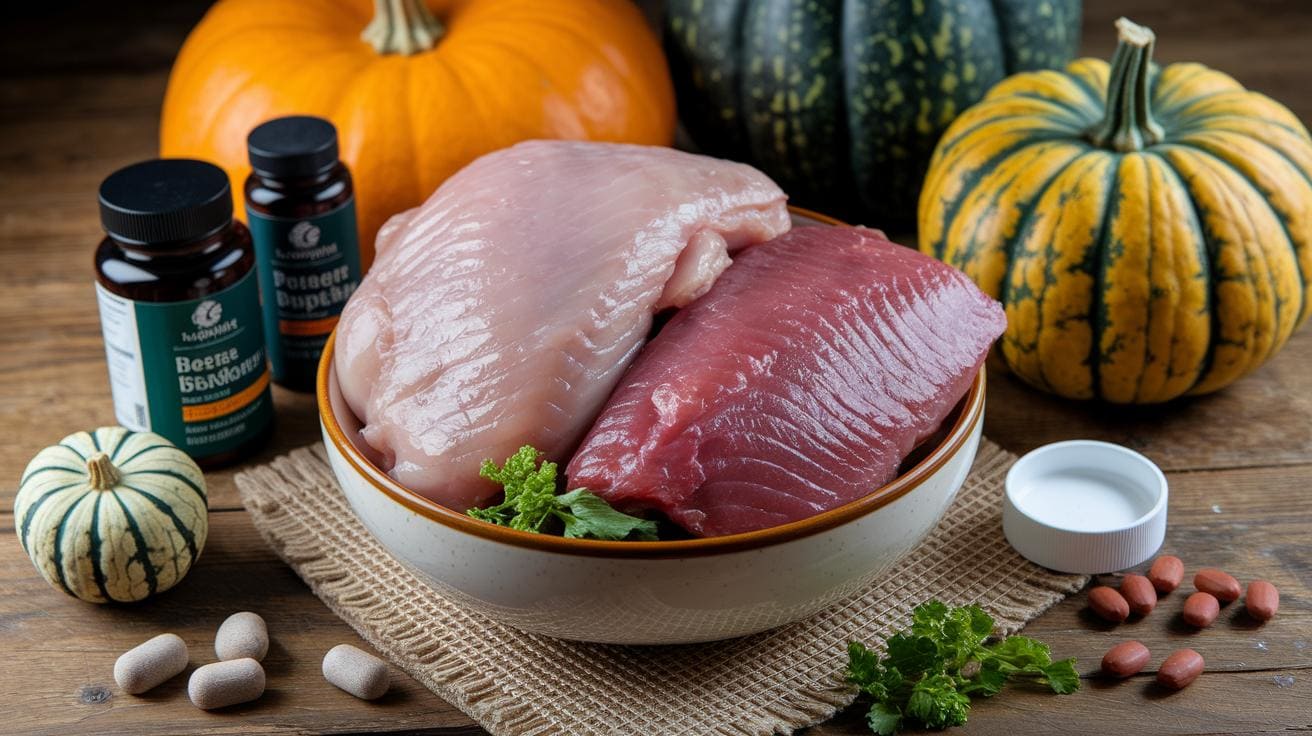
Hey cat parents, let’s whip up a simple, blood-sugar-friendly meal for your diabetic kitty. Lean, human-grade proteins are the backbone here. Ever seen your cat’s whiskers twitch when you open a can of tuna? Try these for a steady-glucose feast:
- Turkey breast (boneless and skinless)
- Chicken thigh (boneless and skinless, juicy!)
- Lean beef (stewing cuts)
- Venison (neck or shank cuts)
- Rabbit (light muscle meat)
- Low-mercury fish like tilapia or cod
And fats? Keep them around 8 to 15 percent of the total mix. Healthy oils fuel energy and give a shiny coat. Fish oil (rich in omega-3 fatty acids) or algae supplements (plant-based omega-3) are paw-fect picks.
Carbs can send blood sugar soaring, cats are obligate carnivores (they need meat). Skip corn, wheat, rice, potatoes and other starches. Instead, stir in a pinch of fiber to slow sugar release: pumpkin puree (fiber boost and vitamin A), beet pulp (prebiotic fiber) or psyllium husk (soluble fiber for glycemic control).
Pure meat misses some key vitamins and minerals, like taurine (a vital amino acid), calcium and iodine. A vet-approved premix supplement fills those gaps and keeps meals balanced and safe. Worth every paw print.
Poultry and Fish-Based Homemade Diabetic Cat Food Recipes
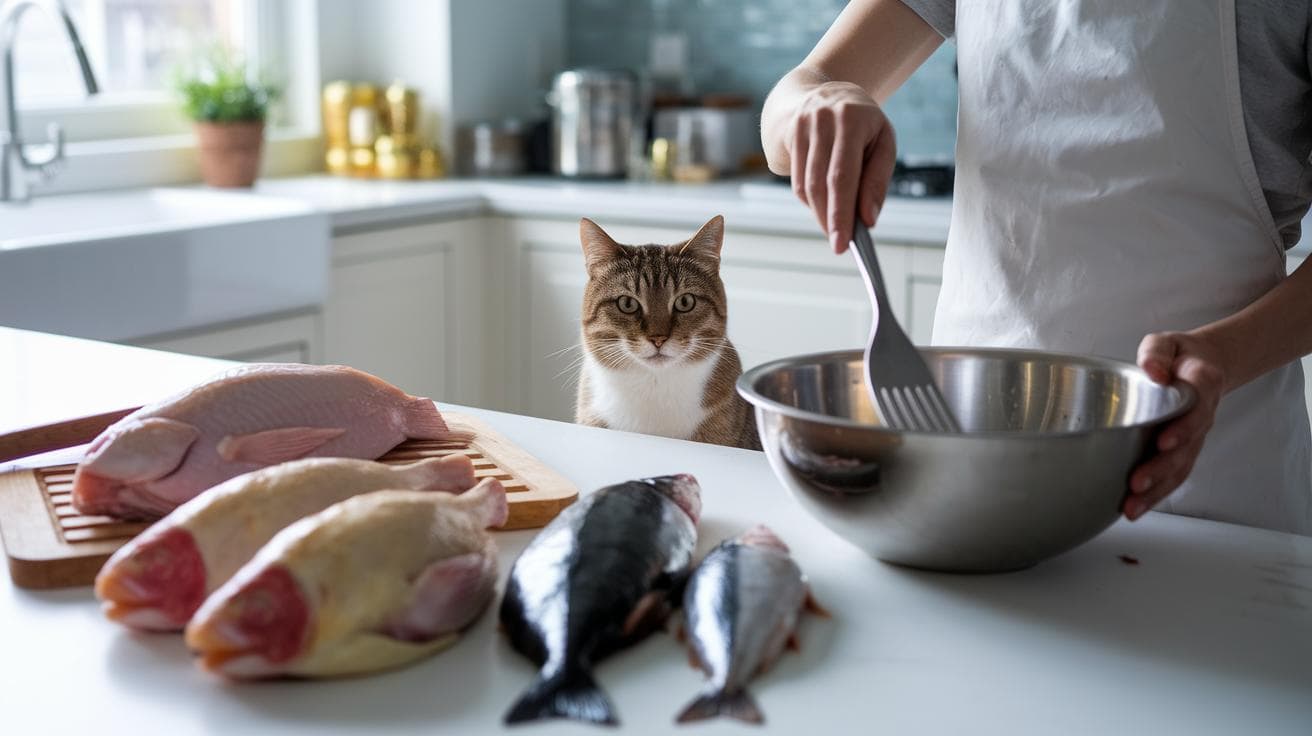
Ready to whip up two easy, vet-approved meals for your diabetic furball? One’s got lean poultry, the other uses mild fish, and both pack about 265 calories per serving. They’re moist (60-66% water), have roughly 50-60% protein, 20-30% fat, and under 10% carbs.
Ever watched your kitty sniff and then dive in? That moment is priceless.
Raw Poultry Recipe
This cool, fresh mix is protein-packed and smooth enough for picky eaters. We use turkey or chicken breast with no skin and no bones.
Ingredients
- 2 lbs (about 900 g) boneless, skinless poultry (turkey or chicken breast)
- 1½ cups cold water
- ½ cup vet-approved premix supplement (vitamin and mineral mix)
Here’s how to do it:
- Chop or grind the meat into small, pea-sized bits.
- Pour in cold water and stir until everything looks blended.
- Add the premix supplement and mix thoroughly.
- Pop it in the fridge for 10 minutes to chill before serving.
Handling Tips
- Wash counters and utensils with hot, soapy water before and after prep.
- Store leftovers in a sealed container in the fridge for up to 2 days.
- If your cat prefers a silky texture, give it a quick, light puree.
Cooked Fish Recipe
This warm, flaky dish is great for cats who love a little sizzle. We pick gentle, low-mercury fish so it’s safe and tasty.
Ingredients
- 2 lbs (about 900 g) ground low-mercury fish (tilapia or cod)
- 1½ cups water
- ½ cup vet-approved premix supplement (vitamin and mineral mix)
Steps
- Heat a skillet over medium heat. Add fish and water, then brown for 5 to 7 minutes.
- Turn off the heat and let it cool to room temperature so it’s safe for your kitty.
- Stir in the premix supplement until it’s evenly mixed.
- Divide into two meals of about ½ to ¾ cup each.
Safety Notes
- Use a food thermometer (for checking temperature) to make sure the fish hits 145 °F (63 °C).
- Toss any portion that’s been out for more than 30 minutes.
For a budget-friendly recipe, check easy cheap homemade cat food.
| Recipe | Prep Time | Protein % | Fat % | Carbs % |
|---|---|---|---|---|
| Raw Poultry | 5 minutes | 50-60 | 20-30 | <10 |
| Cooked Fish | 12 minutes | 50-60 | 20-30 | <10 |
Measuring Portions and Scheduling Homemade Diabetic Cat Food
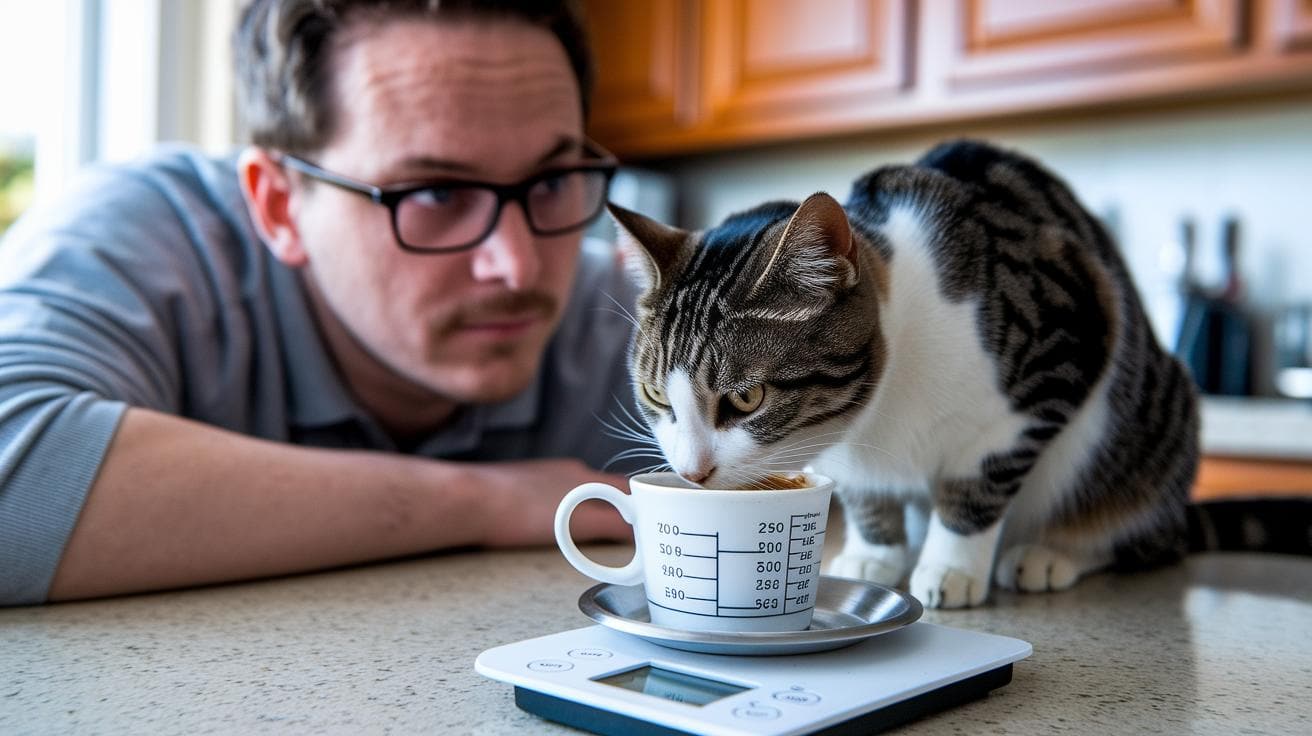
Getting the amounts just right is a game-changer for kitties with diabetes. Grab a kitchen scale or a trusty ½-cup measure (the one that makes a soft clink) and you’re set. If your fluffball weighs around 9–12 pounds, aim for about ¼ pound of homemade mix each day, that’s roughly ½ cup.
- ½ to ¾ cup total per day
- Split into two equal meals
- Tweak up or down if your cat’s weight shifts
Timing meals around insulin is key to balancing macros (protein, fat, and carbs) and keeping blood sugar steady. Feed just before each injection, every 12 hours, so your cat’s glucose peaks line up with their insulin cycle. Easy to remember, right?
- Meal 1: before morning shot
- Meal 2: before evening shot
Don’t let that bowl sit more than 30 minutes. Old mix loses its fresh scent and can lead to late-night snack attacks.
Keep an eye on glucose readings to catch trouble early. Test blood sugar before each meal and again two hours later. Watch for hypoglycemia signs, weakness, shaking, sudden hunger, and call your vet if you’re worried. Only adjust portions or timing with professional advice so your furball stays purring with energy.
Storing and Preserving Homemade Diabetic Cat Food Safely
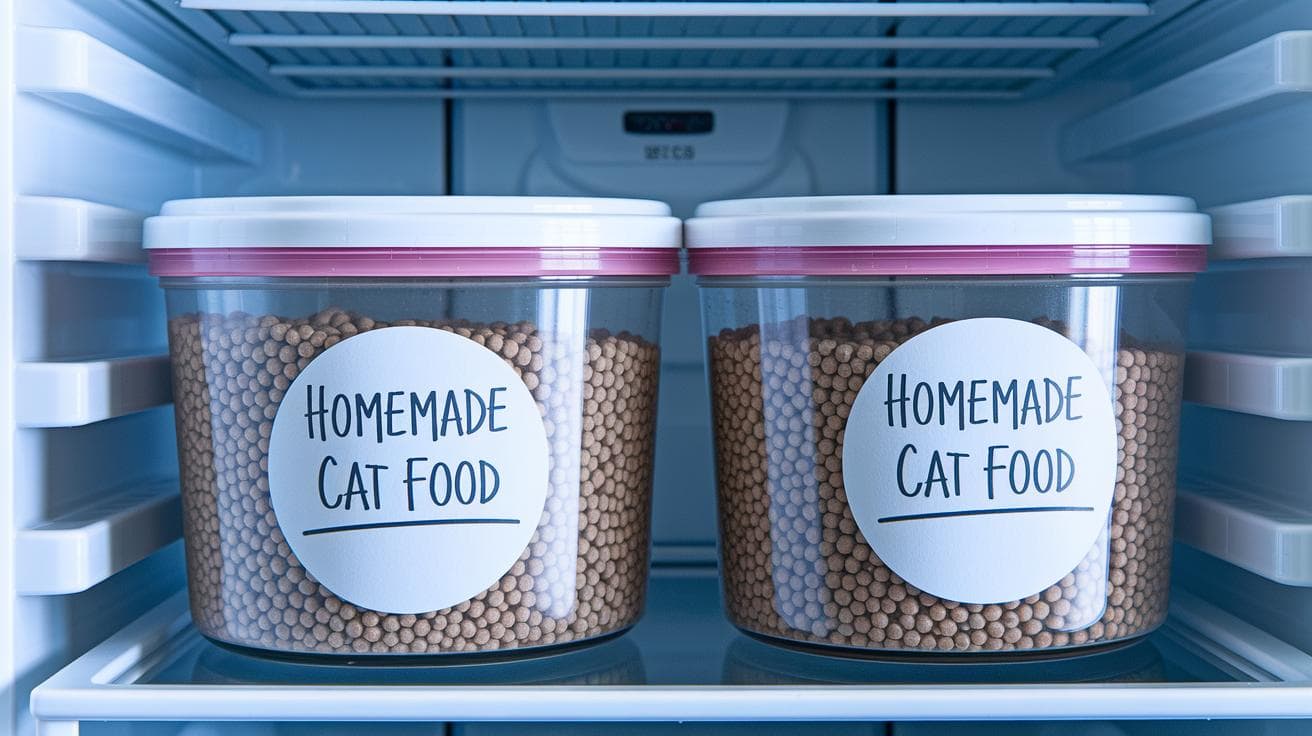
Keep prepared food in airtight containers (glass jars or BPA-free plastic boxes) in the fridge for no more than 1–2 days. That chilled, meaty aroma stays fresh and helps prevent spoilage. Label each container with the prep date so you never lose track.
For larger batches, freeze portions in trays or sealed bags. Pop out single-meal cubes and thaw them in a warm water bath, no hot spots, no bacterial playground. Once thawed, stir gently to restore that smooth, protein-packed texture.
Never let your kitty’s bowl sit out past 30 minutes. Toss any leftovers, old mix loses nutrients and can invite unwanted microbes. And skip repeated microwaving; uneven heating can create cold spots where bacteria thrive.
Sanitizing is nonnegotiable. Wash hands, counters, cutting boards, and utensils with hot, soapy water before and after prep. You might even keep a separate set of tools for raw and cooked mixes to prevent cross-contamination. A clean kitchen means a safer, happier furball.
Monitoring and Adjusting Your Homemade Diabetic Cat Food Diet
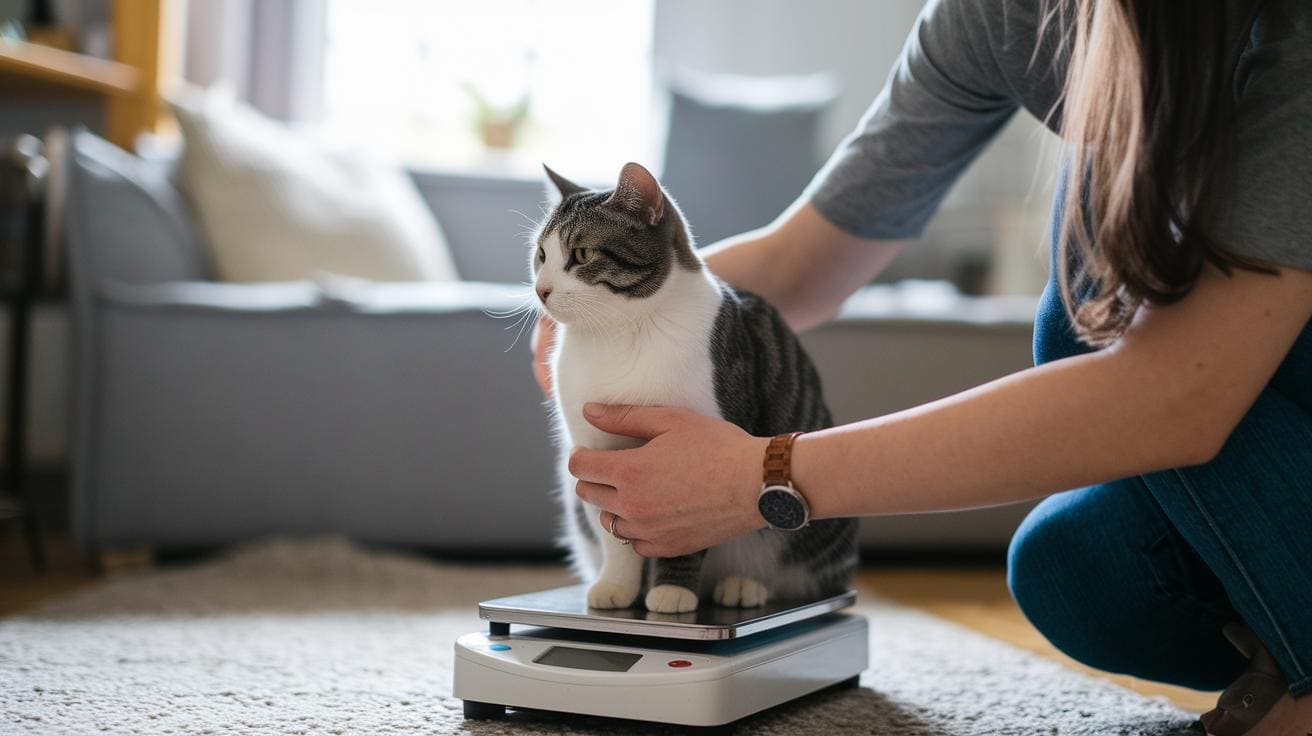
Ever watched your cat’s whiskers twitch on the scale? Here’s a purr-fect checklist for keeping your diabetic kitty’s meals on track.
- Weigh your cat once a week at the same time on the same scale. Feel the gentle click as they step up. Aim for about 1% of their body weight in loss each week – slow and steady wins the race.
- Jot down weight and blood sugar readings in one handy notebook or app. That way you can spot trends fast – you know, before they sneak up on you.
- Chat with a feline nutritionist (a cat food expert) before changing recipes or portions. Their expert eyes keep nutrients balanced and blood sugar steady.
- Stick to those weekly weigh-ins. A slow shift in pounds can be the first meow that tells you it’s time to revisit meal plans with your vet or nutritionist.