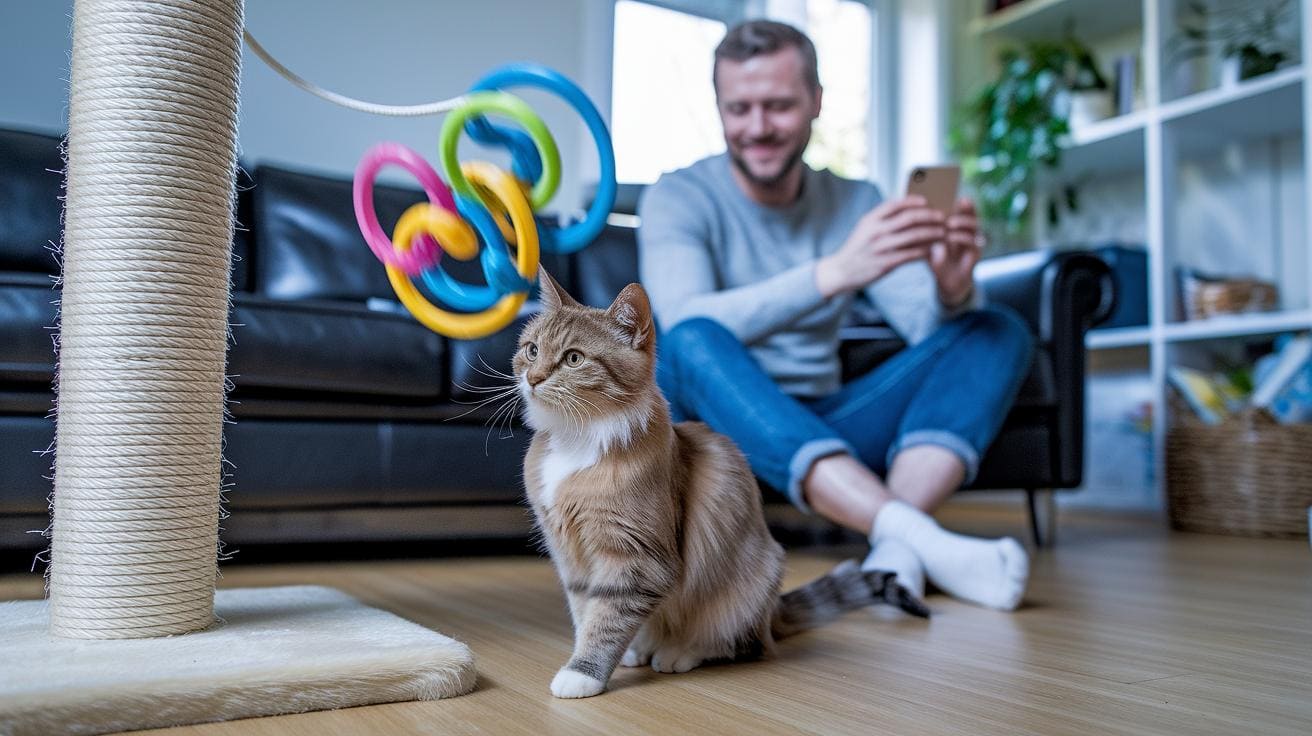
Ever watched your kitty chase shadows and then crash on the sofa? You might think they can snooze all day and still be happy. But playtime is what lights up that pouncing spirit, gives claws a workout, and keeps surprise ankle attacks at bay.
Short bursts of chase – batting a plush mouse or waving a teaser wand (like a fishing pole for cats with feathers) – really do the trick! Zoomy kittens crave lots of quick games. Crepuscular adults love a dawn or dusk workout. Gentle seniors prefer sweet, short sessions.
Next, we'll explore how many daily mini-playdates each life stage needs so your furball stays fit, curious, and totally feline fine.
How Often Should Cats Play Each Day: Age-Based Daily Play Frequency
Ever wonder how much playtime your kitty needs? It depends on their age, you know.
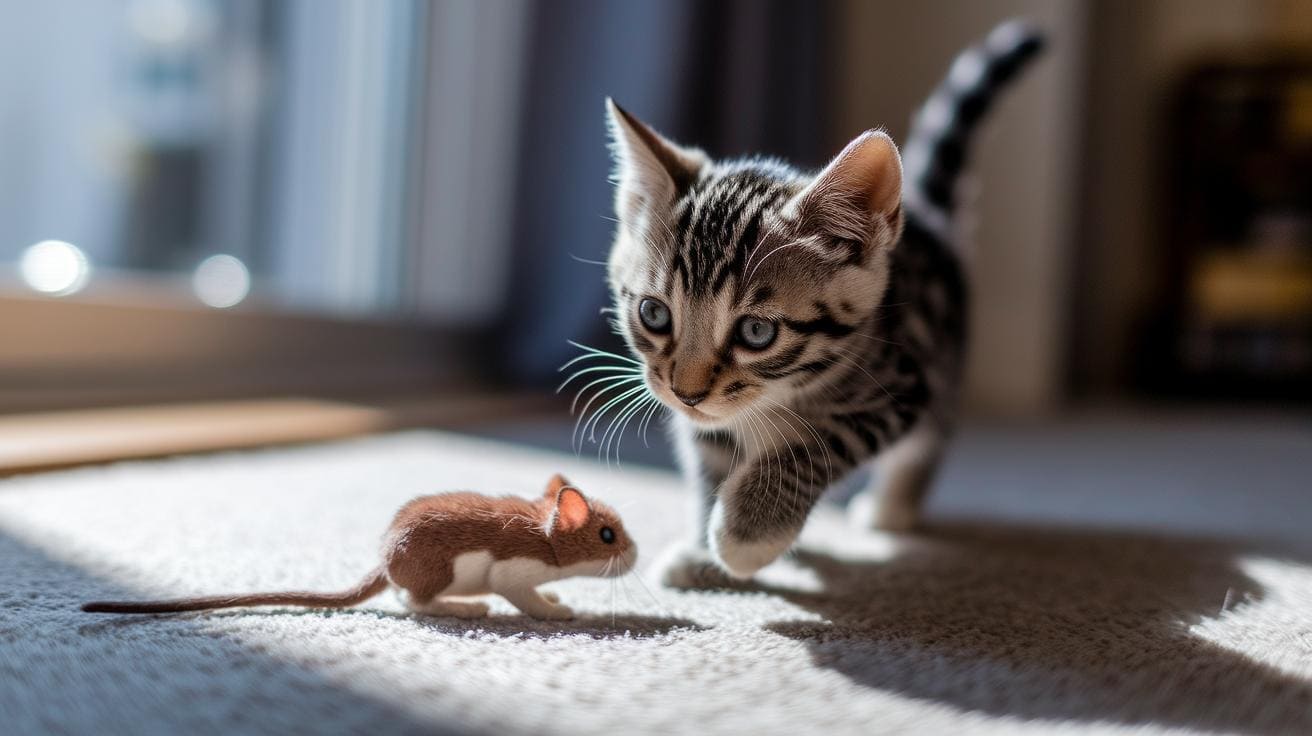
Kittens have boundless zoomies. They thrive on three to five quick play breaks each day, just 10 to 15 minutes a pop. They’ll bat at a crinkle ball (a noisy, fun bouncy toy), pounce on a toy mouse, then crash for a nap. It’s snack-sized exercise that taps into their natural hunting urges and keeps boredom away.
Adult cats shine with two play sessions daily. Aim for 15 to 20 minutes in the morning and another 15 to 20 minutes at dusk, totaling 30 to 40 minutes of fun. Grab a feather wand (like a fishing rod for cats), a laser pointer (never aim it at their eyes), or a treat puzzle (a food-based brain teaser). This morning-and-evening routine matches their crepuscular nature (active at dawn and dusk) so playtime feels instinctive, not forced.
Senior cats still need play, um, just in shorter bursts. Try three to four mini sessions of 10 to 15 minutes with gentle wand twirls and low-impact puzzle toys to keep joints limber. These mellow bouts help older kitties stay strong and sharp as they age.
All in all, your cat’s playtime should total 20 to 60 minutes a day, split into 10 to 15 minute chunks. One session at sunrise, another at twilight, and maybe a quick game between meals. Matching play frequency to your cat’s age gives them just the right dose of joy every day.
Worth every paw print.
Factors Influencing How Often Cats Play Each Day
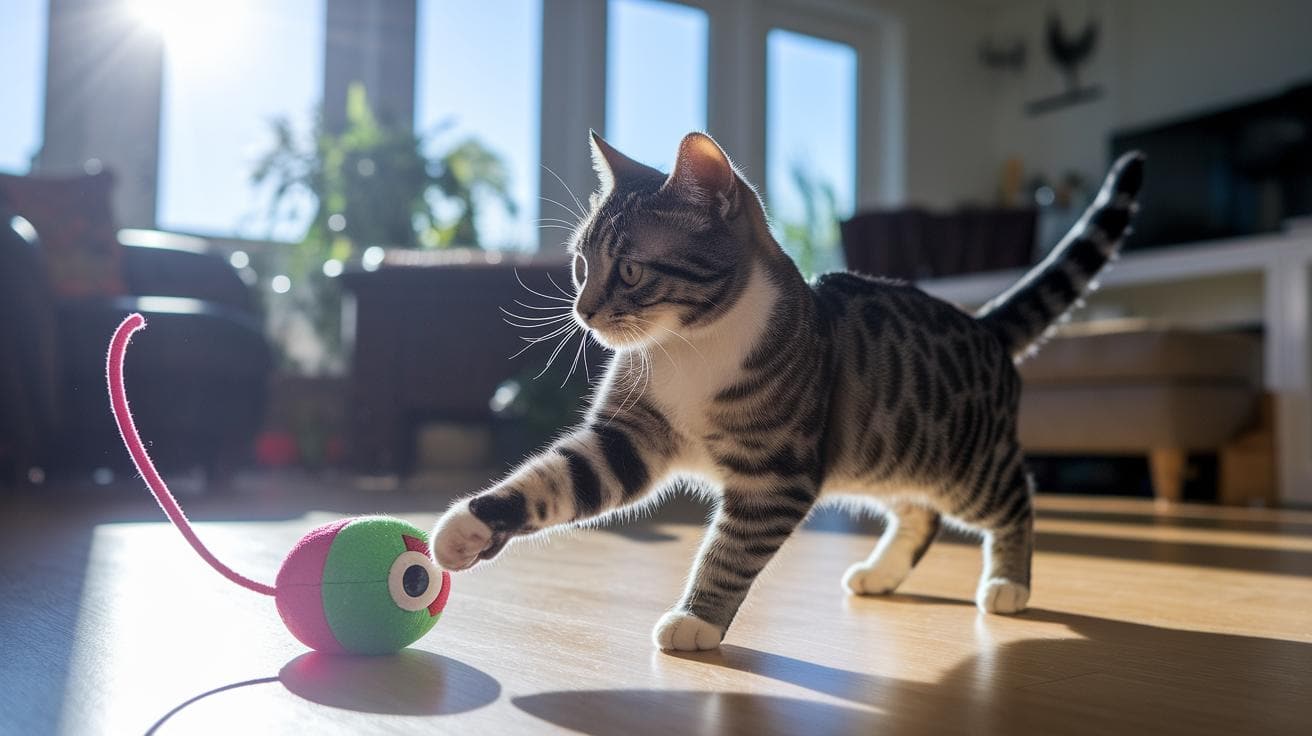
Playtime is more than just fun. It taps into your cat’s hunting instinct, keeps muscles toned (think of those graceful leaps), and sharpens their mind. And it breaks up the day so your furball stays curious. There’s something purr-fect about hearing the soft thud of a rolling ball.
Every kitty hits its own play sweet spot. You can spot feline boredom by sudden restlessness or surprise sofa ambushes. Then it’s time to bring out the toys.
- Breed and personality: some cats zoom like race cars; others drift along like lazy clouds.
- Play style: batting a crinkle ball solo versus chasing feathers on a wand with you.
- Health status: overweight cats (nearly 60 percent of U.S. cats) might need slow warmups. Cats with arthritis (joint pain) or heart conditions (a weak heart) often do better with shorter, gentler sessions.
- Energy swings: a high-energy breed may demand extra bursts. A laid-back lounger might be happy with fewer rounds.
Ever catch your tabby just staring at a toy? That’s your cue to give them a nudge. Slowly build playtime from five minutes up to fifteen if they seem into it. For older or less spry cats, chop sessions into mini bursts, three or four quick games of ten minutes each works wonders.
Playing also deepens your bond. You’re not just tossing a toy; you’re matching their wild side while they teach you patience. That’s joy for paws and people alike.
Worth every paw-print.
Play Session Duration and Ideal Timing for Daily Cat Play
Ever watched your kitty’s whiskers twitch as it hunts for dinner? Try giving a puzzle feeder before meals to mimic that hunt-eat cycle. Your cat swipes at hidden kibble (tiny dry food morsels tucked into a toy), then settles down for a calm meal. It’s like letting them catch their dinner twice, feline fine, right?
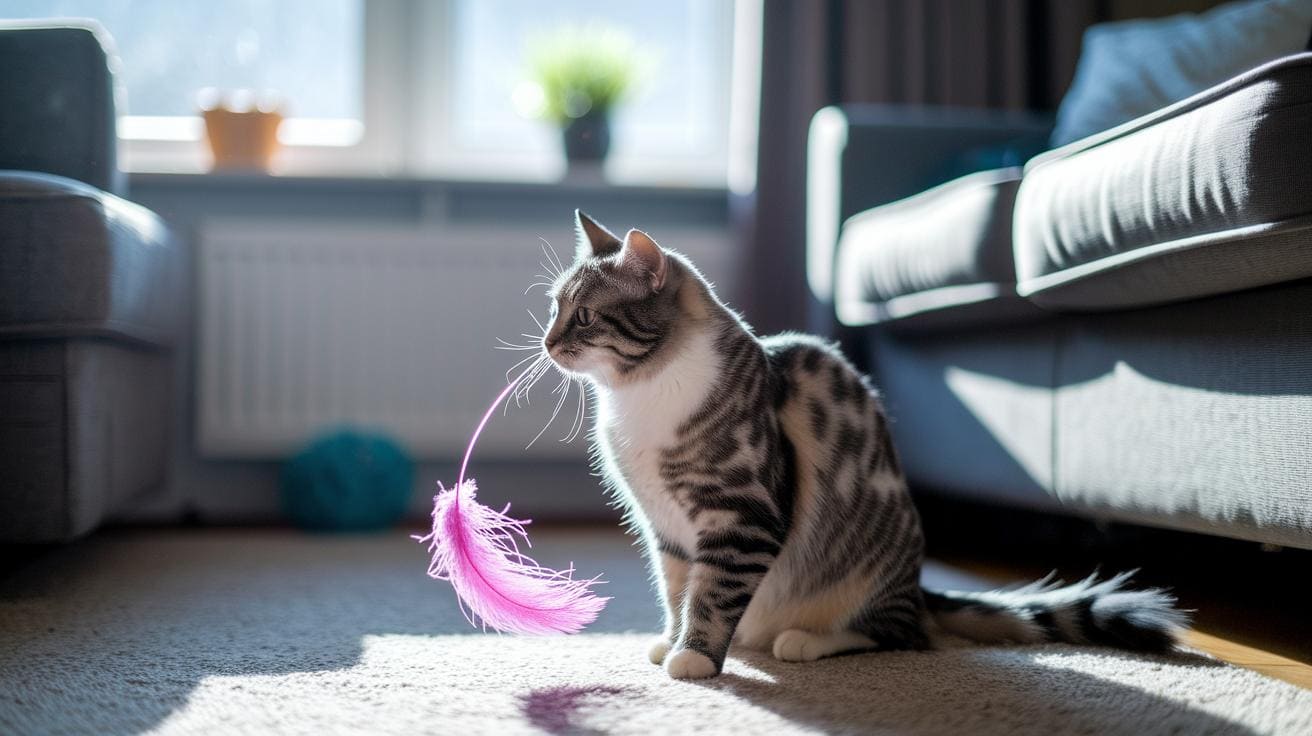
After they finish eating, spark a short play burst. Toss a teaser wand or roll a ball so they can chase and pounce. This little workout helps their digestion and keeps extra calories in check. And yep, that means fewer surprise zoomies in the kitchen.
End each mini-session on a high note. Let your cat snag a plush toy mouse or a crinkle ball for the big catch. The soft thud of victory under their paws builds confidence and keeps them purring for more. Worth every paw-print.
How Often Should Cats Play Each Day Joyfully
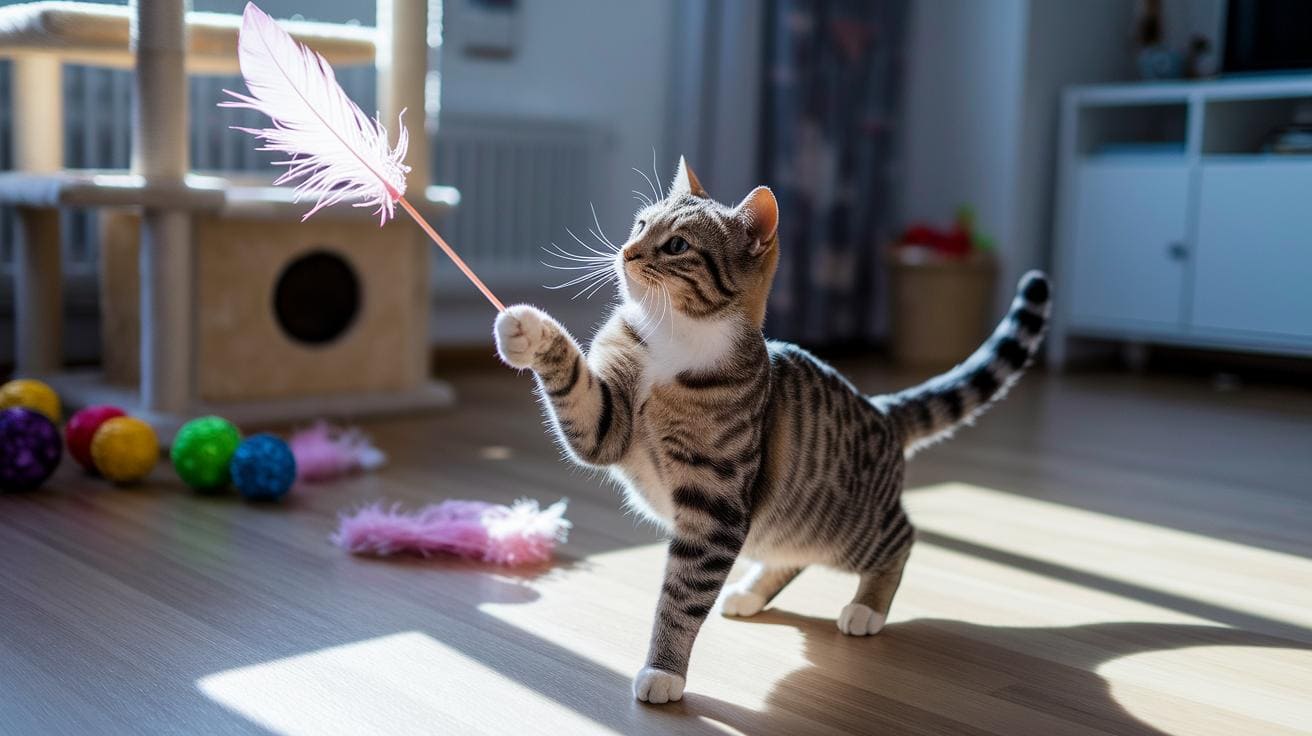
Want a happy, healthy cat? Mix play you join with toys they can chase on their own. A feather wand (tiny fishing pole for paws) gets your kitty leaping and swatting. And when you’re busy, a puzzle feeder (toy hiding treats) or a wind-up mouse keeps them entertained. Try both every day so play never feels the same.
Interactive cat toys:
- Feather wand: darting feathers that mimic bird wings and spark wild leaps.
- Laser pointer (never shine in eyes): that zippy red dot your cat can’t resist chasing across the floor.
- Wind-up mouse (tiny motor inside): it scurries under furniture like a real little prey.
- Treat-feeder puzzle (compartments hiding snacks): turns snack time into a fun brain workout.
Self-play opportunities:
- Plush prey, soft mice or birds your cat can bat around solo.
- Crinkle ball (lightweight and noisy): satisfying rustles with every pounce.
- Automatic toy (battery-powered): meanders or zooms when you’re out, fun without you.
Ever watched your kitty stalk a window perch? Layer textures and heights to make the room an adventure. A tall cat tree with a cushioned top is prime bird-watching real estate. Sisal-wrapped scratching post (sisal is rough rope) lets claws dig in just right. And a window perch offers live-action backyard TV.
Rotate or introduce new toys every week or two so each one feels fresh. Tuck extras away and surprise your cat later, watch those eyes light up.
Want safe outdoor fun? A catio (enclosed patio space) or short harness walk lets your fur friend sniff new scents and feel the breeze. Ramps, shelves, and towers add climbing challenges and big stretching spots between levels.
Blend these hands-on and solo games to hit 20–60 minutes of daily play. Your kitty’s whiskers will twitch, muscles will flex, and that clever brain will stay sharp, pure joy in every paw swipe.
Fine-Tuning Your Cat’s Play Routine
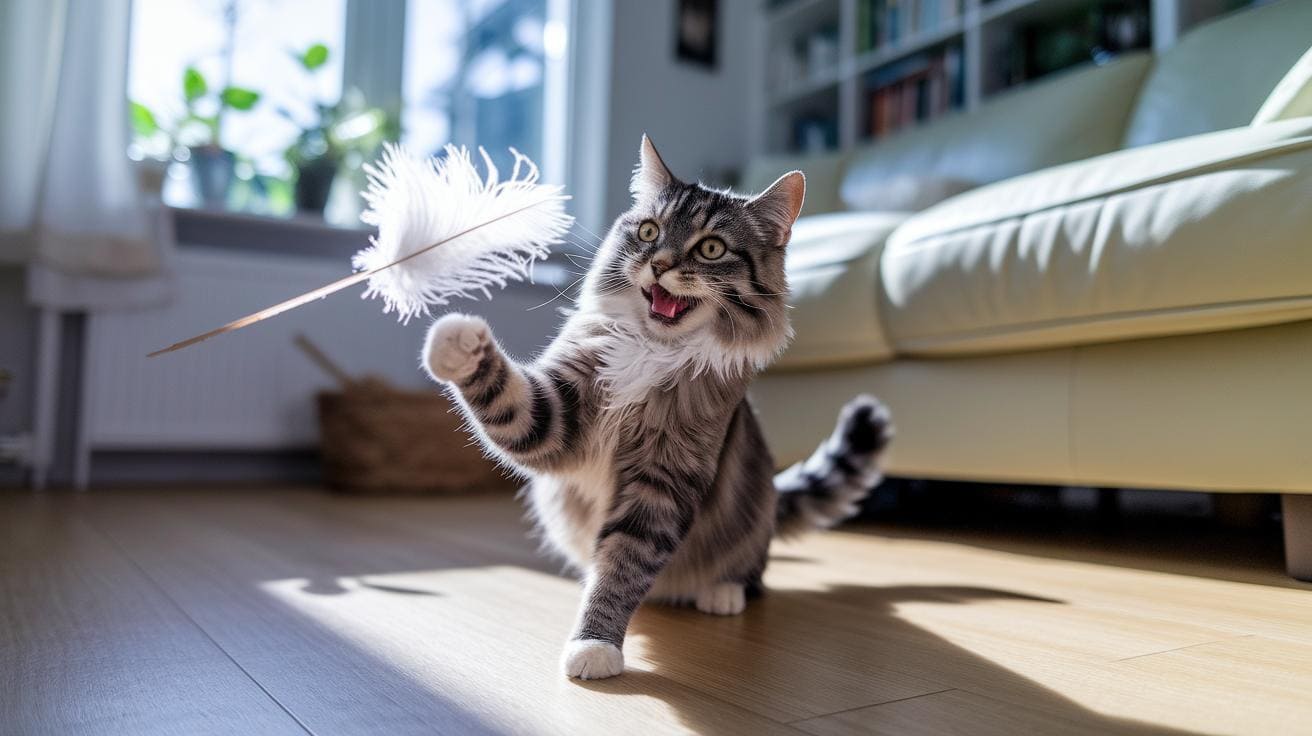
Oops, we’ve given these play pointers a makeover (sorry about that!). If you’re used to finding hyperactive play ideas here, whisk yourself over to “Health status” for all the zoomie-friendly suggestions.
For our chonky pals (you know, the ones who prefer lazy paw swishes over mad dashes), hop into “Overweight cats.” There you’ll find step-by-step session plans to get them moving at their own pace.
And for older or achy kitties whose joints might complain, we tucked gentle, low-impact fun under the “Arthritis” subsection. Worth every paw-print.