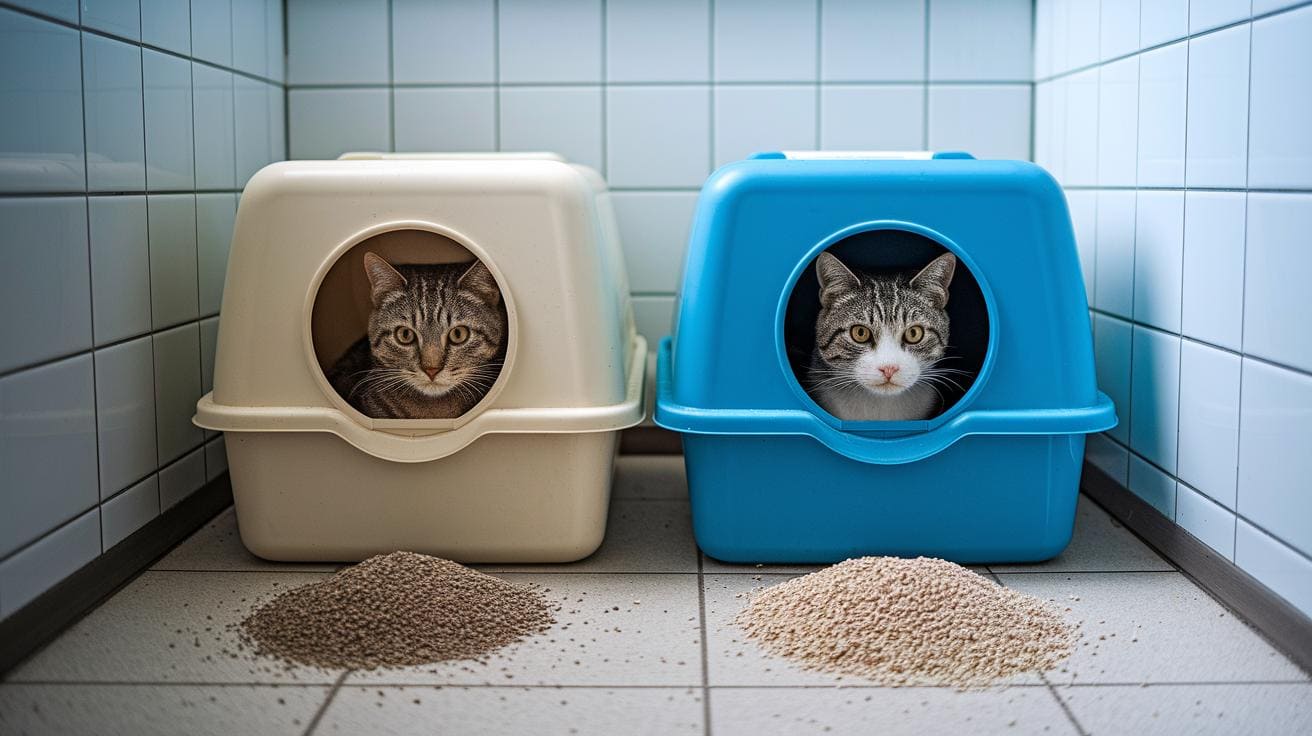
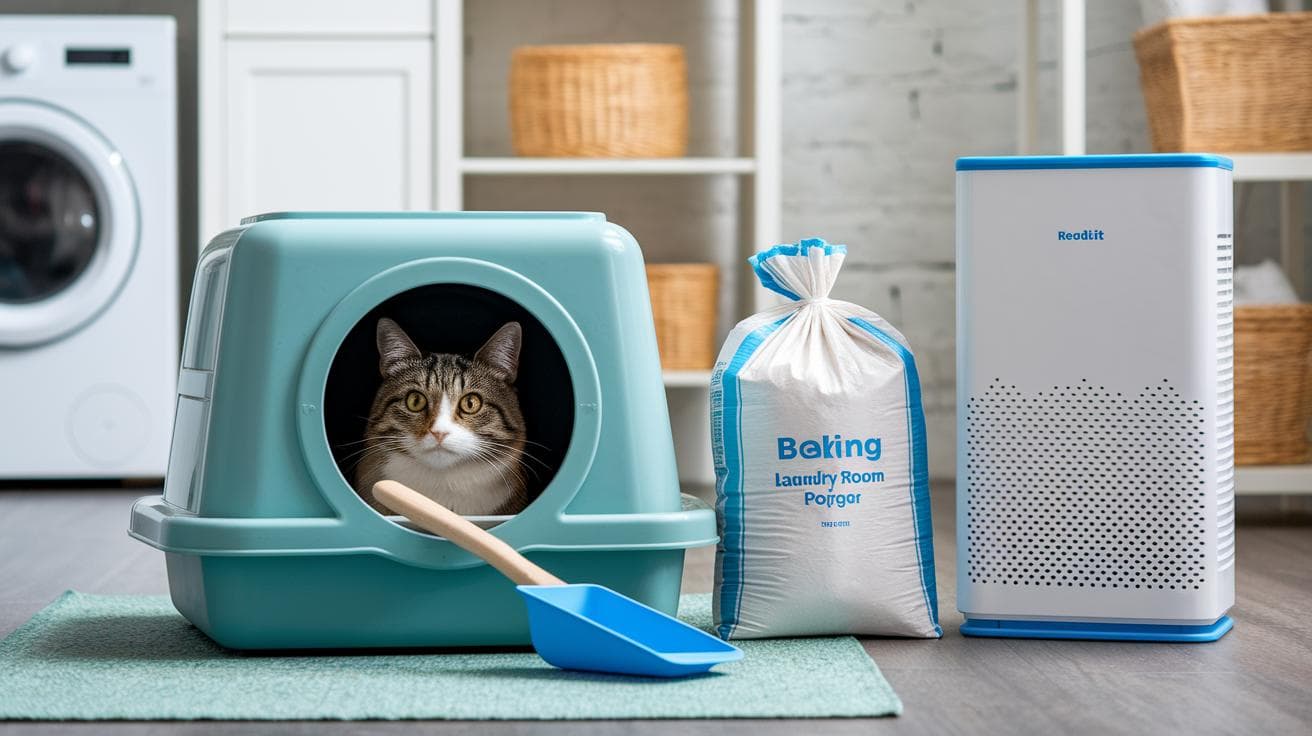
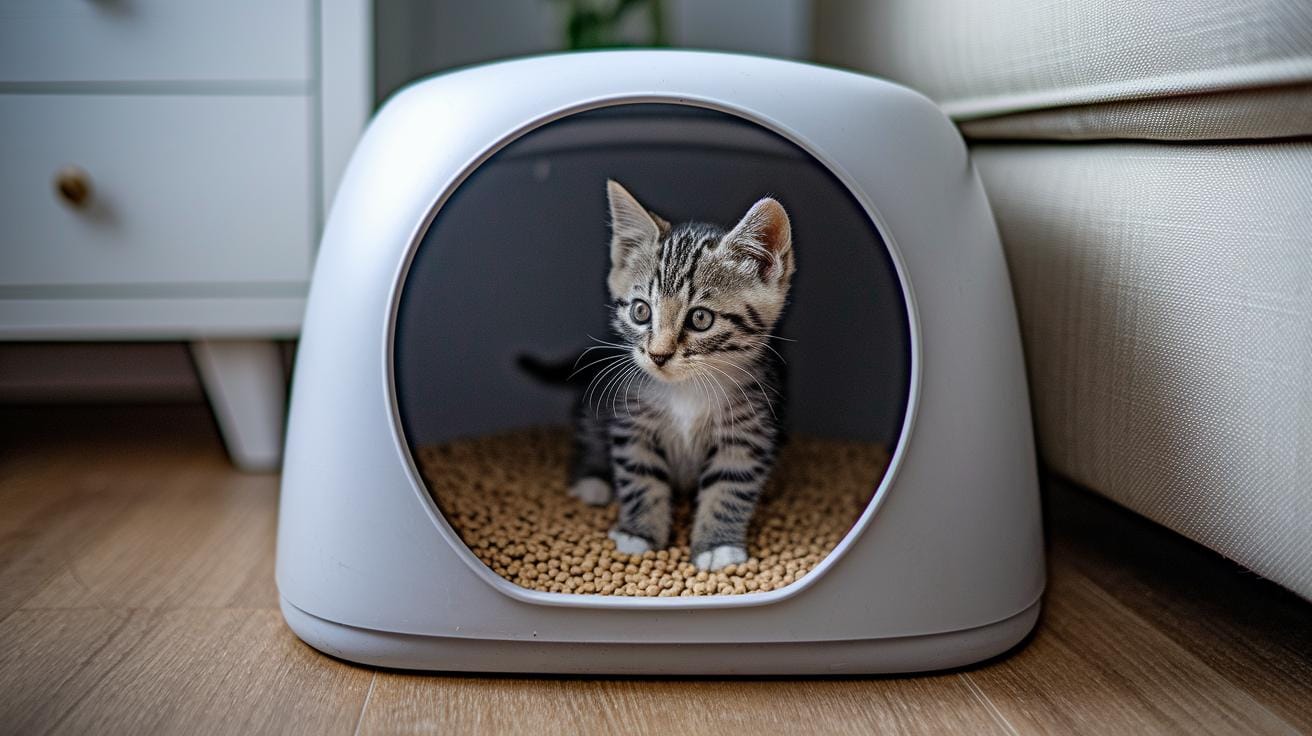
Ever caught a whiff of your cat’s litter box and thought, Uh-oh? Your kitty wrinkles her nose like she just sniffed a lab experiment. You can almost picture tiny paw detectives on patrol for a fresh scent. The stink sneaks up on you in the quietest moments.
But don’t worry, we’ve got a game plan to keep those paws dry and whiskers happily twitching. It’s all about a scoop and fill routine that’s easy to stick with. You’ll spend less time scrubbing and more time watching your furball pounce.
In this guide, we’ll show you scoop tips, swap timing, and a quick hack for busy days. You’ll get routines for clumping clay (clay that forms solid clumps when wet), silica crystals (tiny beads that soak up moisture), pine pellets (compressed wood bits), and a few more fun picks. Oops, did I say fun picks? I mean litter box essentials, of course.
Ready to make litter duty totally purr-fect?
Quick Answer: Litter Change Frequencies
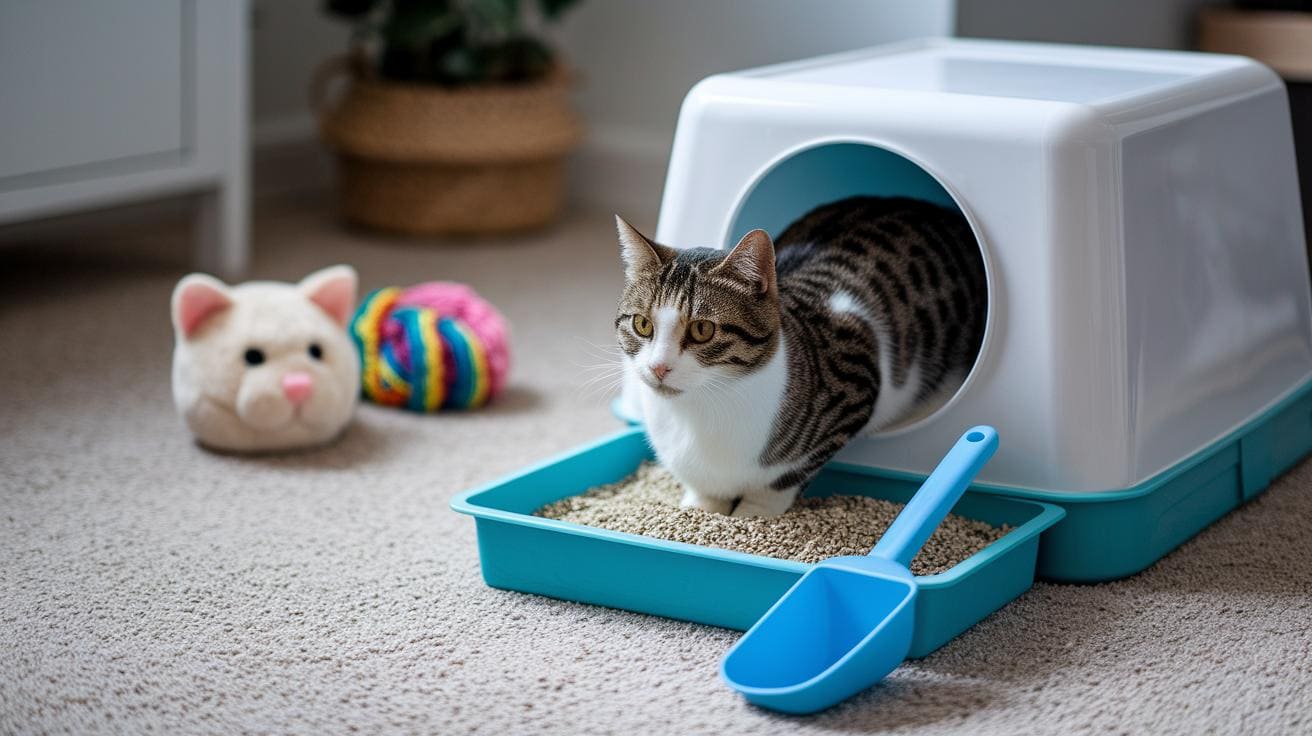
Ever peek at your kitty giving you the stink eye because their box is, uh, less than fresh? Keeping up with scooping and swapping can feel like a chore, but it’s worth every paw-print. Here’s a super-simple rundown for solo cats or a whole clowder.
- Clumping clay (litter that sticks into easy-to-scoop clumps): scoop daily. Then swap out all the litter every 2–4 weeks for one cat, or every 1–2 weeks if you’ve got multiple furballs.
- Silica crystals (tiny gel beads that trap moisture and smells): stir and scoop daily, then refresh the whole batch every 3–4 weeks.
- Pine pellets (wood bits that crush into soft sawdust): pull out the used bits each day and dump in fresh pellets once a week.
- Paper (cellulose) litter (recycled paper pellets): toss it all every 3–4 days to keep odors at bay.
- Self-cleaning boxes: they do the scooping for you, but don’t forget a full pan rinse once a month.
Keep reading for purr-fect details by litter type, household size, and those trickier special cases.
How Often to Change Litter Based on Litter Type
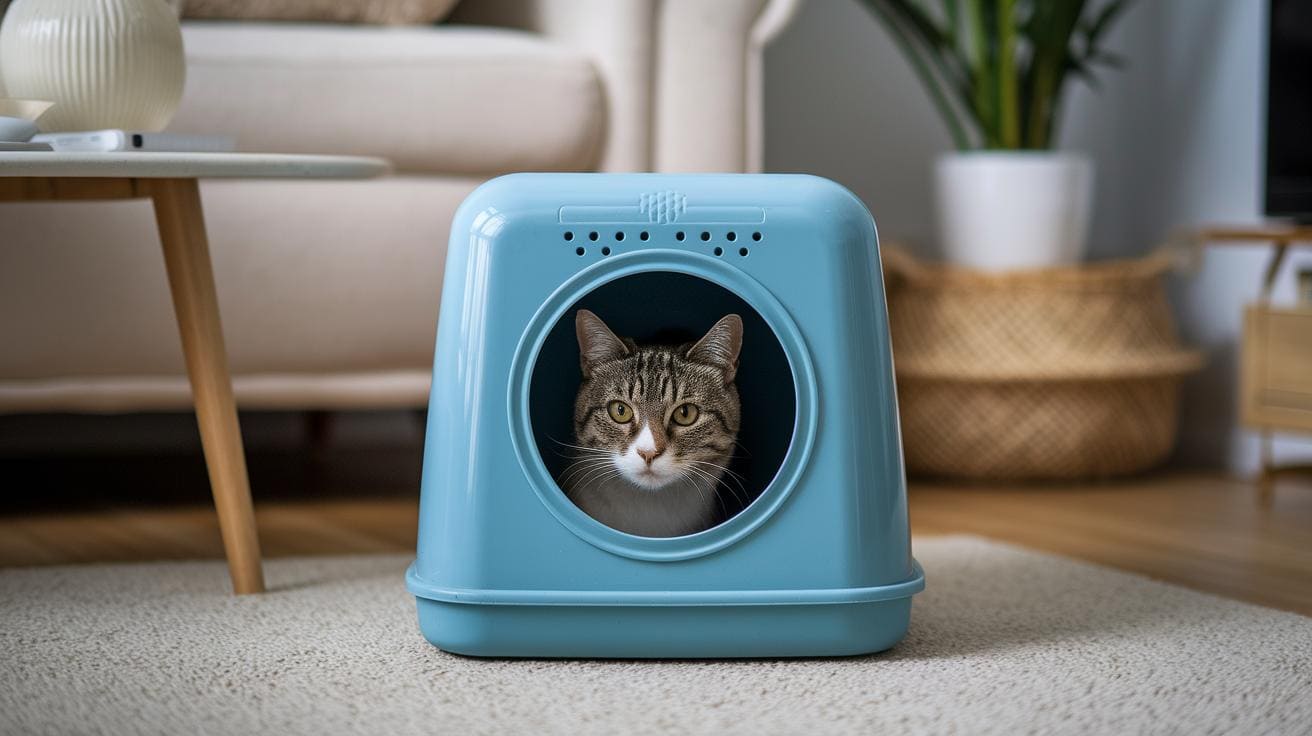
For clumping clay, silica crystals, pine pellets, and paper litter, follow the routine in the quick answer above. Now let’s chat about non-clumping clay (plain clay that soaks up liquid but doesn’t form clumps) and share some pro tips on dust, allergies, and keeping multi-cat smells in check.
Advanced Maintenance Guide
Non-Clumping Clay Routines
Check the box twice a day. Scoop up any wet spots right away since this clay turns into muddy paste fast. Dump all the litter and rinse the box every seven days or whenever the bottom feels damp. Your kitty will thank you with happy, dry paws.
Dust and Allergy Concerns
Clay dust can drift up like a little gray cloud. Open a window or turn on a fan when you scoop so you’re not breathing it in. Lay a mat under the box to catch stray granules. Ever have a sneeze fest? Try a low-dust formula or scoop with a fine mesh strainer (it traps the powder).
Tackling Multi-Cat Odor
More cats mean more ammonia smells. Give each furry friend their own box plus one extra. Every two weeks rinse the boxes in hot water, skip the soap so you don’t leave a scent pets hate. Before you pour in fresh clay, sprinkle a thin layer of baking soda (think odor-locking magic). Still smell a whiff? Swap out the whole box mid-week. Your cat’s whiskers will twitch in relief.
Recognizing Signs That It’s Time to Change Litter
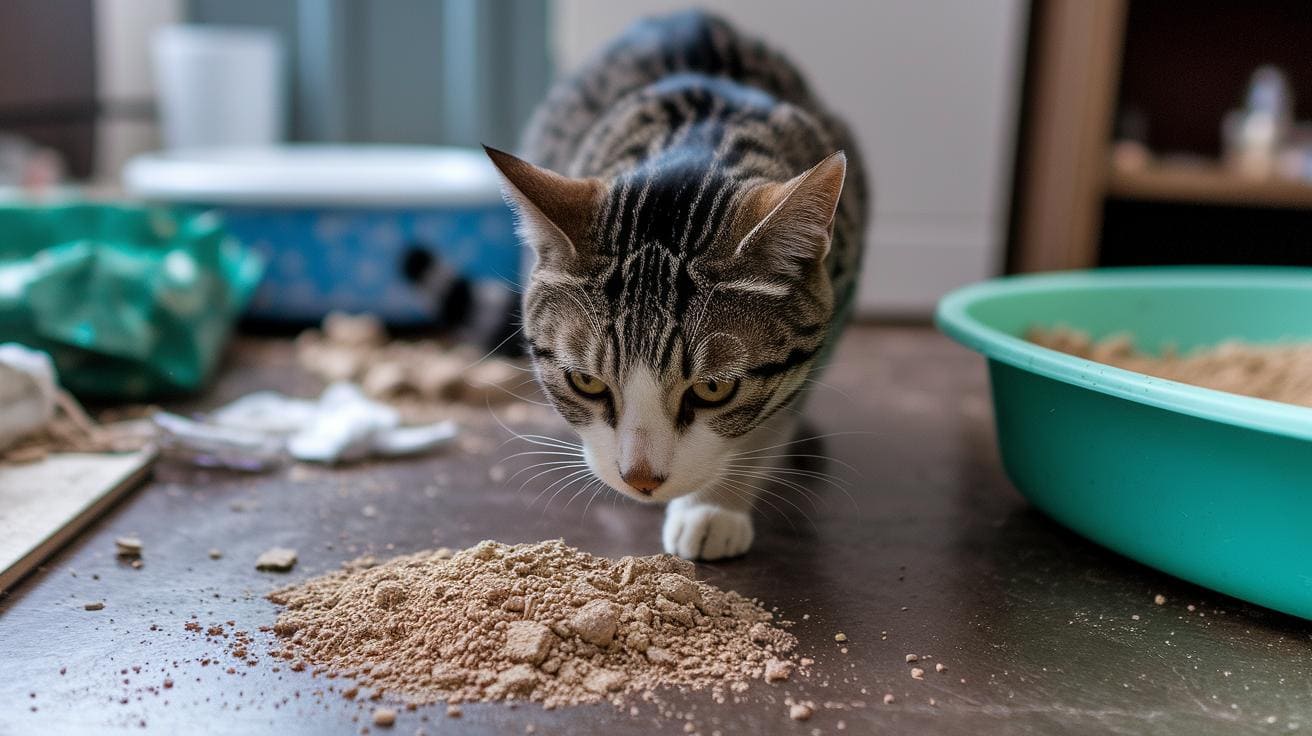
Ever watched your kitty circle the box, sniff, then walk away? That’s your cat saying the litter box is off limits. Cats are picky about their potty spot. Time for a litter refresh before they try the carpet instead.
When you catch a bleachy, sharp ammonia (strong cleaning chemical) scent, uh, that’s your nose’s warning. Your nose stings! It means harmful levels are building up inside the box. Better scoop out and add fresh litter for a happy kitty.
Clumps are like early warning bells. If you see hard bits piling up or smeared along the bottom, your litter’s done. And if you dig in to find pooled (standing liquid) spots that vanish under the scoop, it’s waterlogged (soaked) and can’t trap odors anymore. Toss it and start fresh.
Watch the color and feel too. Gray-green or fuzzy patches mean bacteria (tiny germ) or fungus are growing. Dusty granules flying onto the floor or stuck to your cat’s paws show they’re avoiding a dirty box. Fresh, clean litter keeps whiskers happy, paws clean, and noses twitching in approval.