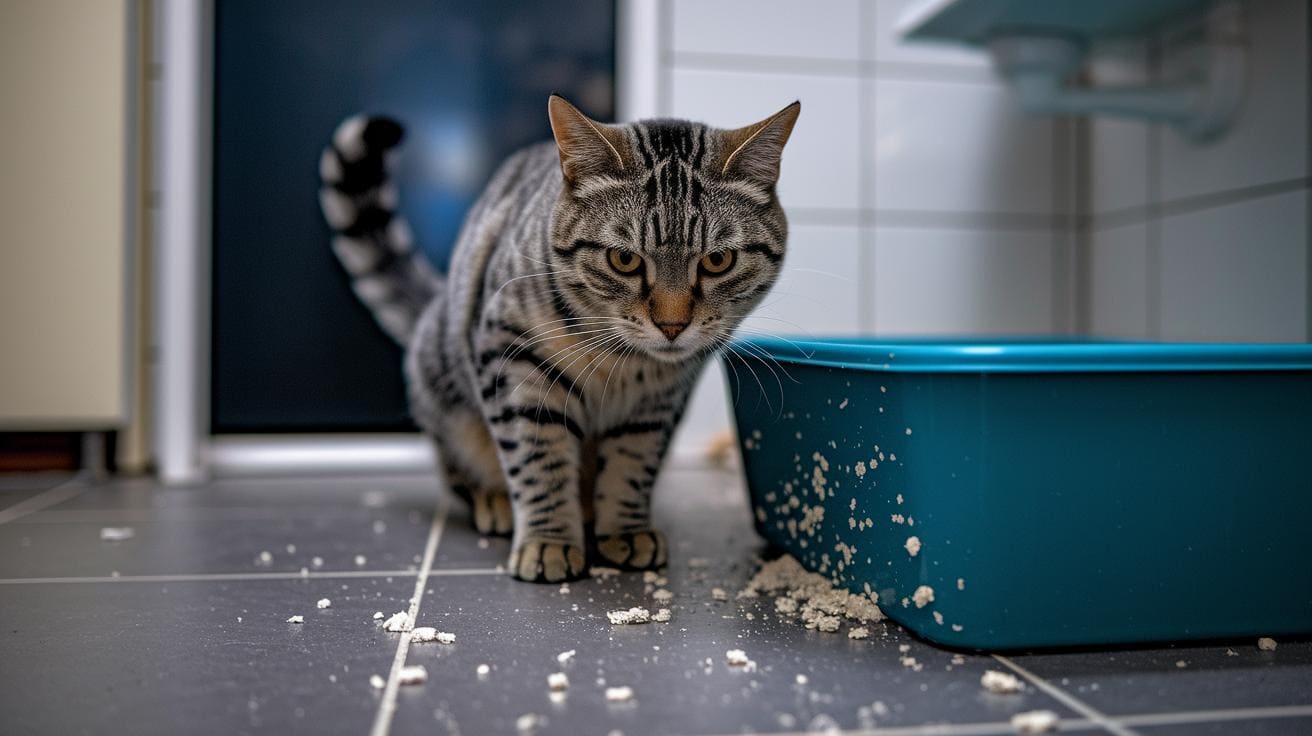
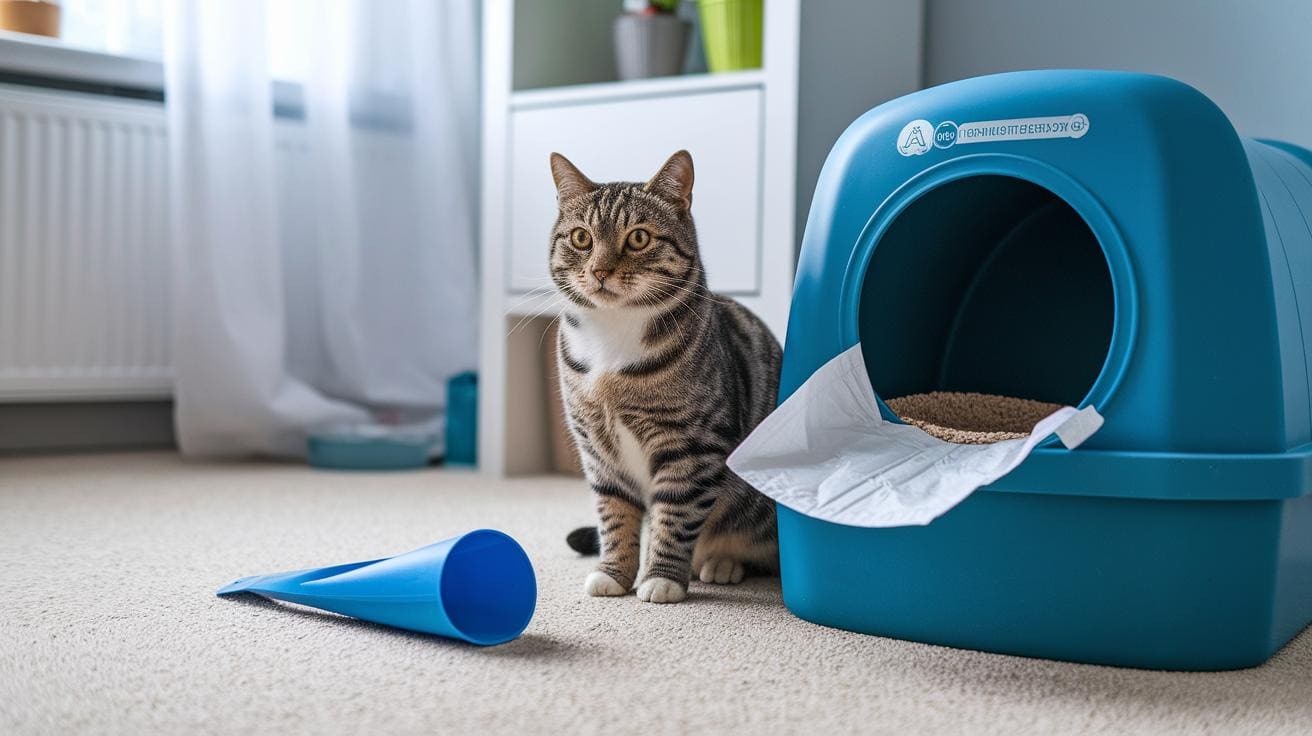
Ever watched your cat freeze at a brand-new litter box? It’s like they think it’s a spaceship landing in the living room.
But um, don’t rush. We’ve got a four-step plan. First, mix in a bit of their familiar litter (the soft granules cats use to do their business). Then slide the box a tiny bit closer each day and cheer every curious sniff.
Next, offer a treat or a gentle ear rub when they finally give it a try. Before you know it, those whiskers will be twitching with confidence.
Really. In just a few days, your kitty will use the new box like it’s been there forever. And your floors? Totally accident-free.
Step-by-Step Litter Box Transition Plan
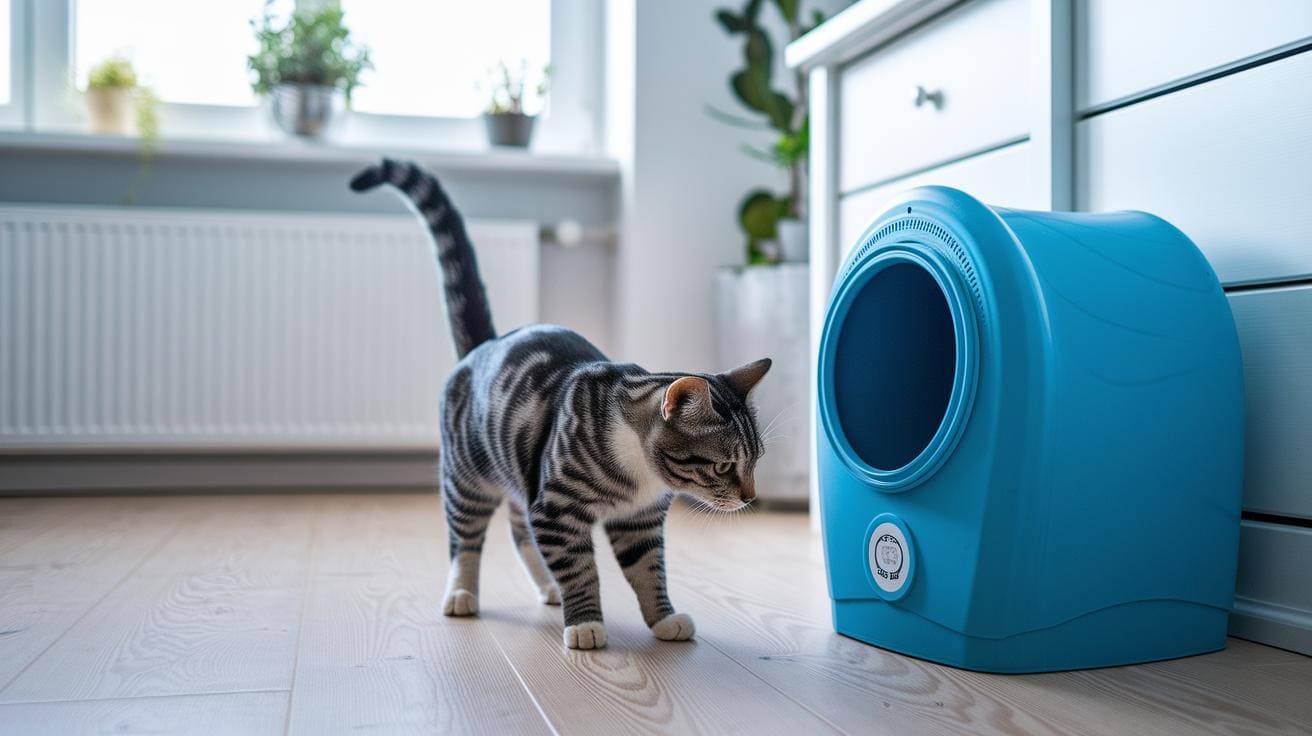
Switching litter boxes can feel like a big deal for cats. So here’s a simple roadmap to keep those whiskers twitching and avoid messy accidents. We’ll use four easy phases, mixing a scoop of old litter into the new litter (the stuff your cat digs in) so your kitty always smells something familiar. You’ll learn how to set boxes side by side, slide them bit by bit, and retire the old one at just the right moment.
- Days 1–3
- Days 4–7
- Days 8–10
- Day 11+
Days 1–3:
Pop the new tray right next to your old one. Fill it most of the way with the same litter your cat already loves. Then drop one teaspoon of used litter (the stuff with your cat’s scent) into the new tray so that familiar scent invites exploration. Leave the old box alone and let your cat sniff, paw, and even take a test-go. Ever watched a tail flick in curiosity?
Days 4–7:
Now start shifting the new tray a few inches each day toward its forever spot. Keep sprinkling in a bit of old litter so it never feels totally weird. Scoop both trays every morning, get rid of clumps (solid chunks of waste) and freshen up the scent. Your cat loves that clean, inviting feel.
Days 8–10:
Scoop the old tray only every other day, but scoop the new one daily to keep it extra inviting. If an accident happens, wipe the mess with a bio-enzyme cleaner (a pet-safe spray that eats odor) so your kitty won’t be tempted to go back. This way the new box always smells fresh. By now, your cat’s curiosity should be fully switched.
Day 11+:
Once your cat hops into the new tray two days in a row, tuck away the old box. Put the new litter box in its forever home. If it has a cover or hood, snap it on now that your kitty feels confident. Reward that success with a treat and a cheerful “good kitty.” Then keep it simple: scoop in the morning and at night, and swap out all the litter once a week. A little patience, some tasty rewards, and careful cleanup will make this swap a real purr-formance winner.
Selecting an Appropriate Litter Box and Substrate for Adult Cats
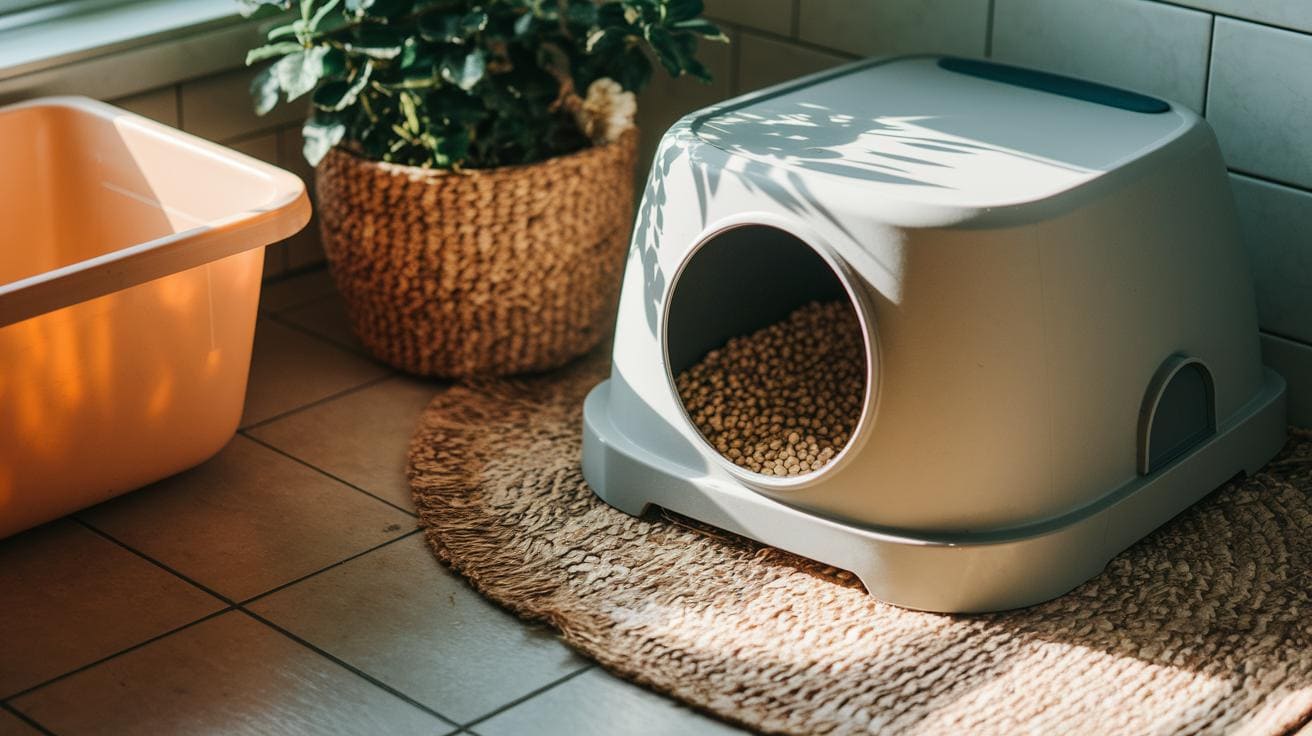
Is your cat a litter connoisseur? If they love the same litter, stick with it, it’s a quick win for both of you. But if you have to test a new kind, stir in a spoonful of their usual each day. That way the fresh scent sneaks in slowly and never feels totally odd to their nose.
Avoid any litters with laundry-strong fragrances. Um, most kitties really dislike that nose-bracing stuff. Really.
For older cats or fur-friends with stiff joints, pick a low-entry box. Think of a shallow pan they can just step into, no high walls to scale. An open tray also works, it keeps the whole scene in view so your cat feels secure. Ever seen a senior kitty freeze at a deep-sided box? This simple swap can make potty time purrfectly easy.
Hate finding litter all over the floor? Try a non-tracking option. Crystal silica granules (tiny moisture-trapping beads) won’t cling to paws and help lock in dampness and odor. Paper pellets (compressed paper nuggets) feel softer underfoot, your cat’s whiskers will twitch with approval, and they won’t scatter everywhere. Your vacuum will thank you after every sweep.
If you’re eco-minded, check out biodegradable litters from wood chips (plant shavings), corn kernels, or wheat bits. Wood chips soak up smells naturally. Corn-based litter clumps nicely for easy scooping. And wheat bits break down in your compost bin later. Light on chemicals, gentle on paws, and odor control without room-filling perfumes.
Optimal Placement for Your Cat’s New Litter Box
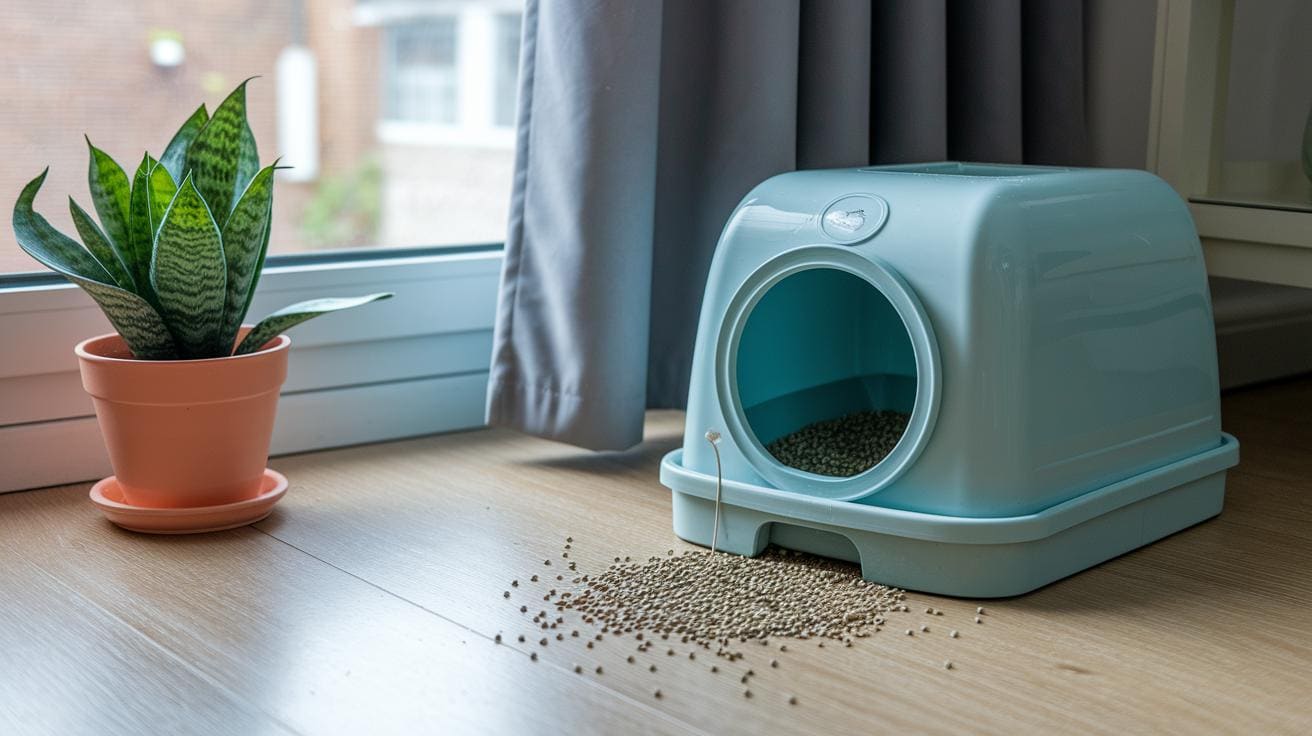
It’s all about comfort. If your old litter box was tucked under a table or by a quiet wall, put the new one there too. That familiar spot feels like home. Your cat’s whiskers will tell them, “This is mine.”
At first, set the new and old boxes side by side. It helps kitty sniff out the new spot without a surprise. No slamming doors, roaring washers, or hallway echoes. Ever seen your cat freeze when footsteps thunder by? Not a fan.
Corners make perfect little hideouts. Tuck the box beside a low cabinet or behind a chair so your cat has privacy. It’s like their own secret clubhouse.
And fresh air is key. Crack a window or leave a tiny gap under the door so ammonia (stinky waste gas) doesn’t build up. Kitty’s nose, and yours, will thank you.
Worth every paw-print.
Behavior-Based Tips to Encourage New Litter Box Use

Ever watched your kitty’s whiskers twitch as they explore a fresh tray? When they hop in and do their business, softly say “good kitty” and slide a tiny treat by their paws. That quick reward turns this spot into a potty party.
Really.
After meals, nudge your cat into the new box. Food time and bathroom time go paw in paw. It helps them link “I eat here, I go here.” You’ll be amazed how fast they catch on.
Plug-in pheromone diffusers (devices that release comforting cat signals) can calm jittery felines. Just set one near the litter station. It’s like a scent hug whispering, “You’re safe here.”
If an accident happens, never scold. Calmly pick up your cat and guide them to the new tray. Then clean the spot with a bio-enzyme cleaner (breaks down odors). That freshens things up and stops them from marking indoors.
First, leave any covered entry door off so your cat can see inside and step in freely. Once they’re slipping in with confidence, reattach the cover in steps, door on, door off, door on, and watch their confidence grow.