How-to Get a Cat to Drink More Water

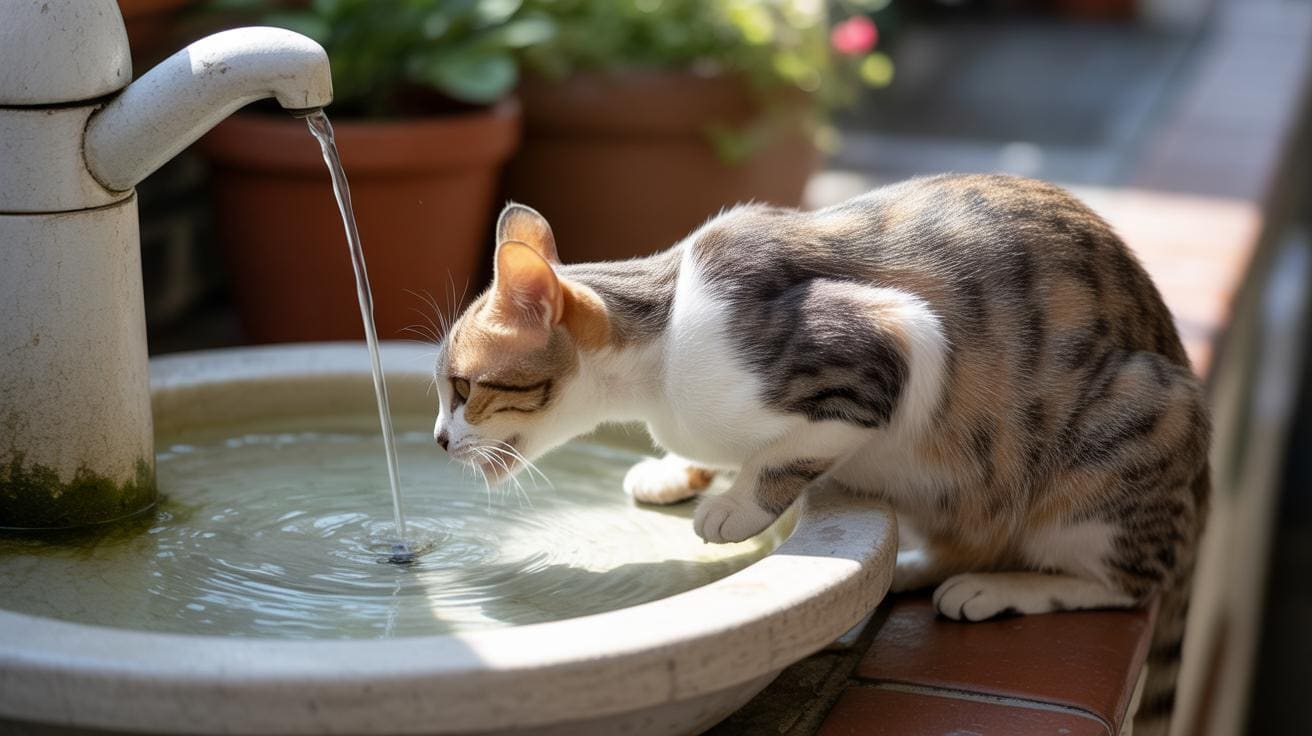
Think your cat drinks enough? Most cats don't sip nearly as much as they should. A thirsty cat is sneaky. It takes tiny licks, whiskers twitching as beads of water roll off the rim. Ever watched yours ignore a full bowl but go wild for a dripping faucet? I have, Luna did that, and it was equal parts hilarious and worrying.

Here’s a simple, low-stress plan you can try right away. Put out fresh, wide bowls (wide so whiskers don’t rub the sides). Add a second, quiet water station in another room. Try a pet fountain (a small pump that keeps water moving), offer a little tuna water (the liquid from canned tuna, in tiny amounts), and swap one meal a day for wet food (canned food that adds moisture). Do these and you’ll see more sips in hours and better drinking habits over days.

Worth every paw-print.

Practical plan that gets a cat to drink more water
- Practical plan that gets a cat to drink more water (Immediate, Short-term, Vet escalation + prioritized quick wins).jpg

Immediate (0-24 hours)
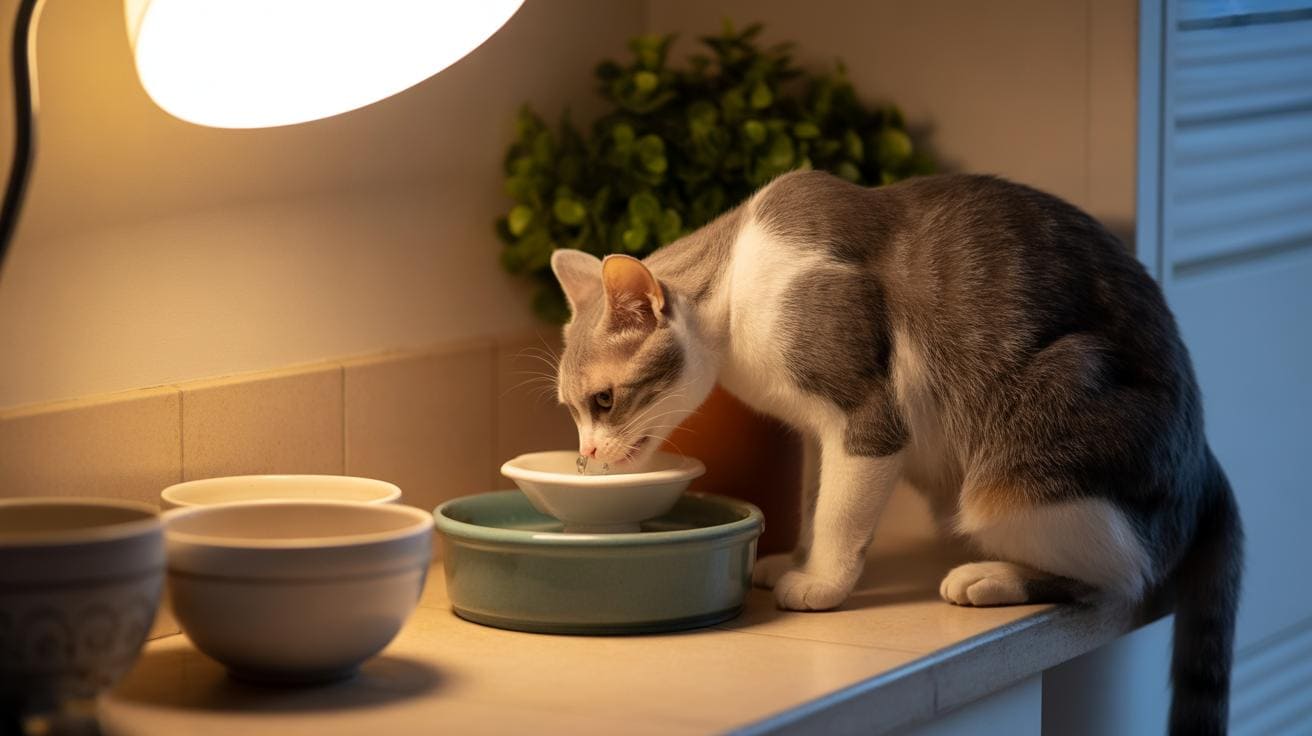
Put out fresh water in a clean bowl and add one extra bowl in a quiet spot your cat can sneak off to. Try a small pet fountain or a slow faucet drip to make sipping more interesting. Keep bowls wide and shallow so whiskers don’t brush the sides, and top them off near the rim if your cat seems picky about whisker contact. Swap the water every day so it tastes fresh , you might see a tiny, hopeful sip within hours.

Quick checklist

  1. Offer fresh water and change it daily.
  2. Add a second drinking station in a calm area.
  3. Try a pet fountain or a gentle faucet drip.
  4. Serve wet food or gently add water to food over a few days.
  5. Use a wide, shallow bowl (whisker-friendly).
  6. Clean bowls daily and keep the fill near the rim if your cat prefers it.
  7. Measure intake: fill once in the morning with 250–500 mL (about 8–17 fl oz) and check in the evening to see how much was drunk.
  8. Offer a little tuna water or low-sodium chicken broth (low salt broth safe for pets) for a short time , stop if your cat turns away or shows an aversion.

Short-term (1-7 days)
Rotate bowl types and locations to see what your cat likes , ceramic, stainless, or plastic can smell or feel different to them. Try different wet-food flavors and textures; some cats prefer pâté, others chunky. If you use a fountain, clean the filter weekly or as the maker recommends (filter = the mesh that traps hair and gunk). These small tests usually tell you what your cat will happily drink from without causing stress. If your cat refuses food or seems upset, go back to what worked before.

Measuring and habit tips
Keep it simple. A consistent morning fill and evening check gives a good idea of daily intake. For busy days, leave out a sturdy bowl or a safe toy that nudges water , that can buy you ten minutes of quiet, hydrated play. Ever watch your kitty hesitate, then dive in? Yeah, it’s oddly satisfying.

When to call the veterinarian
Call your vet right away if your cat is straining to urinate (frequent, painful attempts) or making sounds while trying to go. Get urgent veterinary care within 12-24 hours if there is no urine output, repeated vomiting, collapse, or extreme listlessness. Book a regular vet appointment within 48 hours if low drinking continues despite your changes.

Timing and red flags
Many cats improve in 24-72 hours with these tricks. If you see no measurable change in 48 hours, stop guessing and see the vet. Emergency signs that need immediate attention are no urination for 12-24 hours, ongoing vomiting, collapse, or severe lethargy , those aren’t things to wait on.

How wet food and adding water to meals raises cat water intake
- How wet food and adding water to meals raises cat water intake.jpg

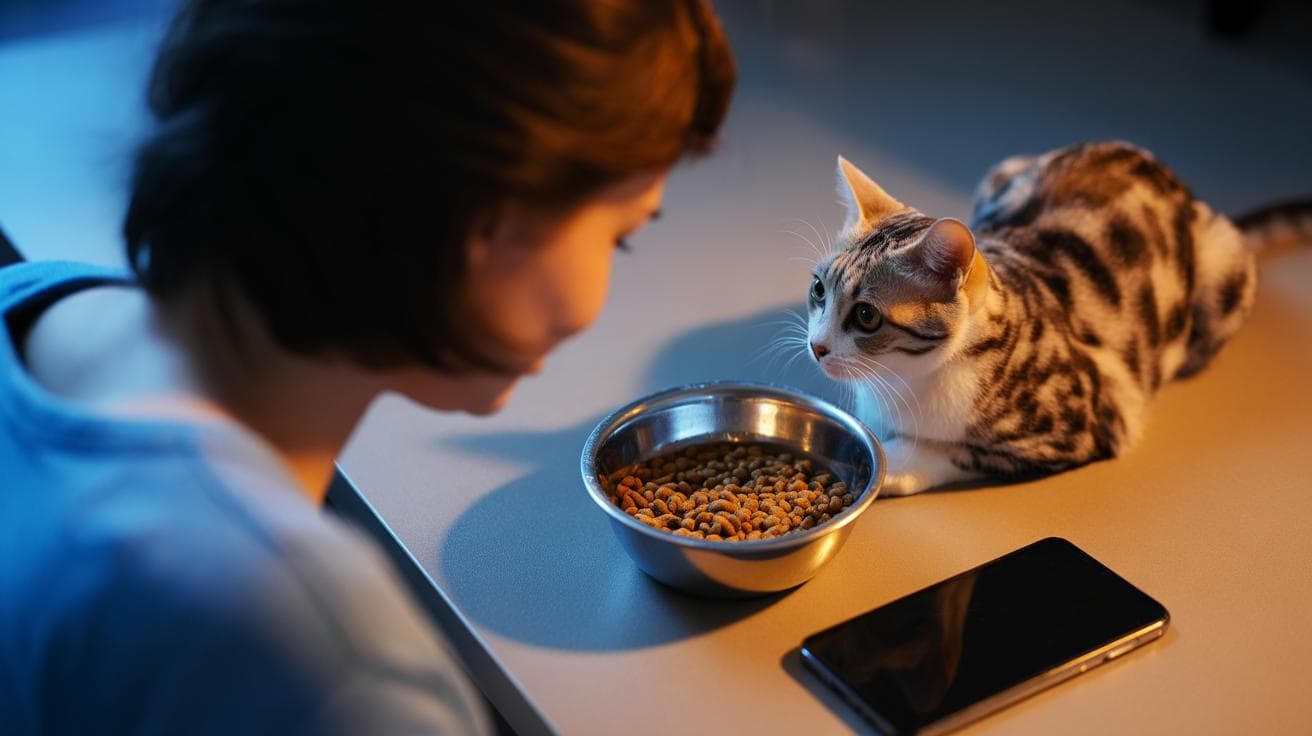
Short answer: canned and pouch wet food (soft food sold in cans or soft packets) is about 70 to 80 percent water (that means most of a meal is liquid), so a cat eating mainly wet food gets a big chunk of its daily water from the food itself. That usually means less separate bowl-drinking, which can help kidney and urinary health. Plus, wet food smells stronger, so picky noses often perk up , your cat might suddenly act like a food critic.

Introduce wet food slowly so your cat doesn’t panic. Start by mixing a spoonful of wet food into the usual meal, then raise the amount over several days to a week while watching appetite and stool. Try different textures – pâté (smooth), gravy (saucy), flakes (shredded bits) – because some cats prefer one feel over another. If your cat refuses or seems off, back the mix down and try another flavor or texture.

Adding water to dry food is an easy next step. For a typical serving, stir in about 1 to 2 tablespoons of warm water per 1/4 cup of kibble (kibble means dry, crunchy cat food) and let it sit 5 to 10 minutes so the pieces soften and soak it up. Increase the water slowly over a few days so the taste and texture change gradually. If your cat stops eating, gags, or seems bothered, stop and go back to the previous routine.

Room-temperature wet food often wins over cold, because warming gently brings out the aroma and makes it more enticing. Check the moisture content on labels (moisture content means the percent of water in the food) when you compare brands. As for how much water a cat needs, a common guideline is about 40 to 60 mL per kg daily (mL means milliliters), though cats on wet diets usually sip less from a bowl. Watch for clear aversion signs – leaving food, sudden vomiting, or a sharp drop in meals – and pause changes if you see them. Worth every paw-print to do this slowly, you know?

Best water bowls, fountain features, and cleaning / fill-level guidance
- Best water bowls, fountain features, and cleaning  fill-level guidance.jpg

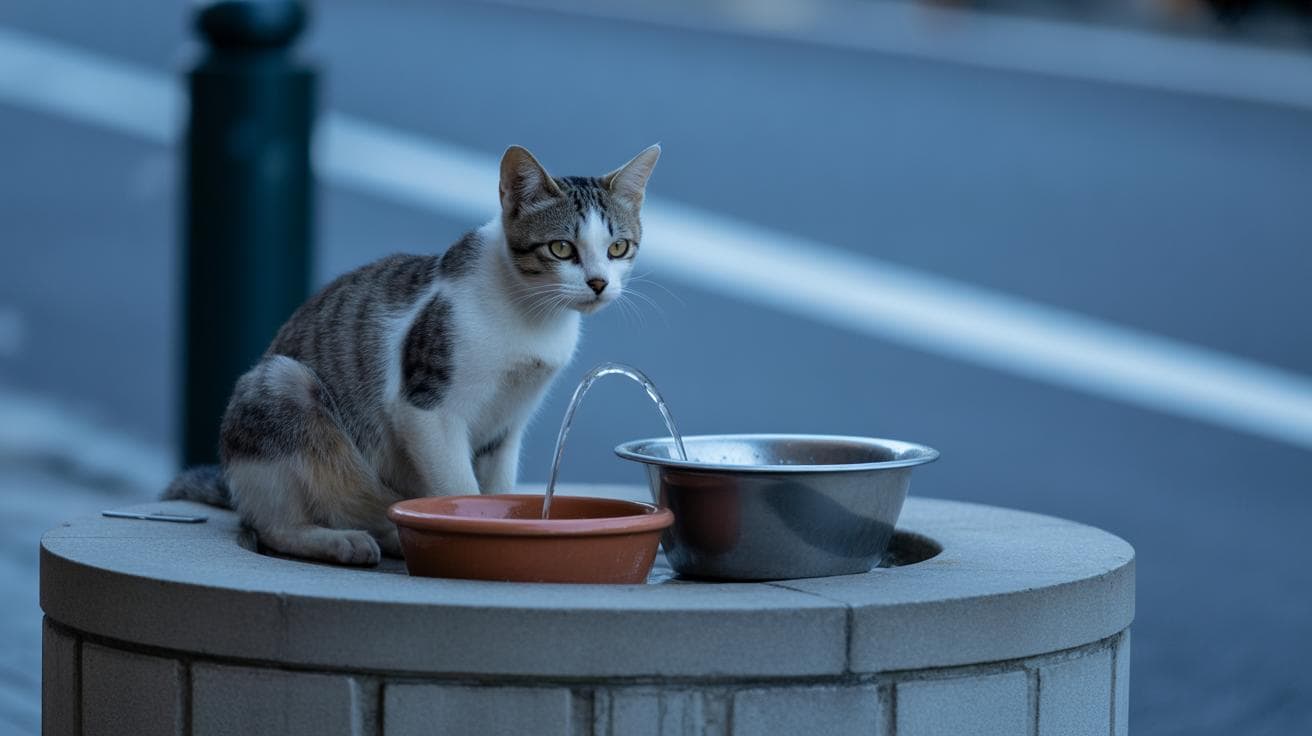
Some cats love fountains because moving water smells fresher and looks like a toy. But fountains have trade-offs. The pump (small water motor) needs power and can fail, filters (paper or charcoal pieces that catch hair and gunk) must be replaced, and parts come apart for cleaning. A plain bowl has zero mechanics and is rock-solid reliable. Try both and see which your cat prefers, knowing fountains take a bit more upkeep.

Clean any drinking dish at least once a week, and more often if you have multiple cats. Take a fountain apart and wash the bowl, spout, and pump housing with mild dish soap, scrub crevices with a soft brush, rinse well, and let everything air dry so no soap stays behind. Swap filters per the product directions, and check the pump for slimy buildup that can slow flow or make the water smell bad.

Pick materials that keep water tasting neutral. Ceramic (fired clay, smooth and temperature-holding), glass (nonporous and easy to sanitize), and stainless steel (a sturdy metal that resists rust) are great choices. Plastic (lightweight but it scratches) can trap odors and bacteria in tiny scratches, so skip chewed or pitted plastic bowls.

Bowl shape and depth matter because of whisker stress. Your cat’s whiskers are super sensitive, and rubbing them on bowl sides can feel uncomfortable. Choose wide, shallow dishes so whiskers clear the edges; saucer-style bowls about 4 to 6 inches across work well. Some kitties actually like water near the rim so they don’t touch the lip while sipping. Ever watched your cat tilt its head and sip like it’s doing a tiny balancing act? Yeah.

For fill levels and multi-cat homes, top bowls up daily and follow fountain reservoir marks so pumps don’t run dry. If you have two or more cats, give them either a bigger reservoir or multiple water stations so no one has to guard the tap. A good rule is one water station per cat plus one extra. Swap the water every day for the freshest taste, small habits, big peace of mind.

Safe ways to flavor and entice cats to drink more water
- Safe ways to flavor and entice cats to drink more water.jpg

Quick note: moving water and room-temperature liquids often tempt picky cats, but those tips belong in the bowls and fountains or wet-food sections. Here we’ll stick to safe flavoring and product advice.

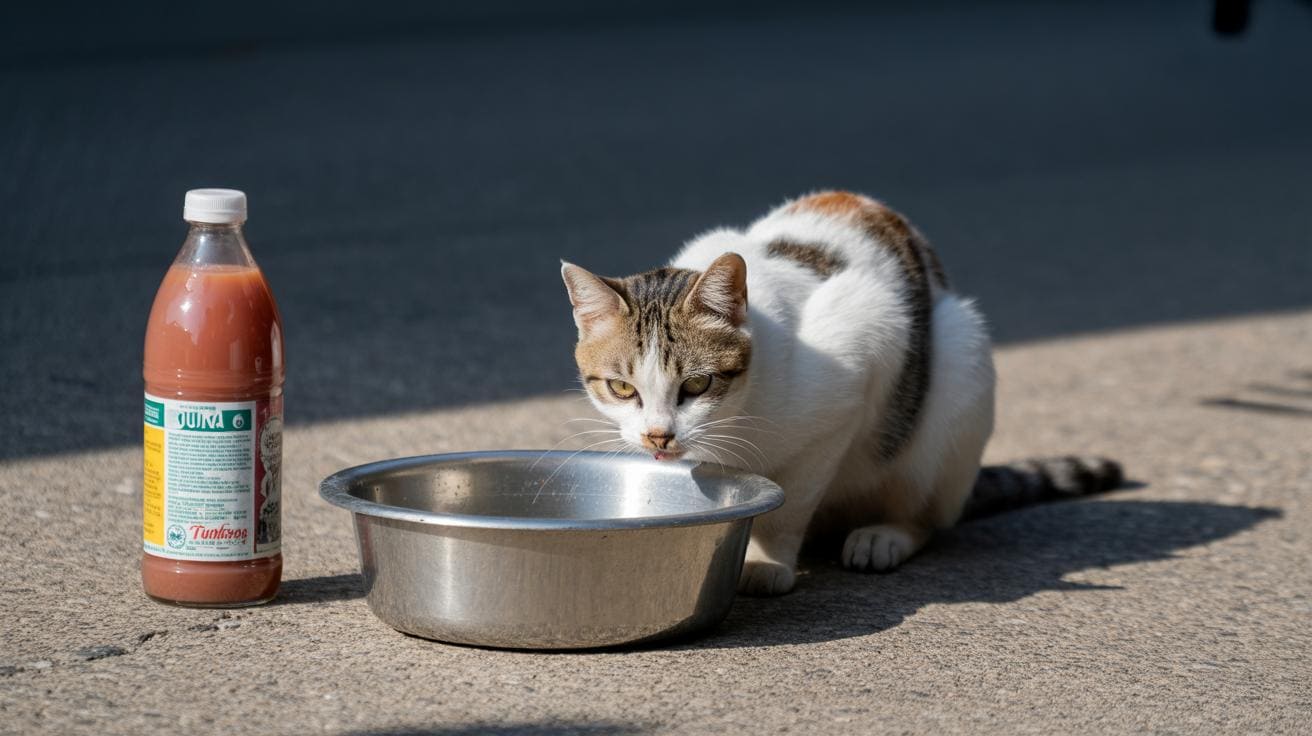
Tiny tastes work best. Try a teaspoon of tuna water (from water-packed tuna, the liquid only, not the oil) or a teaspoon of low-sodium (less salt) chicken broth with no garlic or onion. Put a little in the bowl and watch your cat’s whiskers twitch as they taste. If your cat gags, spits, or vomits, stop right away.

Introduce any new flavor in tiny amounts so the experience stays positive. You want curiosity, not a scared kitty. Ever watched a cat decide a new smell is either a treasure or trash? Same idea.

Safe-additive checklist:

  • Read labels for salt content and for garlic or onion ingredients. Garlic and onion are toxic to cats, even in small amounts.
  • Avoid human sugary drinks, caffeinated drinks, and alcoholic beverages, soda, coffee, energy drinks, and booze can all harm cats.
  • Talk with your veterinarian before using commercial feline hydration mixes or electrolyte solutions (rehydration mixes for pets). Your vet can confirm the right product and dose.
  • Check any product label for sugar, caffeine, and other unsafe ingredients before offering it.
  • If a new additive makes your cat gag, spit, drool, or vomit, stop immediately and call your clinic.

For busy days, a small flavored splash can buy you ten minutes of safe sipping before you head out. Worth every paw-print.
How to monitor hydration and spot clinical signs (advanced methods, clinical checks, device pros/cons)

- How to monitor hydration and spot clinical signs (advanced methods, clinical checks, device proscons).jpg

Start simple. Watch bowl levels, check the litter box, and notice how your cat acts after a meal. Ever watched your kitty chase a drip and think, huh, that’s a lot of sipping? Those small habits tell you a lot.

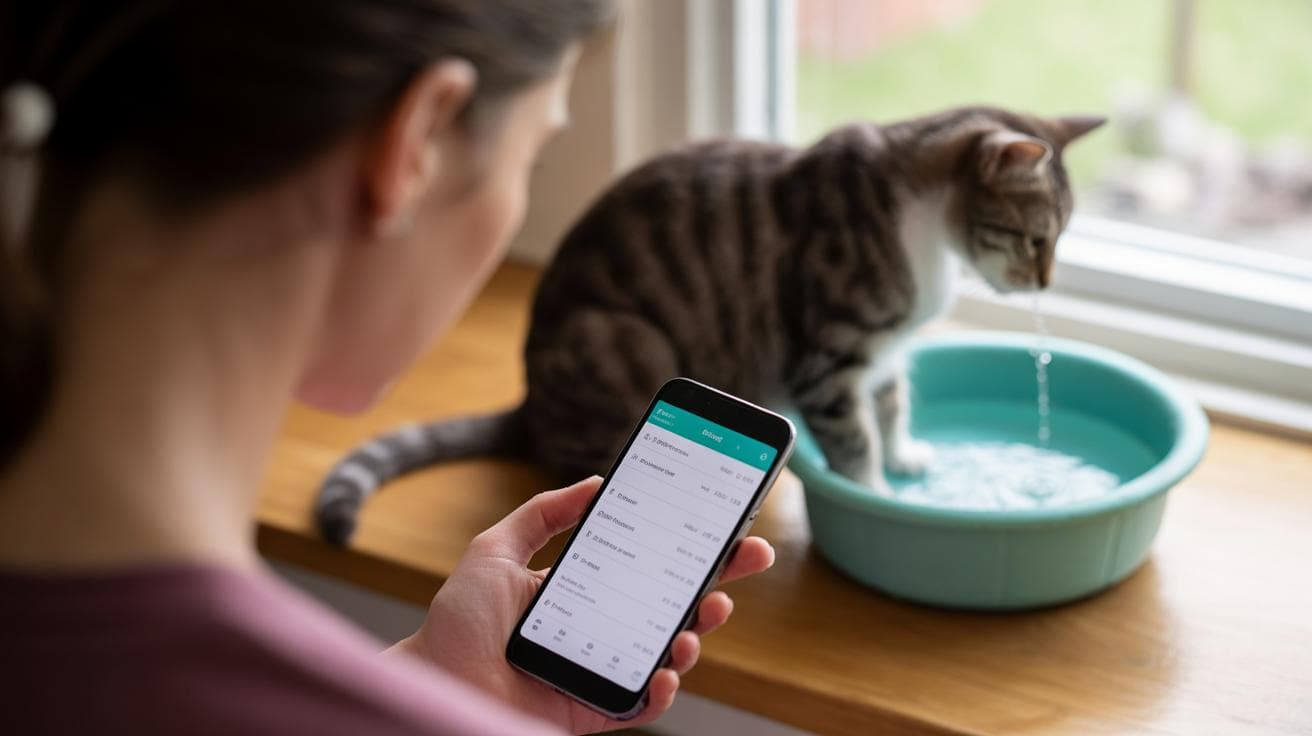
Pair one steady, hands-on method with a device that actually fits your routine so you’re not chasing alerts all day. A quick daily check , top off the bowl in the morning and eyeball it at night , plus one reliable gadget usually keeps things sane.

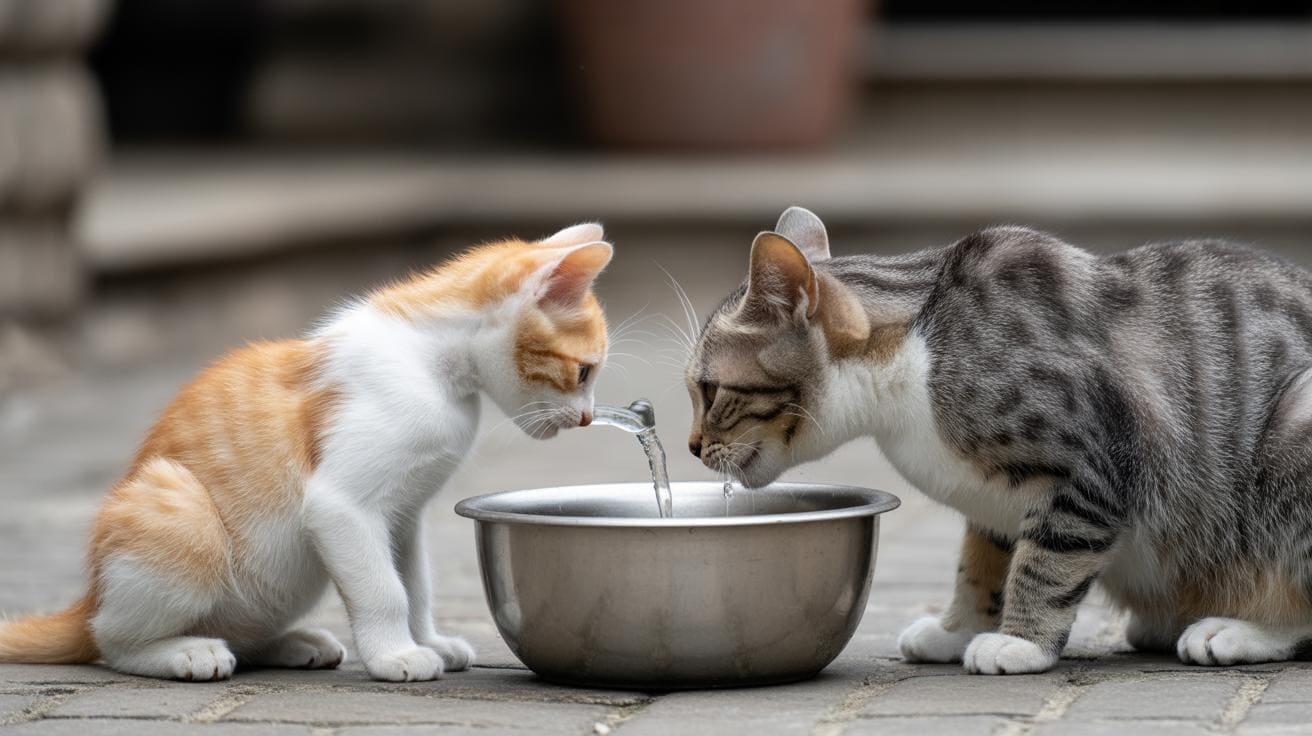
Smart bowls, feeders, wearables and apps are great for extra data, but they come with trade-offs. Devices can miss sips from other bowls, give false spikes in multi-cat homes, or drift as batteries run low. They need cleaning and occasional calibration (resetting the scale or flow sensor, the part that measures water movement). Treat app numbers like helpful hints. Cross-check with a morning fill and an evening look to make sense of trends.

Do a few simple clinical checks at home. Skin tent test (pinch the loose skin over the shoulder to see how fast it returns) is quick and useful. Look at gum moisture and color , gums should feel moist and look pink. Check capillary refill time (press a gum until it blanches, then release; color should come back in under 2 seconds). These are low-tech and powerful.

Weigh your cat on the same scale once a week (the scale is the simple weighing device you already have at home). Small drops in weight often show up before big clinical signs, so that tiny loss matters.

Use realistic intake targets when you read device reports. Most adult cats drink about 40 to 60 mL per kilogram of body weight per day. That means a 4 kg cat sips roughly 160 to 240 mL daily. If your cat eats wet food, remember those meals add about 70 to 80 percent water, so bowl drinking will be less.

Cat weight (kg) Typical intake (mL/day)
3 kg 120 – 180 mL
4 kg 160 – 240 mL
5 kg 200 – 300 mL

Call the clinic right away for severe signs: skin that snaps back very slowly, very dry gums, not urinating for 12 to 24 hours, repeated vomiting, collapse, or extreme listlessness. If a device shows a steady decline and your hands-on checks (skin tent, gums, weight) look worse, contact your vet within 24 to 48 hours for an exam.

If the app and your own checks don’t match, trust the physical exam and get help. Isn’t it nicer when a toy , or a bowl , just behaves? Worth every paw-print.

Special guidance for kittens, senior cats, and cats with kidney or urinary conditions

- Special guidance for kittens, senior cats, and cats with kidney or urinary conditions.jpg

Kittens need lots of tiny chances to sip. Offer a shallow dish or a few ice cubes (ice is a novelty treat that melts into drinkable water) and put a bowl where they nap and another where you feed them. Try a small, sturdy fountain only when you can watch it so they don’t tip it over. If a very young kitten refuses all fluids, seems weak, or vomits, call your vet right away , kittens can dehydrate fast (lose body water) and may need pediatric care within 12 hours.

Senior cats, about 11 years and up, often prefer gentler setups. Warm wet food a little to wake up the aroma; you’ll see more interest that way. Add a quiet water station on each floor and raise bowls on a low platform so sore hips or necks aren’t strained. Weigh seniors weekly and keep an eye on litter-box visits , steady small weight loss or a drop in urination after starting a new medication are good reasons to check in with the clinic.

For cats with kidney disease (when kidneys can’t filter well), urinary crystals (tiny mineral bits in urine), cystitis (bladder inflammation), or diabetes (a blood-sugar problem), moist food and easy water access are key. Extra fluids help dilute urine and support kidney filtration (filtration is the kidney’s job to clean waste from the blood). Keep any flavor add-ins very mild and vet-approved , salty broths or garlic and onion are not safe. Track daily water intake and urine output so you can give your vet clear numbers.

When drinking and diet changes aren’t enough, vets may suggest subcutaneous fluids (fluids given under the skin) or in-clinic IV care (fluids into a vein). You might learn to give subcutaneous fluids at home from your clinic , many people do, and it can really help. Expect some appetite and energy boosts within 24 to 48 hours after fluids, but the full plan depends on the underlying condition. Get immediate care if your cat isn’t urinating for 12 to 24 hours, keeps vomiting, collapses, or becomes extremely lethargic.

How-to Get a Cat to Drink More Water

- Behavioral tricks, enrichment, placement, and training techniques that increase drinking.jpg

A cat’s thirst comes down to behavior and the setup. Motion, new things, and a quiet safe spot make water more interesting. Small, playful changes usually work better than nagging. Ever watched your kitty ignore a full bowl? Yep, we’ve all been there.

  • Teach them to like fountains or faucets step by step. Start with the fountain off so they can sniff it safely. Put a few treats nearby to build trust, then run a tiny trickle of water and stay close. Slowly increase the flow and the runtime as they get comfortable. For a faucet, let a slow drip run while you supervise and encourage a gentle paw tap with a toy. Think of it like faucet training wheels. Example: Try leaving the fountain off for a day. Say, "Go on, sniff it; it’s safe." Then run a whisper of water.

  • Set up multiple drinking stations and watch for 24 hours. Put small bowls in different rooms and at different heights, but always away from litter boxes and busy doorways. Cats like choices. You might find one bowl gets all the action while others sit cold.

  • Use hydration-focused puzzle feeders. These are toys that release food or liquid rewards when solved. Fill them with tiny wet-food portions or a drop of low-sodium broth so playtime leads to sipping. It’s like a reward loop: solve, snack, sip.

  • Rotate bowl types and heights every few days and test each setup for 24 hours to see what sticks. Try ceramic (baked clay), glass (smooth, heavy glass), and stainless steel (metal that resists rust). Some cats hate plastic, some prefer the heavy feel of glass, your cat will tell you.

  • Ice-cube novelty for kittens or picky sippers. Freeze tuna-water or diluted low-sodium broth into ice cubes and offer them as a short, supervised treat. Great for curious kittens and scent-driven sippers. My cat went wild for tuna ice once, true story.

  • Pair a short play session with fresh water. Do a minute of focused play right before offering water so your cat learns that activity often leads to drink time. Example: "One-minute zoomies, then water" , toss a feather for 60 seconds, then place the bowl. Works like a charm, usually.

  • Try only one new trick at a time and give it time. Wait 24-72 hours before adding another change so your cat doesn’t get overwhelmed. Patience pays off.

Introduce changes slowly, watch preferences in the first 24 hours for each setup, and combine a favorite bowl, a preferred station, and a quick play-to-water routine for the best result. If your cat’s drinking doesn’t improve within 48 hours, or you notice lethargy, vomiting, or very little/no urination, contact your veterinarian right away.

How-to Get a Cat to Drink More Water

- Troubleshooting flow diagnose cause  quick test  safe immediate fix  when to escalate (with timeframes).jpg

If your cat has been drinking less, don’t panic. Small changes at home often kick-start sipping again, and we’ll walk through quick checks and fixes you can try right away.

Immediate (0-24 hours) checklist – Try alternate bowls/locations:

  • Swap the bowl. Use a wide, shallow ceramic bowl or stainless steel (stainless steel – won’t hold smells). Cats hate whisker stress, so give them room to drink.
  • Move one bowl to a quiet room for 24 hours so your cat can approach without noisy appliances or foot traffic.
  • Turn a water fountain off and let it sit dry for a bit so the cat can safely sniff and inspect it. Sometimes the motion or noise is off-putting.
  • Safe immediate setup: place a wide shallow bowl filled near the rim in a calm spot, and put a second water station away from the litter box and loud machines. Two stations can cut competition and anxiety.
    Example: "Try a shallow ceramic dish; wide, comfy, no weird smells."

When to escalate: if there’s no measurable increase in drinking within 48 hours, or you notice less urine (urine output – how much pee you see in the litter), call your vet.

Appetite, smell, dental, or nasal issues
Short checks and flavoring tips live in the Wet Food / Flavoring section (wet food – canned or pouched food). But a quick note here: if your cat has mouth pain, drooling, bad breath, sneezing, or nasal discharge, book a dental or nasal check with your clinic. Those things make eating and drinking painful.
When to escalate: if your cat refuses both food and water for 24 hours, or clearly shows mouth pain, get a vet appointment within 24-48 hours.
Example: Warm wet food like leftover chicken – about 10 seconds in the microwave; stir and test so it’s not hot.

Medication effects and possible systemic illness
Quick test: check any new meds or recent dose changes and write them down. Keep a simple log and measure intake by filling bowls in the morning and checking them again in the evening. That gives you numbers to tell the vet.
Safe immediate fix: add wet food and another water station, keep that intake log, and call the clinic before you change or stop any meds.
When to escalate: if drinking drops sharply or you also see low energy, vomiting, or weird litter-box habits, contact your vet within 24-48 hours.

Emergency red flags and timing
Many simple fixes show benefit in 24-72 hours, and if nothing improves in 48 hours, reach out to your vet for a consult. But get urgent care right away for really serious signs: straining to urinate, no urine for many hours, repeated vomiting, collapse, or extreme listlessness. These are emergencies. Worth every paw-print.

Final Words

In the action, this post gave a hands-on plan: quick wins to try now, short-term follow-ups, diet tips with wet food, fountain and bowl choices, safe flavoring, monitoring tricks, and clear vet timeframes.

Immediate tricks often work fast. Try fresh bowls, a fountain, wet food, or tuna water (small amounts). Measure intake with a morning fill and evening check to track progress.

Stick with the easiest changes first and watch for signs that need help. Following these steps on how to get a cat to drink more water should bring relief and purr-fectly hydrated kitties soon.

FAQ

Frequently Asked Questions — Cat Water Intake

How can I encourage my cat to drink more water?

Offer fresh water daily, place multiple bowls around the house, try a small cat fountain, feed wet food, offer low-sodium broth (no onion/garlic), and do short play sessions before offering water.

How to get a cat to drink water from a fountain?

Start with a low flow, place the fountain near a favorite spot, keep it very clean, run it in short supervised sessions, and reward curious sniffing or approach with treats.

My cat isn’t drinking water but is eating wet food — is that okay?

Often yes: wet food contains about 70–80% water. Watch urine output and litter-box habits, and offer extra water sources if your cat has urinary or kidney risks.

How should I make a sick or post-op cat drink water, and should I force fluids?

Avoid forcing fluids. Offer wet food, low-sodium broth, and only syringe small sips if your vet advises. Contact your vet and consider prescribed subcutaneous (under-the-skin) fluids if intake remains low.

How do I get a kitten to drink water instead of milk?

Use shallow dishes at room temperature, gradually swap bottle feeds to a shallow bowl during the 4–8 week weaning window, try ice-cube play to encourage lapping, and check with your vet.

How can you tell if your cat is dehydrated?

Signs include skin tenting, dry or tacky gums, sunken eyes, low urine output, lethargy, and slow capillary refill. Seek urgent vet care for severe signs like collapse or no urine.

Why does my cat drink so little water?

Cats naturally drink less because of desert ancestry and because wet food supplies much moisture. Bowl material, shape, smell, dental pain, medications, or age can also reduce voluntary drinking.

How do I measure and track my cat’s water intake?

Pour a known volume (250–500 mL) each morning, record the evening leftover to calculate daily intake, log values daily, and add wet-food moisture to your totals.

Author

  • Lucas Turner

    Lucas Turner is an urban photographer based in Chicago, Illinois, known for his captivating images that highlight the pulse of city life. With a unique perspective, he captures the vibrant contrasts between architecture, people, and the urban environment, telling stories through his lens.

    Outside of photography, Lucas enjoys coffee shop hopping, exploring the diverse cafes around the city. He finds that each coffee shop has its own vibe, offering a perfect setting for creativity to flow. As he often says, “A good cup of coffee and a new view always inspire my best work.”

    Lucas’s photography is a reflection of his love for the city’s energy and the quiet moments found within it.

    View all posts

Similar Posts