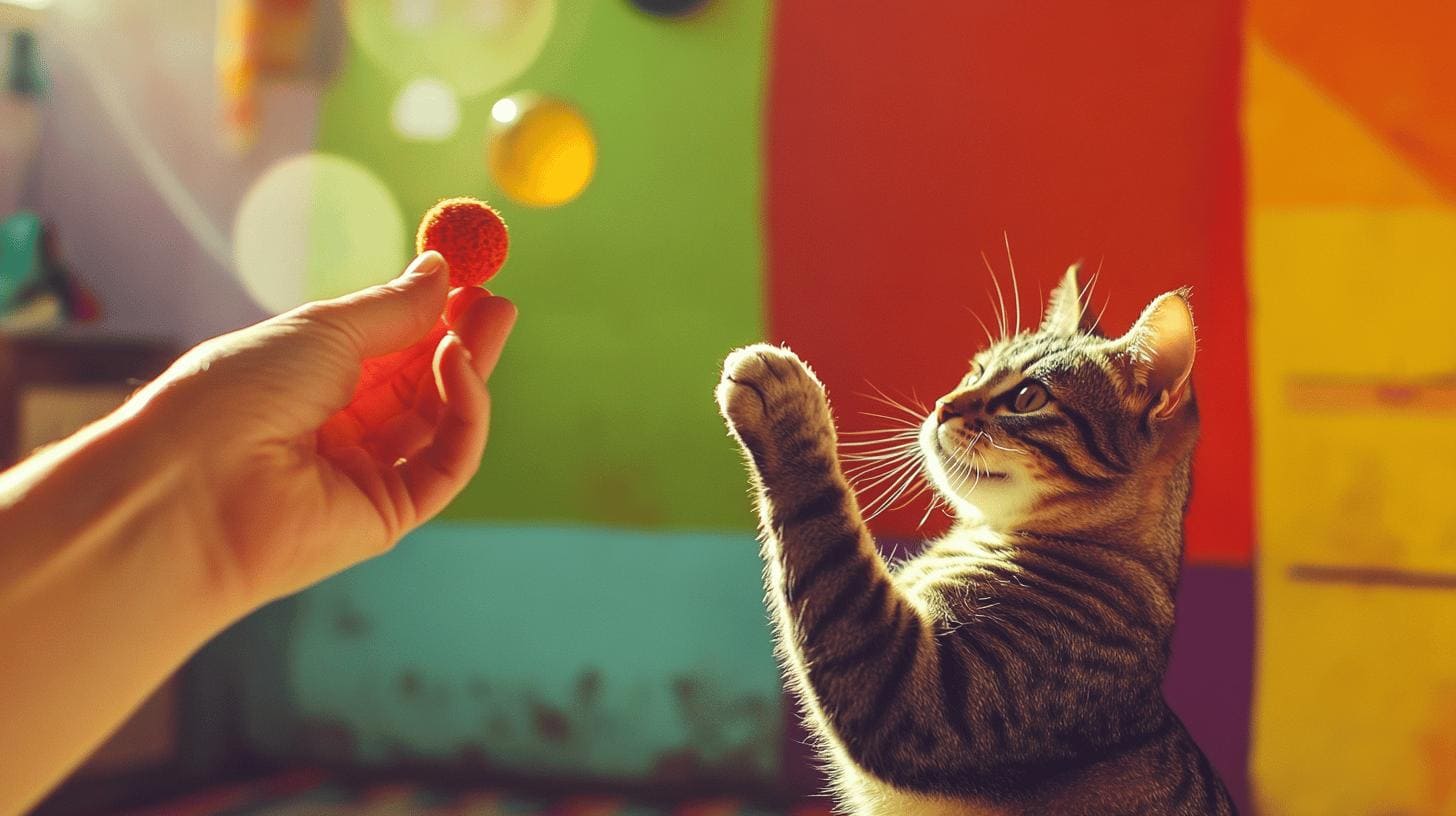
Ever imagined a cat following commands like a trained guard dog? It might sound far-fetched, but with the right approach, it's possible to teach cats tasks like "attack" while keeping playtime safe and fun. The focus is on understanding their instincts and using positive reinforcement. This not only makes training effective but also strengthens your bond. Dive in to learn how to tap into your cat's natural behaviors, ensuring each session is enjoyable and stress-free for both you and your feline friend.
Introducing Effective Commands for Cat Training
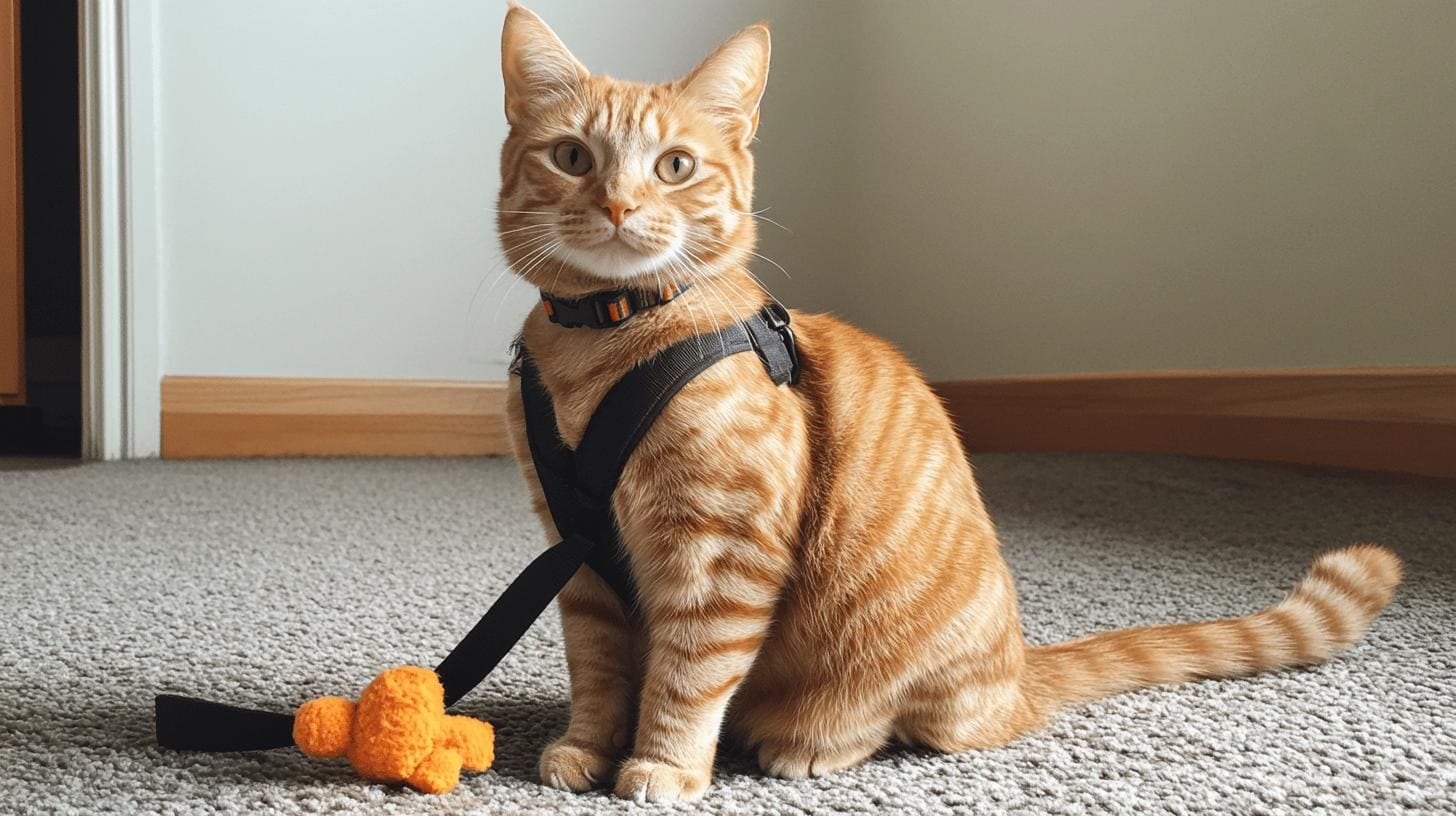
Training a cat to respond to commands, like "attack," should always prioritize safety and ethical considerations. Positive reinforcement is key. Rather than using punishments such as swatting or spraying, which can lead to aggression, focus on rewarding desired behaviors to encourage repetition. Ensuring the cat's well-being during training also involves understanding and respecting their natural behaviors. This approach not only makes training sessions more effective but also strengthens the bond between you and your feline friend.
Cats have instinctual behaviors that can be harnessed during training. Understanding these instincts allows you to modify and direct them responsibly. For example, cats are natural hunters. This instinct can be leveraged to teach them commands by using toys or target-based games. They also tend to respond well to routines and consistency. By establishing a structured training schedule, you can tap into their natural tendency to anticipate and react to familiar cues. This understanding helps in modifying their behavior without causing confusion or stress.
Safety Measures and Ethical Guidelines for Training Cats
- Use positive reinforcement, such as treats or praise, to encourage desired behaviors.
- Avoid punishments that can lead to fear or aggression.
- Keep training sessions short to prevent stress or fatigue.
- Ensure the environment is safe and free from potential hazards.
- Always monitor your cat's body language for signs of distress.
Common Cat Instincts and Their Role in Training
- Hunting: Utilize toys or games that mimic prey to engage your cat.
- Curiosity: Introduce new objects or scenarios to keep training interesting.
- Routine: Establish consistent training times to build anticipation.
- Playfulness: Incorporate fun activities to maintain enthusiasm during sessions.
By respecting these instinctual behaviors and focusing on safety, training your cat to follow commands like "attack" can be done effectively and ethically.
Comprehensive Guide to Cat Training Tools and Techniques

Creating a structured training plan is essential for successfully teaching cats to respond to specific commands like "attack." The foundation of effective training lies in positive reinforcement. By rewarding cats for desired behaviors with treats or praise, we encourage them to repeat those actions. A well-thought-out plan ensures that training sessions are productive and enjoyable for both you and your cat. This approach not only helps in achieving the desired behavior but also strengthens the bond between you and your pet.
The right tools can significantly enhance your training efforts. Clickers and treats are among the most effective tools available. A clicker acts as a marker that signals to your cat that a treat is coming, helping them associate the click with a positive outcome. Treats serve as a reward and motivation for your cat, keeping them engaged and eager to learn. Other helpful tools may include target sticks and toys, which can guide your cat's attention and actions during training sessions.
Step-by-Step Process for Training Cats to Attack Command
- Start with Basic Training: Before tackling the "attack" command, ensure your cat is comfortable with basic commands like "sit" and "stay."
- Use a Clicker: Begin each session with a clicker to mark the desired behavior. Click when your cat exhibits interest or moves towards the target.
- Introduce a Target: Use a toy or object that your cat is naturally drawn to. This will be the focus of the "attack" command.
- Encourage Interaction: When your cat shows interest in the target, click and reward them. Gradually increase the level of interaction needed for a reward.
- Associate the Command: Once your cat reliably interacts with the target, introduce the verbal cue "attack" as they move towards it.
- Practice Consistently: Repeat the process regularly, keeping sessions short and positive to reinforce the behavior.
Maintaining consistency, timing, and appropriate tool usage is crucial throughout the training process. Consistency ensures that your cat understands what is expected, while timing allows you to reward desired behaviors promptly. Using the right tools helps in clearly communicating what you want from your cat, making the training process smoother and more efficient.
| Tool | Description |
|---|---|
| Clicker | Marks desired behavior with a sound, helping the cat associate actions with rewards. |
| Treats | Provide motivation and reward for successful actions during training. |
| Target Stick | Guides the cat’s attention and actions, useful for directing movement. |
| Toy | Engages the cat’s natural instincts and serves as the focus for the “attack” command. |