Did you ever wonder if cats can safely snack on chocolate like we do? Spoiler alert: chocolate is not a treat for them but a toxic danger. Cats and chocolate are a risky mix because it contains substances like theobromine and caffeine that cats can’t handle. Even a smidge can wreak havoc on their health, leading to serious issues. In this article, we’ll dive into why chocolate is harmful to cats and what you should do if your feline friend gets curious. Keep reading to learn the crucial steps to protect your cat.
Why Cats Can’t Eat Chocolate
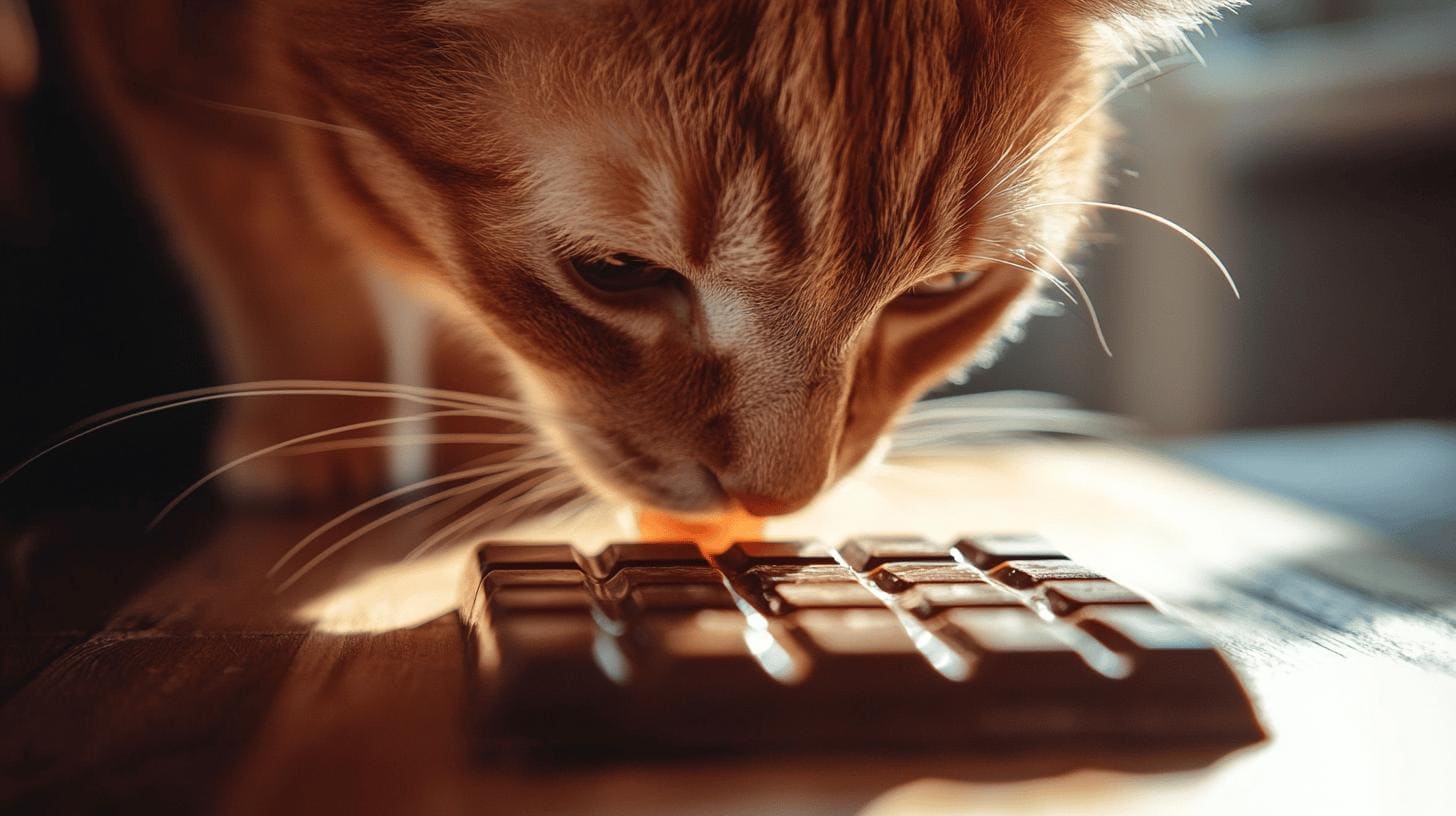
Cats cannot eat chocolate because it contains theobromine and caffeine, both of which are highly toxic to them. Even small amounts can lead to serious health problems. These compounds affect the central nervous system and heart, causing symptoms that range from mild to severe. When a cat ingests chocolate, it can experience symptoms like vomiting, diarrhea, and even seizures. It’s crucial to understand that cats metabolize these substances much slower than humans, so even minimal exposure can be dangerous.
The danger escalates with dark and unsweetened baking chocolates. These types contain higher concentrations of theobromine and caffeine compared to milk chocolate. As a result, they pose a much higher risk of toxicity. Dark chocolates, with their rich cocoa content, can lead to more acute symptoms and faster onset of poisoning. Baking chocolate, often used in cooking and baking, is particularly harmful due to its high purity and lack of dilution with other ingredients.
- Chocolate contains theobromine and caffeine, which are poisonous to cats.
- Dark and baking chocolates have higher levels of these harmful substances.
- Even small amounts of chocolate can cause severe health issues in cats.
Symptoms of Chocolate Poisoning in Cats
Recognizing the progression of chocolate poisoning in cats is critical. Initial signs usually include vomiting and diarrhea, as the cat’s system tries to expel the toxins. Quick intervention can prevent these early symptoms from escalating into more dangerous conditions.
The severity and progression of symptoms depend on several factors. The type and amount of chocolate consumed are crucial, with dark chocolate being more dangerous due to its higher theobromine and caffeine content. A cat’s size also matters, as smaller cats are more susceptible to severe symptoms from even a small amount of chocolate.
Immediate actions are vital if chocolate poisoning is suspected. Contact a veterinarian right away for guidance. While waiting for professional help, you can try to induce vomiting if advised by a vet, but do not attempt this without professional instruction. Quick action can make a difference in outcomes.
- Vomiting
- Diarrhea
- Rapid breathing
- Increased heart rate
- High temperature
- Seizures
- Collapse
Immediate Veterinary Care and Recovery Steps if Your Cat Eats Chocolate
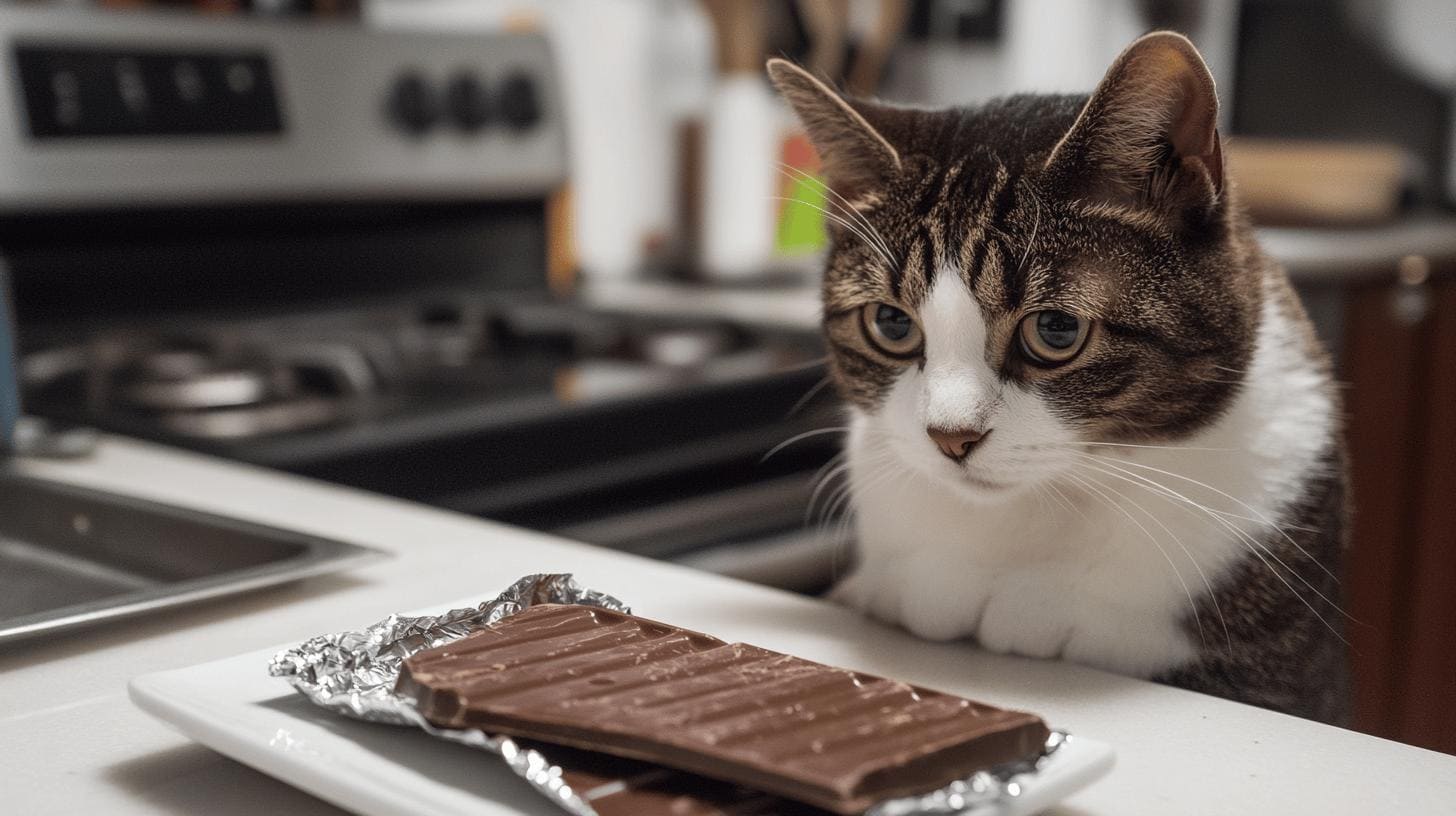
If you suspect your cat has eaten chocolate, it’s crucial to act fast. The first step is to contact your veterinarian immediately. Time is of the essence, as the sooner treatment begins, the better the chances of preventing severe complications. Veterinarians have the expertise to handle chocolate toxicity and can provide guidance on necessary immediate actions.
Before reaching the vet, you can take these steps:
- Remove the Chocolate Source: Make sure no more chocolate is accessible to your cat to prevent further ingestion.
- Gather Information: Be ready to inform the vet about the type of chocolate, the amount ingested, and the time of ingestion.
- Monitor Symptoms: Keep an eye on your cat for any symptoms like vomiting, diarrhea, or unusual behavior, and relay this information to the vet.
- Induce Vomiting: Only induce vomiting if your vet advises you to do so. This can help expel the chocolate before it fully absorbs into the system.
- Keep Your Cat Calm: Stress can exacerbate symptoms, so maintain a calm environment for your cat.
Once at the veterinary clinic, your cat may undergo several treatments. Veterinarians might induce vomiting if it hasn’t already occurred. They could also administer activated charcoal to prevent further absorption of toxins. Treatment may involve IV fluids to maintain hydration and medications to manage symptoms like seizures or abnormal heart rhythms. Continuous monitoring is crucial to ensure the cat’s condition stabilizes.
Professional veterinary care is essential for cats showing signs of chocolate poisoning. Veterinarians can accurately assess the severity of the situation and tailor treatment to the cat’s specific needs. Self-treatment at home is not advisable due to the risks of complications without proper expertise.
Recovery practices at home are important once your cat is released from veterinary care. Ensure your cat has a quiet, comfortable space to rest. Follow all post-treatment instructions provided by your vet, including medication schedules and dietary adjustments. Monitor your cat for any lingering symptoms and maintain regular check-ins with the vet to track recovery progress.
- Induce Vomiting: If advised, helps expel chocolate.
- Administer Activated Charcoal: Prevents toxin absorption.
- Provide IV Fluids: Supports hydration and health.
- Prescribe Medications: Manages symptoms like seizures.
- Continuous Monitoring: Ensures condition stabilizes and improves.
Taking swift action and following these guidelines can make a significant difference in your cat’s recovery from chocolate ingestion. Always prioritize professional veterinary advice and care to ensure the best outcome for your furry friend.