Ever wonder if your cat could explore the outdoors safely? You're not alone. Many cat owners dream of giving their pets a taste of nature. But is it possible to train a cat for outdoor adventures without risking their safety? Y
es, it is! With patience and the right steps, you can make your cat's dream a reality. This guide will take you through each phase of training. From getting comfortable with a harness to supervised outdoor excursions, we'll cover it all. Let's turn your indoor feline into a confident explorer!
Step-by-Step Guide on Training Your Cat to Be Outdoors
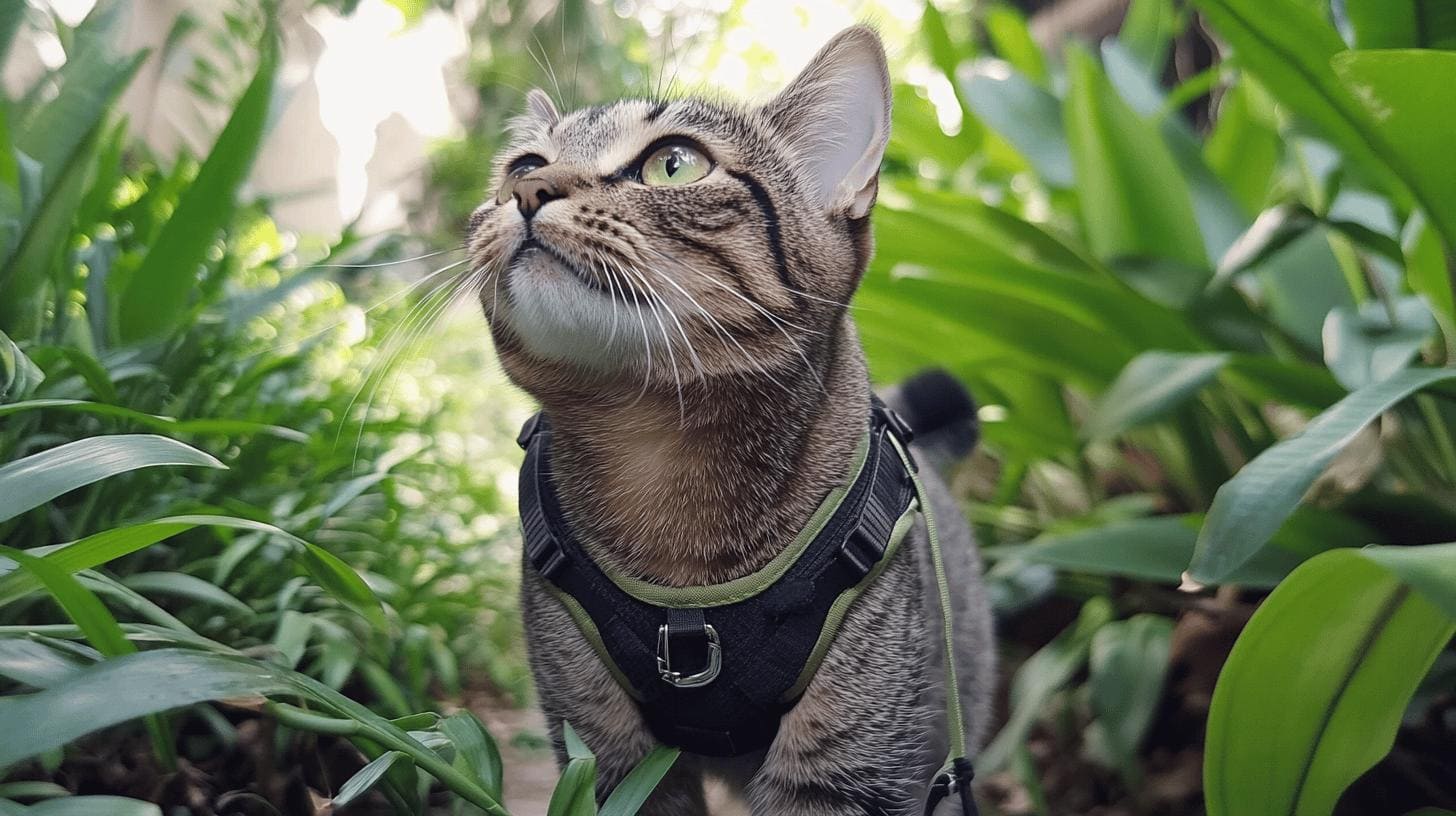
Training your cat for outdoor adventures takes some time and patience. Start by letting your cat get used to their new home environment for two to three weeks. This helps them feel secure and comfortable indoors before they start exploring outside. Gradual outdoor training is key. It helps the cat adjust slowly, which can make the transition smoother and safer.
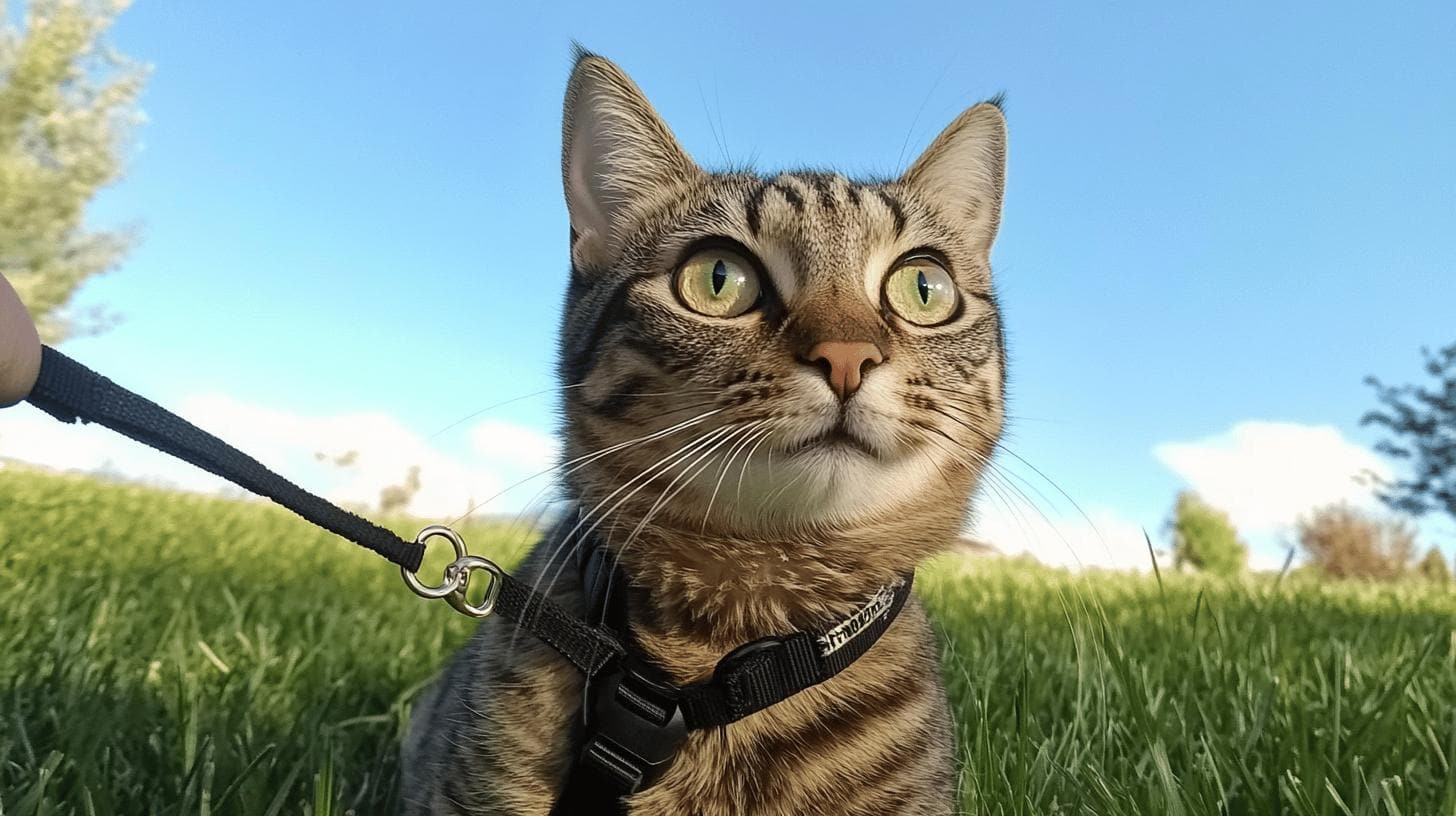
- Begin Indoors: Introduce your cat to a harness indoors. Let them wear it while playing or lounging to get used to the feeling.
- Short Outings: Once comfortable with the harness, start with short, supervised outings. Keep them close to home to reduce stress.
- Use a Leash: Attach a leash to the harness for control. This prevents them from running off and helps keep them safe.
- Observe Reactions: Pay attention to how your cat reacts to the outdoors. Some may be curious, while others might be scared.
- Increase Time Gradually: Slowly extend the length of time outside as your cat becomes more comfortable.
- Monitor Natural Instincts: Watch for hunting behaviors. Some cats may show interest in chasing bugs or small animals.
Patience is vital in this training process. Each cat will adapt at their own pace. Some might take to the outdoors quickly, while others need more time. Observing their behavior is crucial, as it gives you insights into their comfort level and natural instincts. By taking it slow and steady, you're ensuring a positive experience that builds trust and confidence in your cat's outdoor adventures.
Essential Safety Measures for Outdoor Cats
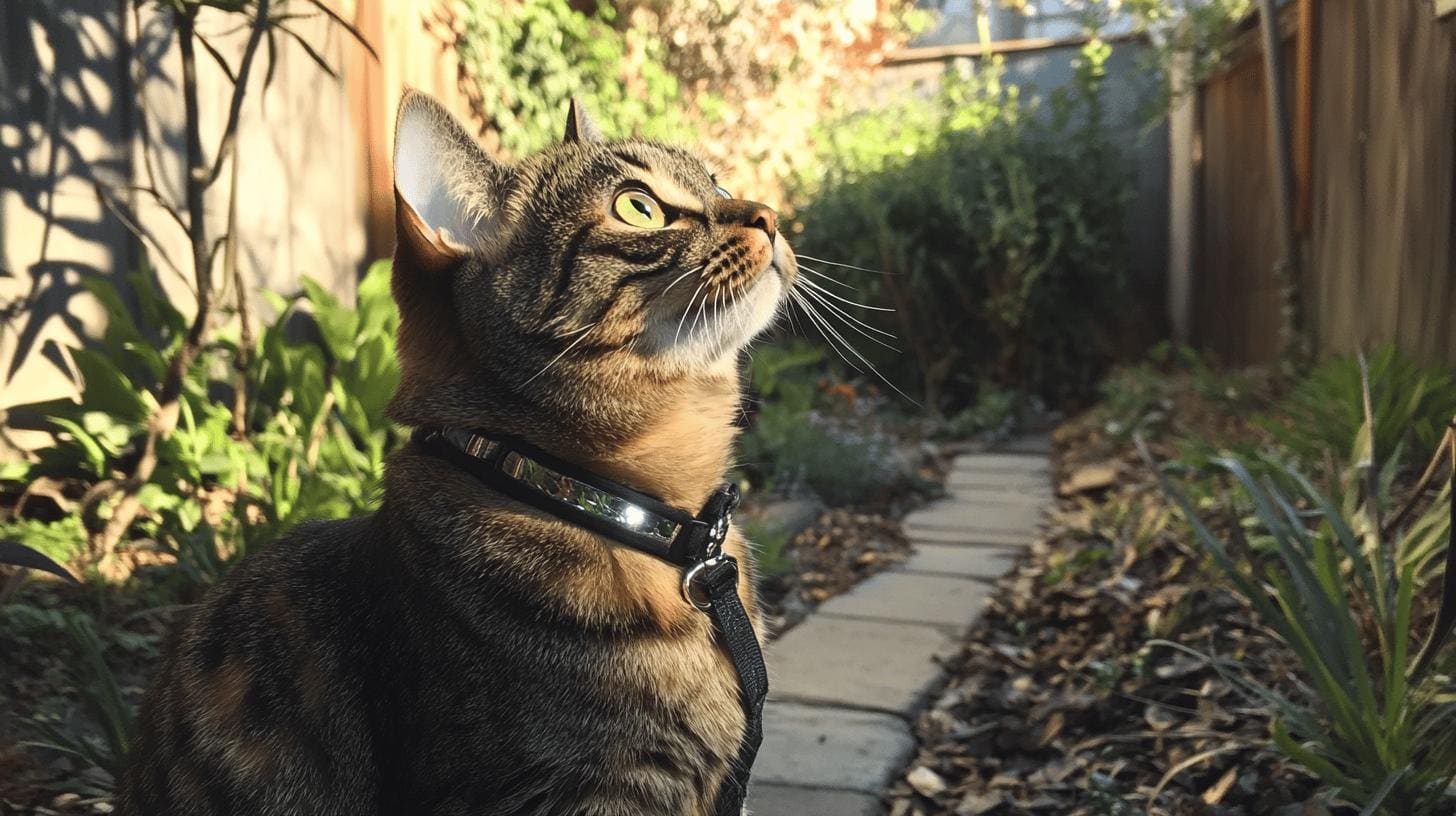
Keeping your outdoor cat safe is incredibly important. With over 10 million pets lost or stolen each year, taking the right precautions can make a big difference. Reflective leashes are a great tool for visibility, especially during low-light conditions.
Bringing your cat indoors at night is another effective way to prevent accidents or encounters with predators. During initial outdoor outings, supervising your cat can help you spot potential hazards and ensure their safety.
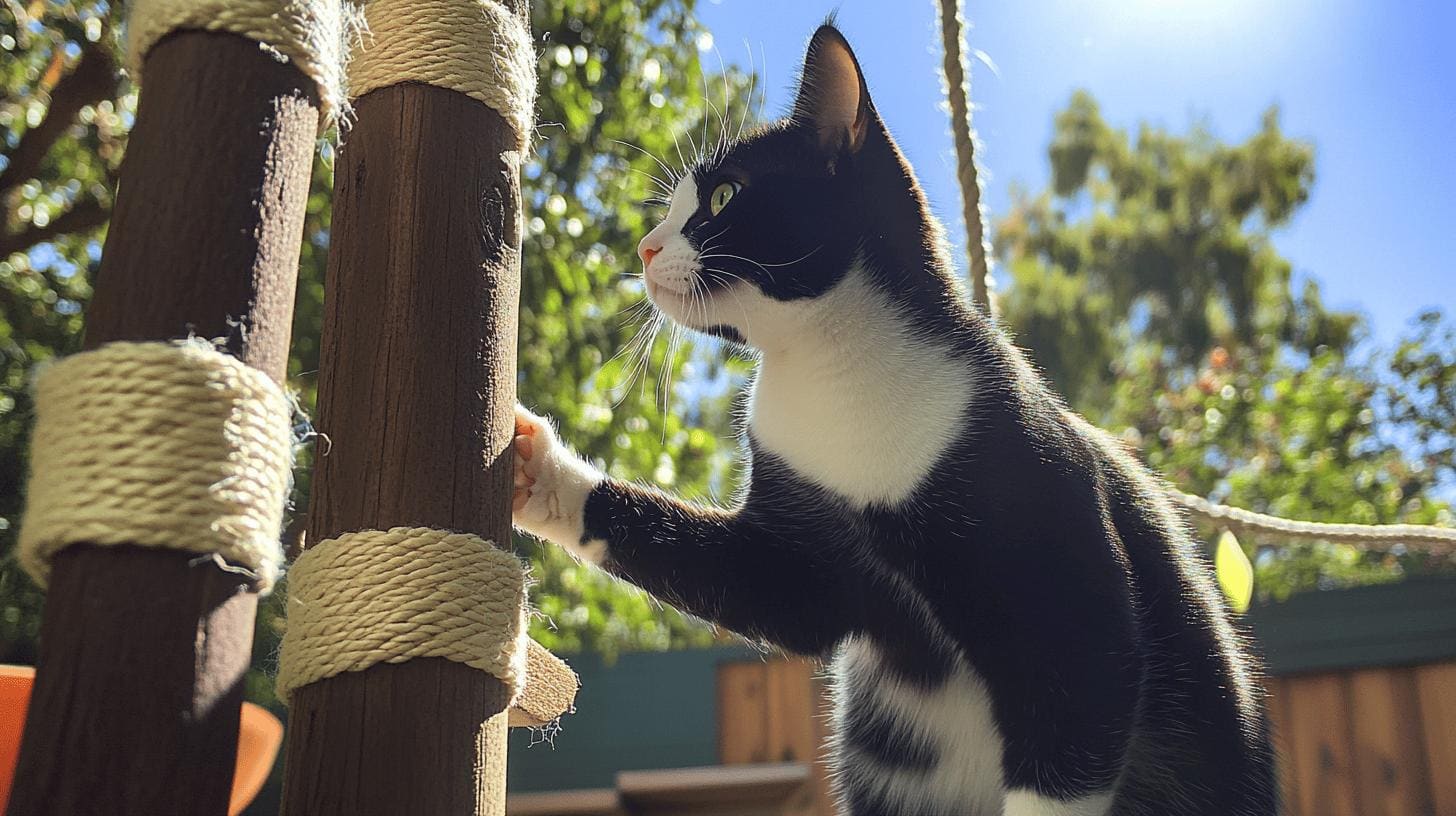
Creating a secure environment can help keep your cat from wandering too far. Consider using a cat-proof fence to establish boundaries around your yard. This can prevent escapes and limit access to dangerous areas. Providing a stimulating space with toys and climbing structures can also keep your cat engaged and less likely to roam.
- Use reflective leashes to enhance visibility.
- Bring cats indoors at night for added safety.
- Supervise initial outdoor outings to monitor behavior.
- Secure the backyard with fences or barriers.
- Create a stimulating environment with toys and climbing structures.
By focusing on these safety measures, you can help your cat enjoy the outdoors while minimizing risks. Supervision and engagement are key to preventing your cat from running away or getting into trouble.
Understanding and Encouraging Outdoor Cat Behavior
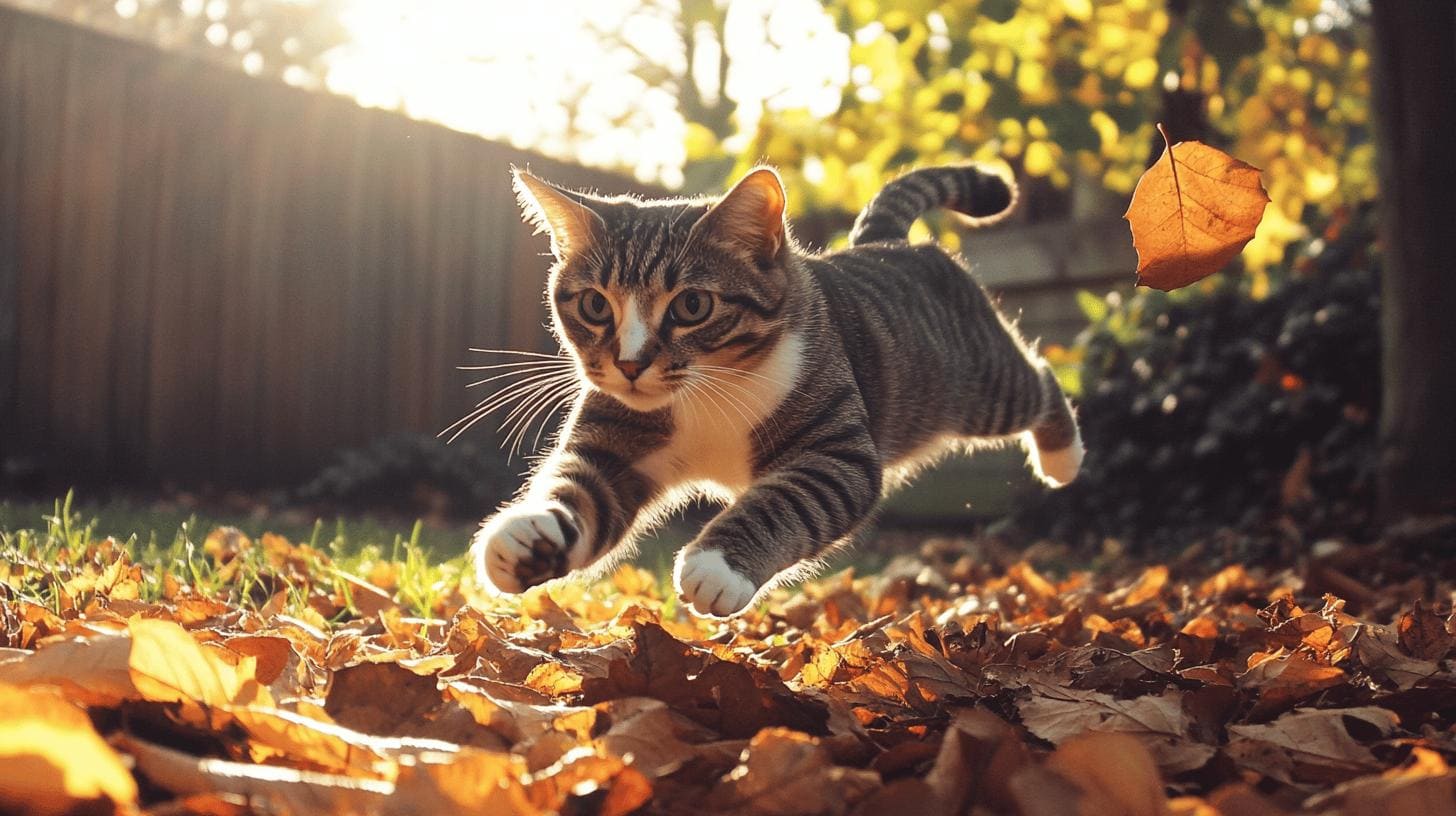
Cats are natural hunters. When they explore outdoors, their instincts kick in. You might see your cat chasing bugs or even catching small animals. It's not unusual for them to bring back prey as "gifts." This behavior is a part of their natural instincts and shows their comfort with the outdoor environment. Understanding these behaviors helps in recognizing your cat's needs and reactions while they explore.
Building trust with your outdoor cat is crucial. Spend quality time with them when they return home. Engage in play or relaxation activities to strengthen your bond. Observing your cat closely helps you understand their preferences and comfort levels. This interaction not only fosters trust but also ensures your cat feels secure and loved.