Ever wondered why your cat won’t stop meowing, no matter what you do? It can feel like your kitty is constantly trying to chat your ear off counter jumping. But don't worry, I'm here to help. Meowing is a cat's way of communicating, just like a baby crying for attention.
If your cat’s non-stop chatter is driving you nuts, it might be time to switch things up. I’ll show you how to train your cat to minimize meowing through step-by-step techniques training tools. Let's learn how to understand and redirect this behavior effectively eliminating issues.
Understanding Cat Vocalizations and Their Causes
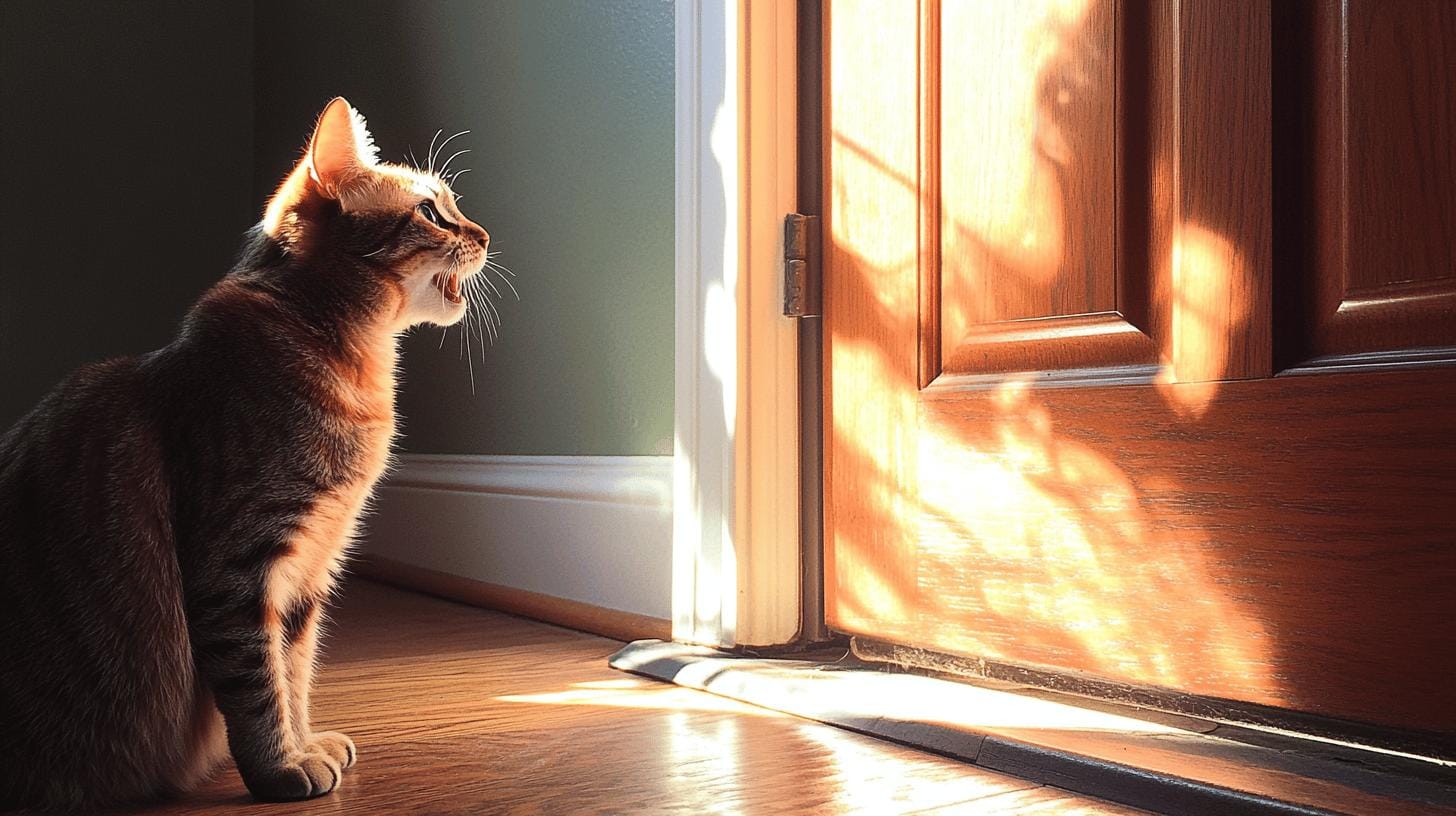
Cats naturally use meowing as a form of communication. Just like kittens meow to their mothers, adult cats often meow to engage with humans. It’s their way of telling us what they need or want.
These vocalizations are especially common in cats that have been weaned from their mothers because they carry the instinct to meow onward. This instinct is part of how they communicate their needs or desires, ranging from food to affection.
- Seeking attention
- Expressing hunger
- Requesting access to spaces
- Boredom or loneliness
- Discomfort or health issues
The behavior of meowing can often be reinforced by how we respond as owners. When we attend to a cat's meow by feeding, playing, or opening a door, it teaches the cat that meowing results in getting what they want.
This feedback loop can lead to excessive meowing as cats learn that vocalizing is an effective way to communicate their needs. Understanding this dynamic is crucial for managing and reducing unwanted meowing.
Step-by-Step Techniques to Train Your Cat to Stop Meowing

Training your cat to stop meowing requires consistency. It's not just about the techniques you use, but how regularly you employ them. Cats learn through repetition, so it’s important to stick to a consistent training schedule. This helps reinforce the desired behavior and reduces confusion for your feline friend.
Positive Reinforcement Techniques
Rewarding your cat for being quiet is a key step in reducing meowing. When your cat is silent, offer a treat or some affection. This positive reinforcement teaches the cat that being quiet leads to rewards.
Start by observing your cat and waiting for moments of silence. When your cat stops meowing, immediately give a treat or pet them. This association helps your cat understand that quietness is appreciated. Over time, your cat will start associating silence with getting rewards, which will encourage them to meow less.
Consistency in Training Practices
Being consistent in your training approach is crucial. Set aside regular times each day to practice these techniques. This routine helps your cat understand what is expected of them.
Avoid responding to meowing with attention. If your cat meows for attention, try to ignore it until they stop. Once they are quiet, then reward them. Consistency in your reactions teaches your cat that meowing doesn’t get them what they want, but being quiet does. Maintaining a routine will solidify this training, making it a part of your cat’s everyday behavior.